


Kaijima Momoyo

Architectural Design, Architectural Behaviorology, and Architectural Ethnography

Kaijima Momoyo

Faculty of Art and Design|Associate Professor

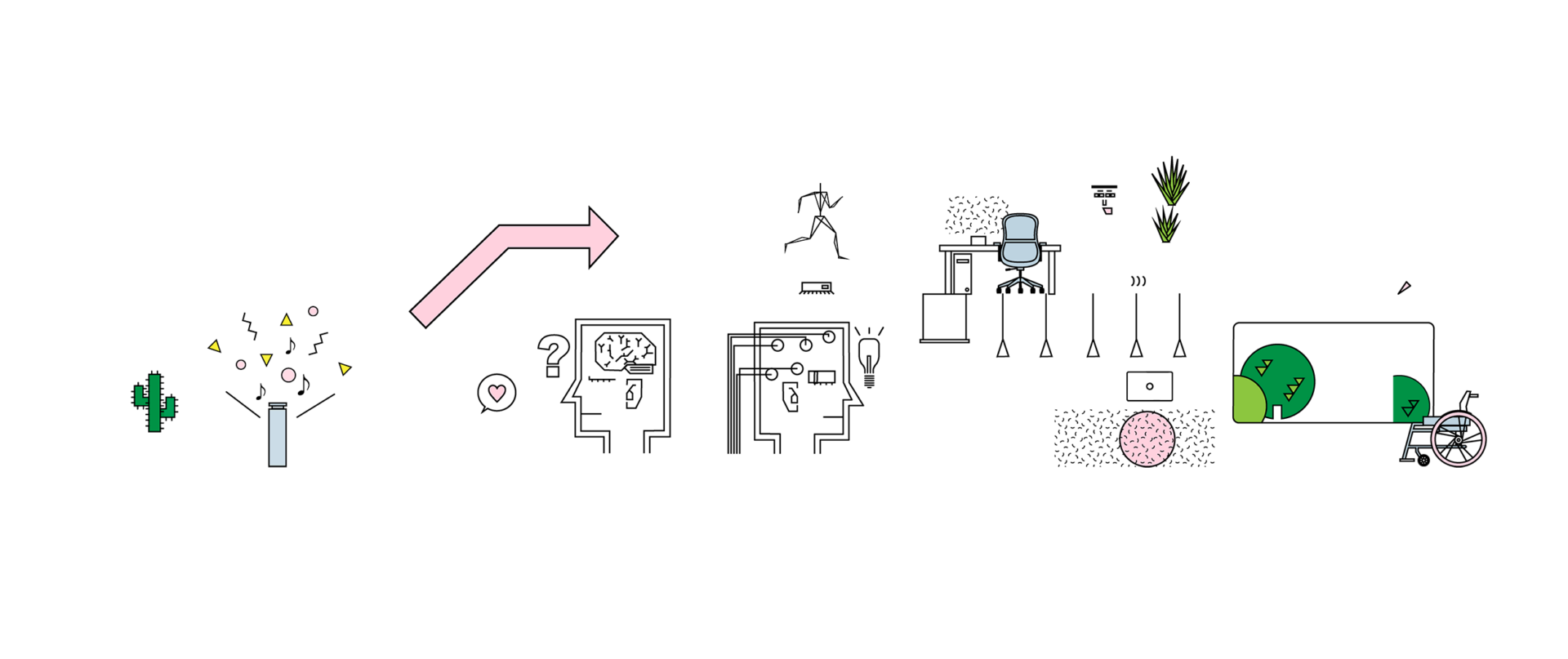
The development of modern technology and industry in the 20th century has created a barrier between our everyday life and local resources such as nature, human skills, and knowledge. Architectural Behaviorology is our architectural design method, which focuses on better accessibility to such resources. Our objective is to cultivate these resources in order to rediscover their forgotten potential through the lens of ethnographical networks and activate them by proposing an architectural design.
In this process, architectural drawings — the traditional tool to conceptualize, organize, and build spaces — have played a specific role. An ethnographic network is more than simple instructions for buildings, it is an ideal instrument to document, discuss, and evaluate architecture. As in ethnography, they allow usages, needs, and aspirations to be investigated through the lens of various actors —both human and non-human. They also form the basis on which a common approach in the design of individualized yet shared environments in today’s globalized society can be formulated. We call this method “Architectural Ethnography” as it is the bridge between research and design.

Main Research Topics

Window Behaviorology

Timber Behaviorology

Urban Rural Commons

Hospital Art

Future Learning Space

Public Drawing

© Copyright - Art and Design, University of Tsukuba