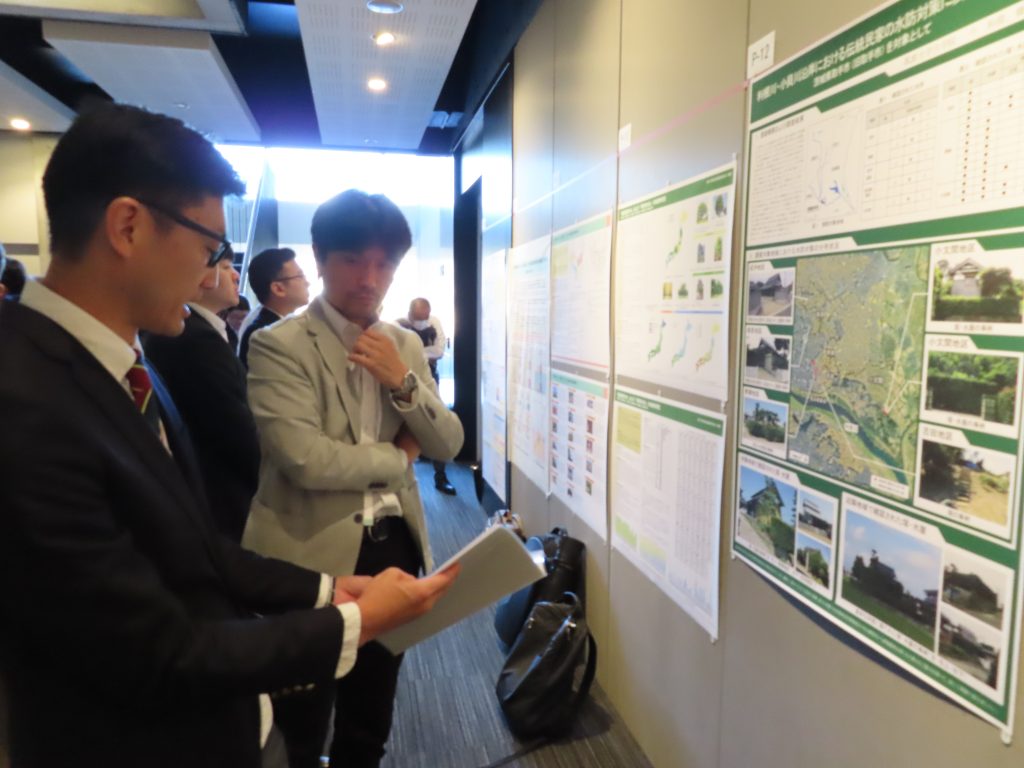
On the second day of the 57th Japanese Society of Biometeorology Conference (Kyoto), there was a poster presentation session.
Graduate student Ima-kun presented the results of his research on Toride Mizuya, etc.
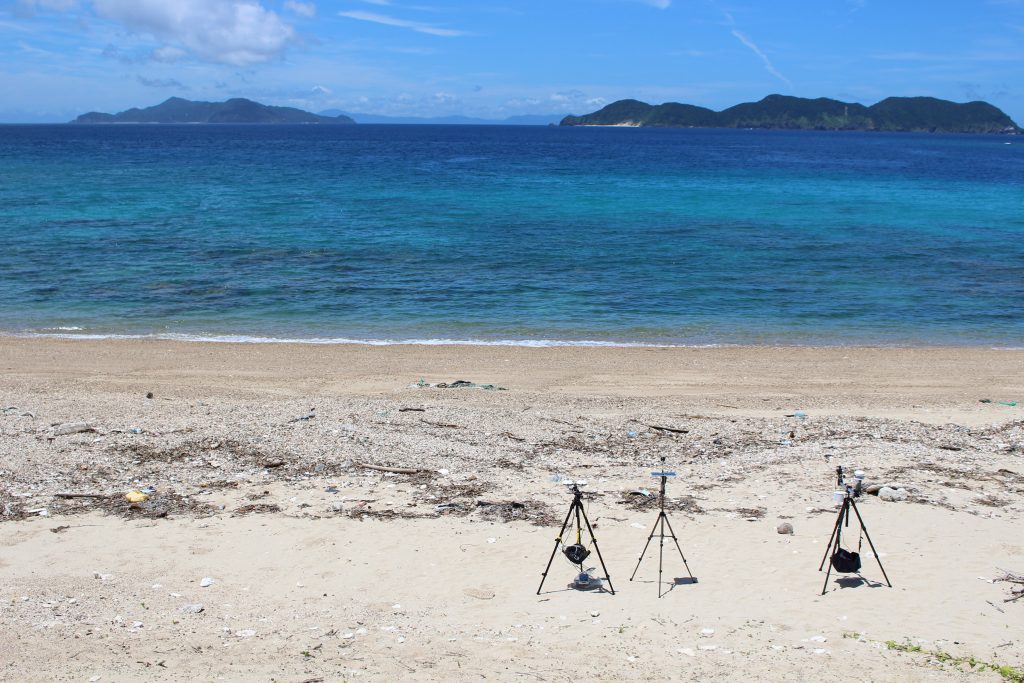
In addition, co-researchers Professor Watanabe (Daido University) and Professor Ishii (Meijo University) will present the results of a survey conducted on Kakeroma Island last year, and Professor Sato (Meijo University) will present the results of a survey conducted this year on the Oshika Peninsula. Did.
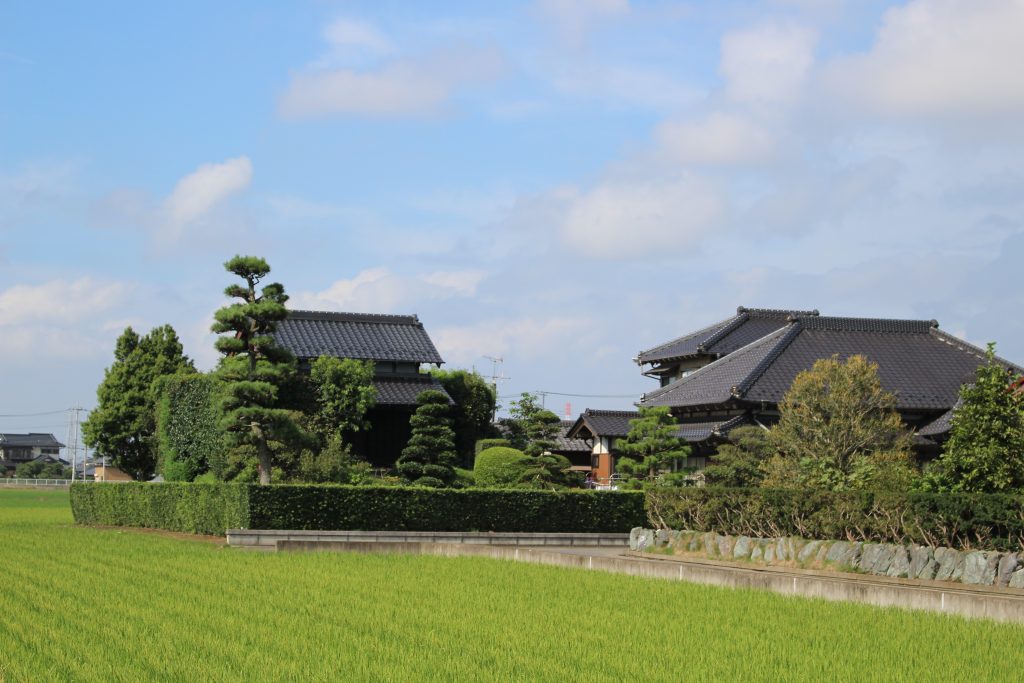
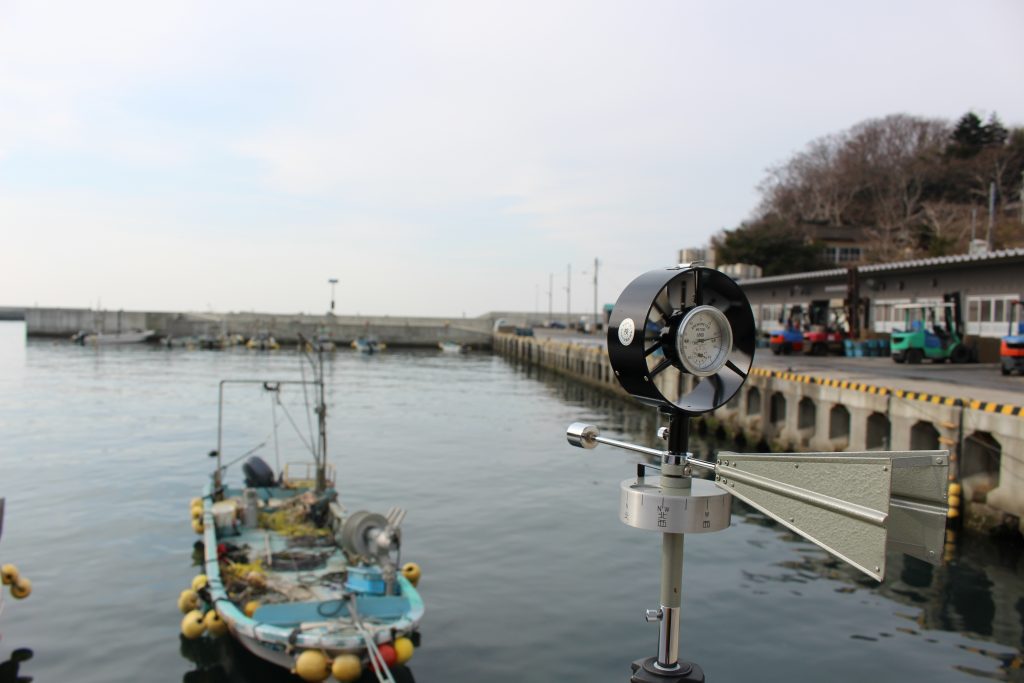
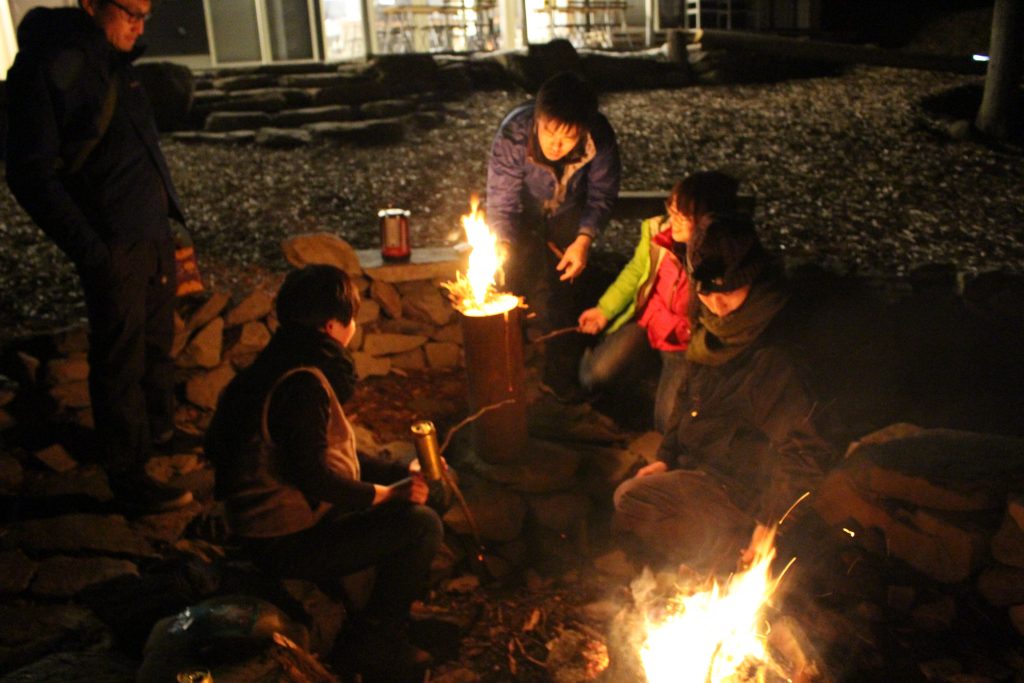
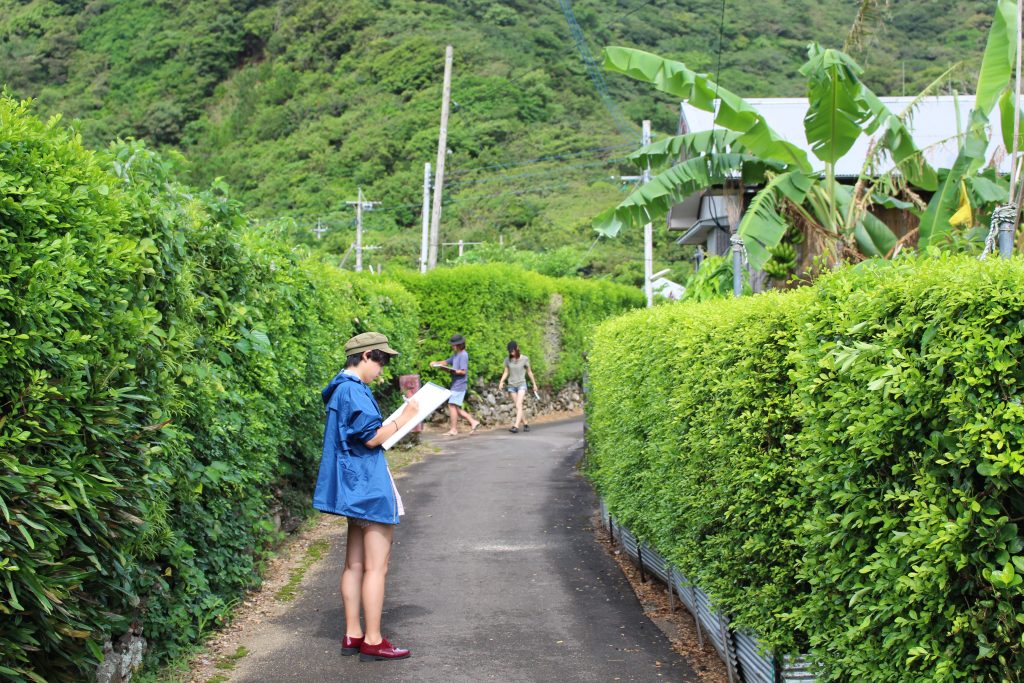
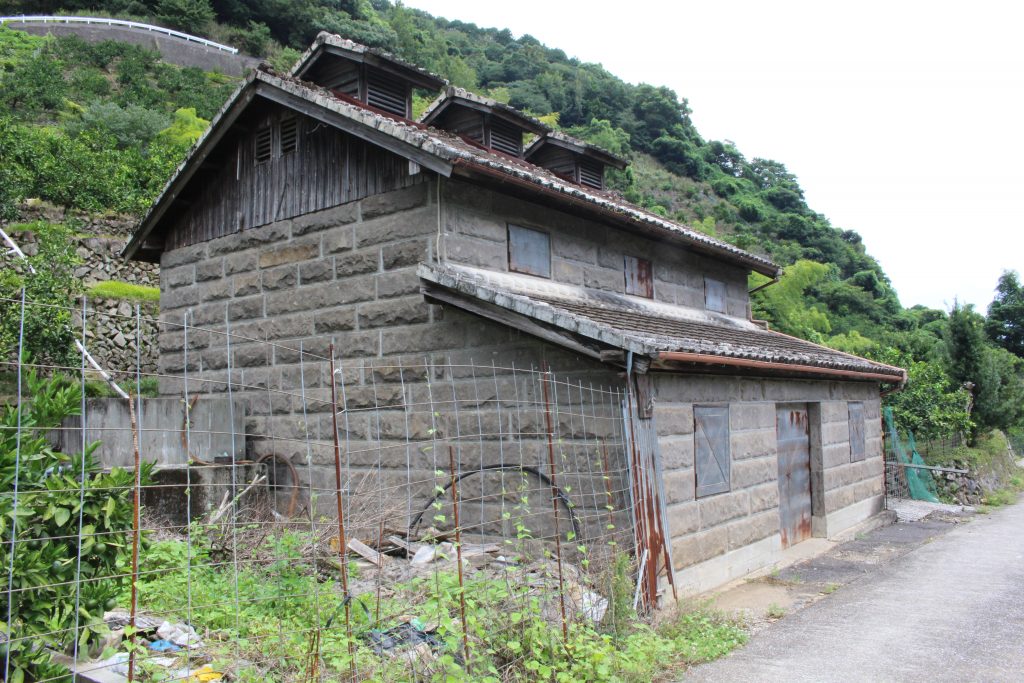
Ima-kun explains the contents of his presentation.In addition to posters, they also created a collection of materials for the survey.Mizuya in Toride City.Hedges and garden trees are also cool.Thermal environment was measured at the beach of Sukomo village on Kakeroma Island.It was hot.But it felt good.The wind at Kitsunesaki Beach on the Oshika Peninsula was cold.During our research on the Oshika Peninsula, we stayed at Momonoura Village.It was exciting with the Swedish Torch.
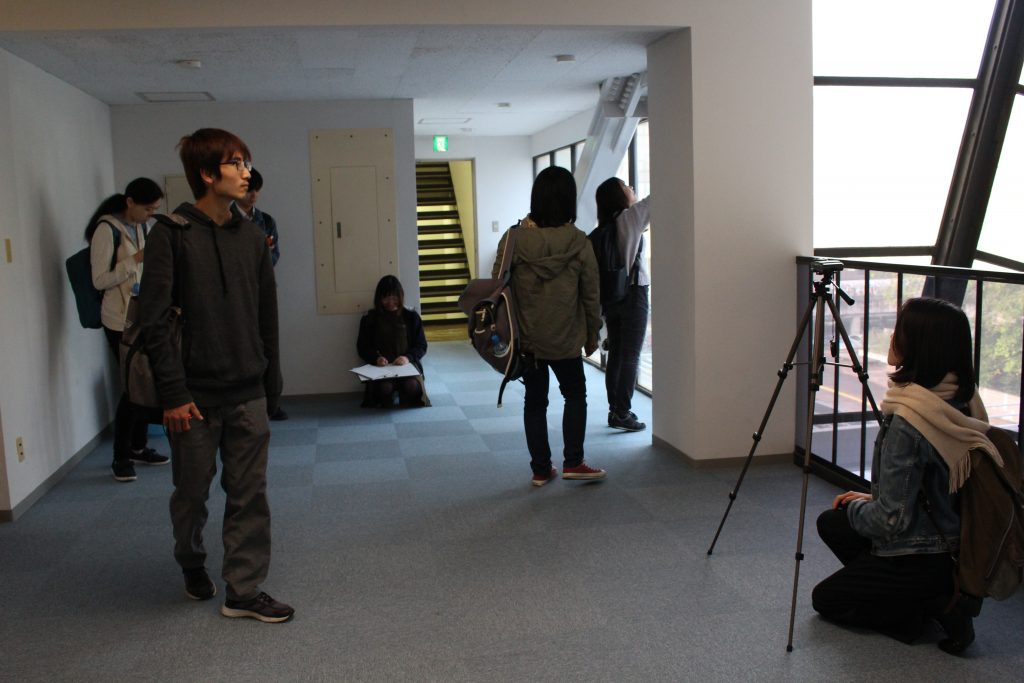
Today's Architectural Environment Planning Theory was a presentation of the results of a light environment measurement exercise.
Each group presented very interesting survey results targeting libraries, commercial facilities, classrooms, etc.
There were also student-like perspectives, such as measuring the visual environment of smartphones.
I hope that they will utilize what they have actually experienced and thought about in their design exercises.
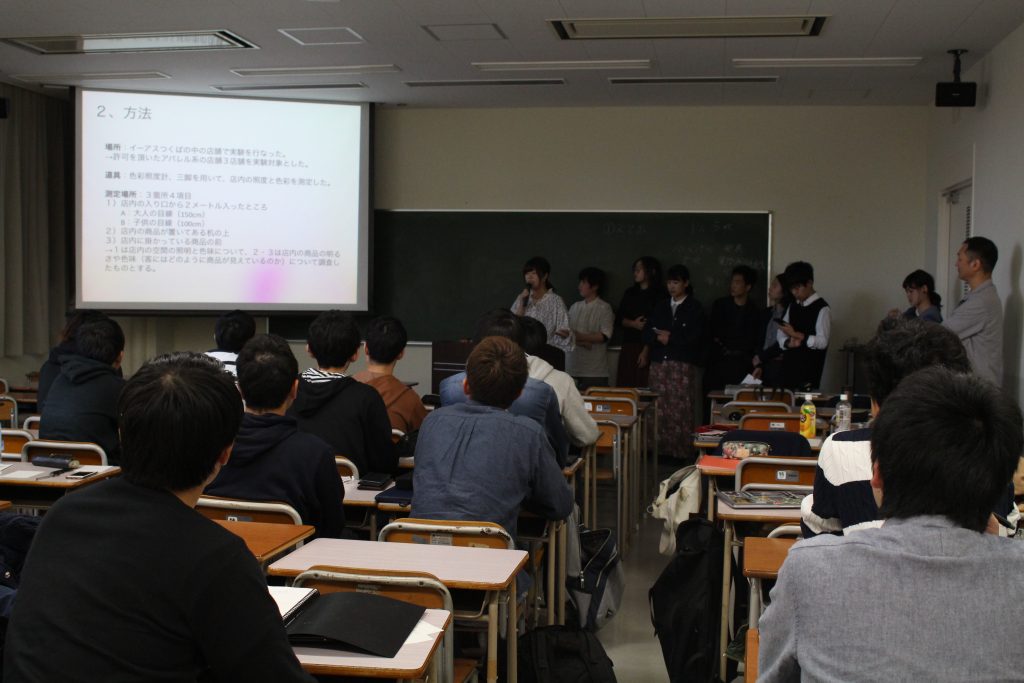
A group of second-year art students presented the results of a survey conducted at a large commercial facility in Tsukuba City.
They requested the survey themselves in advance and received cooperation from three tenants.
He discussed the differences in illuminance and chromaticity depending on the tenant.
A group of 2nd year art students.He gave a presentation on the results of a survey conducted at commercial facilities.
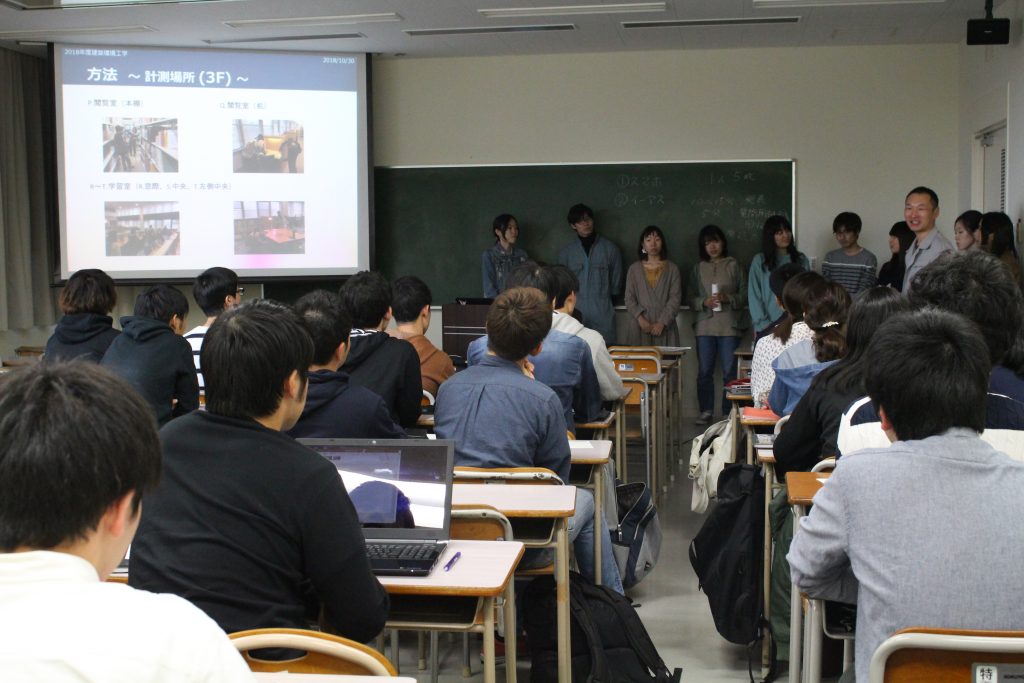
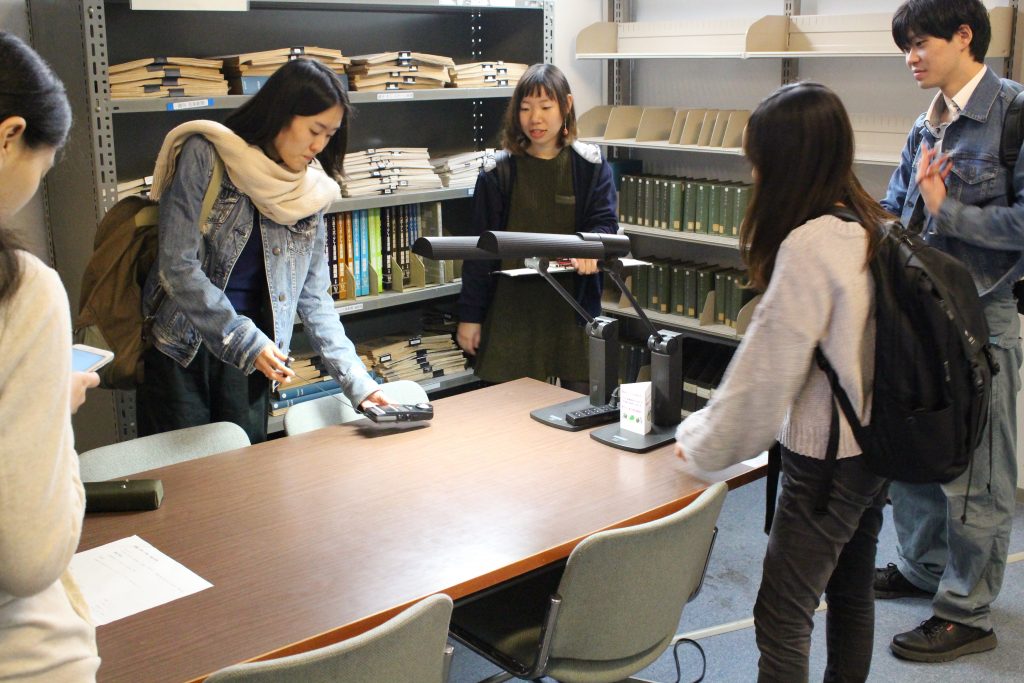
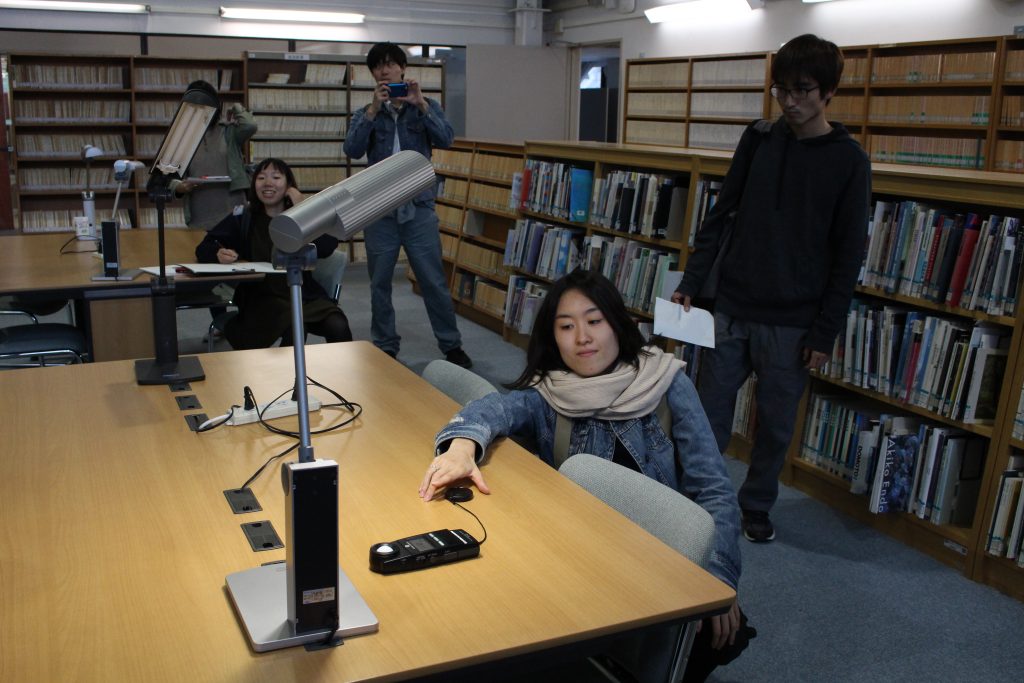
A group of third-year art students presented the results of their research at the University of Tsukuba's Physical Arts Library.
In addition to conducting a lighting survey, they also spoke to library staff and provided them with materials.
A group of 3rd year art students.He discussed the results of measurements taken at various locations in the library, including the relationship with psychological quantities.
The group, which was mainly made up of students from the science and engineering group, seemed to be creative and engaged in the exercises under limited conditions, such as conducting experiments.
On October 10th and 27th, we participated in the 28th Annual Meeting of the Japanese Society of Biometeorology (Kyoto).
The venue is Kyoto Prefectural University Inamori Memorial Hall.
In the morning of the first day, there was a ``Young Presentation Contest''.
Surprisingly, Kurihara-kun, a graduate student in our laboratory, won the "Excellent Presentation Award"!
It is gratifying to see the achievements of our students being recognized.
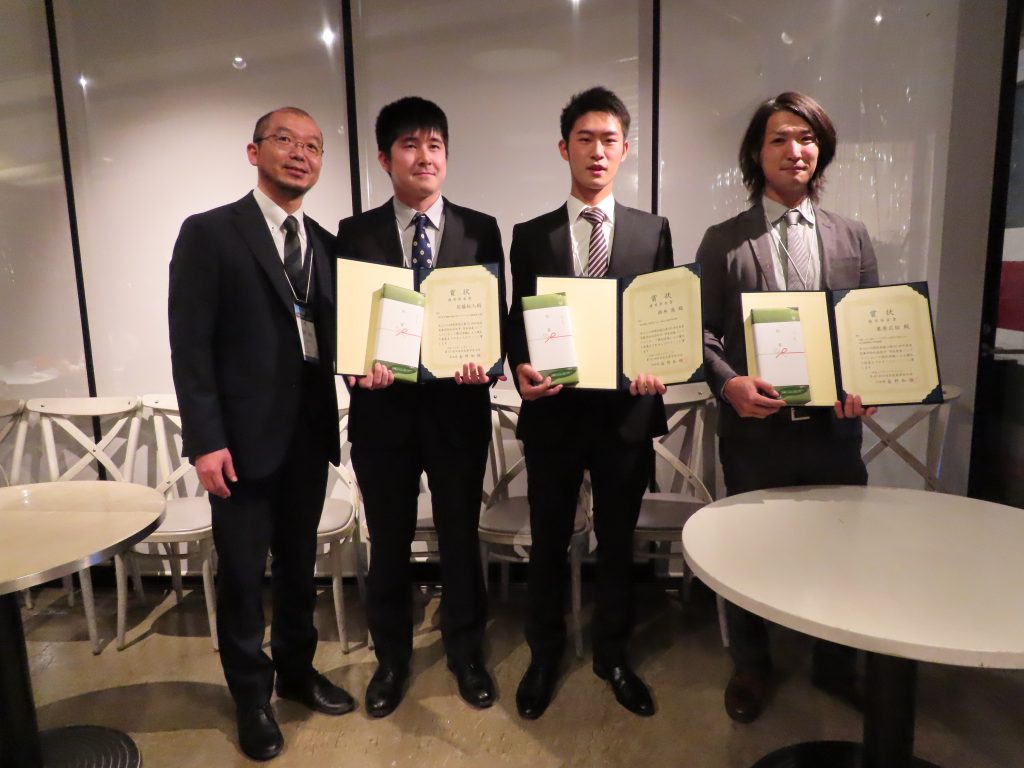
Commemorative photo taken with the chairman, Professor Nagano of Kyoto Prefectural University, and all the award recipients (Kurihara-kun is on the far right).
Kurihara-kun received encouragement and advice from many people.
In order to meet everyone's expectations, the next step is to compile the research results into a peer-reviewed paper.Let's do our best!
There were some familiar faces at the social gathering.
Matsukawa-kun, a laboratory alumnus, came to visit us.
Matsukawa-kun is studying music at Kyoto City University of Arts with the aim of becoming a conductor.
It's also great to meet alumni and alumni who are working hard.
I hope that he will explore the new field of "music x environment/architecture" and be active in the future!keep it up!
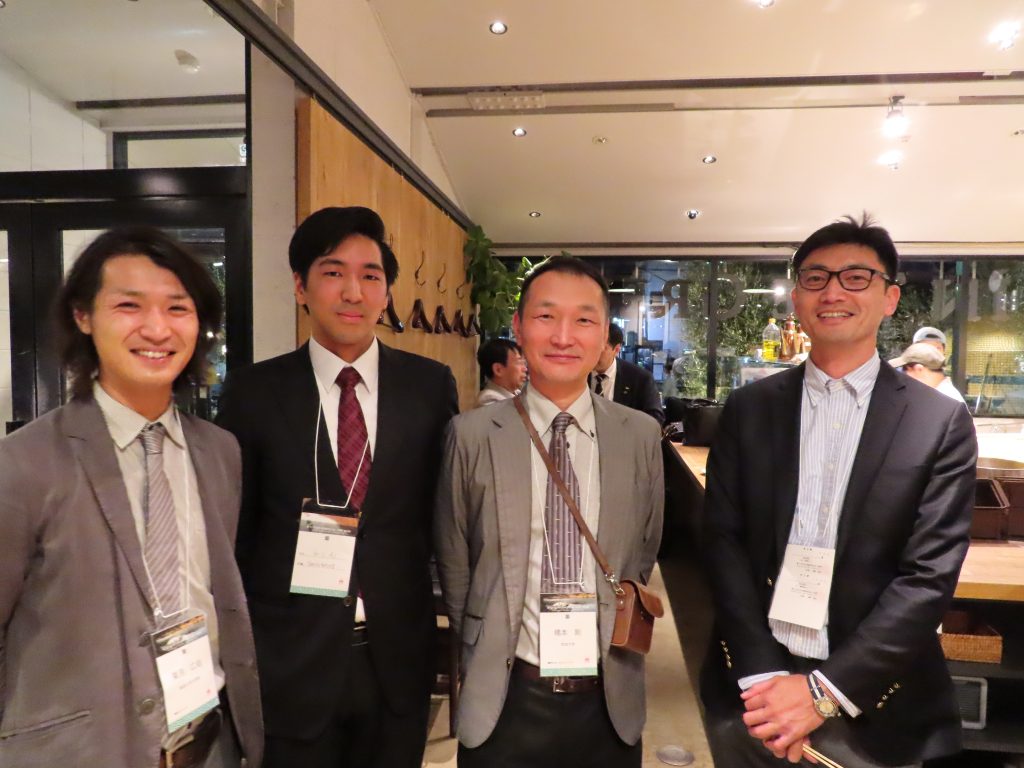
A commemorative photo taken with Matsukawa-kun (second from the left) and everyone in the lab.
Our laboratory's paper was published in "Journal of the Japanese Biometeorological Society, Vol. 55, No. 2".
The title is ``The influence of continuous mansion forests on the formation of village climate during the summer daytime''.
This is a study of the mansion forest of Horashita Village, a series of villages located on the west side of Mt. Tsukuba in the northern part of Tsukuba City, Ibaraki Prefecture.
We are clarifying the effectiveness of the continuous mansion forest in alleviating the summer heat environment.
We have empirically demonstrated that Yashiki-mori reduces daytime temperatures in summer.
This effect contributes to energy savings even in modern lifestyles where air conditioning is used to keep people cool.
In this way, by studying the thermal environment methods of traditional private houses and villages, we can gain insight into modern architectural and urban design methods that are in harmony with the natural environment.
Living in traditional houses and villages includes not only simple "energy saving" methods, but also hints and specifics for reconsidering the richness of environmental experience that modern living is losing, and the way we interact with the natural environment. We believe that we have accumulated a wealth of knowledge.
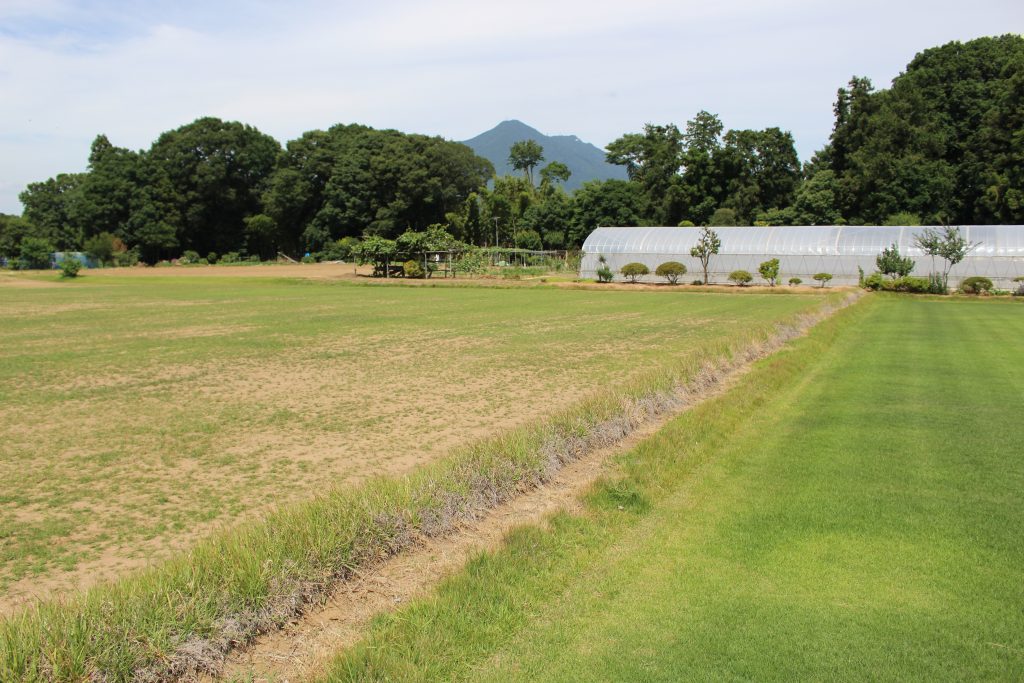
A village is hidden on the other side of a forest of consecutive mansions.Mount Tsukuba can be seen in the distance.Tsukuba City is also famous for its turf production.
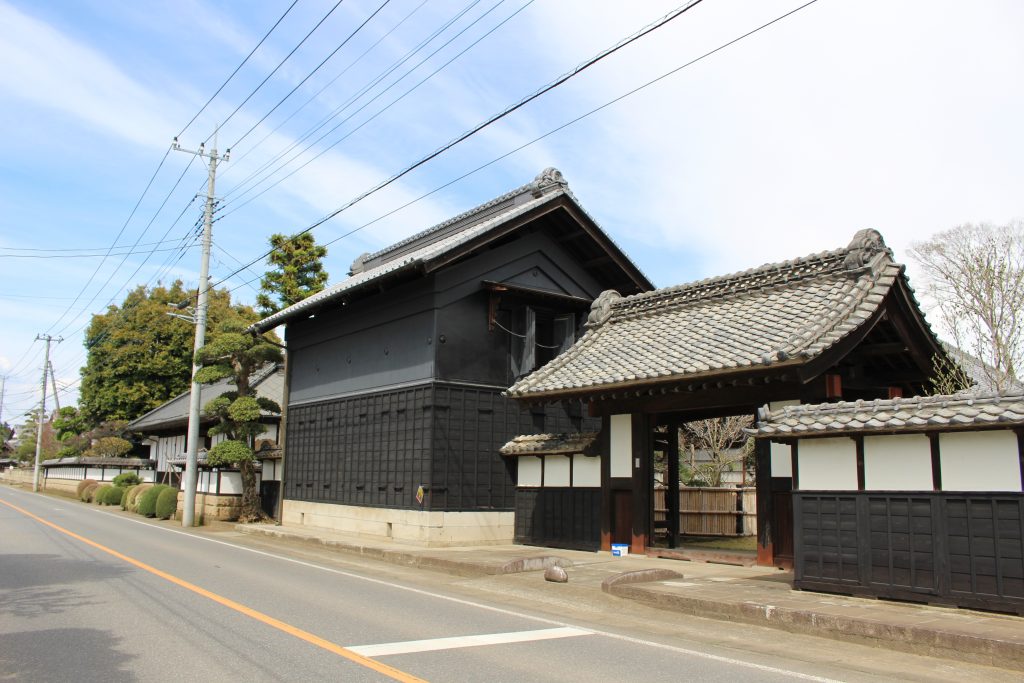
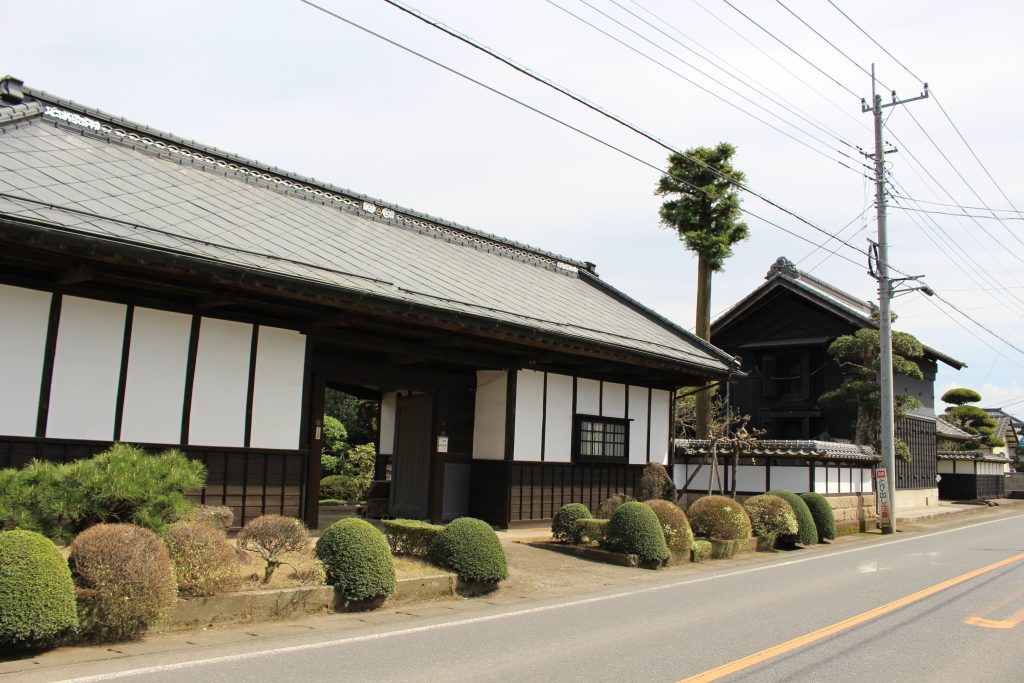
There are many traditional buildings within the village.This is a magnificent Nagayamon gate.
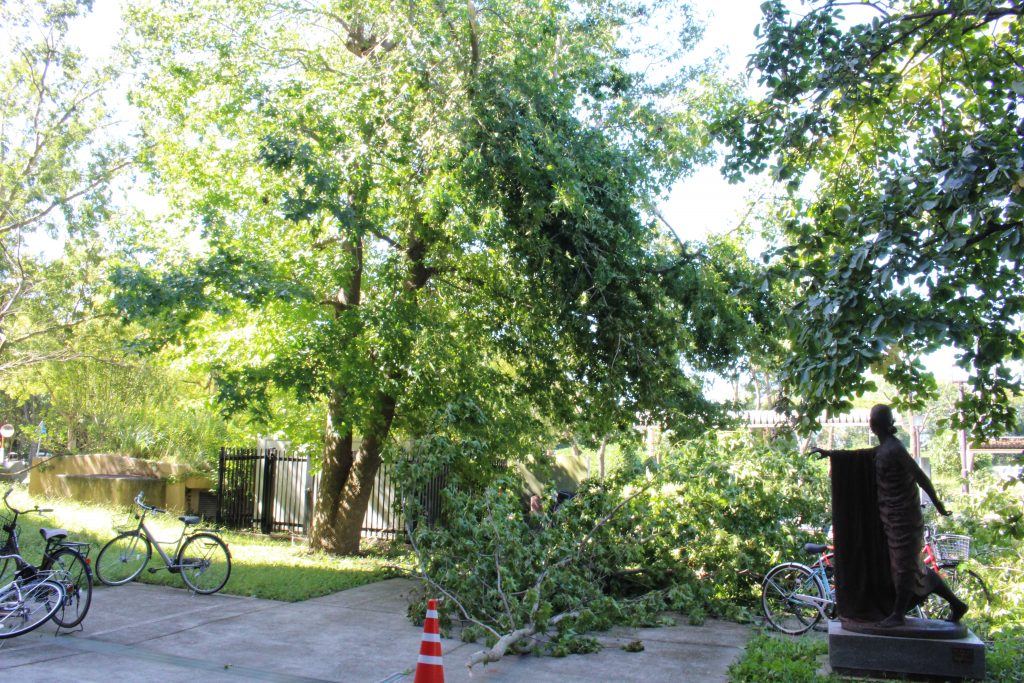
Last night, strong winds from Typhoon No. 24 blew in Ibaraki as well.
When I arrived at the University of Tsukuba more than 10 years ago, strong typhoons rarely hit Tsukuba City, but recently it seems like we are being hit by strong typhoons almost every year.
Is it the effects of climate change and global warming?
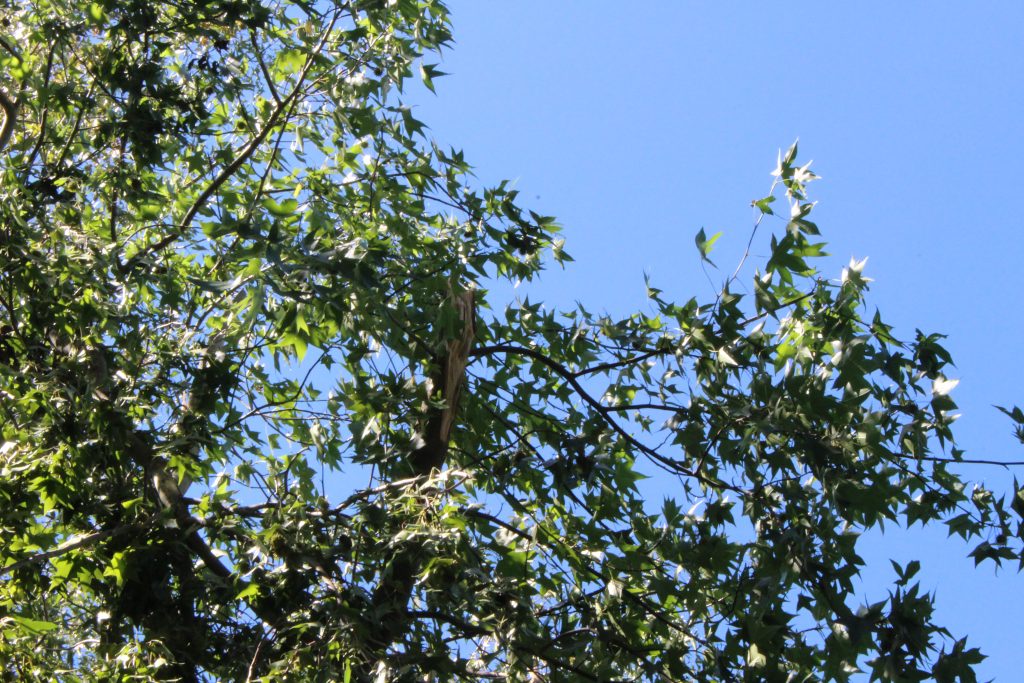
The branches of the tree in front of the building where the laboratory is located were completely broken.
One of the reasons why the Yashiki-mori is cut down is that ``branches (trees) started to break during strong winds.We cut down the Yashiki-mori because we didn't want the broken branches (trees) to cause trouble to the neighbors.'' I will listen to the story.
There is a large tree branch in front of the entrance.
Can you see that the branches are completely broken?
We have adjusted the seminar schedule for the fall semester.
At the University of Tsukuba, the curriculum is organized into two semesters: spring and fall semesters.
This fall semester, a seminar will be held focusing on the graduation research of Ms. Ito, a fourth-year student.
At the University of Tsukuba College of Art, Department of Design, students work on both a graduation thesis and a graduation project.
Recently, it seems that more and more architecture universities are focusing on either the graduation thesis or the graduation program, but it is still important to tackle both theory (research) and practice (design) as a culmination. think.It's hard though.
Ms. Ito is currently pursuing her graduation thesis and graduation program in the Sukomo village on Kakeroma Island in Kagoshima Prefecture.
Mr. Ito is currently researching the traditional hedge landscape of Sukomo Village.
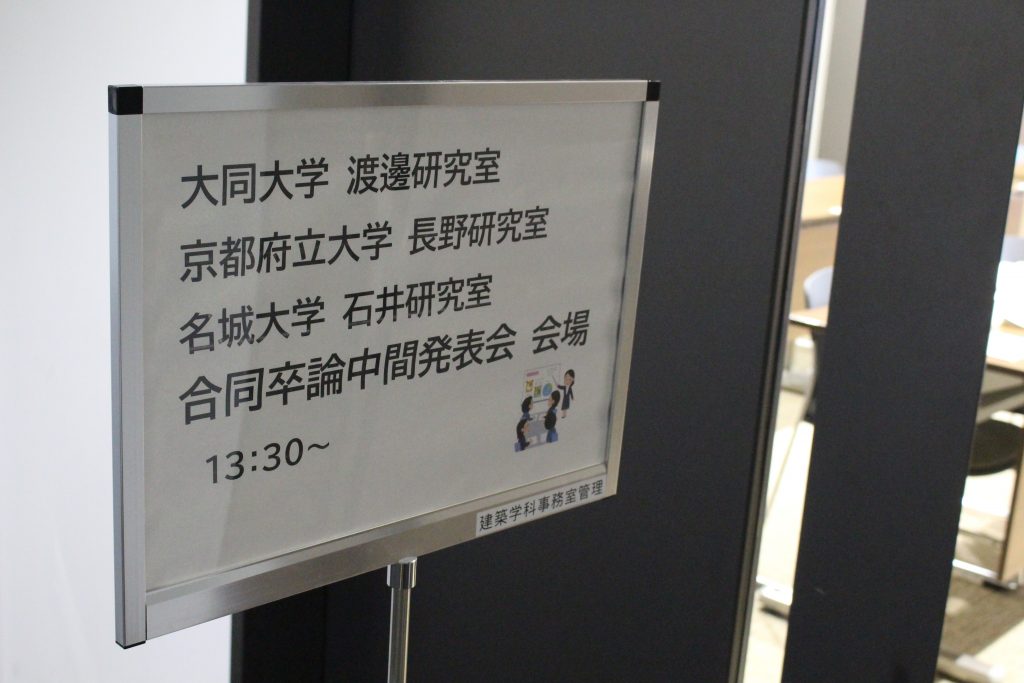
On Saturday, I attended the ``Joint Interim Graduation Thesis Presentation by Daido University's Watanabe Laboratory, Kyoto Prefectural University's Nagano Laboratory, and Meijo University's Ishii Laboratory'' held at Meijo University.
Some students are already conducting research and analysis, while others are planning to conduct experiments.
Professor Watanabe, Professor Nagano, and Professor Ishii are all from the Horikoshi Laboratory at Nagoya Institute of Technology and are similar in age to me, so the activities of each laboratory are stimulating.
Professor Horikoshi also attended the presentation.Professor Horikoshi is currently the president of Aichi Sangyo University.
On Sunday, there was a board meeting of the Society for Human and Living Environment Studies in Osaka.
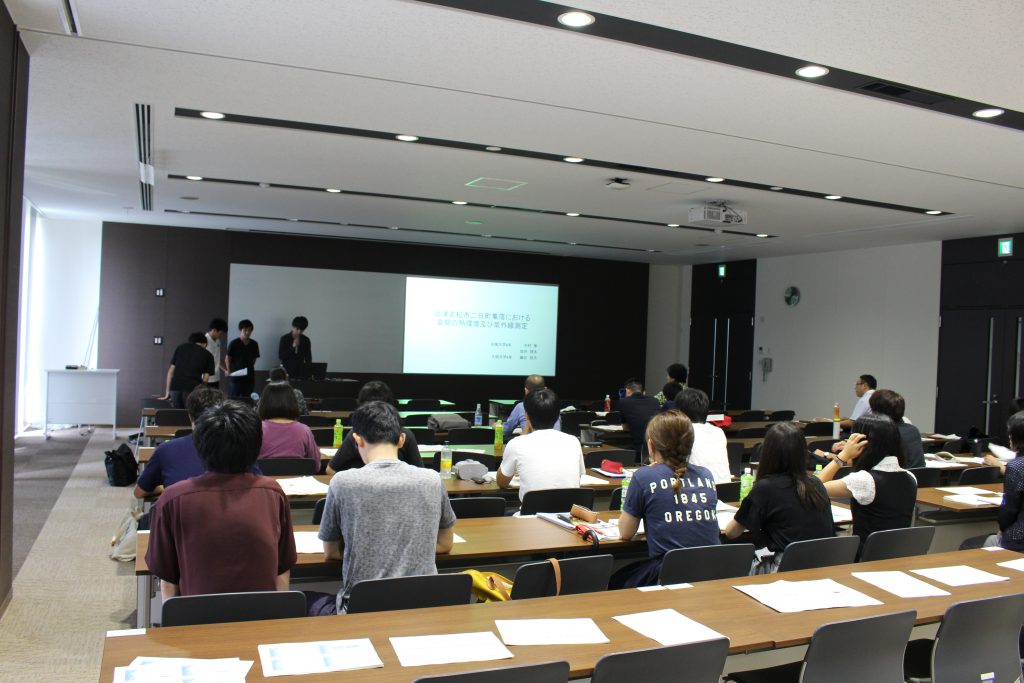
Venue for joint midterm graduation thesis presentation.There was also an interim presentation of the results of a survey conducted in Futsukamachi Village, Aizuwakamatsu City.
The 2018 Architectural Institute of Japan Conference is being held at Tohoku University for three days from today, and everyone in our laboratory is participating.
Today, the first day, Hashimoto made a presentation.This is a report on the winter survey of the Itakura Experimental Building.
Tomorrow, graduate student Kurihara-kun will give a presentation, and the day after tomorrow, graduate student Ima-kun will give a presentation.
Itakura Experimental Building at dawn.We verified the effect of insulation.