This survey was conducted by three people: Professor Ishii from Meijo University, Professor Kurihara from Kumamoto Prefectural University, and myself.
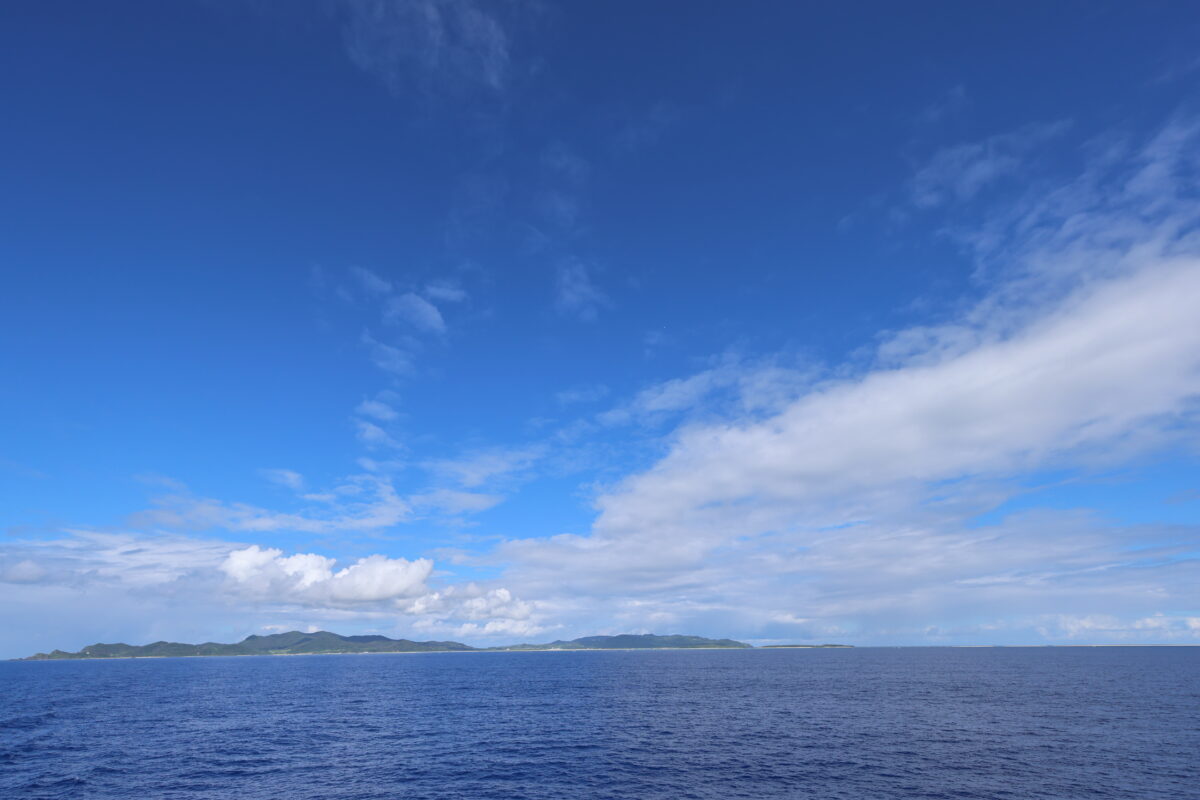
Actually, it's been a while since I last went to Okinawa Prefecture; this is only my second time.
This is my first time going to one of Okinawa's remote islands.
I've been to Amami Oshima and the surrounding islands many times.
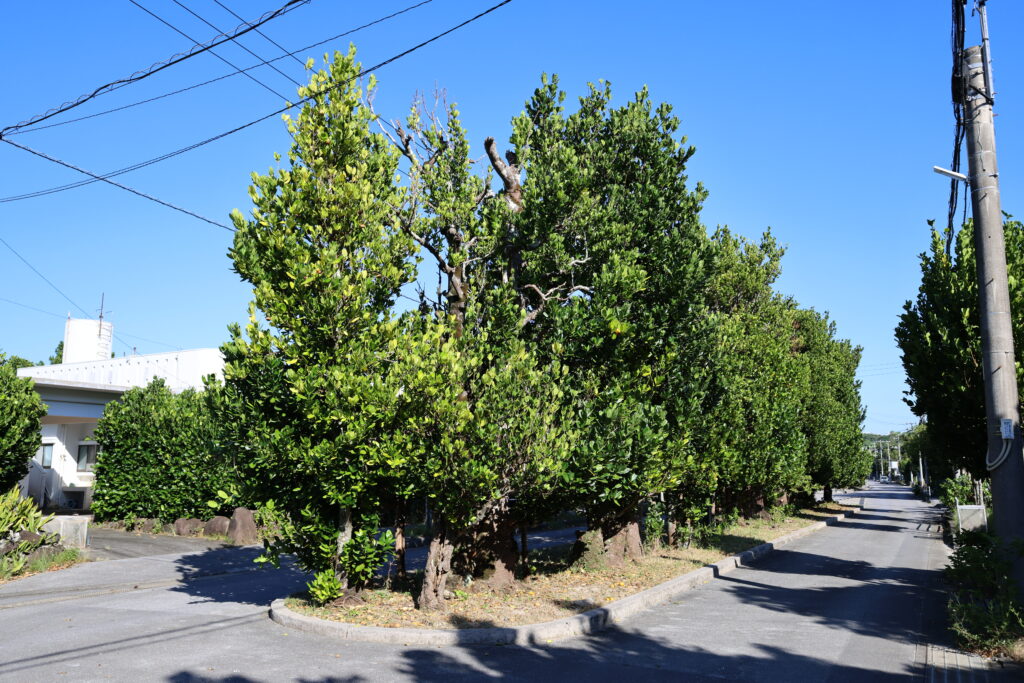
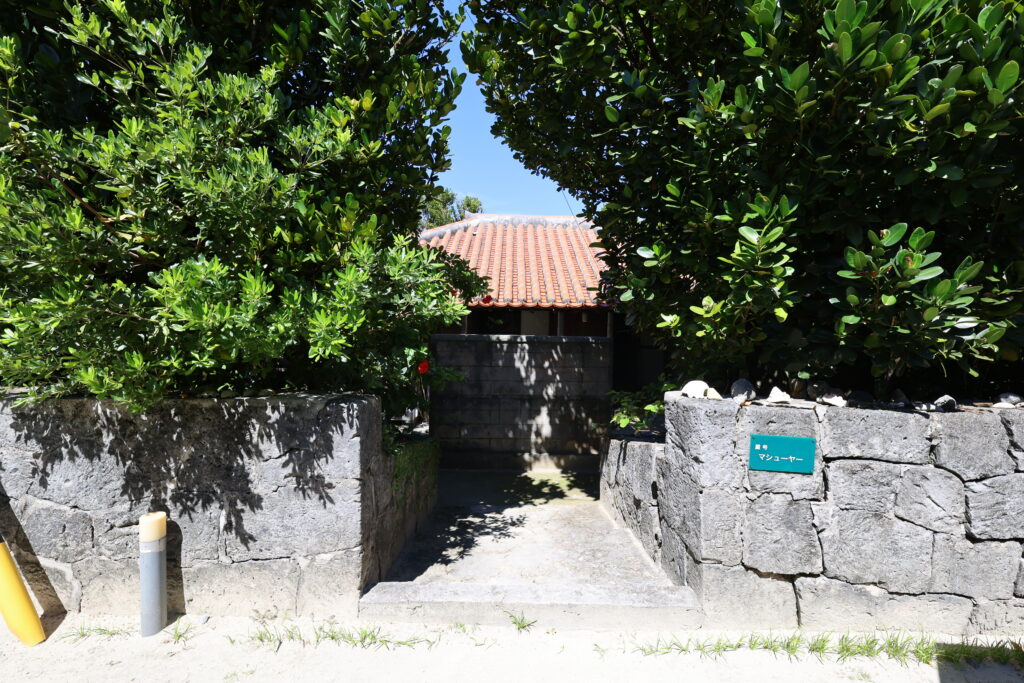
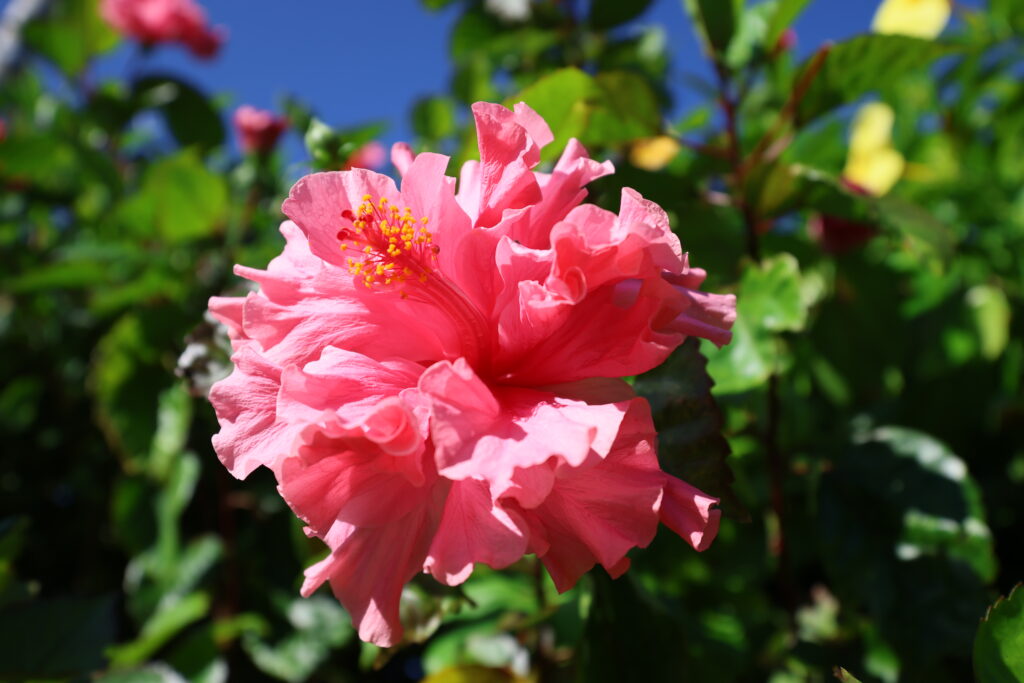
Chura Fukugi tree on Kumejima Island.Red-tiled houses, Fukugi trees, and stone walls on Tonaki Island.The flowers blooming in the garden create a tropical atmosphere.
The temperature was around 30℃... not quite 35℃, but it was still incredibly hot.
Could the difference in the sun's altitude be a factor?
Before the Obon holiday, I went to Tokushima Prefecture, and after the holiday, I went to Ehime Prefecture.
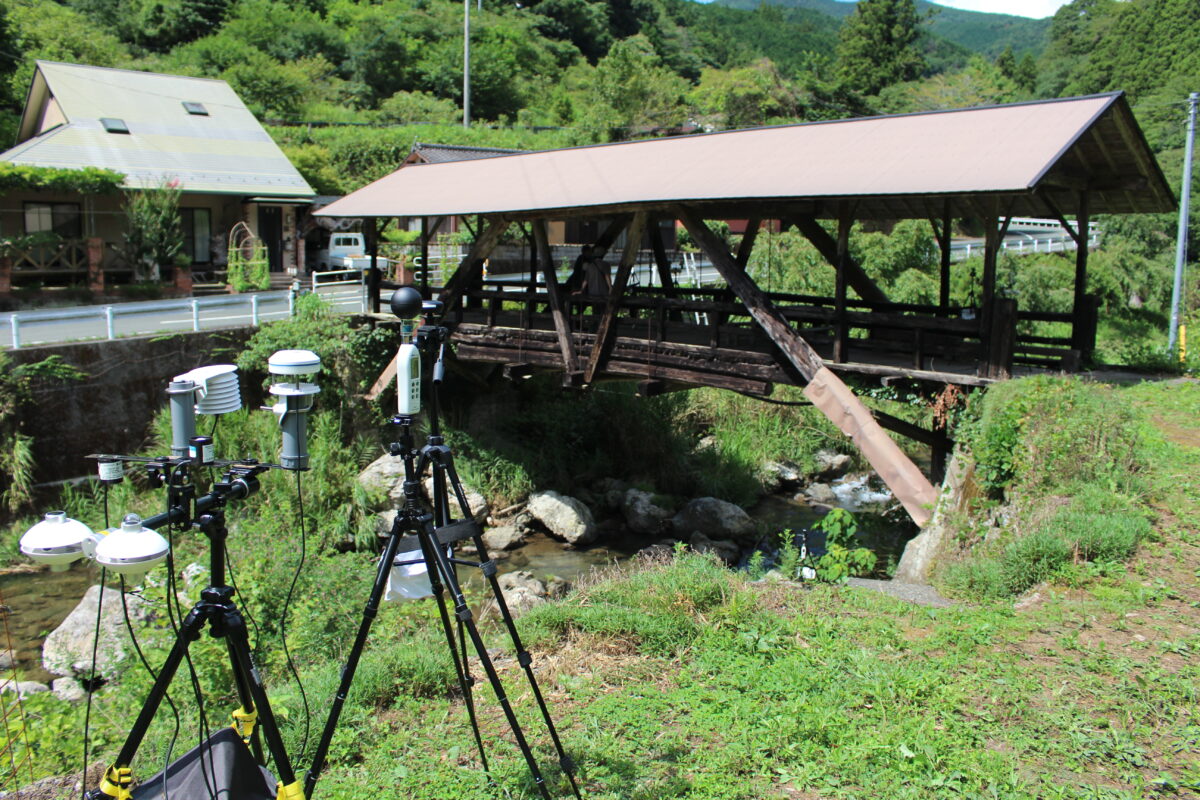
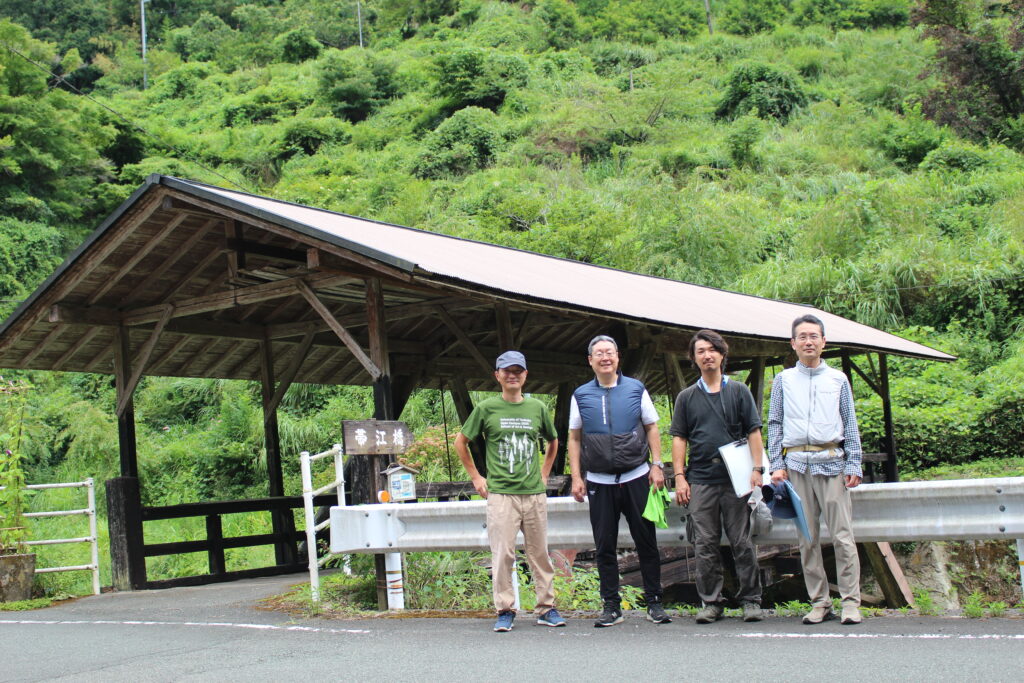
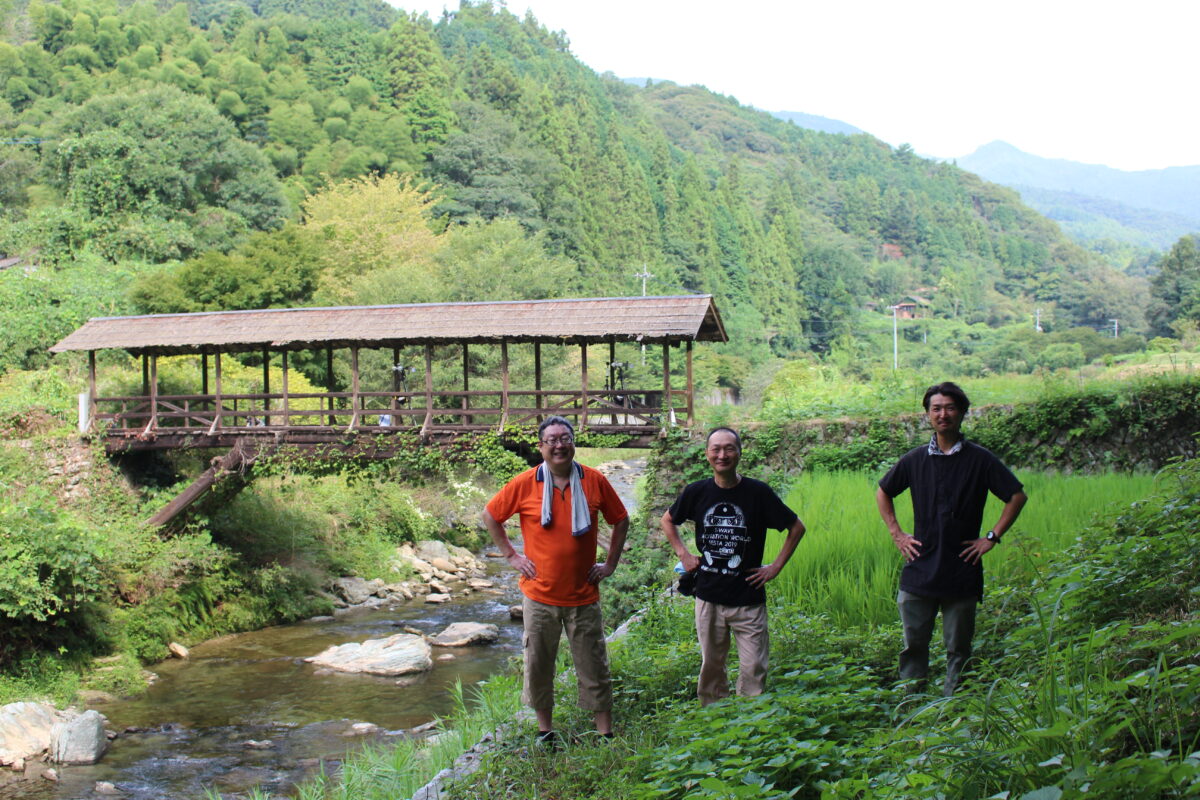
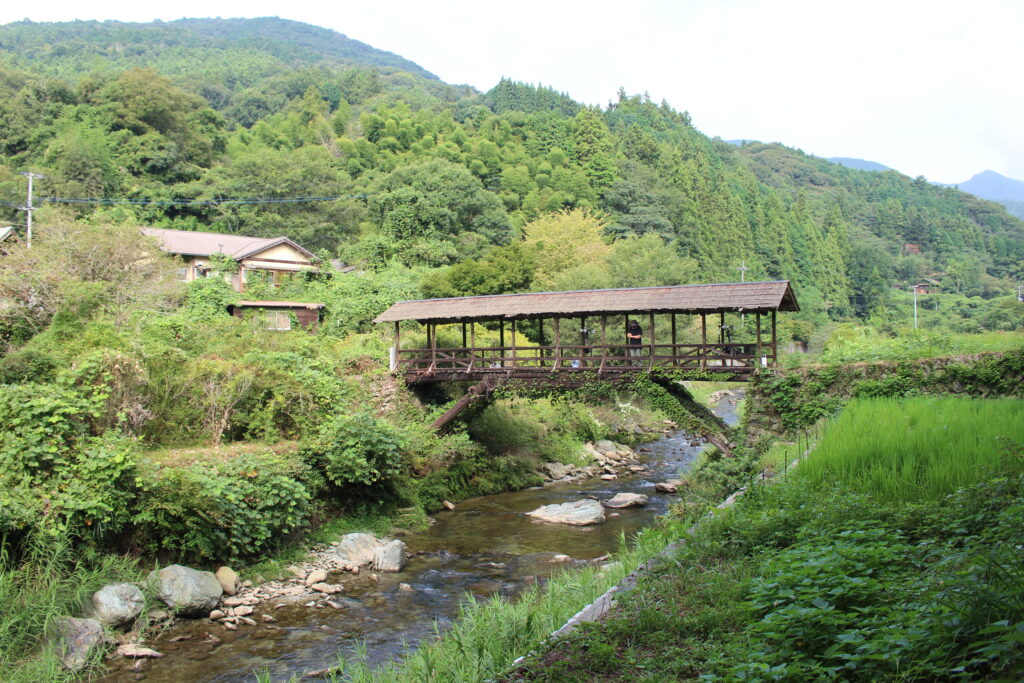
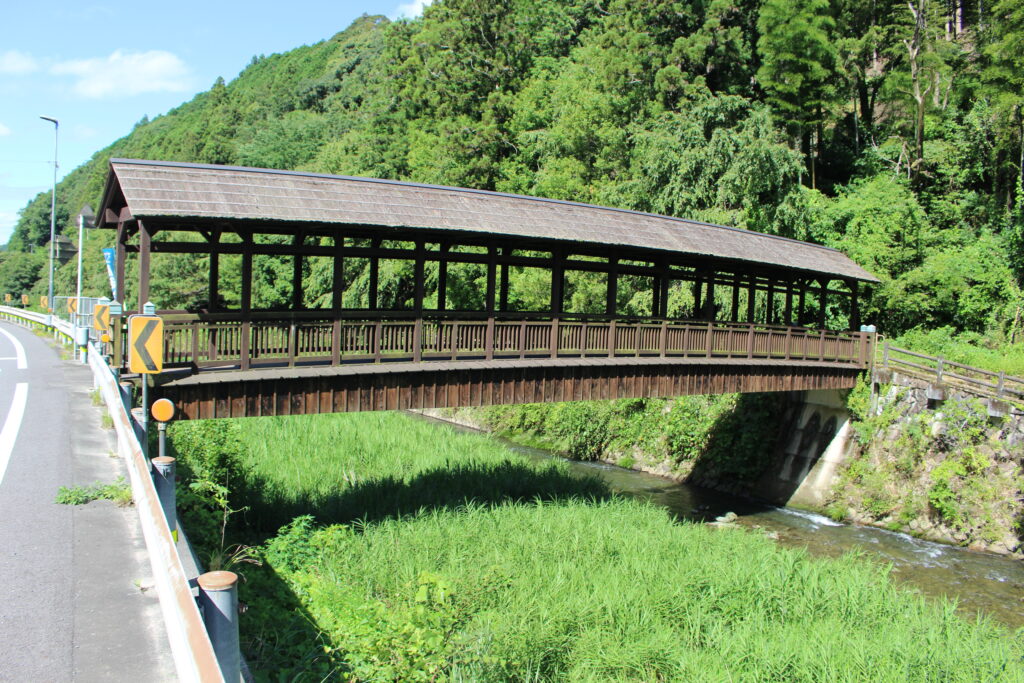
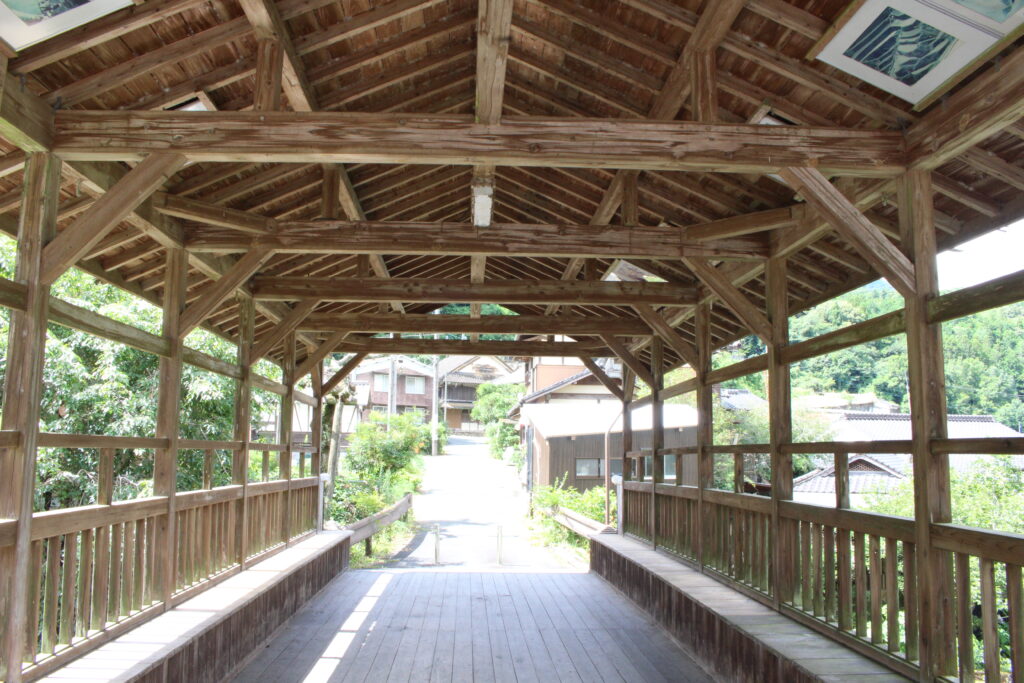
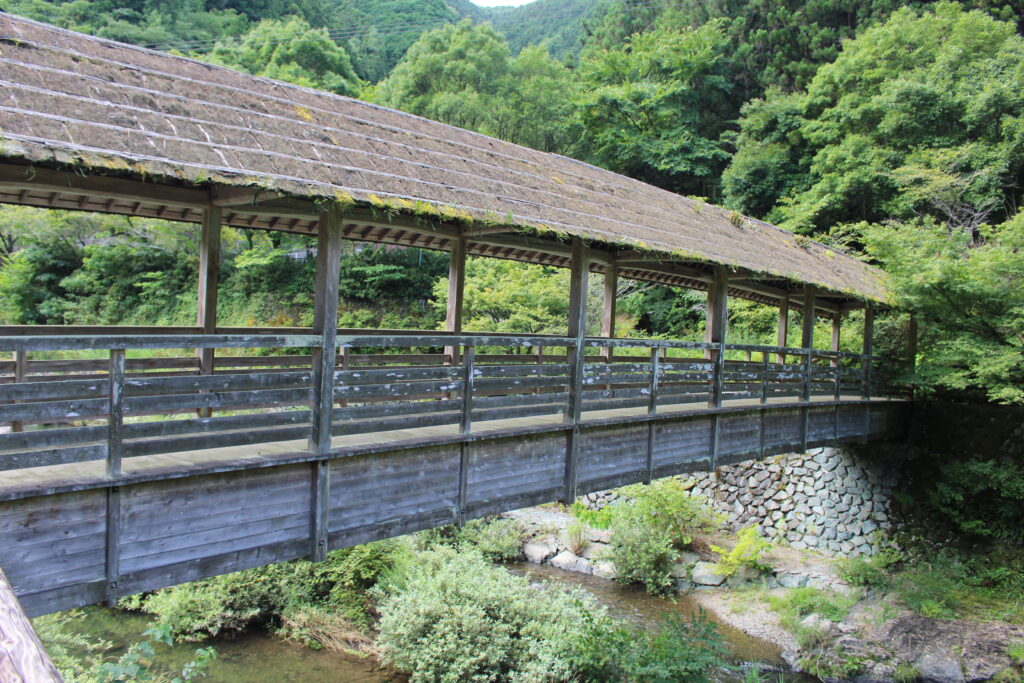
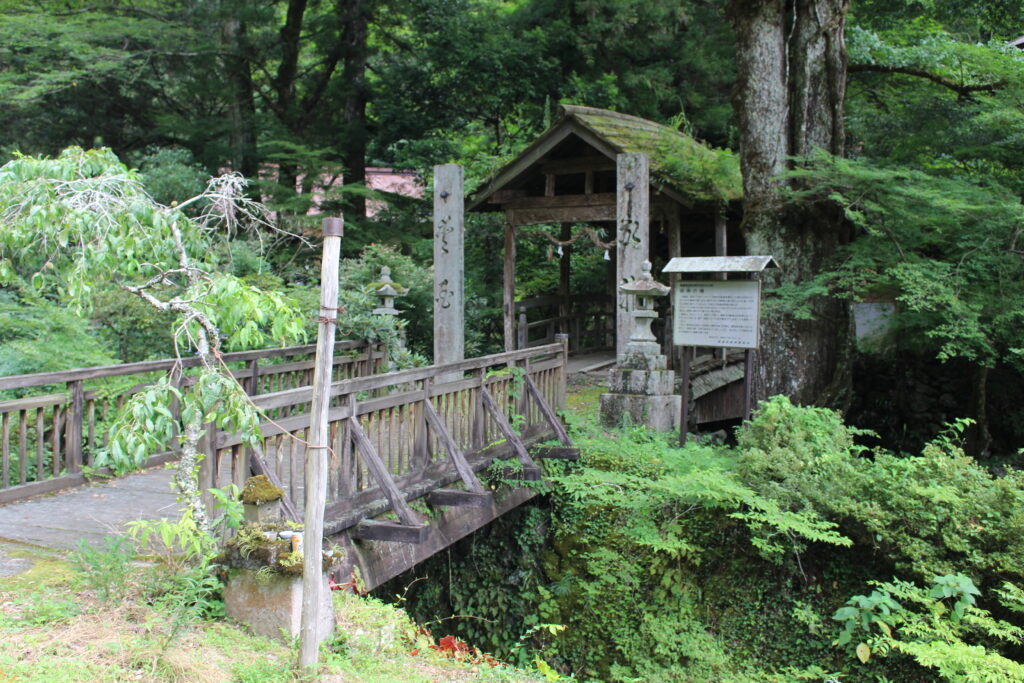
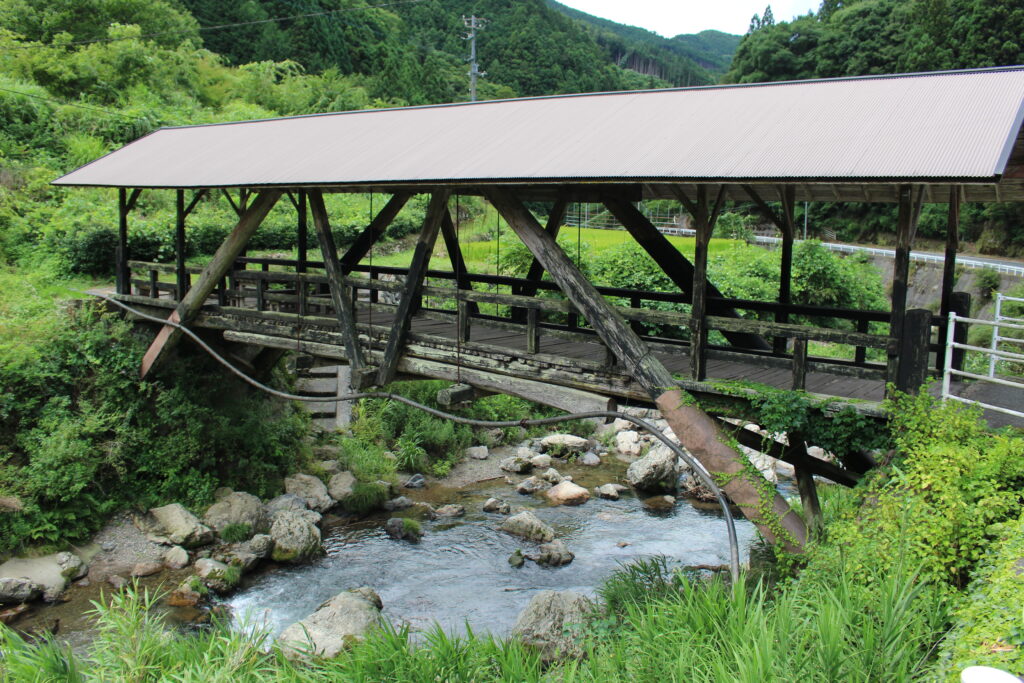
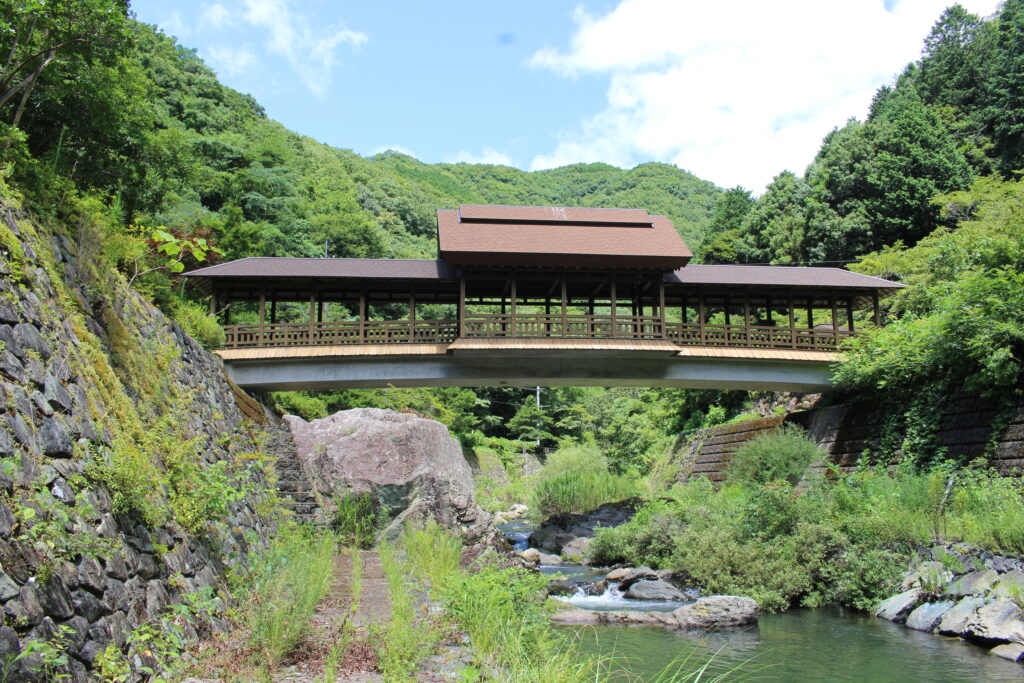
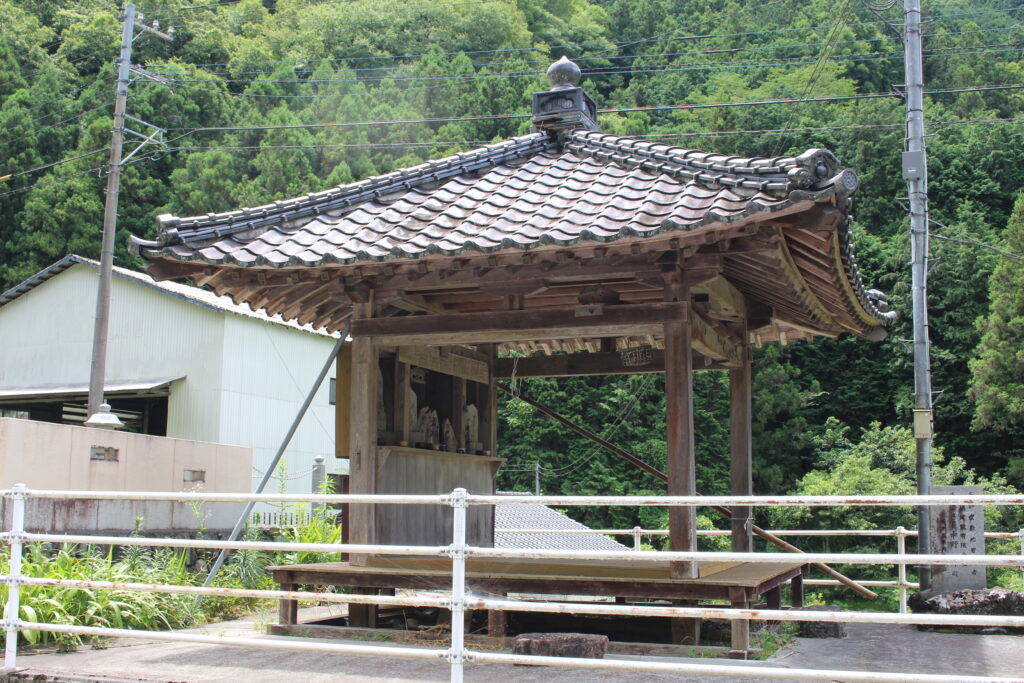
The main focus of this trip is the investigation at a covered bridge in Ozu City.
In a joint survey with President Watanabe of Daido University, Professor Kobayashi of Yasuda Women's University, and Professor Kurihara of Kumamoto Prefectural University, we conducted on-site measurements of the thermal and ultraviolet environments.
The weather is fairly good.
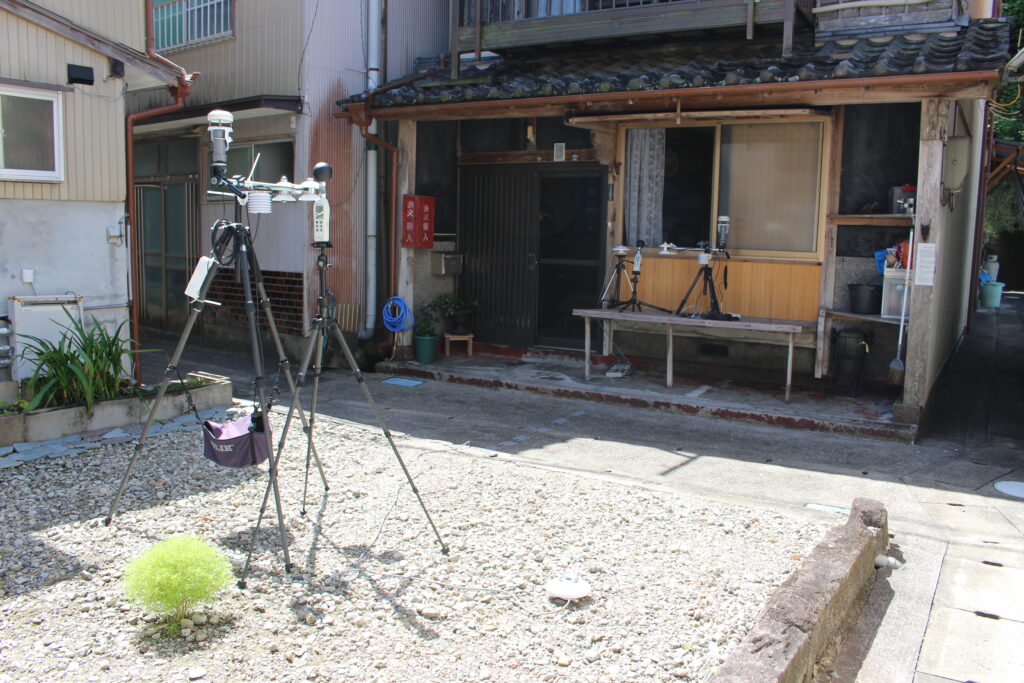
Thanks to the kind cooperation of the residents, the survey proceeded smoothly. We are very grateful.
The breeze blowing across the bridge felt wonderful.
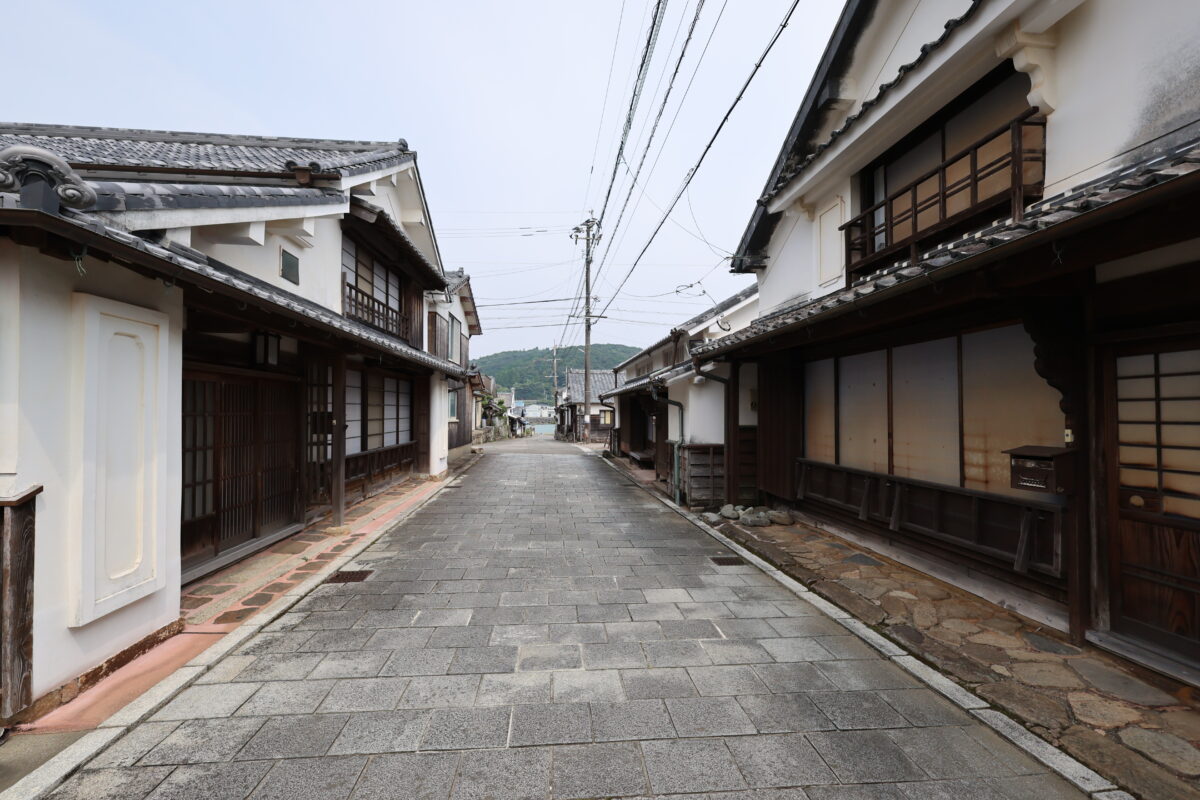
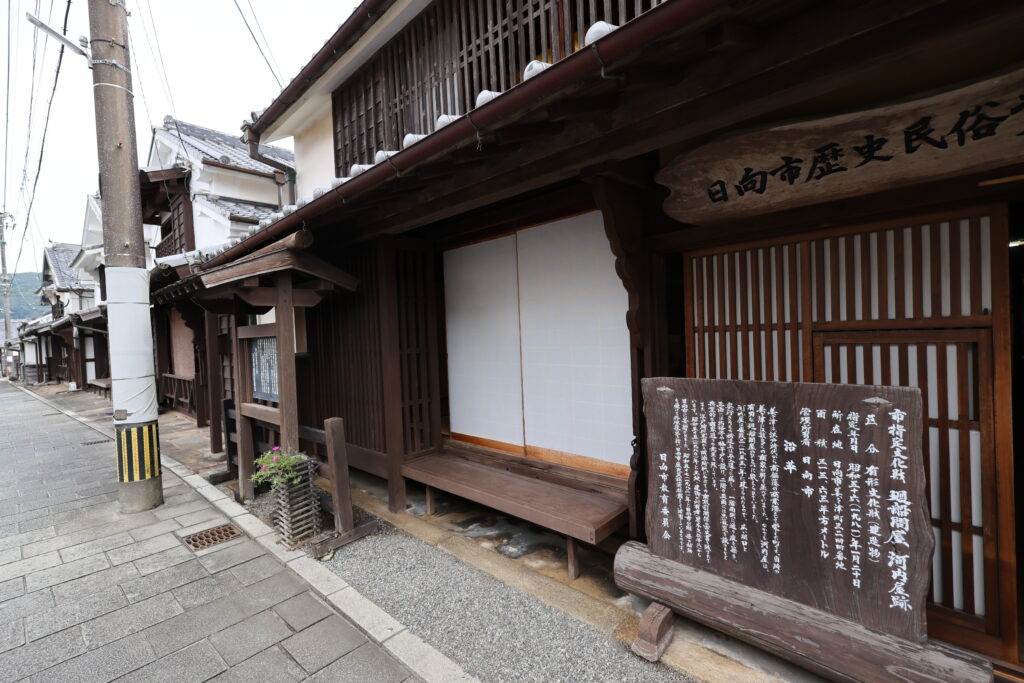
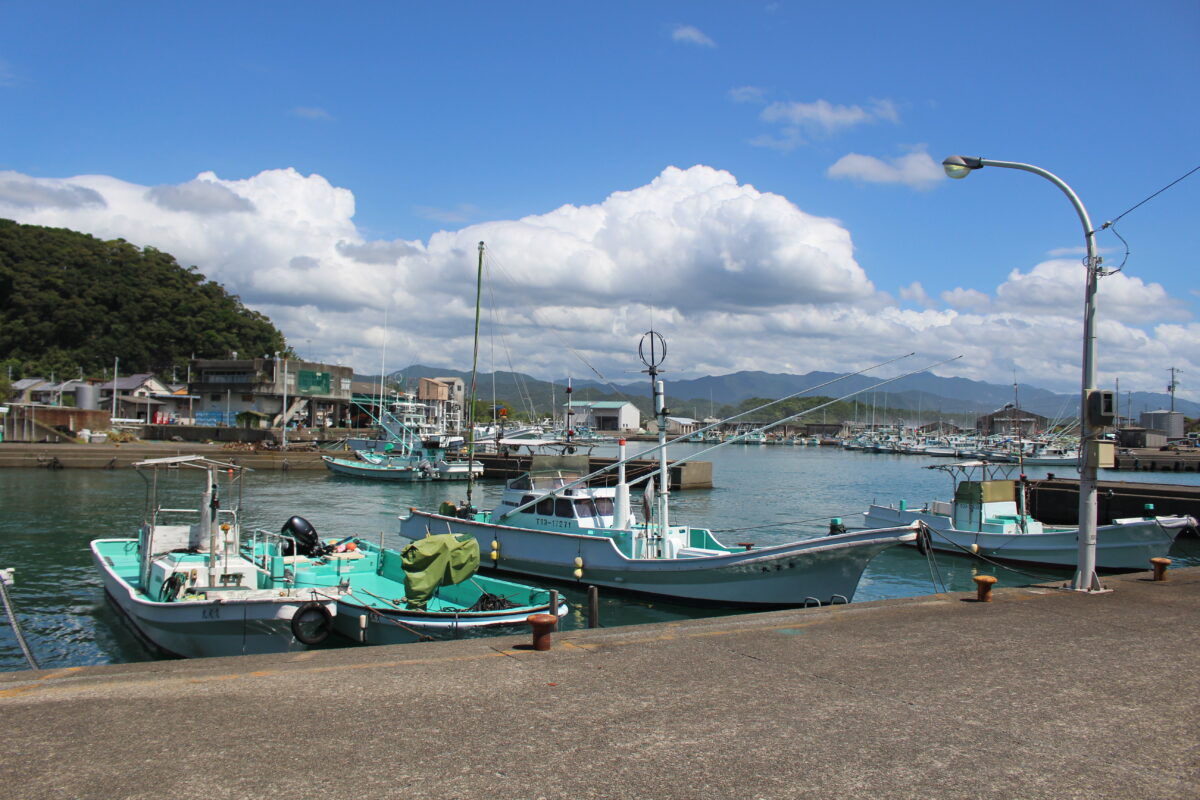
I conducted research in Tomoura, Tokushima Prefecture.
This time, it was a joint survey with the Ishii Laboratory at Meijo University, the Kurihara Laboratory at Kumamoto Prefectural University, and the Sugano Laboratory at the University of Tsukuba.
We've been caught in the rain, but our research can't be controlled by the weather. There's nothing we can do but accept it.
Oh, it's not like we couldn't investigate anything at all.
In the summer of my 54th year, in Tomoura, I thought to myself, "There are so many things that don't go well, and so many things I don't know what to do, but maybe there are still new things I can do."
At the end of last year and last weekend, I went to Shikoku to research tea houses.
In December 2025, I will be traveling to Ehime Prefecture with Professor Kobayashi from Yasuda Women's University.
In January 2026, I went to Kochi Prefecture with Professor Kurihara from Kumamoto Prefectural University.
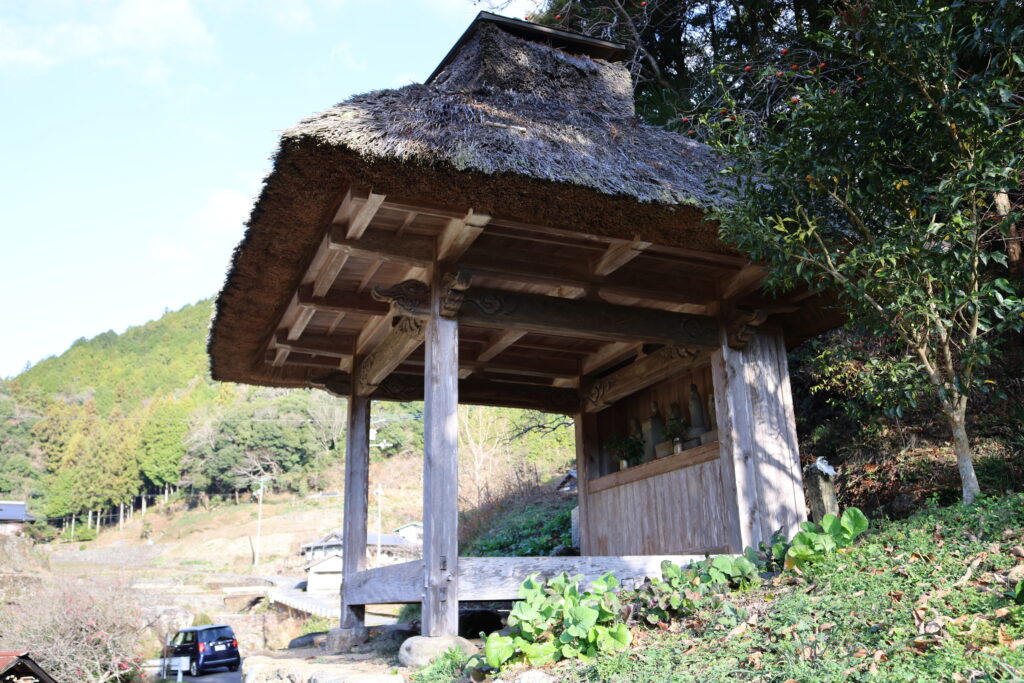
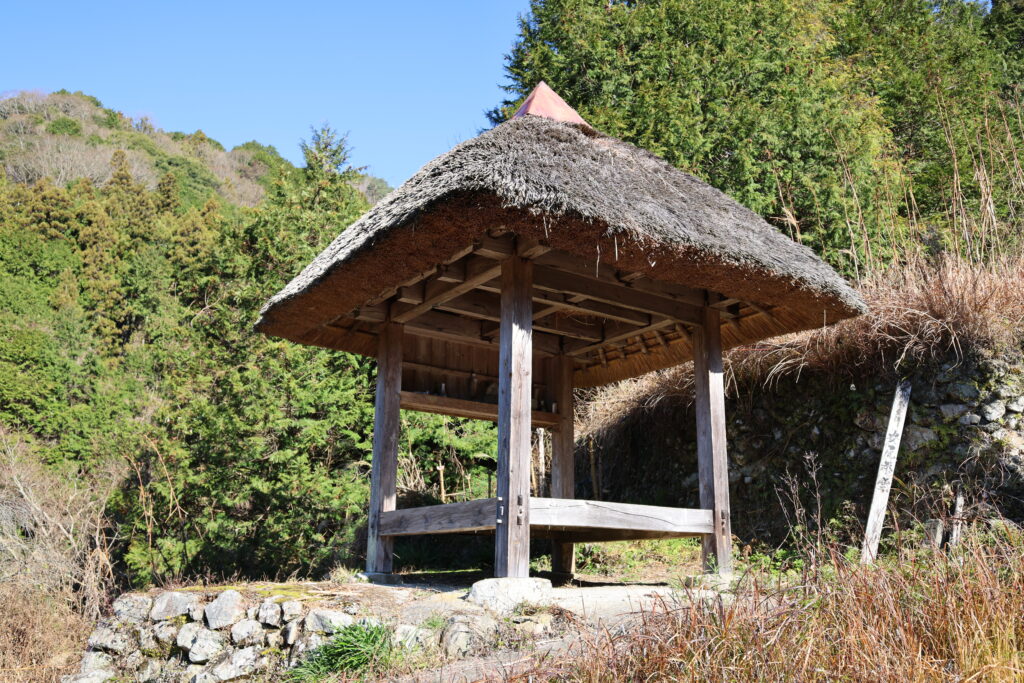
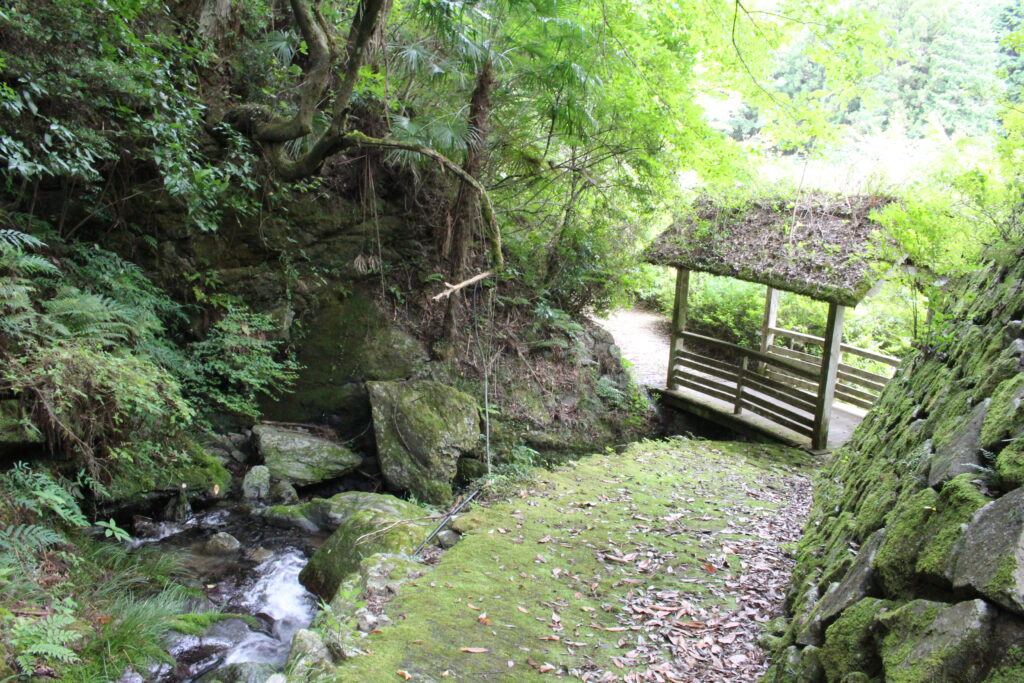
First up is Ehime Prefecture. I wandered around looking for tea houses, mainly in Seiyo City.
Although there was existing documentation, it was difficult to find data on old addresses from before the merger of municipalities, and to match the old roads with the current roads.
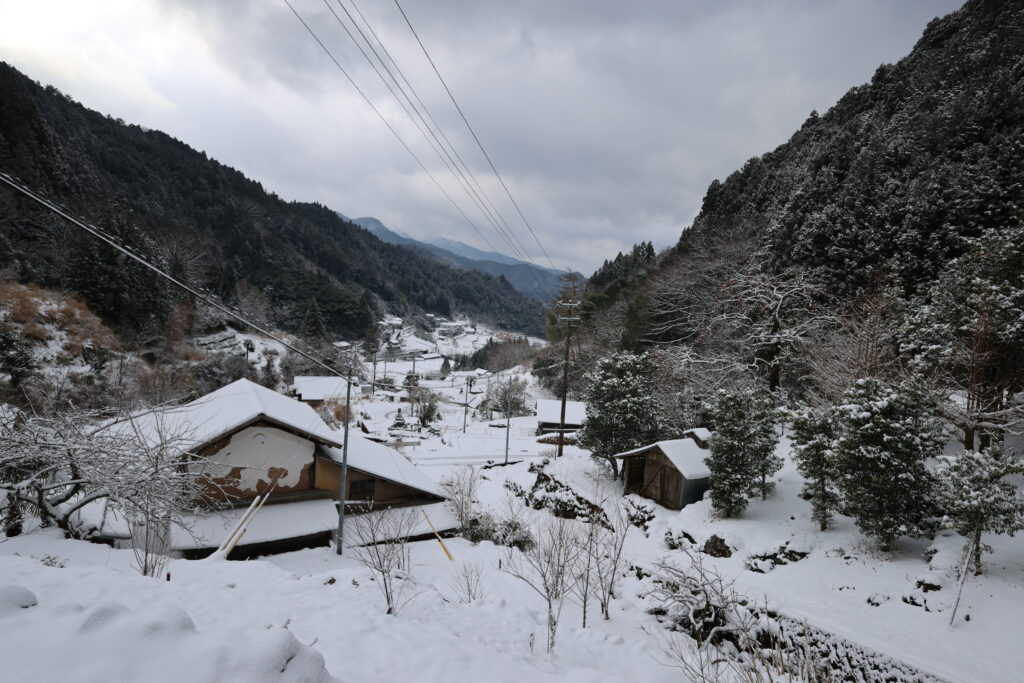
Shikoku has a rather tropical image, but the mountains are cold and there is still snow here and there.
However, there are still a considerable number of tea halls remaining, and we were unable to see them all.
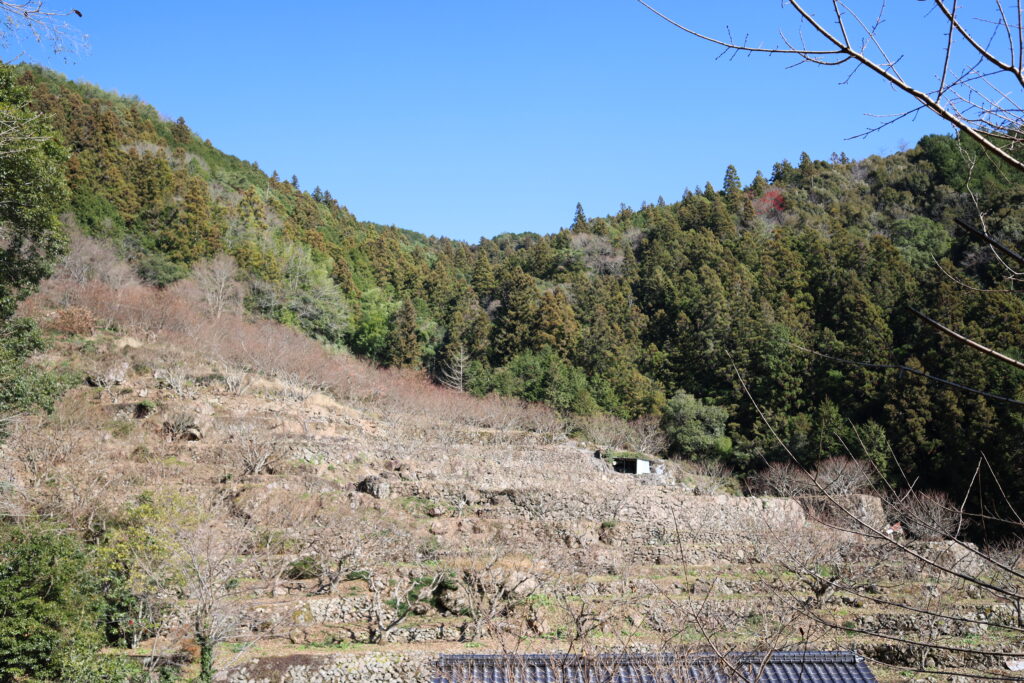
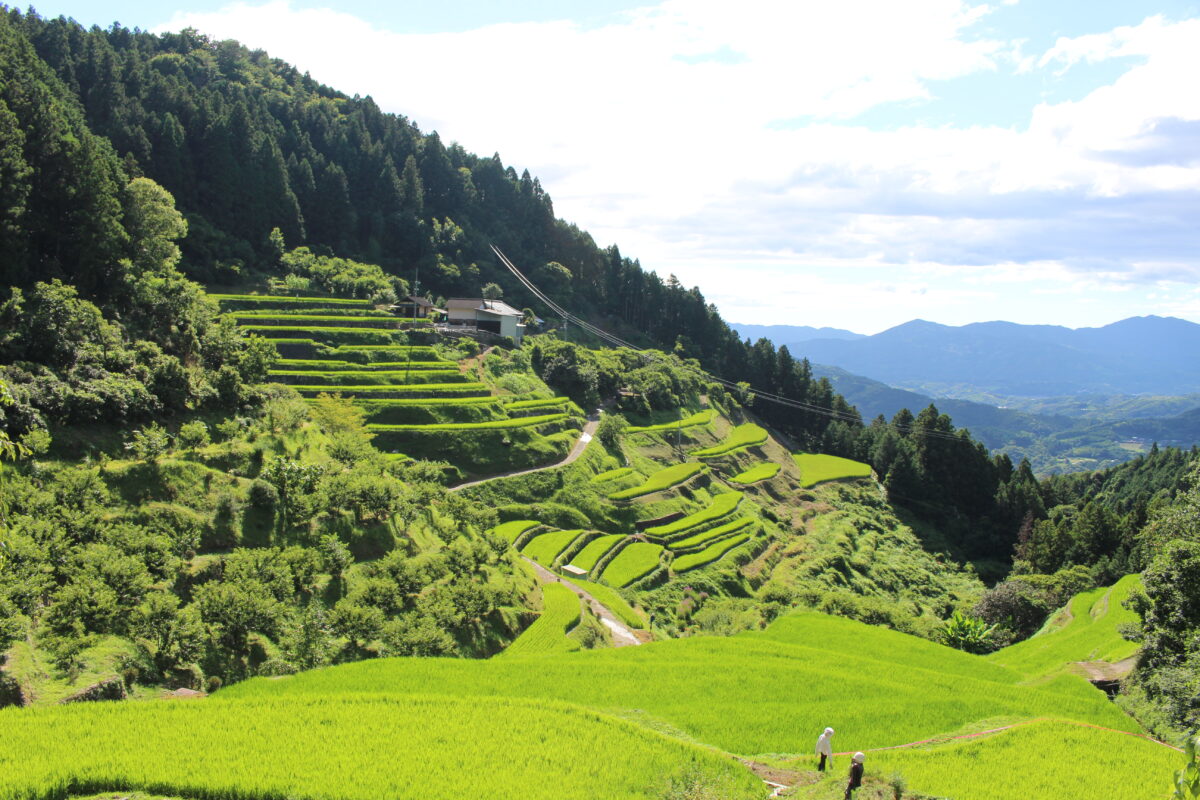
Also, the stone walls formed on the slopes are amazing. At first glance, the terraced fields appear narrow, but local residents told me that construction work was carried out during the Hatsuna period, making them wider and gentler than they used to be. If you look closely, you can see the extremely narrow and steep stone walls of the old days, which were left behind by abandoned farmland.
I would definitely like to visit again.
And Kochi Prefecture.
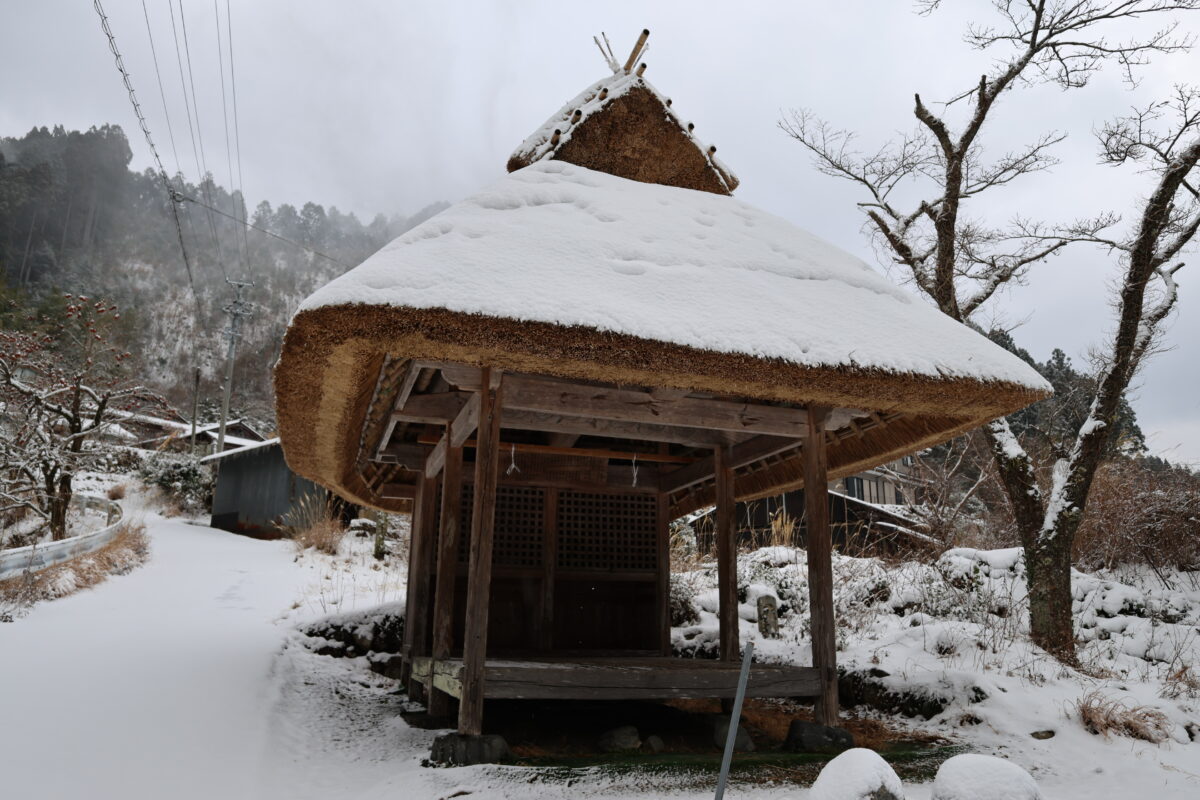
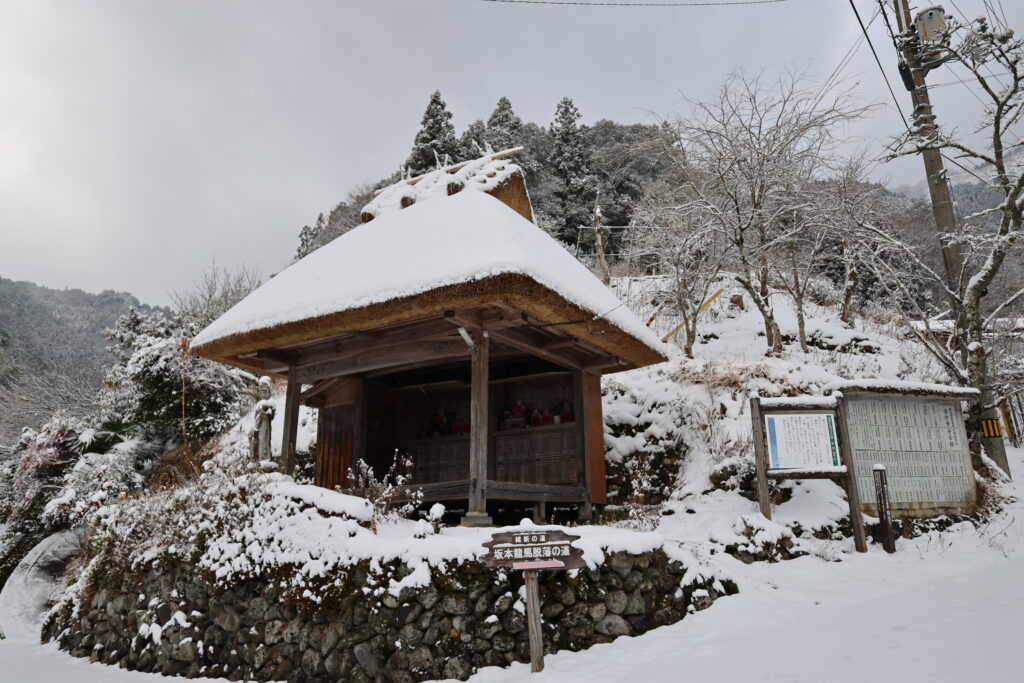
The coldest wave of cold hit us. And it was snowing... and piling up. Am I in Shikoku? Or maybe I'm in Tohoku by mistake? In this kind of scenery, we quietly investigated the tea house.
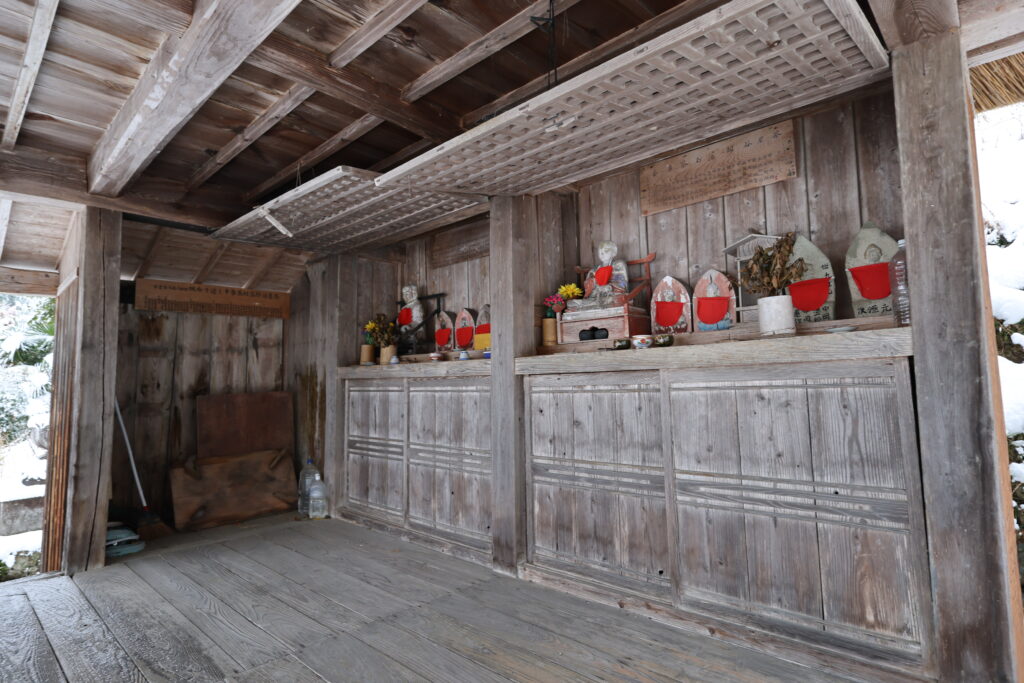
The tea hall was a place for villagers to gather and to welcome travelers. I thought that tea halls are especially necessary in modern times. A place for neighbors to gather and talk, for visitors to interact and socialize... I wonder if people today have the time and the heart to do so.
This time, the survey was conducted jointly with President Watanabe of Daido University and Lecturer Kurihara of Kumamoto Prefectural University.
In the second half, Professor Kobayashi from Yasuda Women's University joined the session, replacing Lecturer Kurihara.
We conducted a field survey of the thermal and ultraviolet environment at Tamaru Bridge, a covered bridge in Uchiko Town.
Luckily it didn't rain, but it was cloudy.
Humans cannot beat the weather.
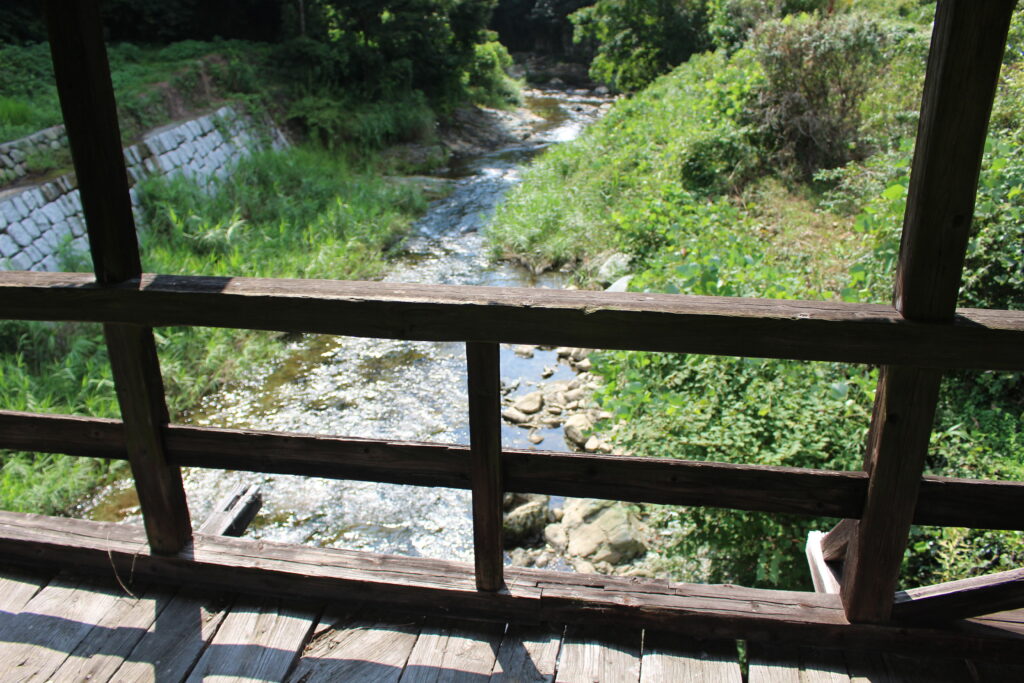
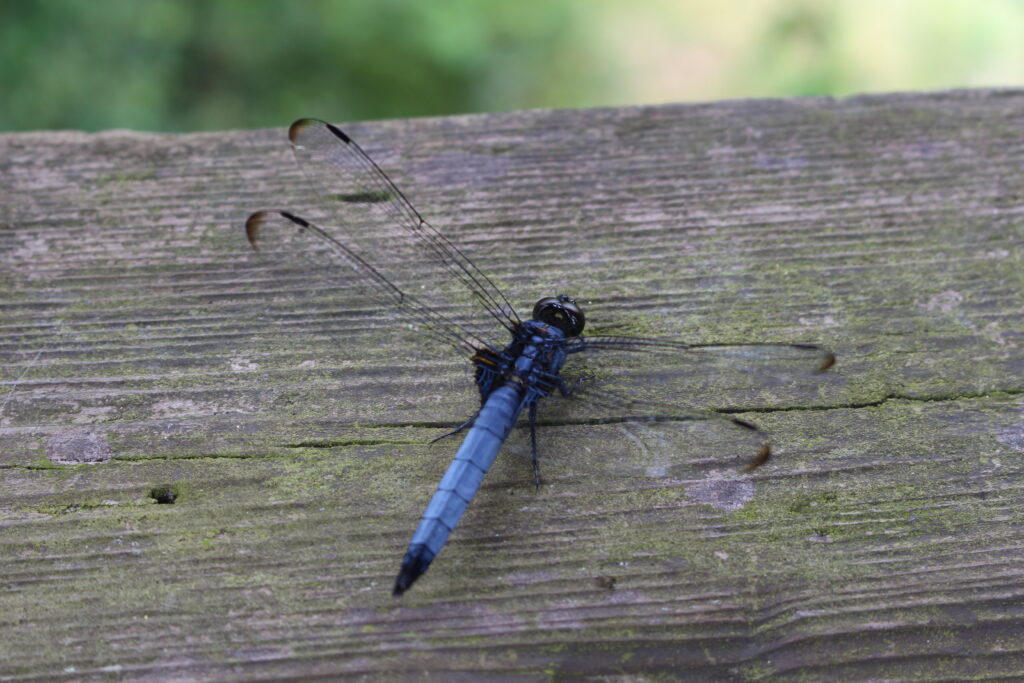
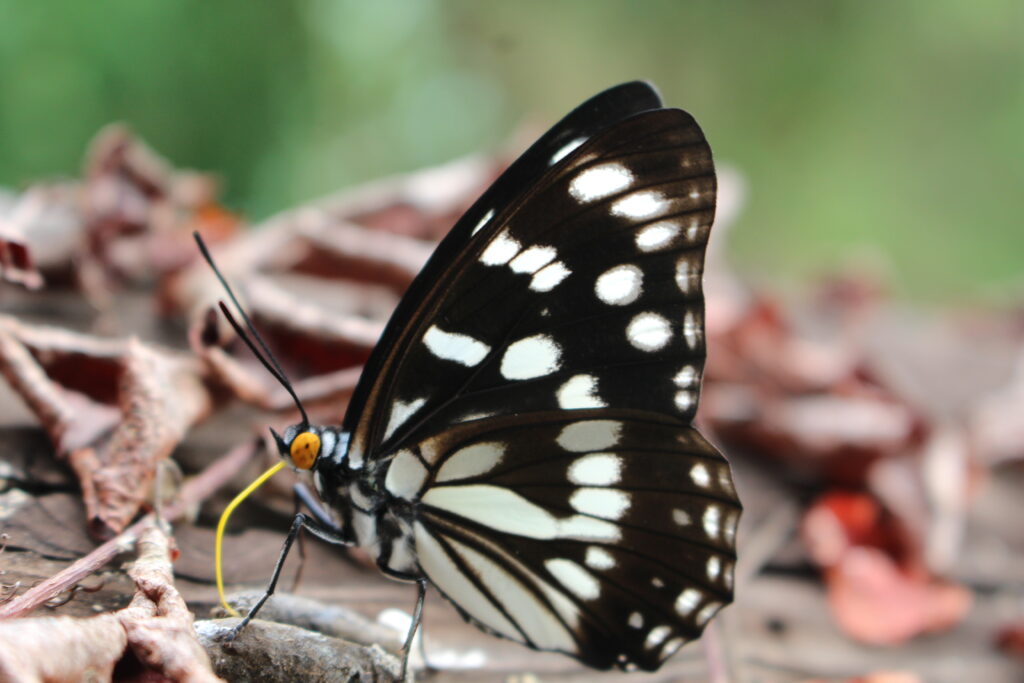
Tamaru Bridge.There's no doubt that it feels cooler on the bridge. There seems to be a combined effect of visual and auditory sensations.A dragonfly resting on the bridge.The butterfly is also leisurely eating on the bridge.
It's been a while since my last update...this time it's Tsushima again.
This time, we will be investigating the stone roofs of Tsushima together with Professor Kobayashi from Yasuda Women's University.
Using the equipment provided by Professor Kobayashi, we were able to confirm things that were previously unknown.
"I see, so that's how it is," I thought, feeling somewhat satisfied with the results of the investigation so far.
When we decided on the survey dates, I was worried, thinking, "Is it still the rainy season? Will it rain?" But when we arrived in Tsushima, it seemed that the rainy season had ended in western Japan. It was hot.
Professor Kobayashi conducting research.The blue tarp on the stone roof had been removed. It looks like the roof has been repaired. Good.We were also able to conduct a survey of the thermal environment.A beautiful butterfly. I suddenly had a camera in hand, but I could only take one photo.The next day I saw a beautiful black butterfly and took a photo of it, but it seemed to be a different species.I can't fully convey the beauty of this place. My camera skills are limited. Sorry.The seven-colored feathers were beautiful.