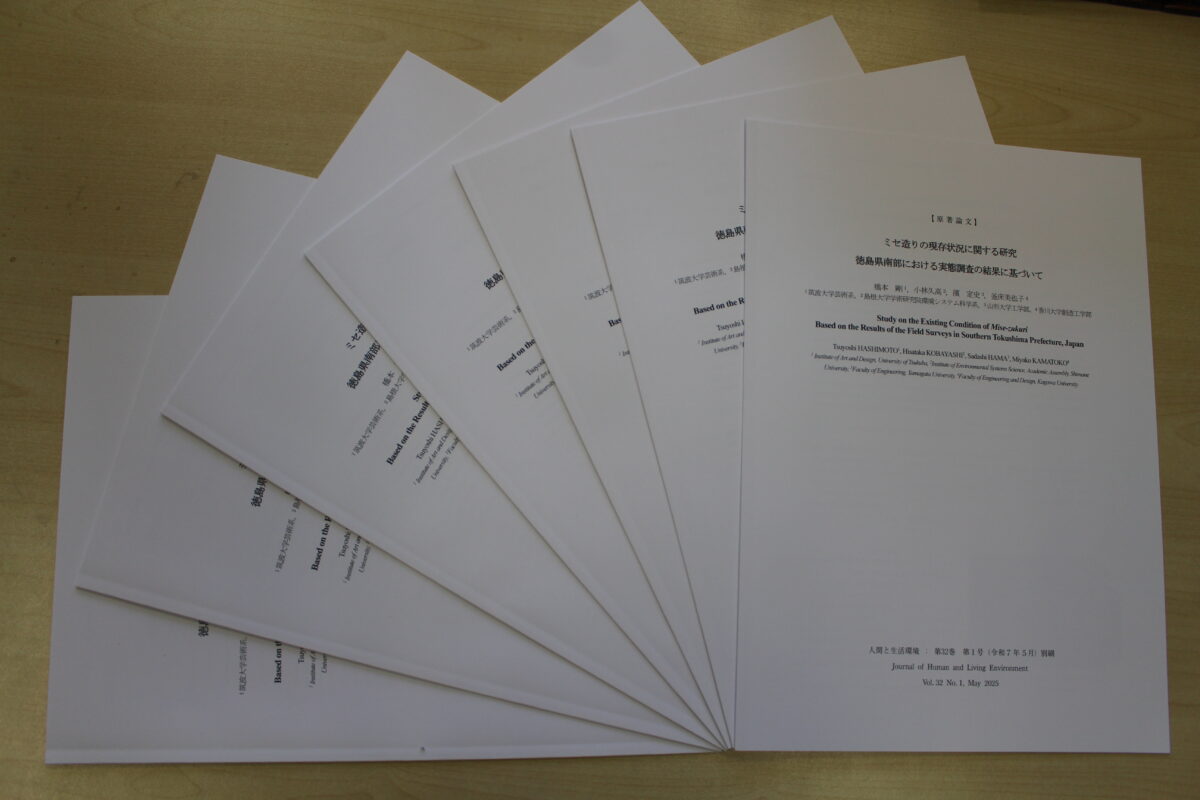
A paper from our laboratory was published in "Humans and the Living Environment" Volume 32, No. 1.
The title of the paper is
"Research into the current state of shop-style houses: Based on the results of a survey in southern Tokushima Prefecture"
.
I have often introduced the investigation into store construction on this blog, but looking back, it seems that the investigation into store construction began in earnest in 2021.
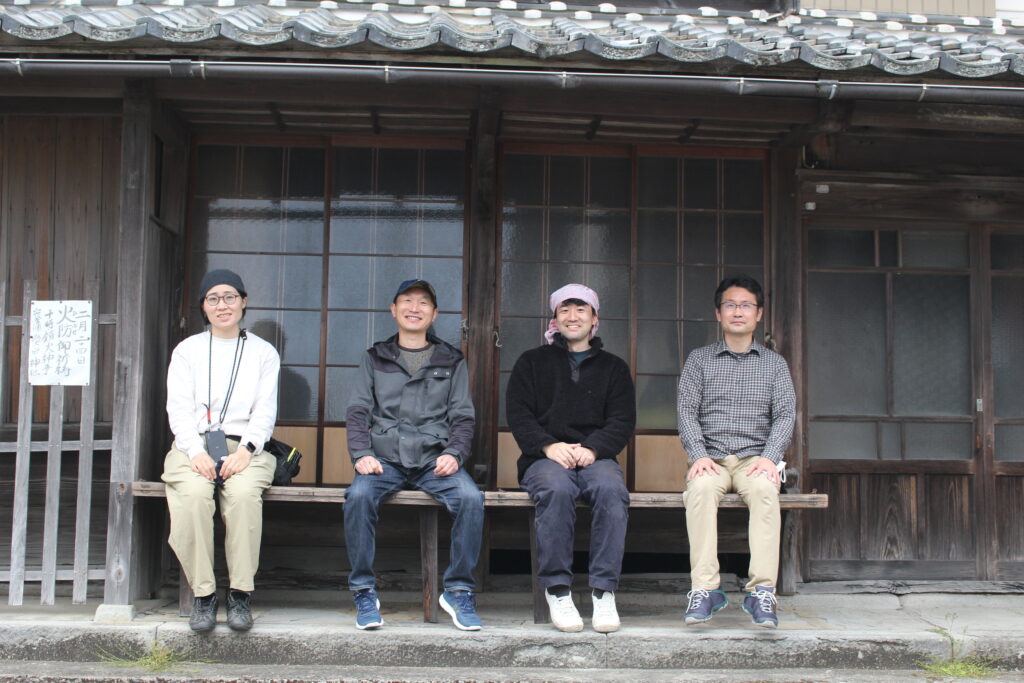
This photo was taken more than three years ago. Time flies.
A paper from our laboratory was published in "Humans and the Living Environment" Volume 29, No. 2.
The title of the paper is
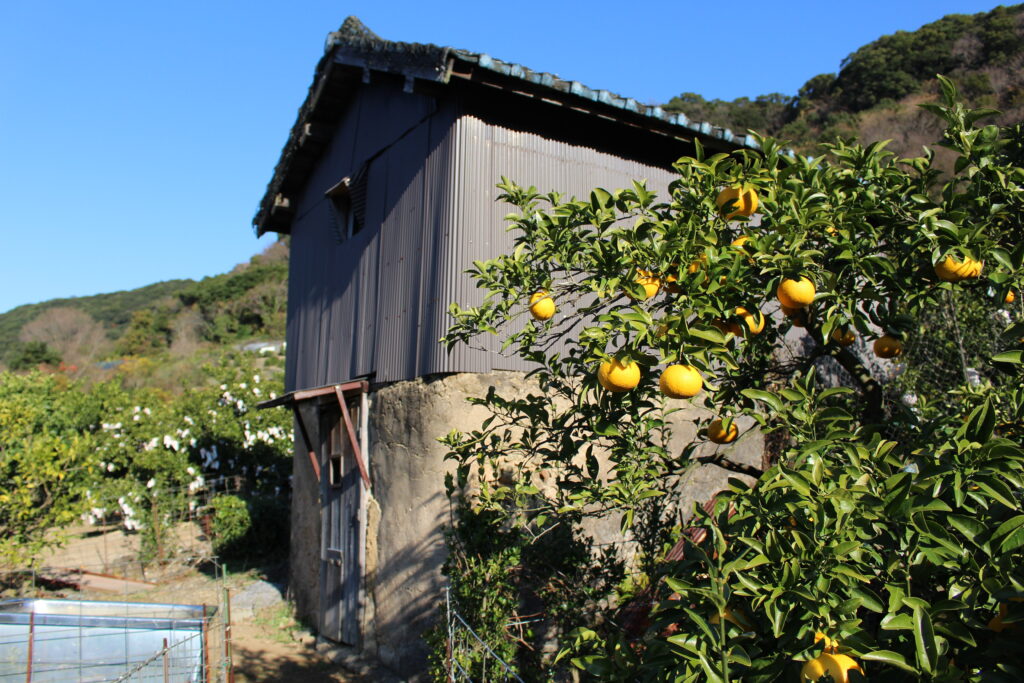
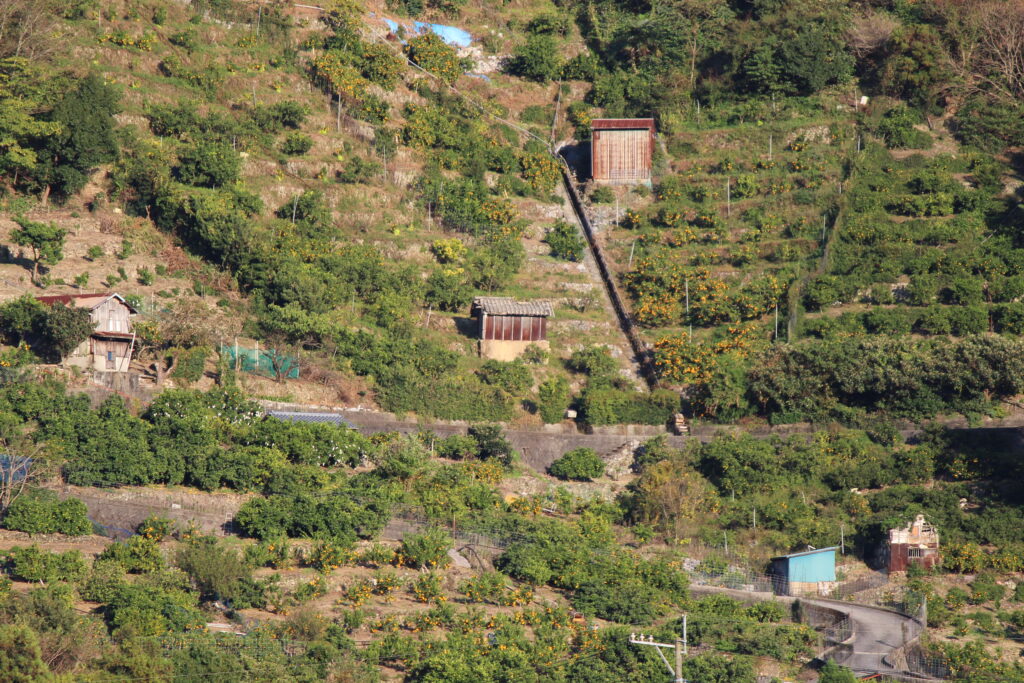
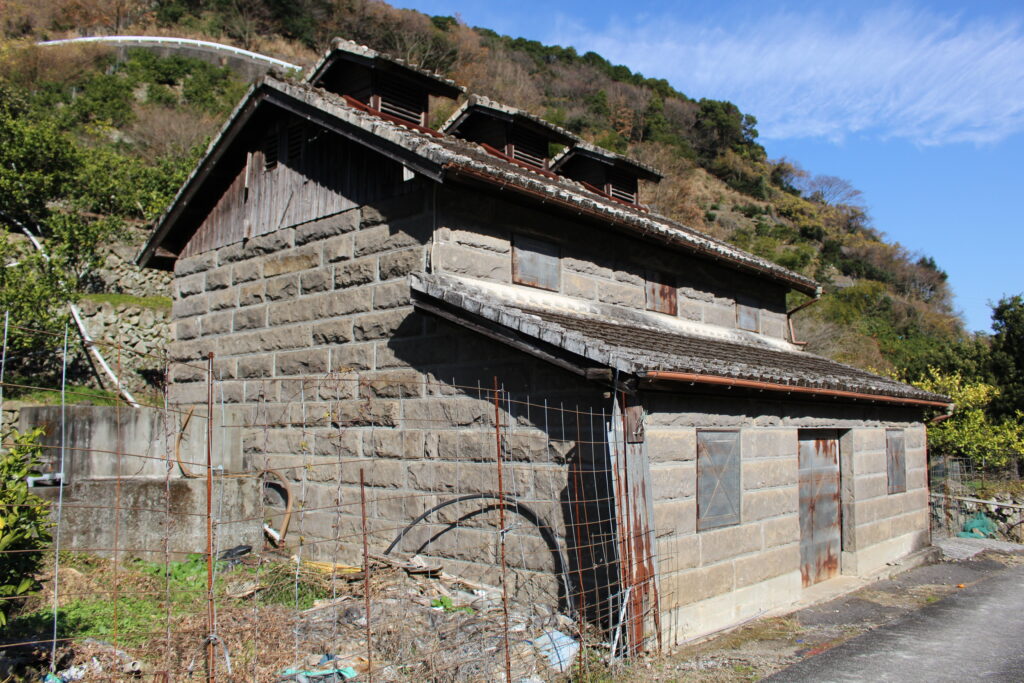
“Survey on the distribution and architectural characteristics of mandarin orange huts in Tsukumi City, Oita Prefecture”
.
The content is a compilation of some of the results of graduate student Mr. Mizuhata's graduation thesis and master's thesis.He organized everything carefully and carefully.Thank you.
I believe that this paper will serve as important basic material when considering the future of mandarin orange cultivation landscapes, including mandarin orange huts.
I believe that the idea that ``first of all, it is important to correctly understand the current situation'' is an important and fundamental idea that applies to many things, not just landscapes, but it is often neglected.
I end up thinking that I "understood" something without really researching it.
However, the field survey with its ups and downs was good for my calves.
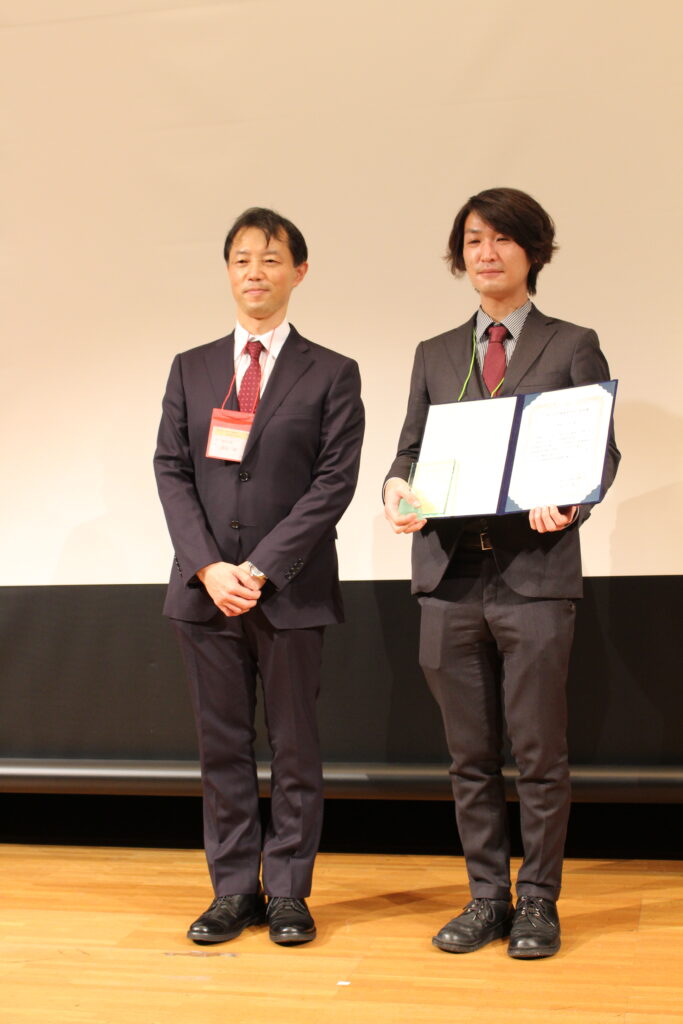
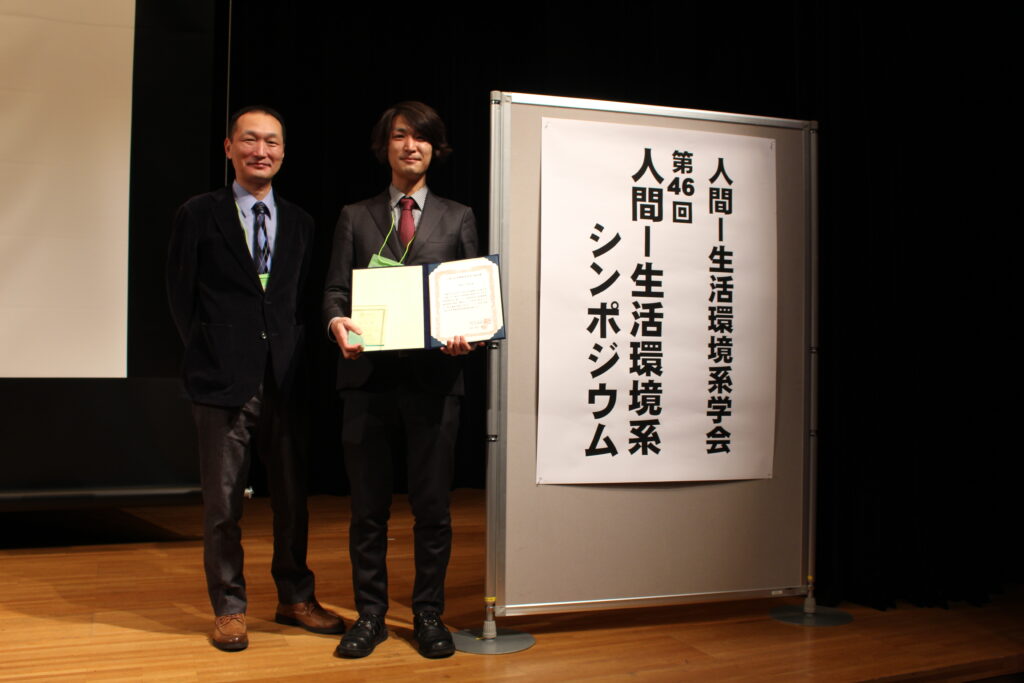
Professor Hirosuke Kurihara, a lecturer at Tohoku Institute of Technology and a graduate of Hashimoto's laboratory, received the "Human-Living Environment Society Encouragement Award" and the award ceremony was held at the 46th Human-Living Environment Symposium.
The award-winning paper is based on research that Professor Kurihara conducted while enrolled in our laboratory as a doctoral graduate student.
Award-winning thesis title: "Survey on the actual situation of Areas of studyal housing and housing that uses wood stoves in Kanayama Town, Mogami District, Yamagata Prefecture. Focusing on the use of forest resources as building materials and fuel."
A two-shot of Mr. Kurihara (right) and Chairman Takada (left).Is it rare?Take a commemorative photo with me.
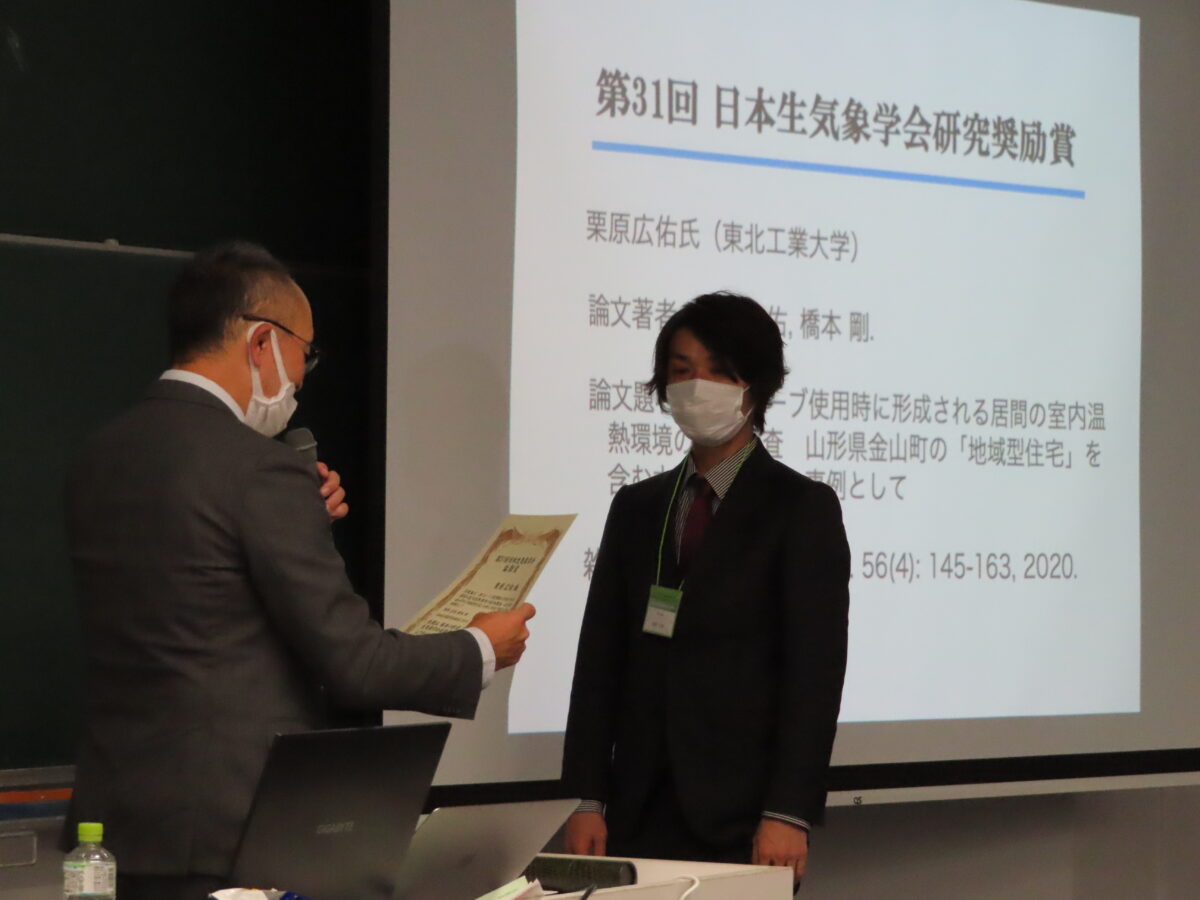
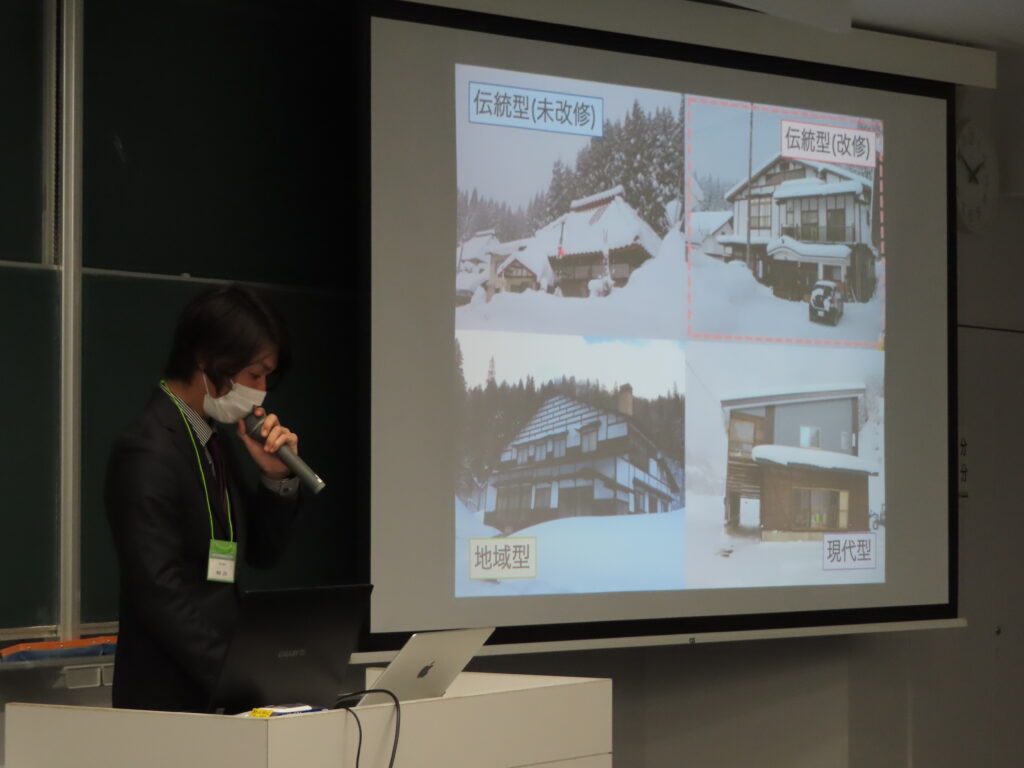
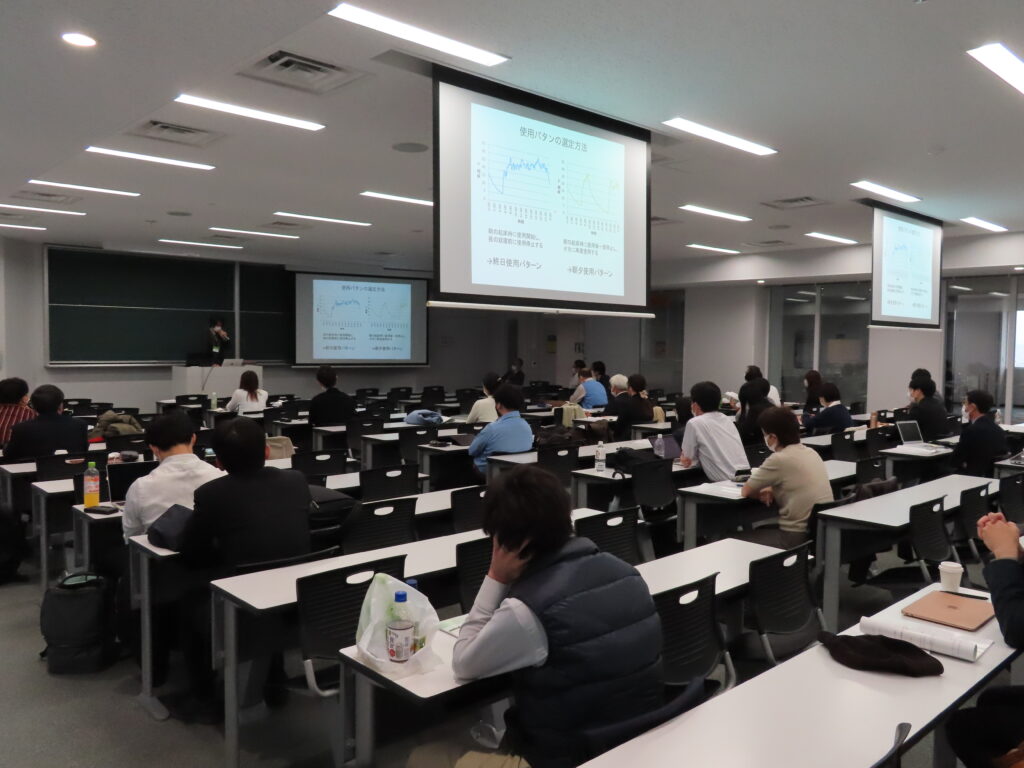
Professor Hirosuke Kurihara, a lecturer at Tohoku Institute of Technology and a graduate of Hashimoto's laboratory, received the 31st Research Encouragement Award of the Japanese Society of Biometeorology, and the award ceremony was held at the 61st Annual Meeting of the Japan Society of Biometeorology (Nagoya). There was also a lecture commemorating the award.
The award-winning paper is based on research that Professor Kurihara conducted while enrolled in our laboratory as a doctoral graduate student.
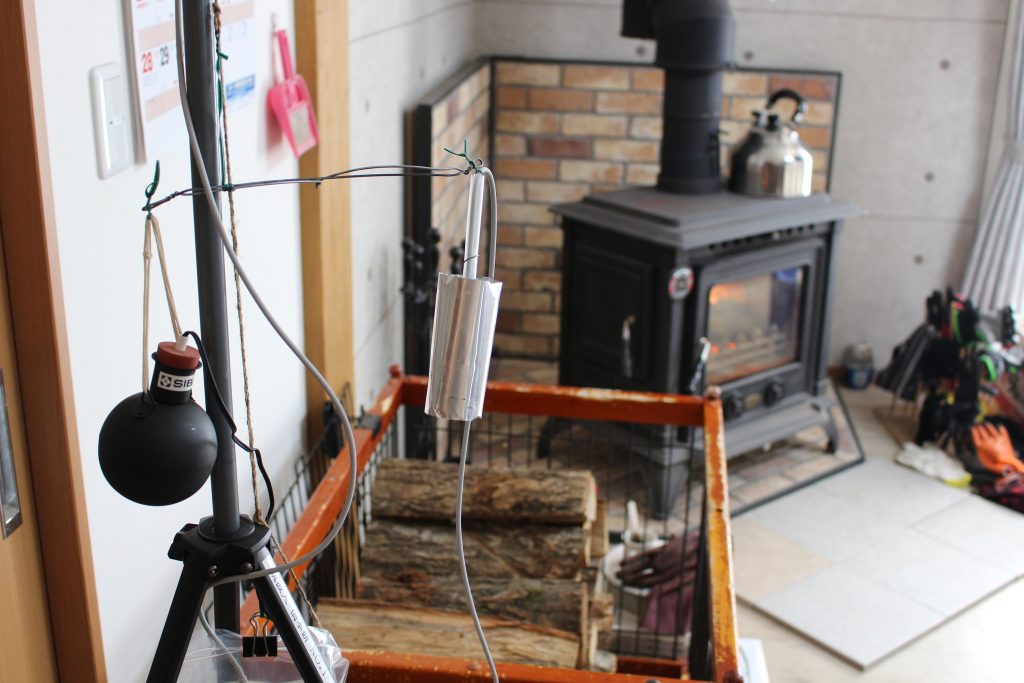
Award-winning thesis title: “Actual measurement investigation of the indoor thermal environment created in the living room when using a wood-burning stove”
Two papers from our laboratory were published in the Japanese journal "Humans and the Living Environment", Volume 26, Issue 2 of the Society for Human and Living Environment Studies.
The title of the paper is
Survey on the actual situation of Areas of studyal housing and housing that uses wood stoves in Kanayama Town, Mogami District, Yamagata Prefecture
Focusing on the use of forest resources as building materials and fuel
with
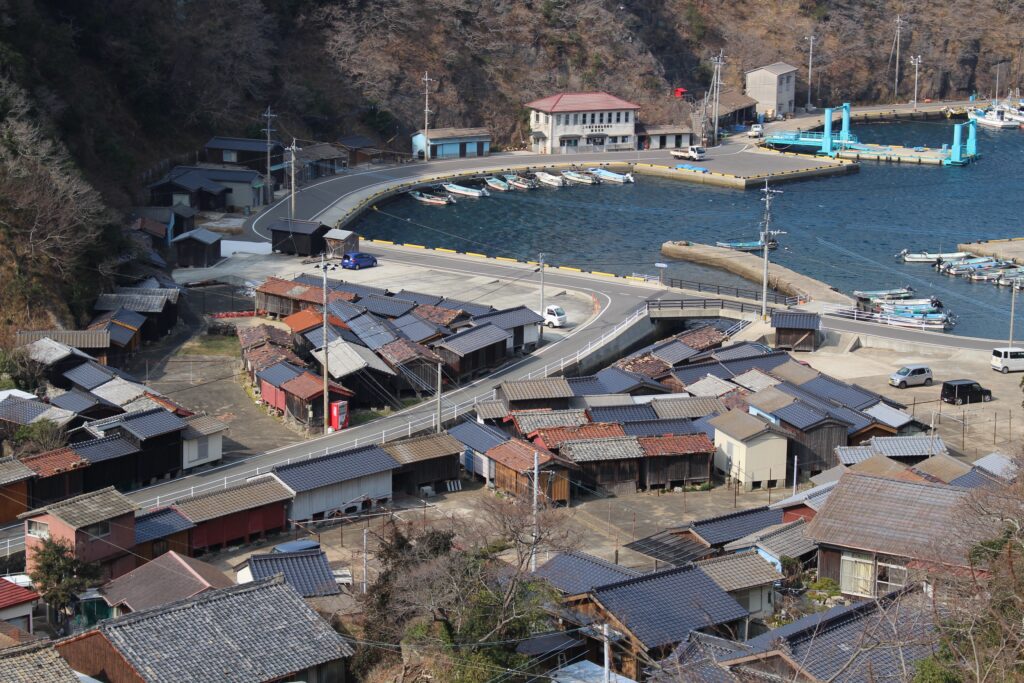
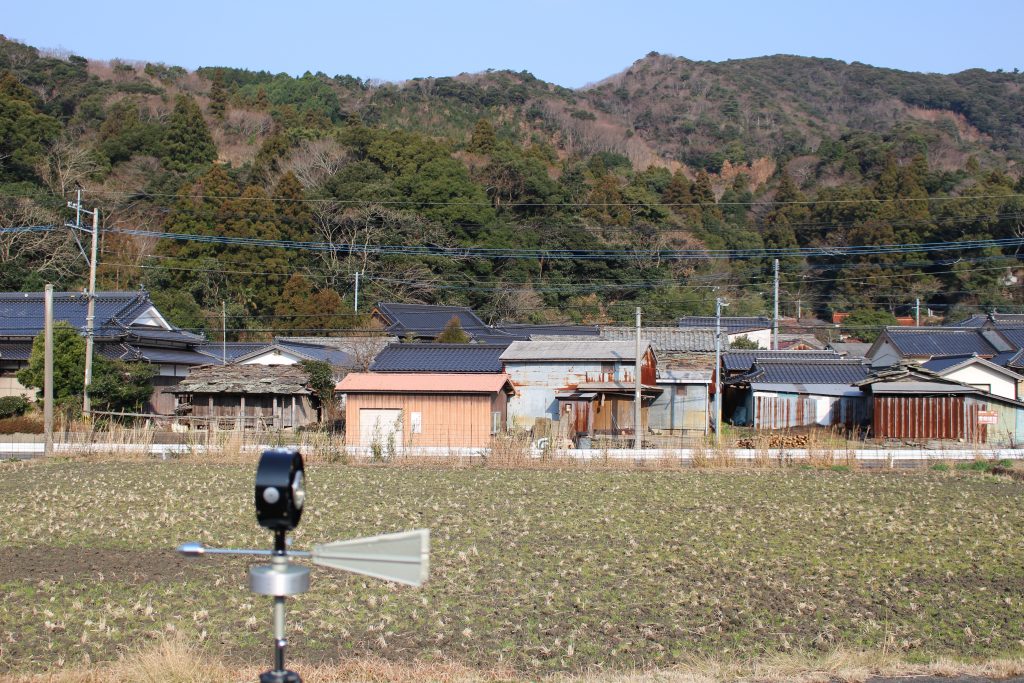
Microclimatic study on the arrangement of stone roof koya in Tsushima
Our laboratory's paper was published in "Journal of the Japanese Biometeorological Society, Vol. 55, No. 2".
The title is ``The influence of continuous mansion forests on the formation of village climate during the summer daytime''.
This is a study of the mansion forest of Horashita Village, a series of villages located on the west side of Mt. Tsukuba in the northern part of Tsukuba City, Ibaraki Prefecture.
We are clarifying the effectiveness of the continuous mansion forest in alleviating the summer heat environment.
We have empirically demonstrated that Yashiki-mori reduces daytime temperatures in summer.
This effect contributes to energy savings even in modern lifestyles where air conditioning is used to keep people cool.
In this way, by studying the thermal environment methods of traditional private houses and villages, we can gain insight into modern architectural and urban design methods that are in harmony with the natural environment.
Living in traditional houses and villages includes not only simple "energy saving" methods, but also hints and specifics for reconsidering the richness of environmental experience that modern living is losing, and the way we interact with the natural environment. We believe that we have accumulated a wealth of knowledge.
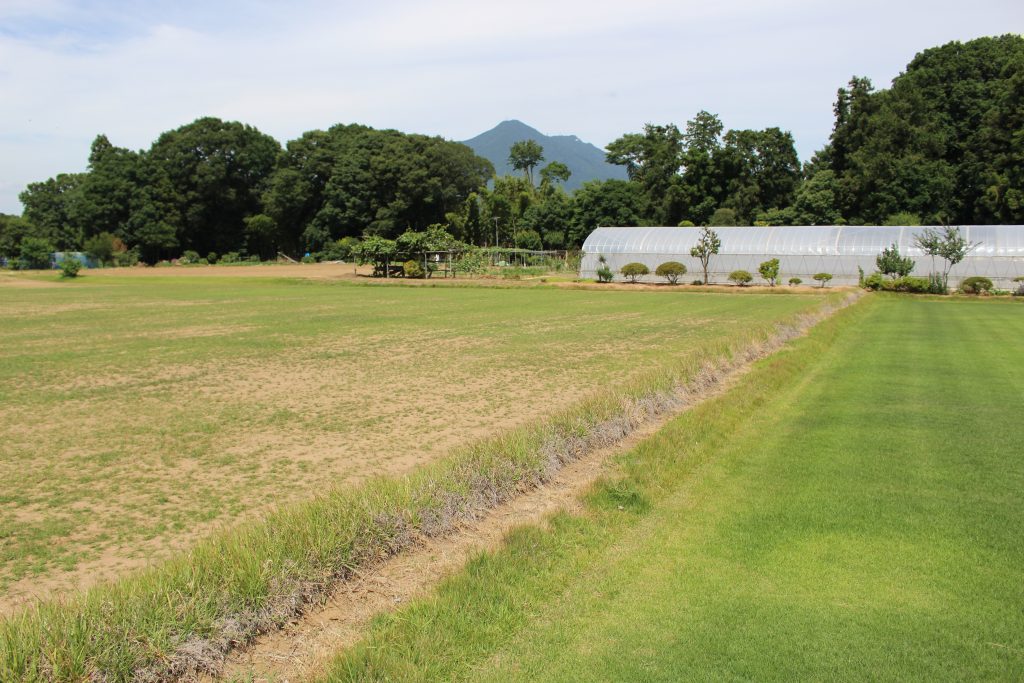
A village is hidden on the other side of a forest of consecutive mansions.Mount Tsukuba can be seen in the distance.Tsukuba City is also famous for its turf production.
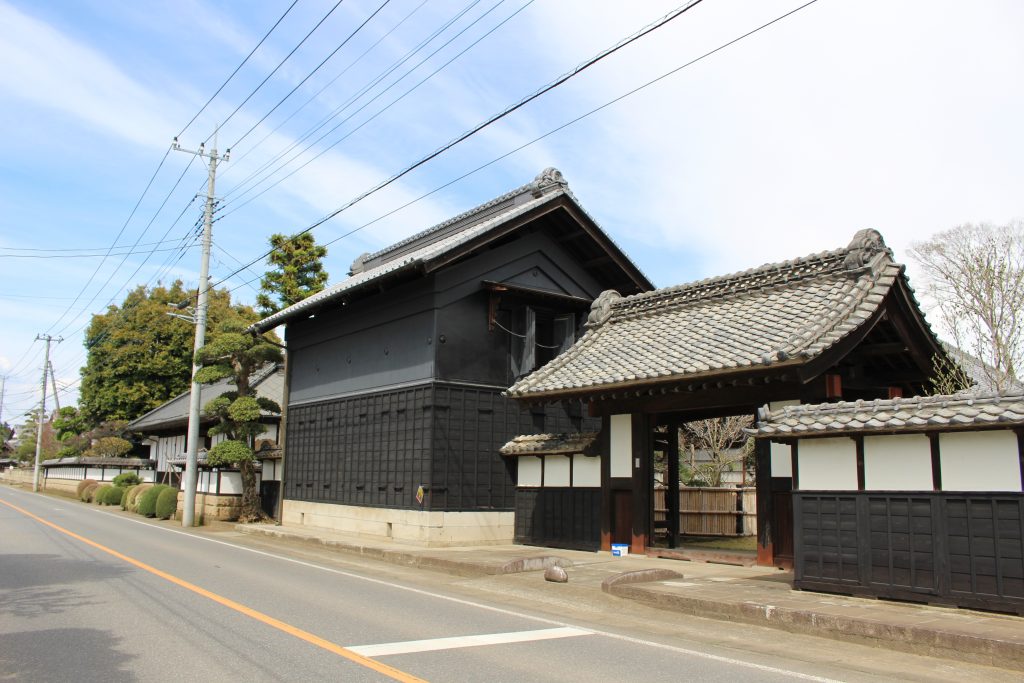
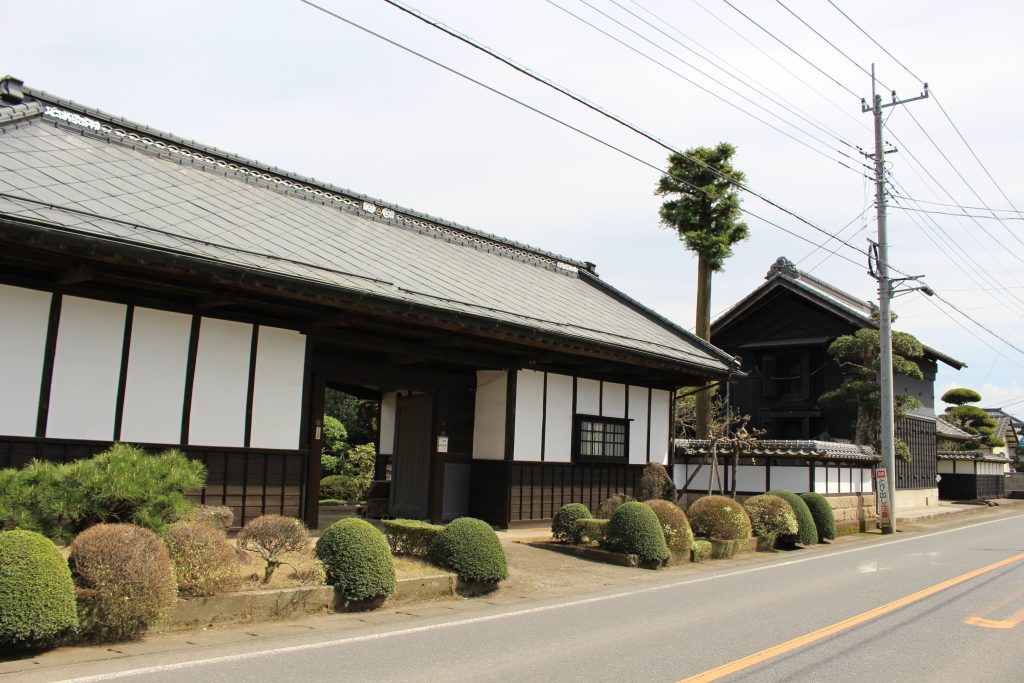
There are many traditional buildings within the village.This is a magnificent Nagayamon gate.