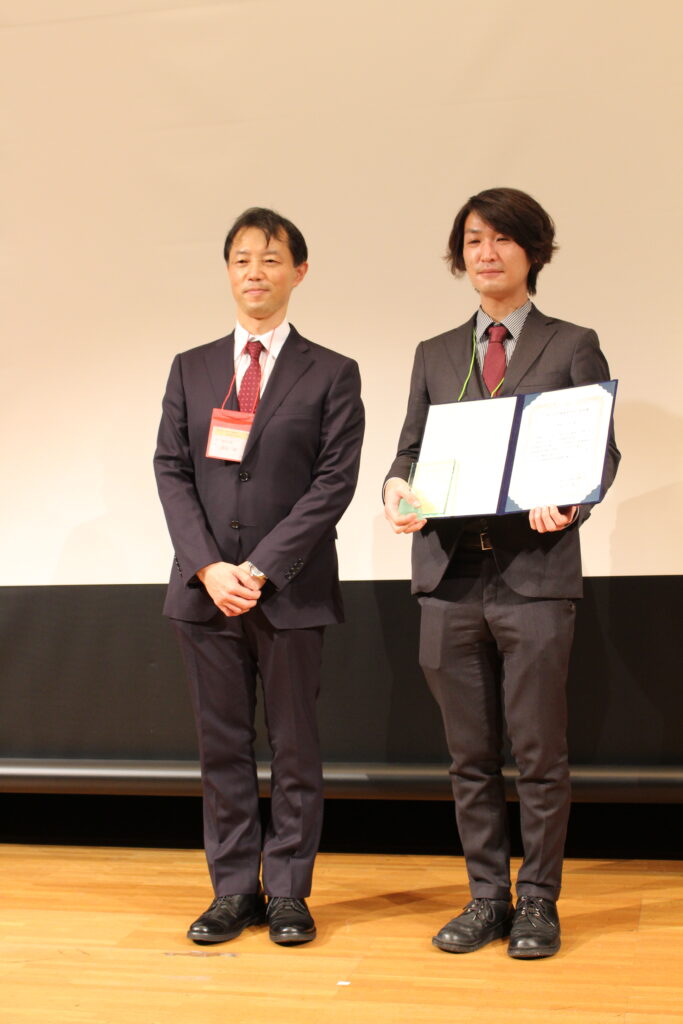
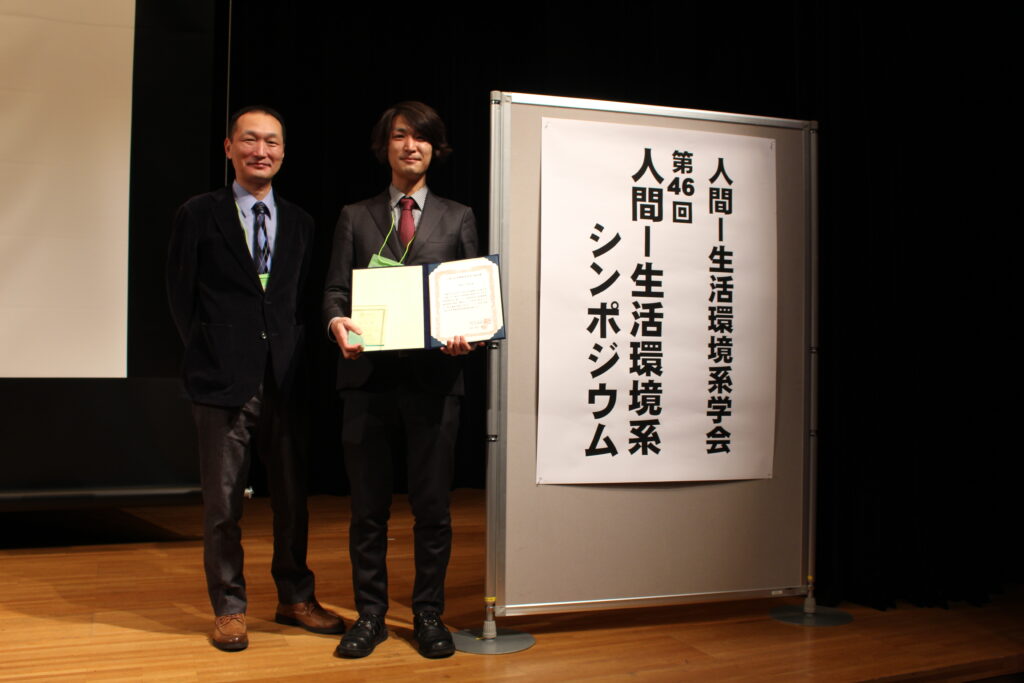
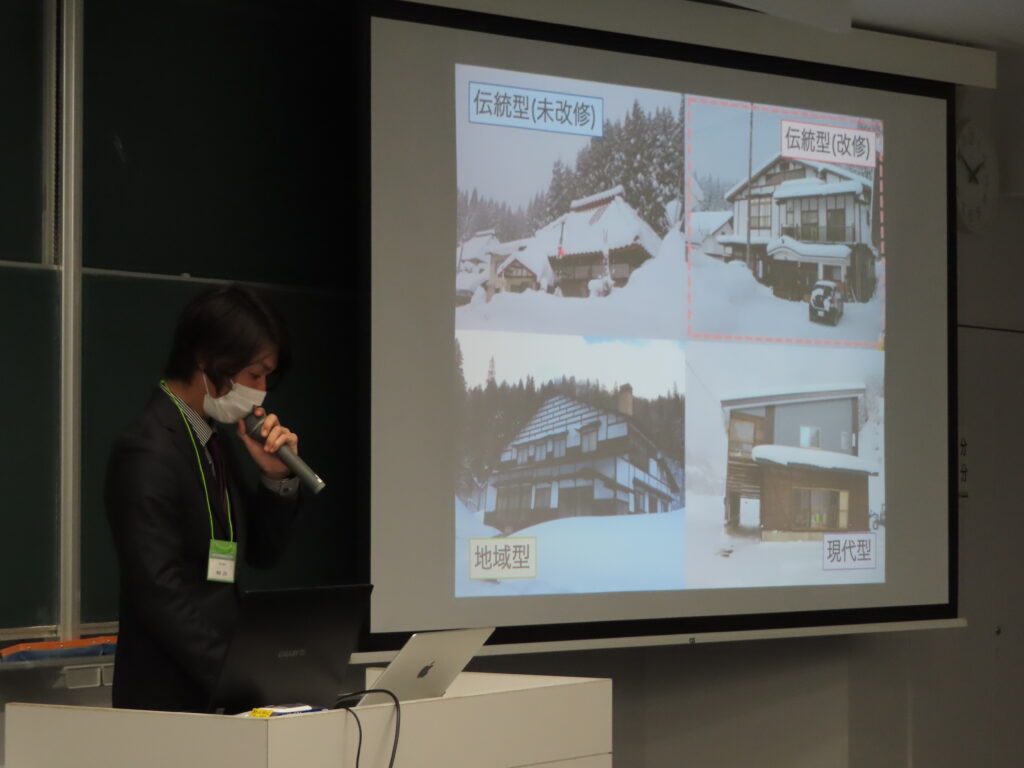
Professor Hirosuke Kurihara, a lecturer at Tohoku Institute of Technology and a graduate of Hashimoto's laboratory, received the "Human-Living Environment Society Encouragement Award" and the award ceremony was held at the 46th Human-Living Environment Symposium.
The award-winning paper is based on research that Professor Kurihara conducted while enrolled in our laboratory as a doctoral graduate student.
Award-winning thesis title: "Survey on the actual situation of Areas of studyal housing and housing that uses wood stoves in Kanayama Town, Mogami District, Yamagata Prefecture. Focusing on the use of forest resources as building materials and fuel."
A two-shot of Mr. Kurihara (right) and Chairman Takada (left).Is it rare?Take a commemorative photo with me.
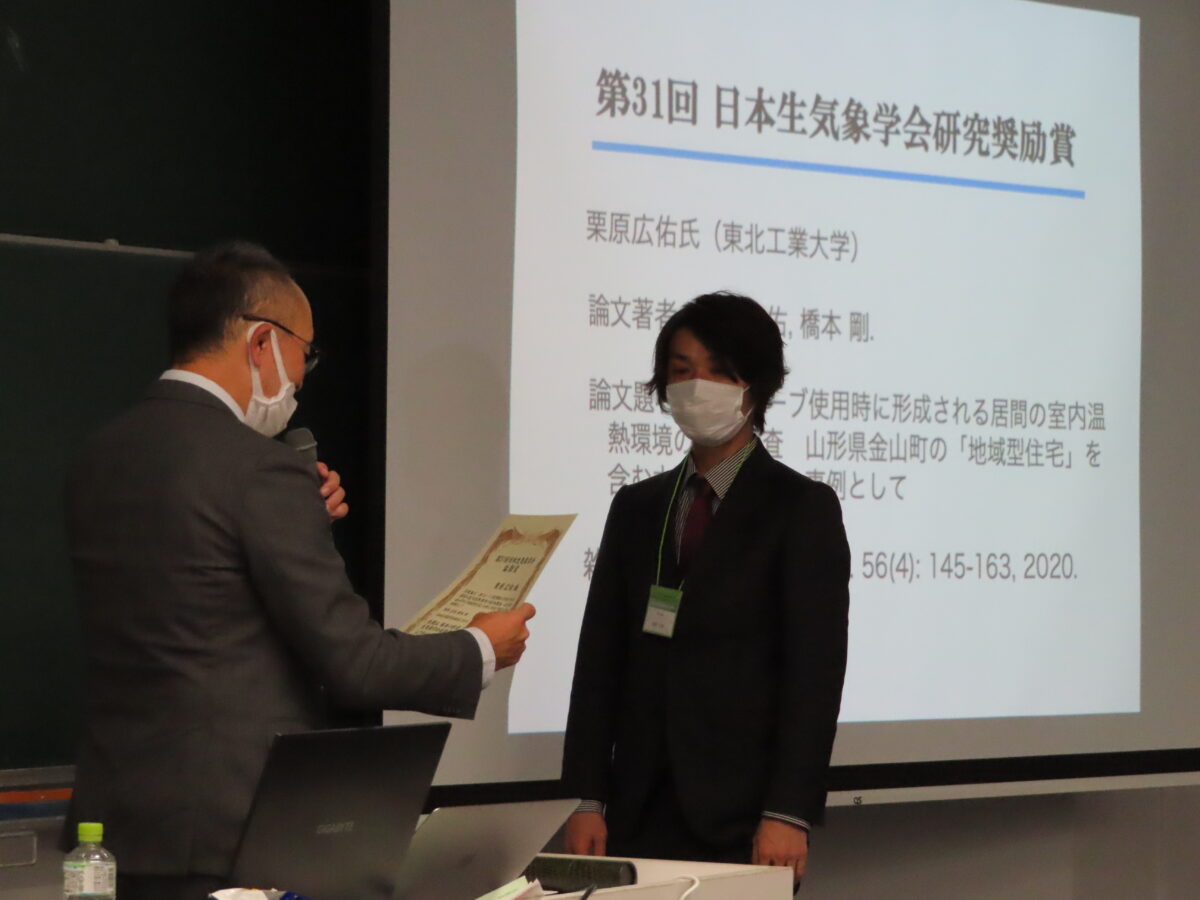
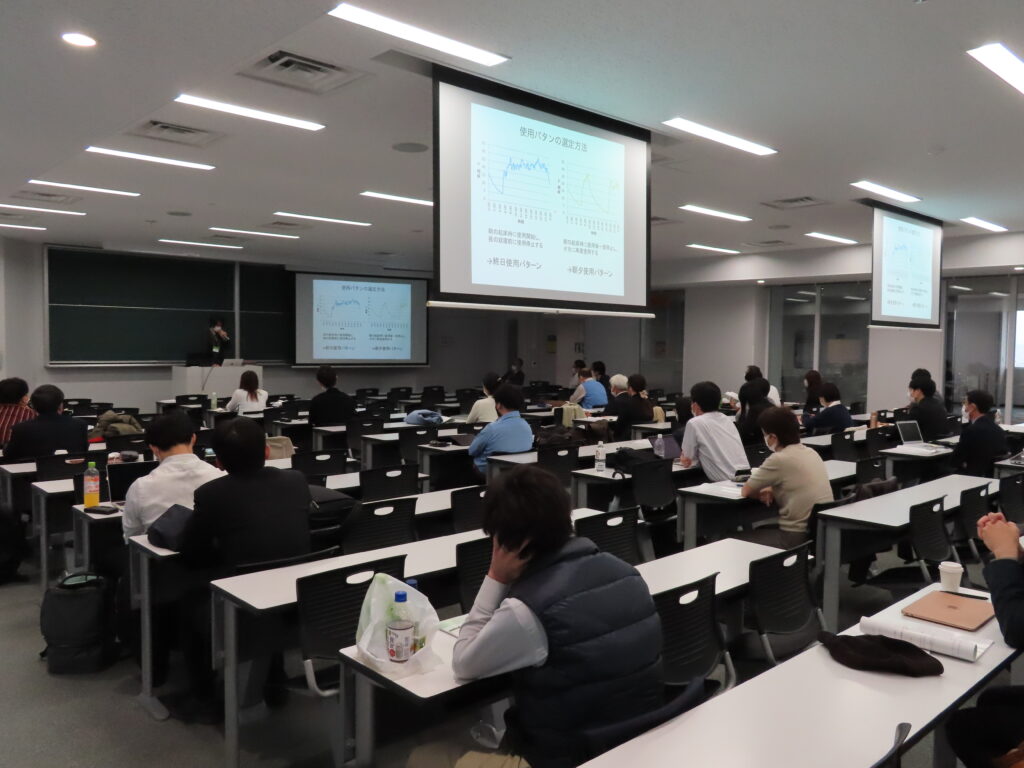
Professor Hirosuke Kurihara, a lecturer at Tohoku Institute of Technology and a graduate of Hashimoto's laboratory, received the 31st Research Encouragement Award of the Japanese Society of Biometeorology, and the award ceremony was held at the 61st Annual Meeting of the Japan Society of Biometeorology (Nagoya). There was also a lecture commemorating the award.
The award-winning paper is based on research that Professor Kurihara conducted while enrolled in our laboratory as a doctoral graduate student.
Award-winning thesis title: “Actual measurement investigation of the indoor thermal environment created in the living room when using a wood-burning stove”
I went to the Satoyama Building Research Institute's house tour.
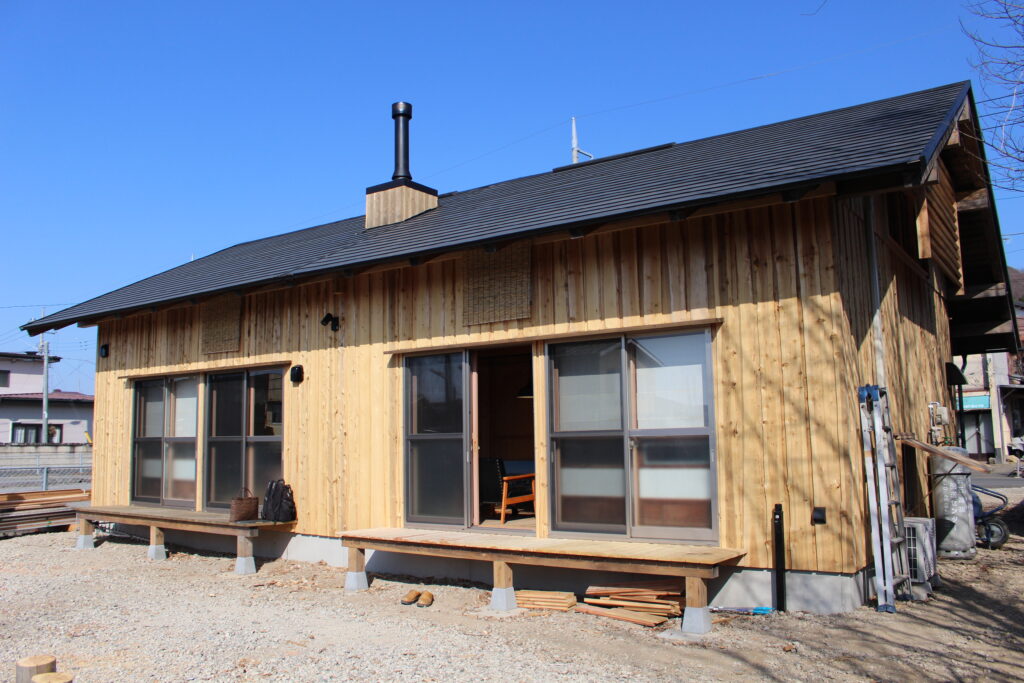
This is a relocated and renovated temporary housing built using the Itakura construction method in Iwaki City following the Great East Japan Earthquake.
It is said that more than 9% of building materials, equipment, etc. were reused.It's amazing.
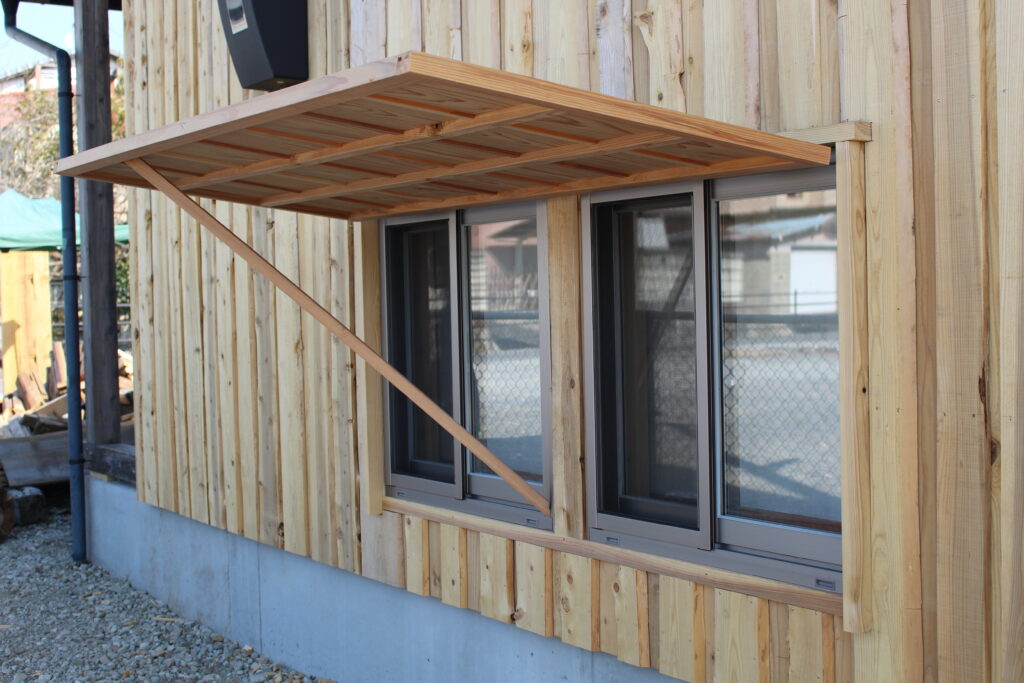
The exterior walls, which were made from lumber scraps, were also tasteful and wonderful.
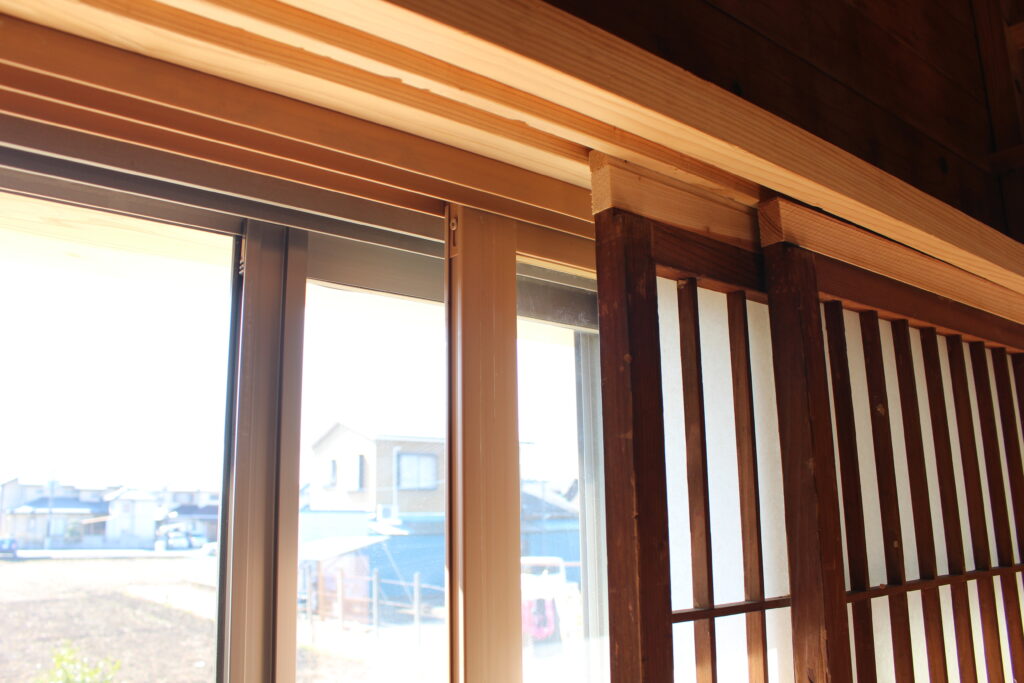
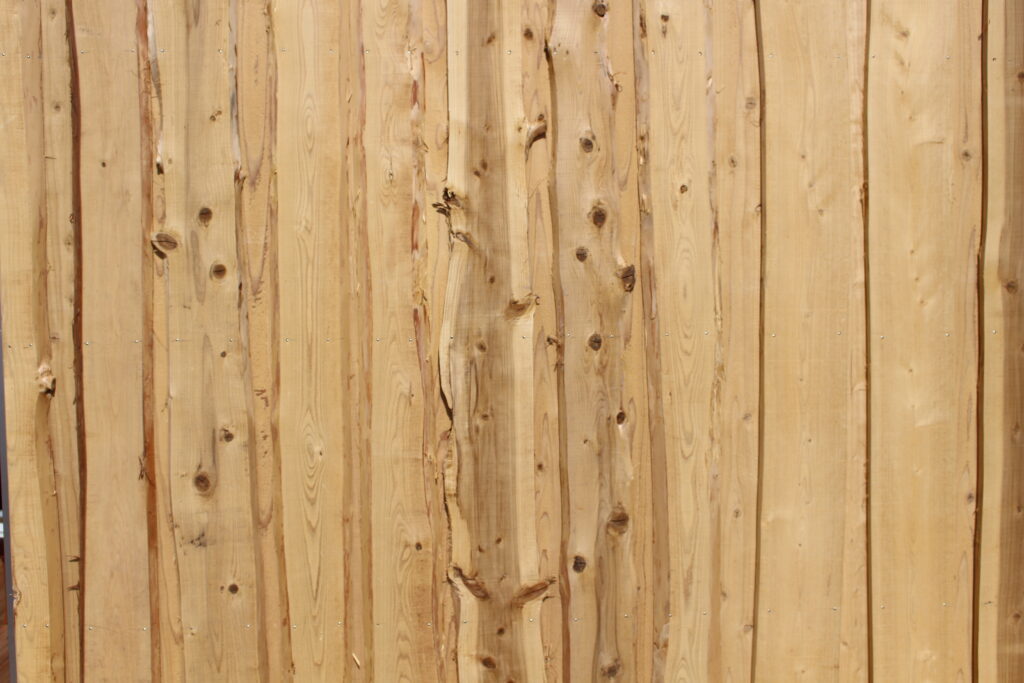
“Horibata no Ie” is a temporary repurposed housing in Itakura at the foot of Mt. Tsukuba.Shodo.The opening on the south side has a three-layer structure: an aluminum sash, a resin sash, and a shoji screen.Exterior wall made from lumber scraps.
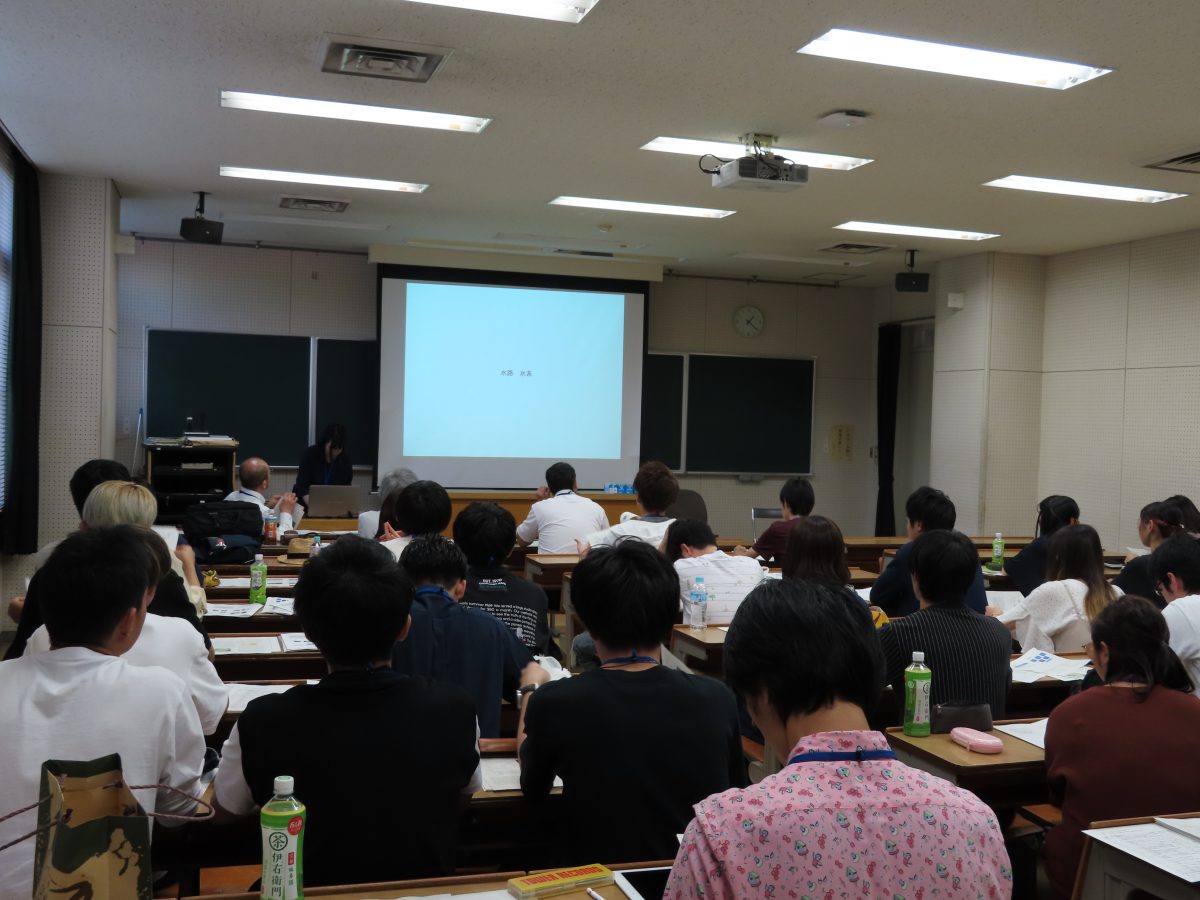
We held a joint interim graduation thesis presentation with Professor Shinichi Watanabe's laboratory at Daido University and Professor Hitoshi Ishii's laboratory at Meijo University.
This year, due to the coronavirus pandemic, the event was held a little later than usual, taking into consideration the progress of research.
And it was the first time it was held online.
There was a lot of discussion about holding the event, and at one point there was an opinion that it would be unavoidable to cancel this year as well, but I am glad that we were able to hold it online.
Most importantly, I think the students who presented felt that they were able to use this opportunity to proactively advance their research.
The Hashimoto laboratory's presentation is as follows.
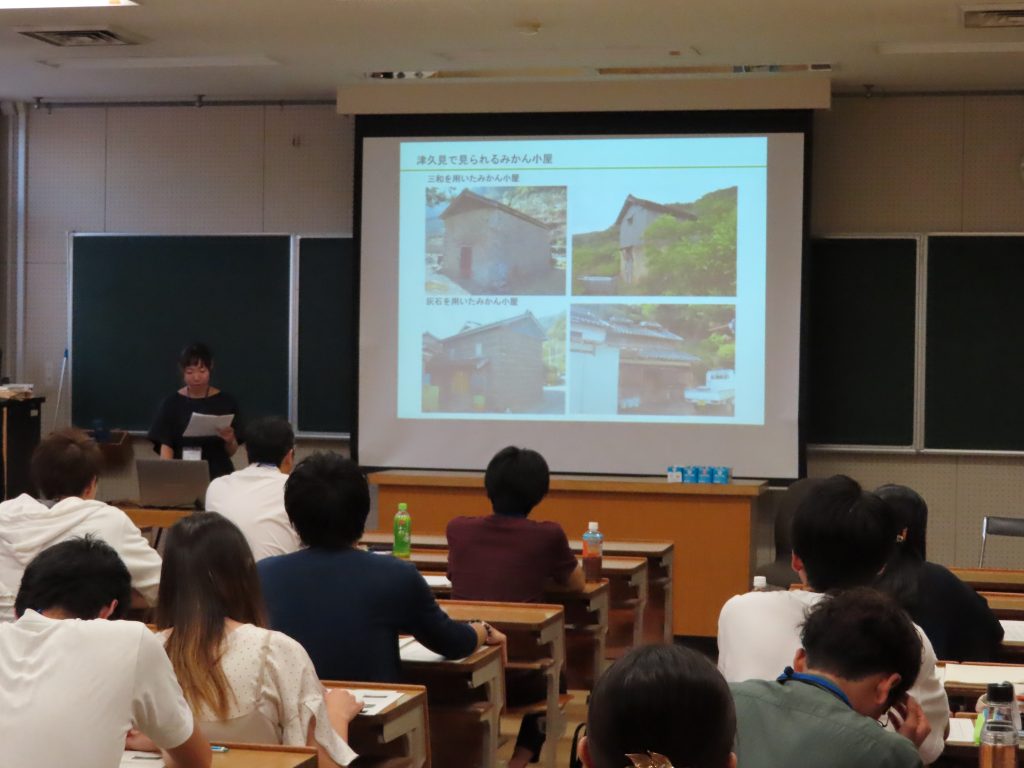
Hinako Mizuhata: Research on the landscape of mandarin orange huts in Tsukumi City, Oita Prefecture
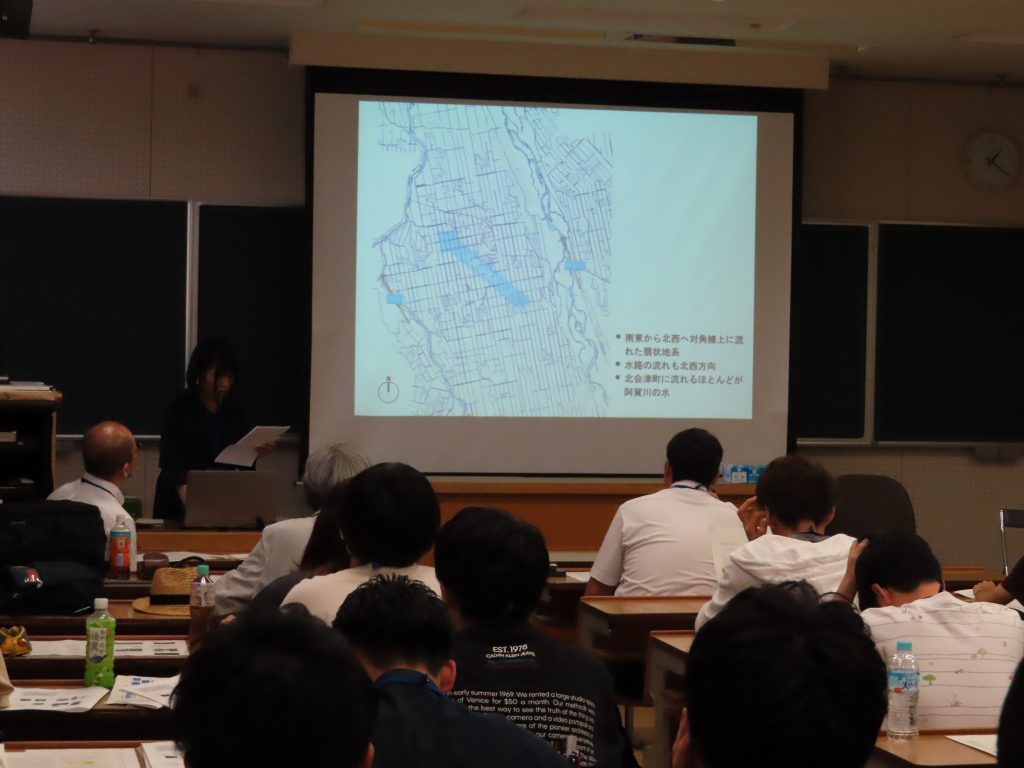
Risa Ito: Planting mizuka as a component of the garden, mainly in the lower reaches of the Kokai River
Kyoko Urakawa: (tentative) proposal for a healing spot in the city
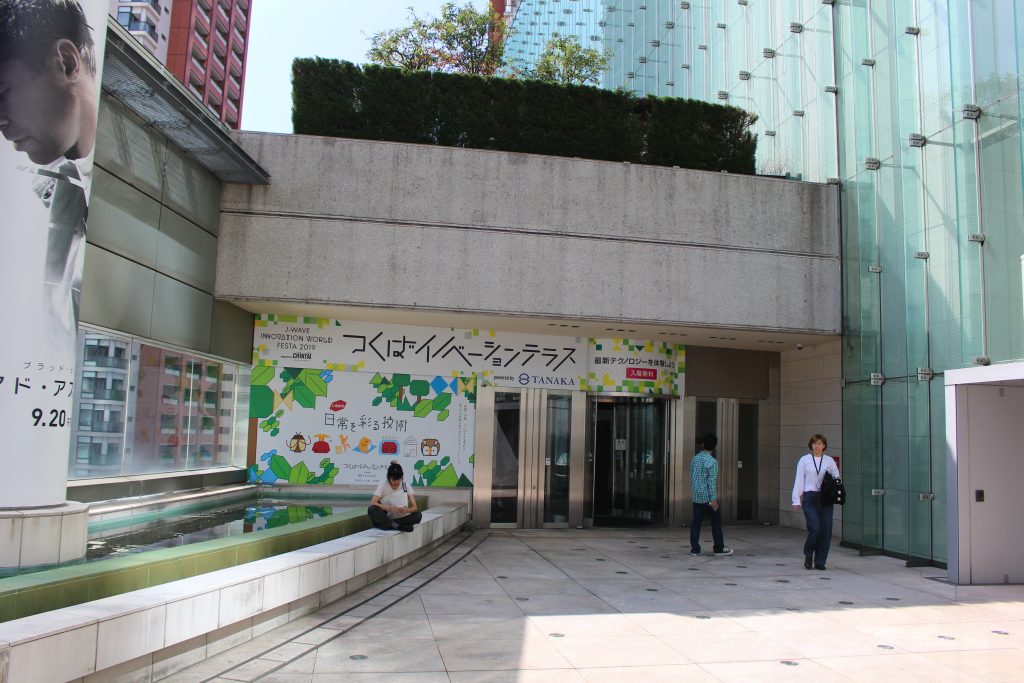
INNOVATION WORLD FESTA 9 was held at Roppongi Hills on September 28th and 29th.
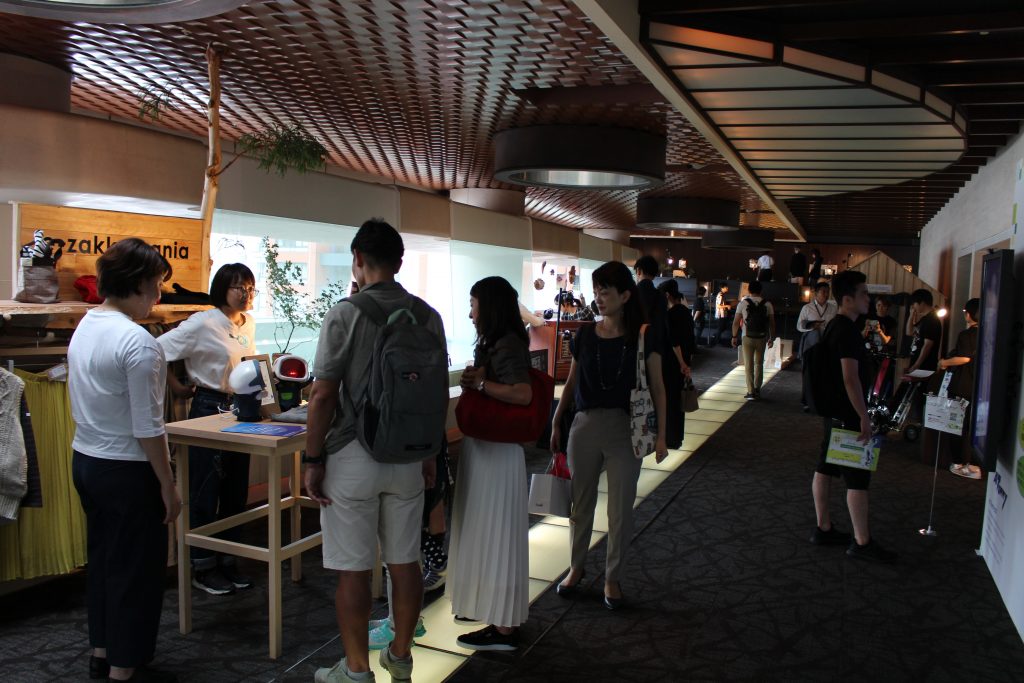
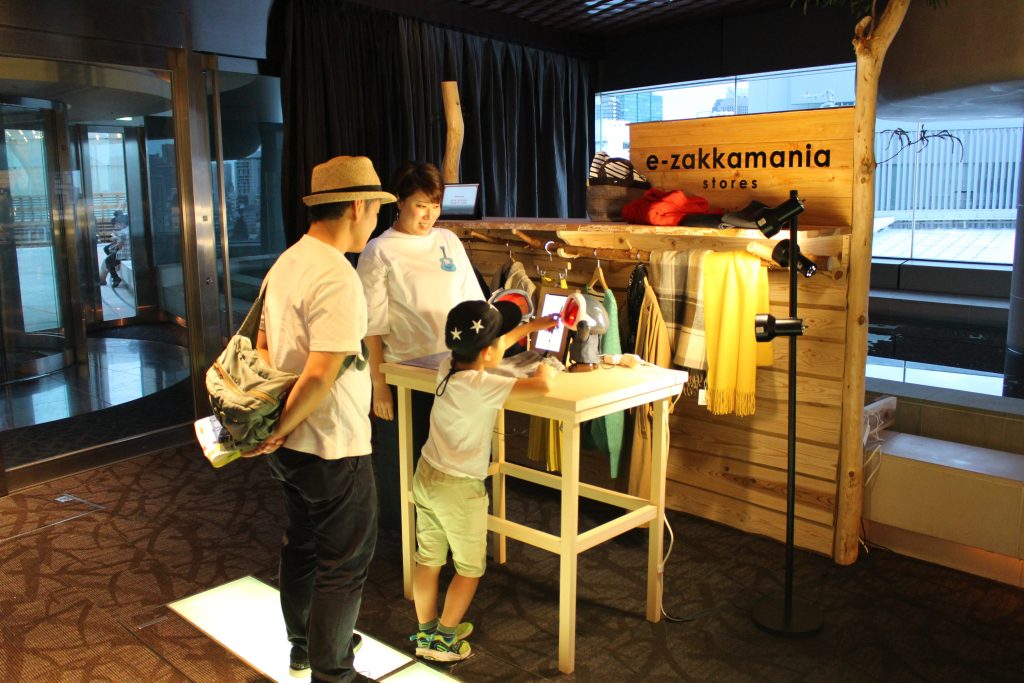
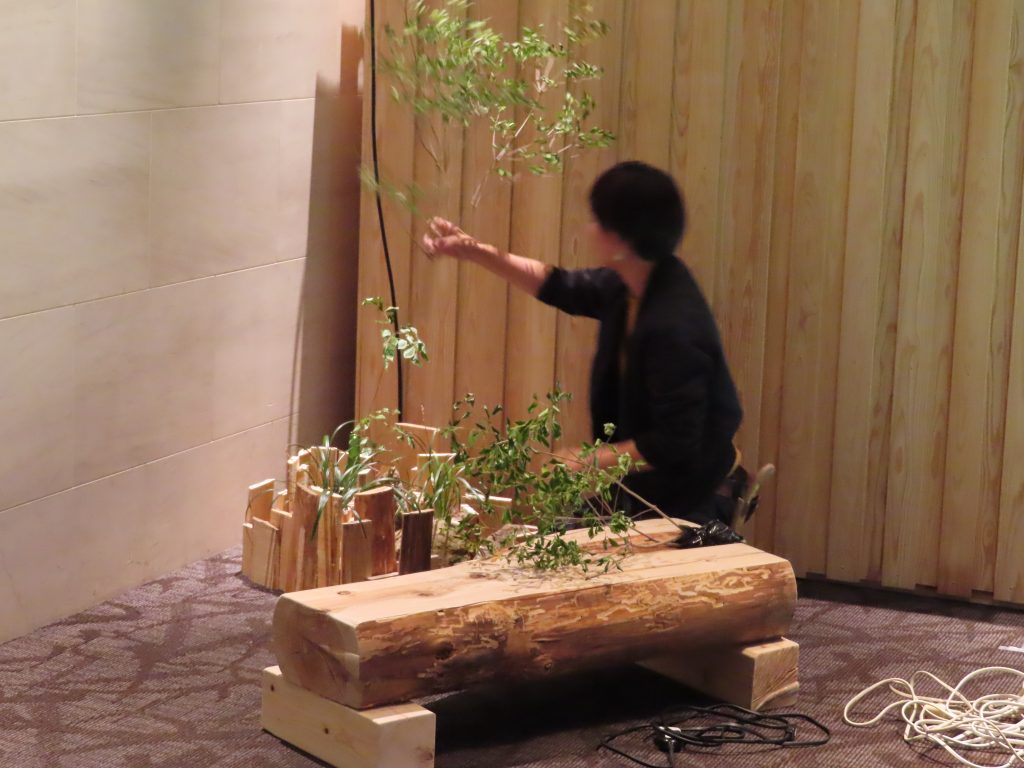
One of those events was the Tsukuba Innovation Terrace, and graduate students from our laboratory, Kurihara-kun and Ito-san, participated in the exhibition space design.
Hashimoto was asked to supervise the exhibition space design.
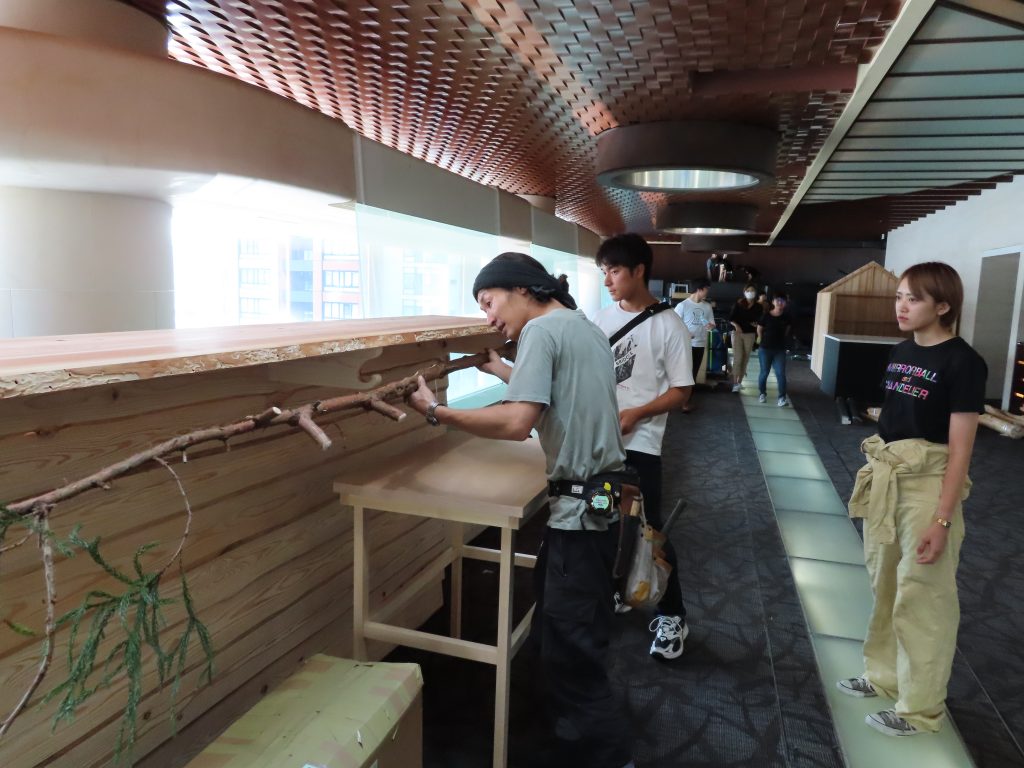
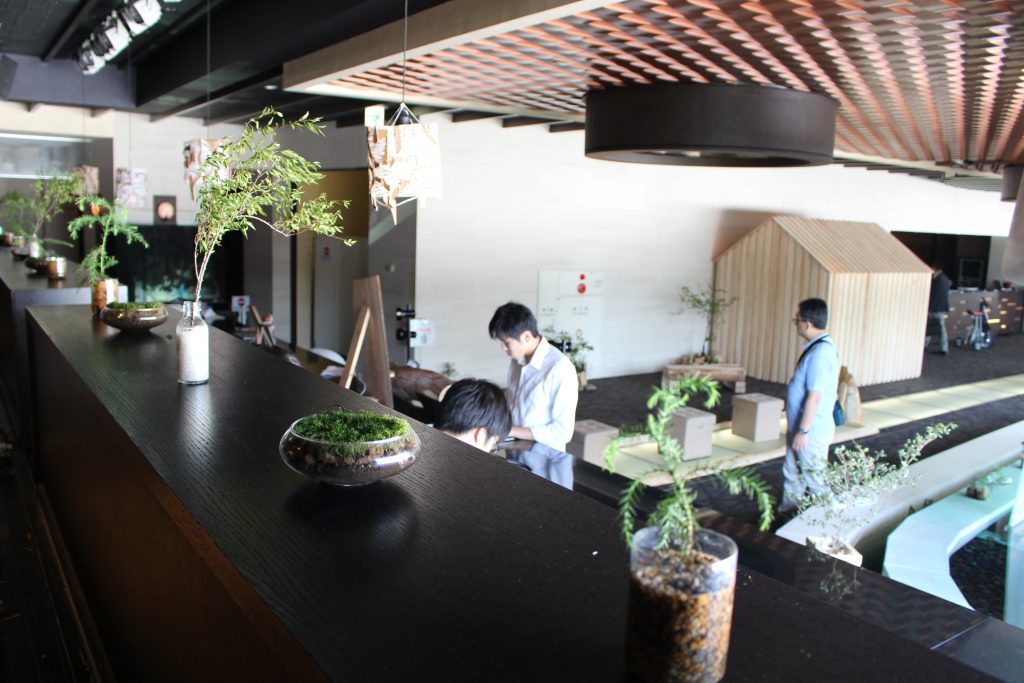
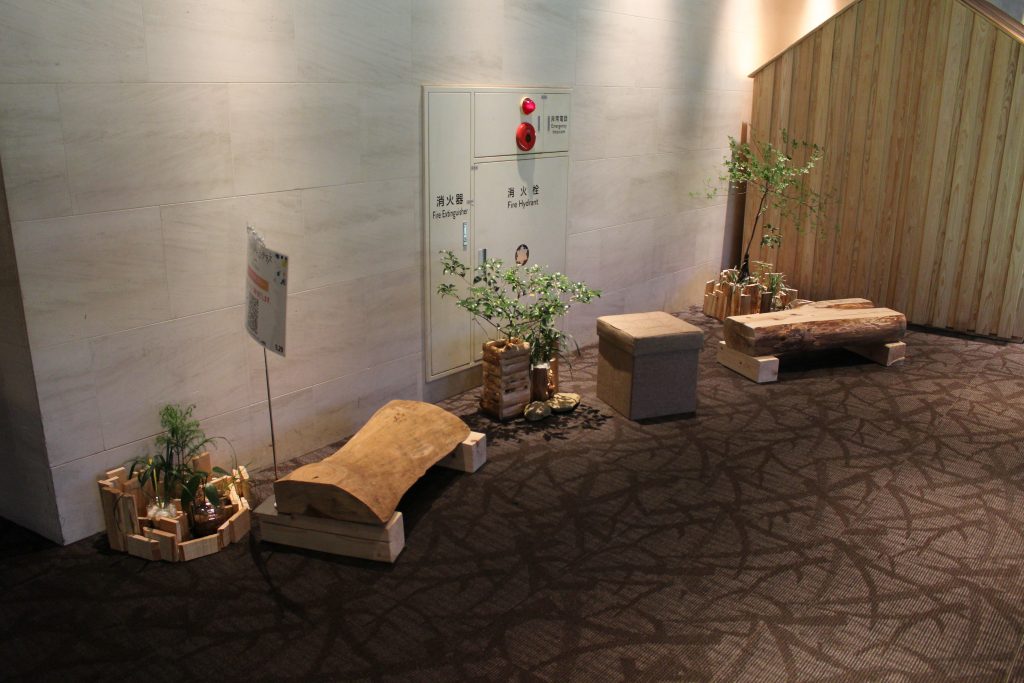
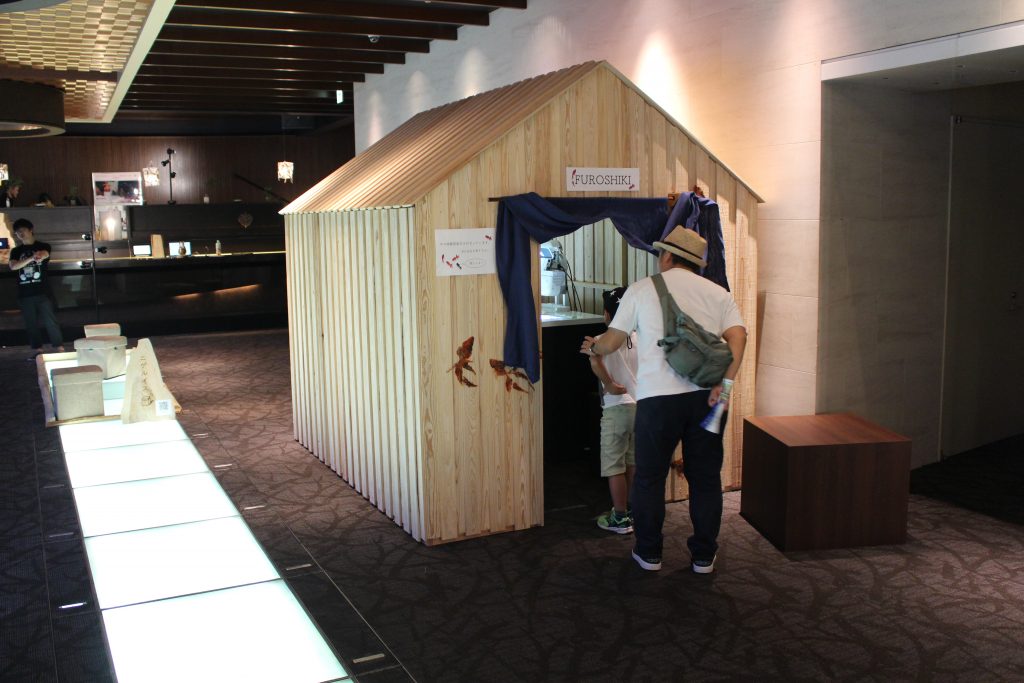
The design concept for the exhibition space was ``Saimori's environment - the latest innovations born from TSUKUBA,'' and the space was decorated using dead branches obtained on the University of Tsukuba campus, wood and greenery from the Tsukuba Mountains.
“Saishin” is a word coined by Hashimoto.
Students from the College of Fine Arts' departments of environmental design, architectural design, information and product design, and crafts are involved in the decoration.
The person in charge is Mr. Sunaga, a second-year design major.
I think it was a tough job, but I did my best.
Additionally, we were able to use wood and greenery from the Tsukuba Mountains with the cooperation of Kanbayashi Sawmill.I'm really thankful to you.
The venue was in a corner of Roppongi Hills, next to TOHO Cinemas.This is how it looks on the day.Kurihara-kun is setting up an exhibition space that resembles a corner of a clothing store.This is what it looked like on the day.Kurihara is in charge of the design.Mr. Ito was in charge of the decorative design using the planting.Plants from the Tsukuba Mountains decorate the shelves.Rest/conversation space.A darkroom built using local wood from Mt. Tsukuba.Designed by Kurihara-kun.
Last weekend, I participated in the "Home and Lifestyle Design Research 2019 Results Presentation" held at Kyoto Prefectural University.
Students from Daido University's Watanabe Lab, Meijo University's Ishii Lab, Kyoto Prefectural University's Nagano Lab, and Tsukuba University's Hashimoto Lab gave presentations, and Professor Horikoshi from Aichi Sangyo University also participated.
There were 29 presentations by 25 students.
There were many questions from the students, and the discussion was lively.
I was surprised that both Mr. Urakawa and Mr. Mizuhata's presentations were better than their presentation practice at the seminar.
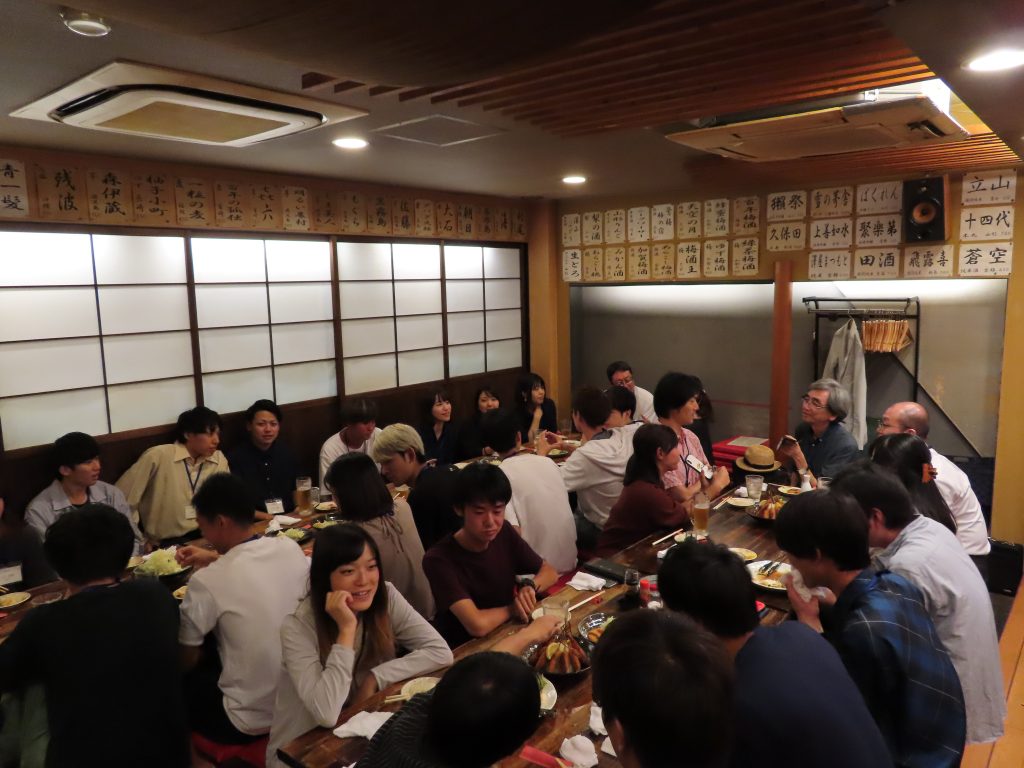
Mr. Urakawa's presentation.Mr. Mizuhata's presentation.The social gathering after the presentation.
Professor Hana Takamatsu of Yanbian University has been participating as a guest in our seminar since October.
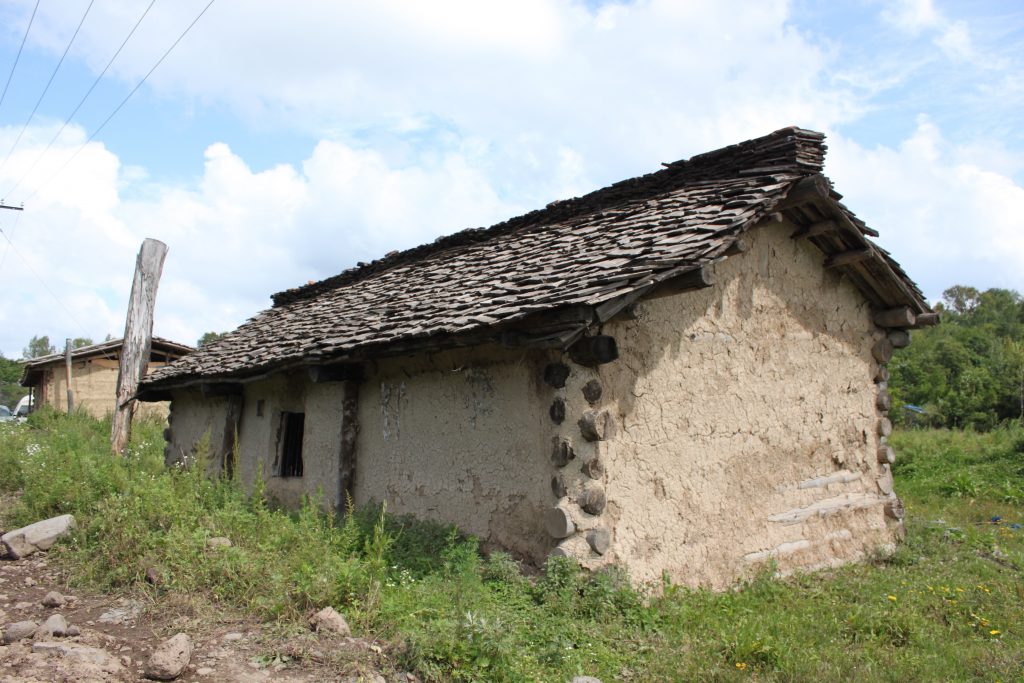
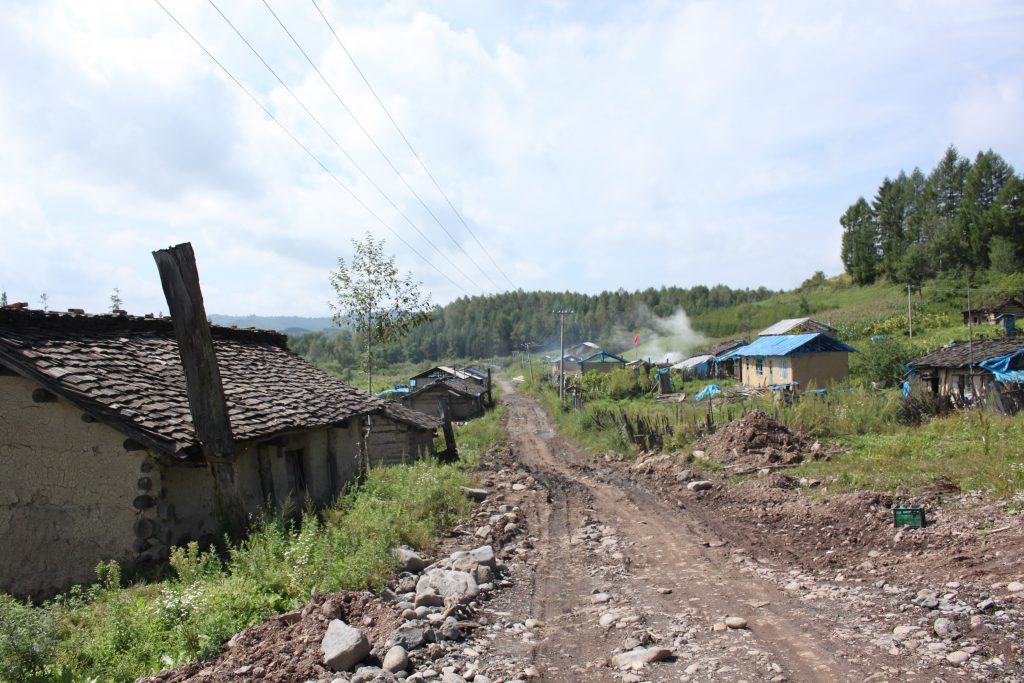
In last week's and this week's seminars, Professor Ko gave a presentation on one of the subjects of his research, the Igan-style private houses in Yanbian, China.
The Hashimoto laboratory also participated in the 2011 survey as a member of a joint team including the Ando laboratory and the Fujikawa laboratory.
Iki style private house.Create a wall by filling and hardening the logs set up on the crossbeams with soil.Situation of the village.The chimney made by hollowing out a log is symbolic.Han houses have kang, and Korean houses have ondol.The roof is thatched.
We have adjusted the seminar schedule for the fall semester.
At the University of Tsukuba, the curriculum is organized into two semesters: spring and fall semesters.
This fall semester, a seminar will be held focusing on the graduation research of Ms. Ito, a fourth-year student.
At the University of Tsukuba College of Art, Department of Design, students work on both a graduation thesis and a graduation project.
Recently, it seems that more and more architecture universities are focusing on either the graduation thesis or the graduation program, but it is still important to tackle both theory (research) and practice (design) as a culmination. think.It's hard though.
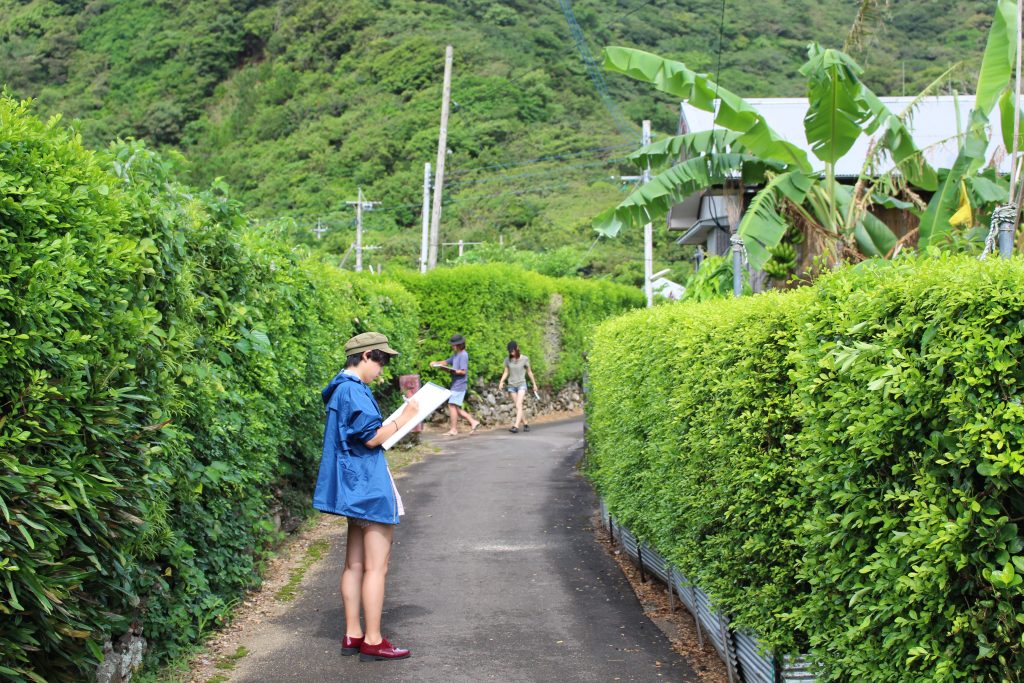
Ms. Ito is currently pursuing her graduation thesis and graduation program in the Sukomo village on Kakeroma Island in Kagoshima Prefecture.
Mr. Ito is currently researching the traditional hedge landscape of Sukomo Village.