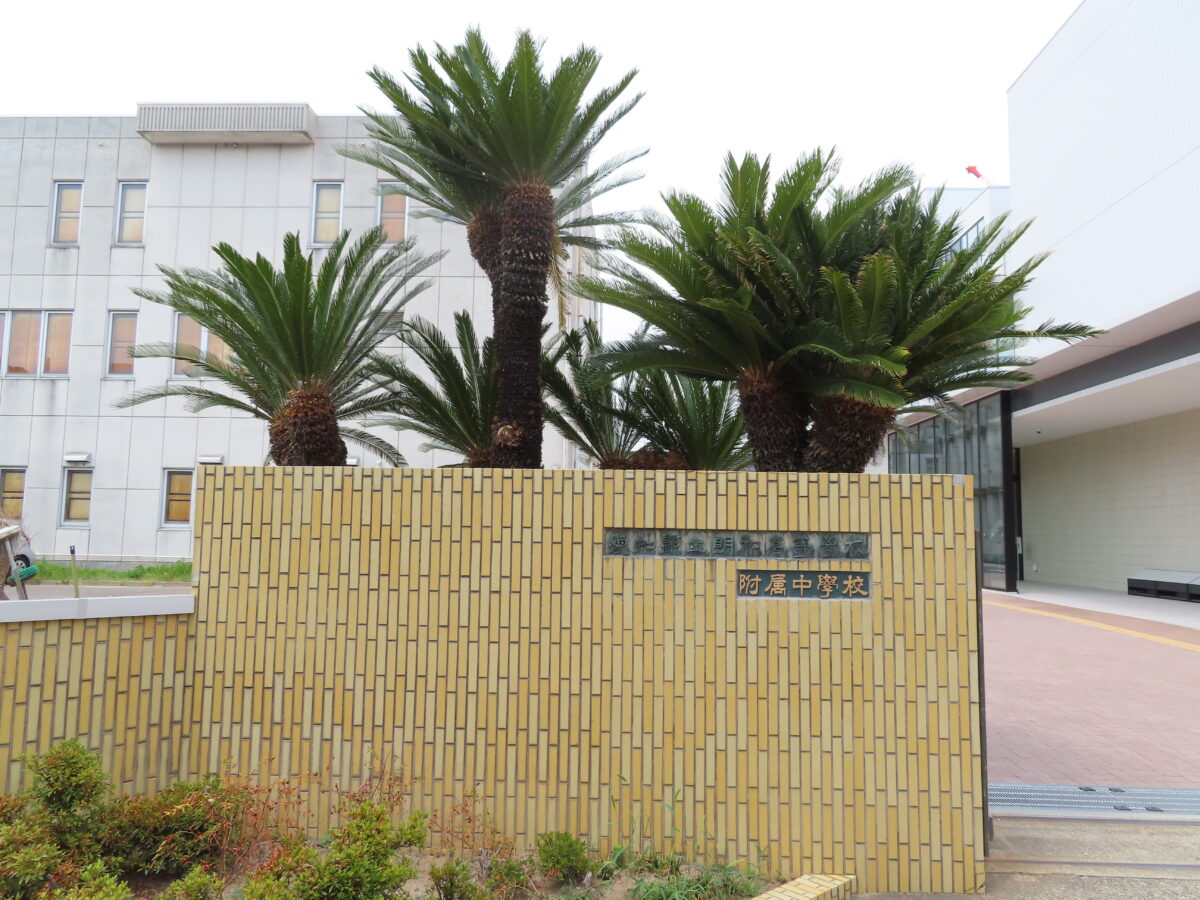
To my beloved alma mater, Meiwa.

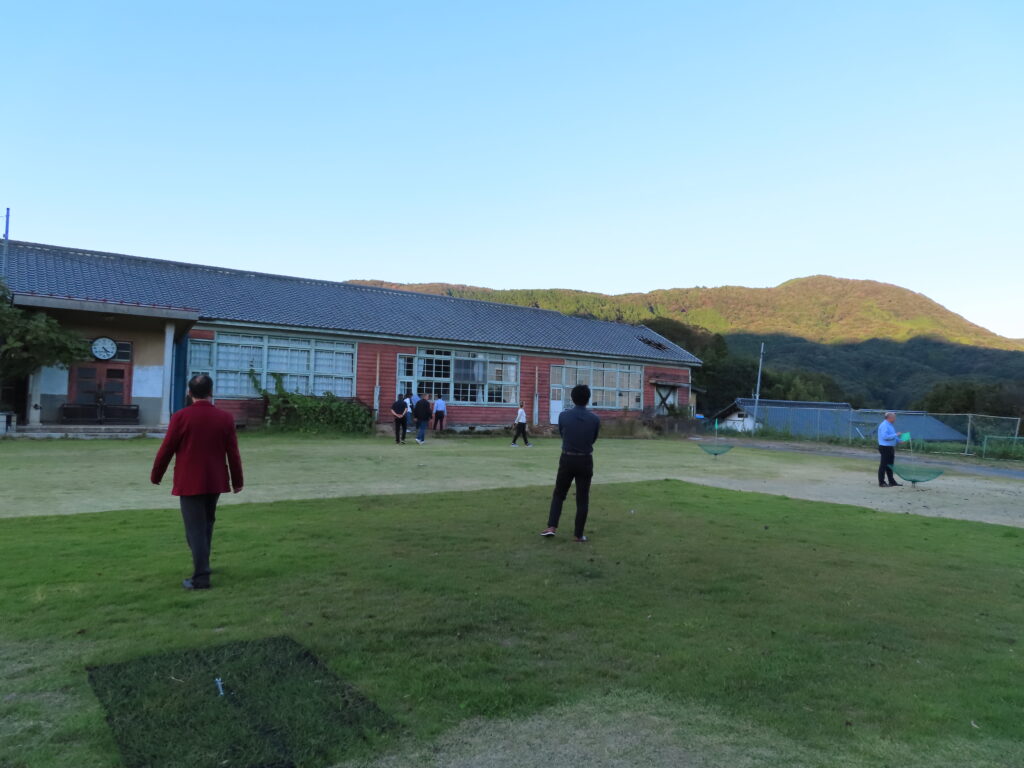
I went to Meiwa High School Affiliated Junior High School in Nagoya City.

My alma mater, Meiwa High School, became a combined junior and senior high school last year, and this time I was invited to be a lecturer for their inquiry-based learning program, "MCJ Summer."

I spoke to a group of bright and energetic junior high school students for about two hours, interspersed with a short workshop.

After the session, the students actively asked questions.

Some students asked some pretty sharp questions.

I thought, "That's Meiwa for you." (Even though I was a struggling student.)

I feel like I've gained strength to look towards a brighter future.

Including the fact that we encountered a terrible sudden thunderstorm along the way, it was a great memory.

I would definitely like to visit again if I have the opportunity.


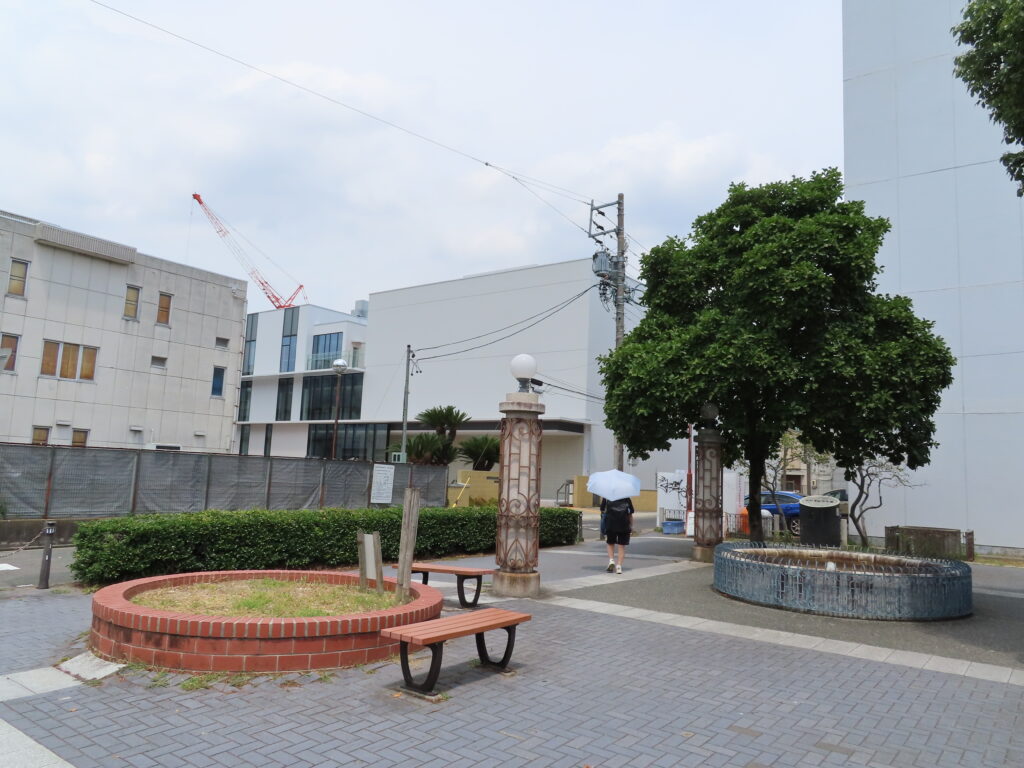
I was quite shocked to find that the metasequoia tree, which was the symbol tree of Meiwa, was gone.
HES48 Tsukuba

The 48th Human-Living Environment Symposium (Tsukuba) was held at the University of Tsukuba, and I had the honor of serving as the conference chairperson.

Thanks to the support of many people, including the members of the executive committee, our university's assistant professor, Dr. Kanno, the student part-timers, and the reception staff, we were able to accomplish this important task without any problems. Thank you very much.

We would like to express our sincere gratitude to everyone who participated.


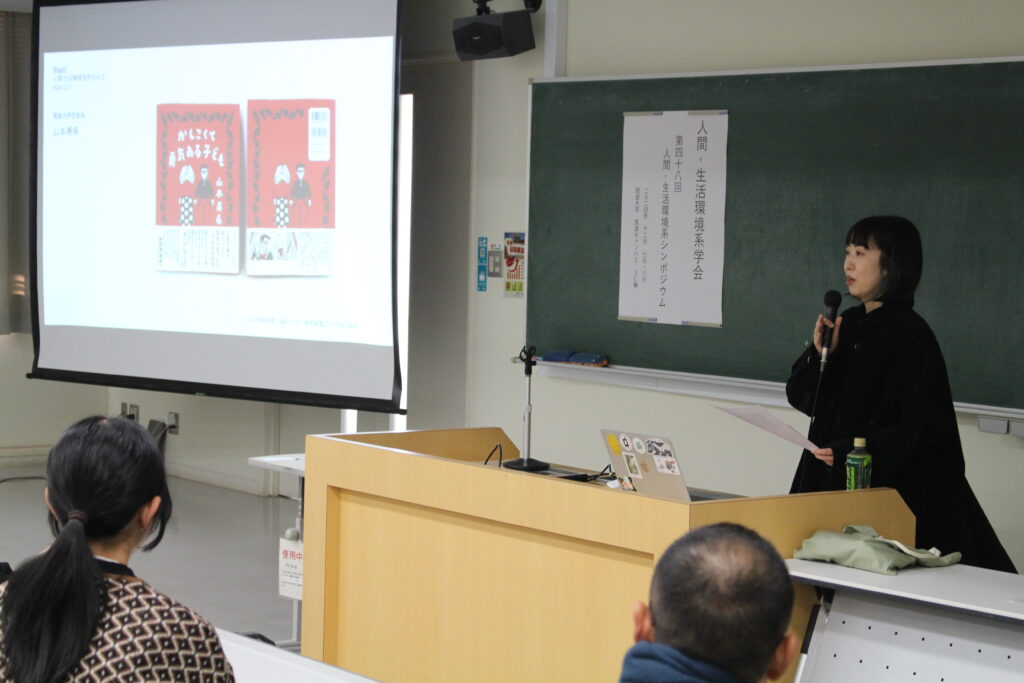
We asked Miki Yamamoto, an associate professor at our university and a manga artist, to give a special lecture.
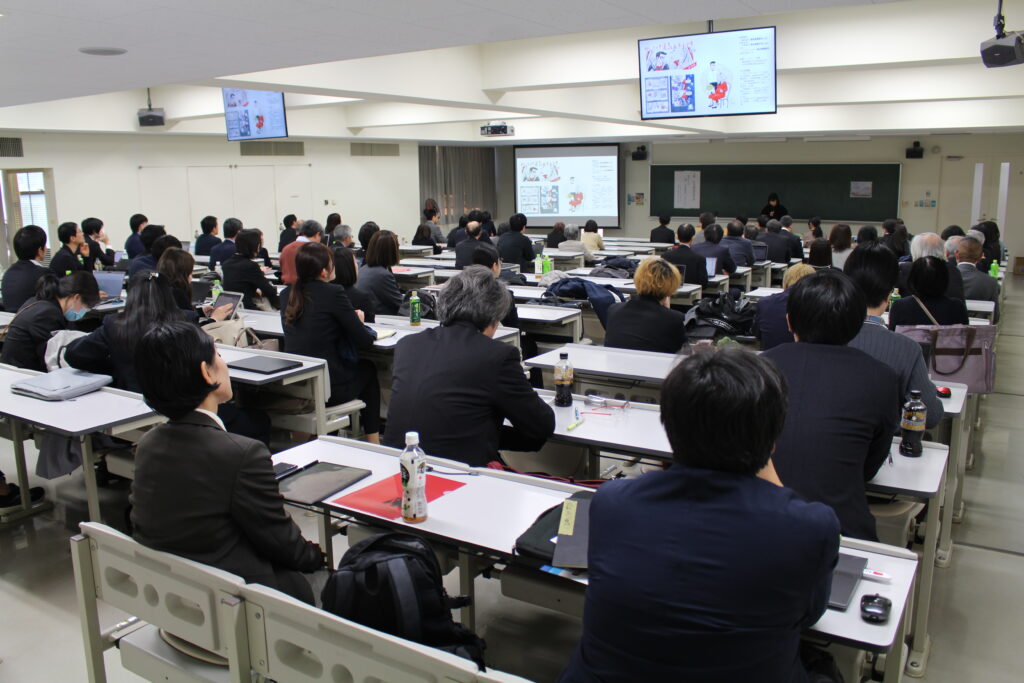
The oral presentation venue.
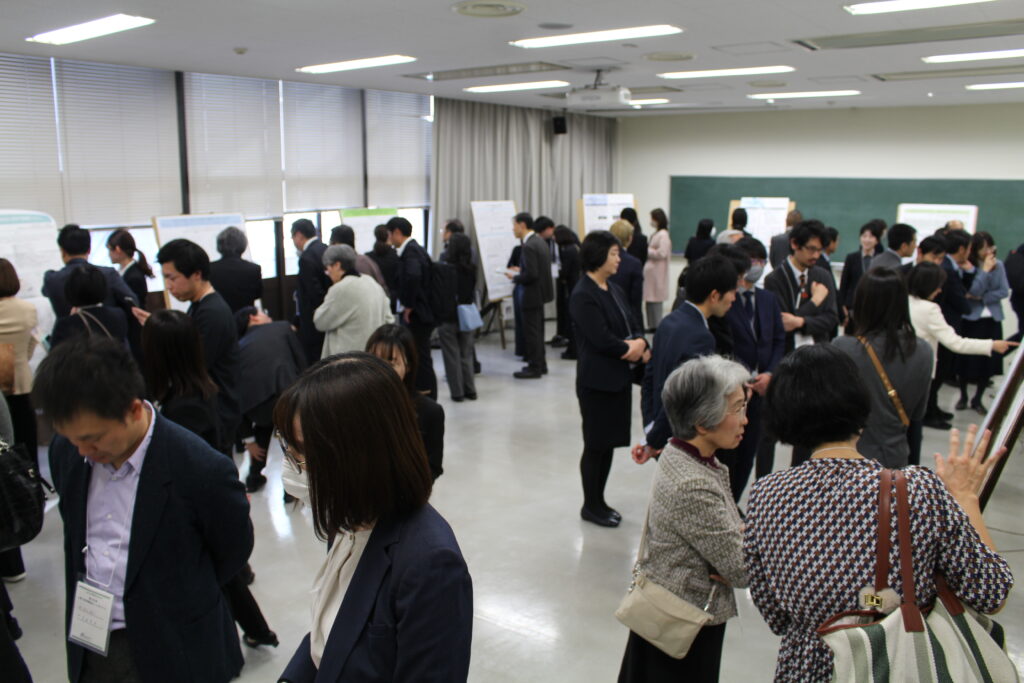
The poster session venue.
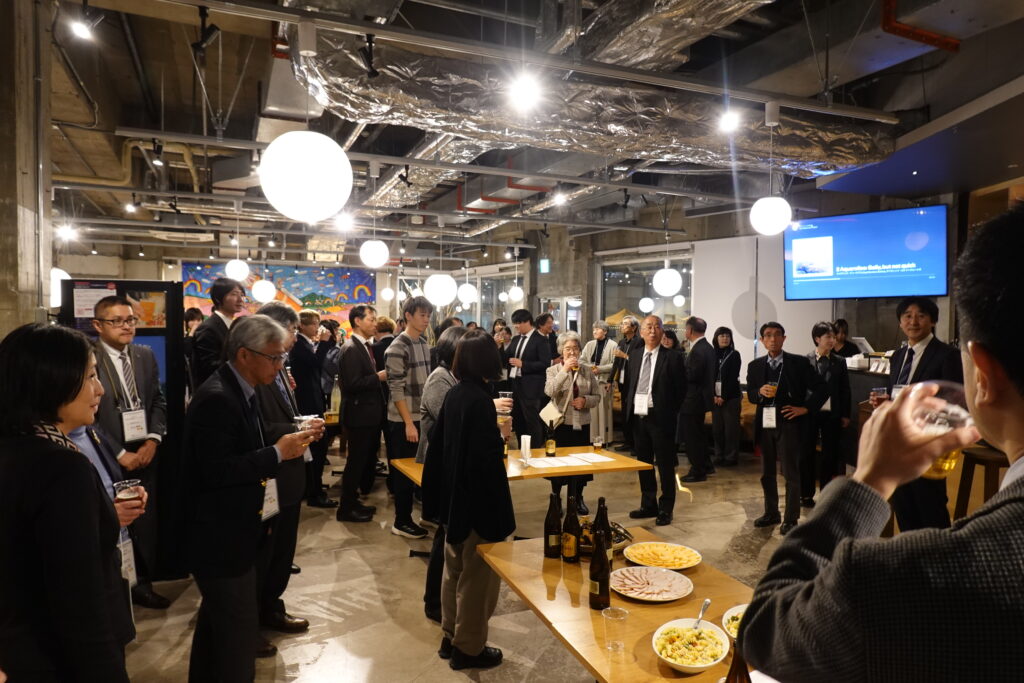
The social gathering venue.

tea hall

This is the story of this month (March 2024).

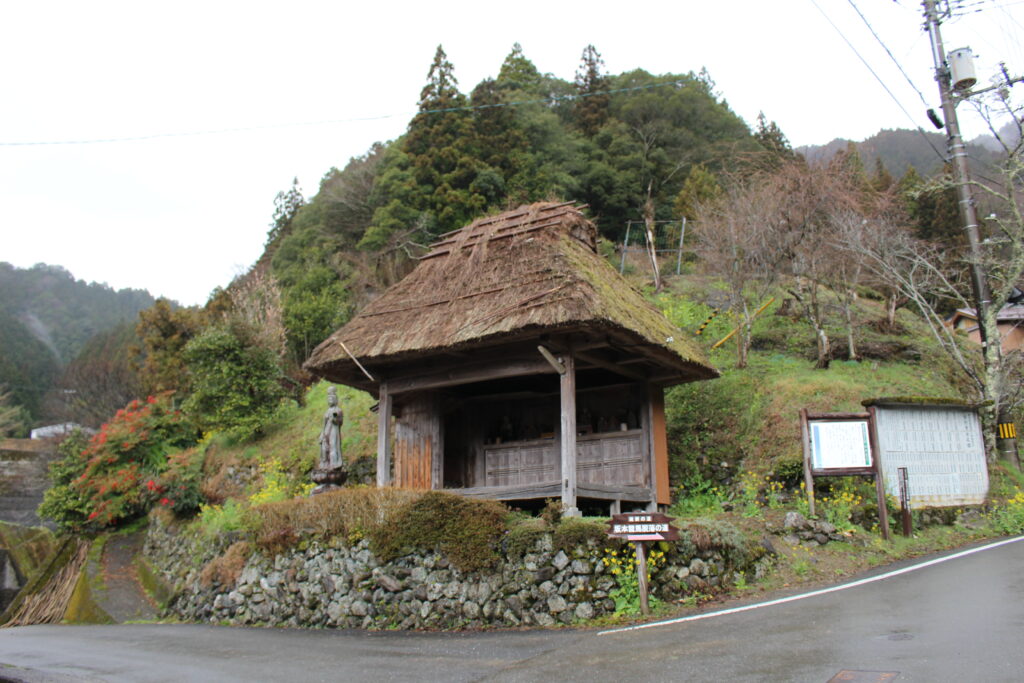
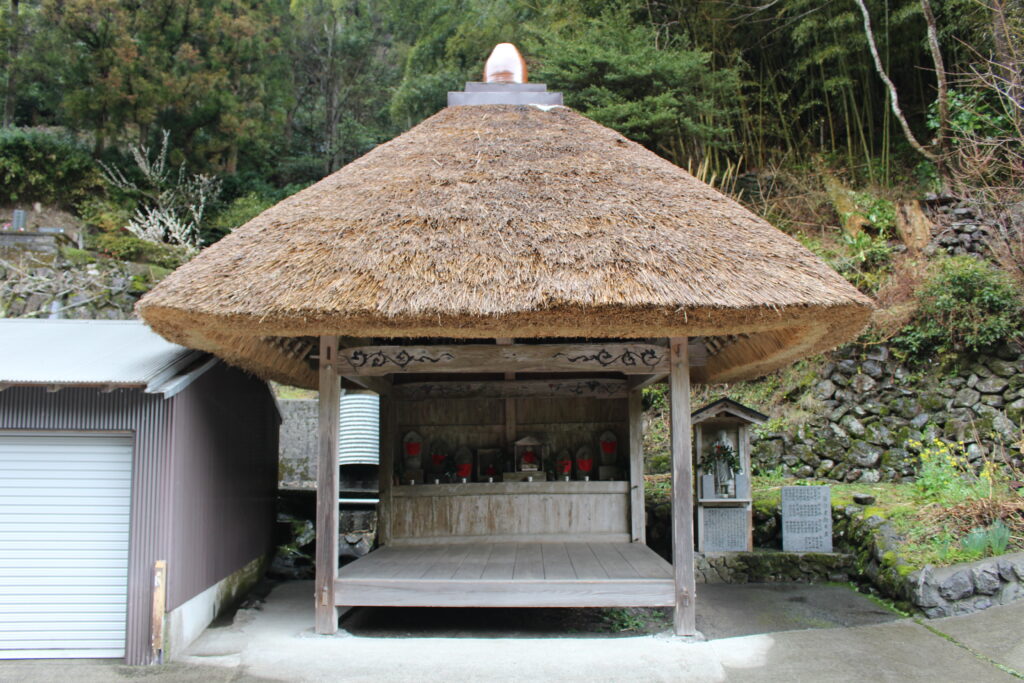
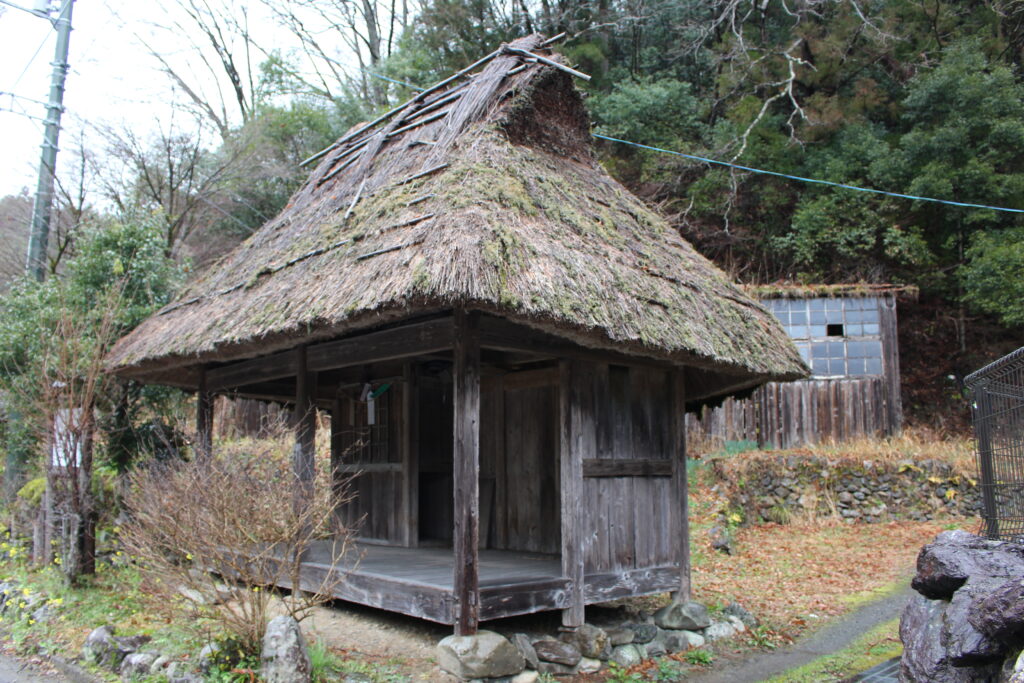
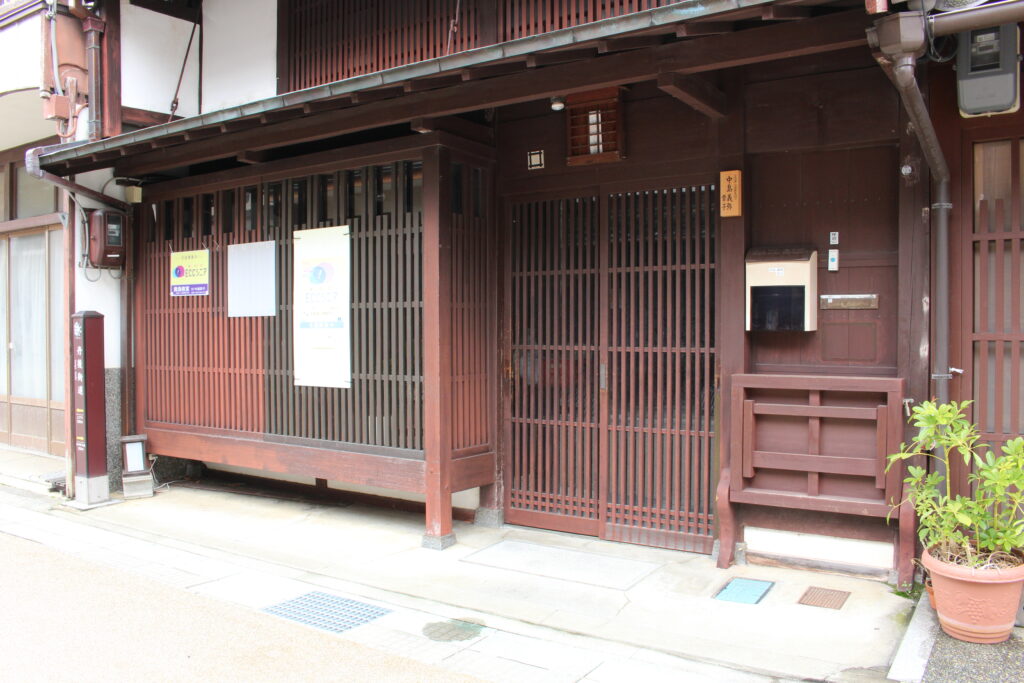
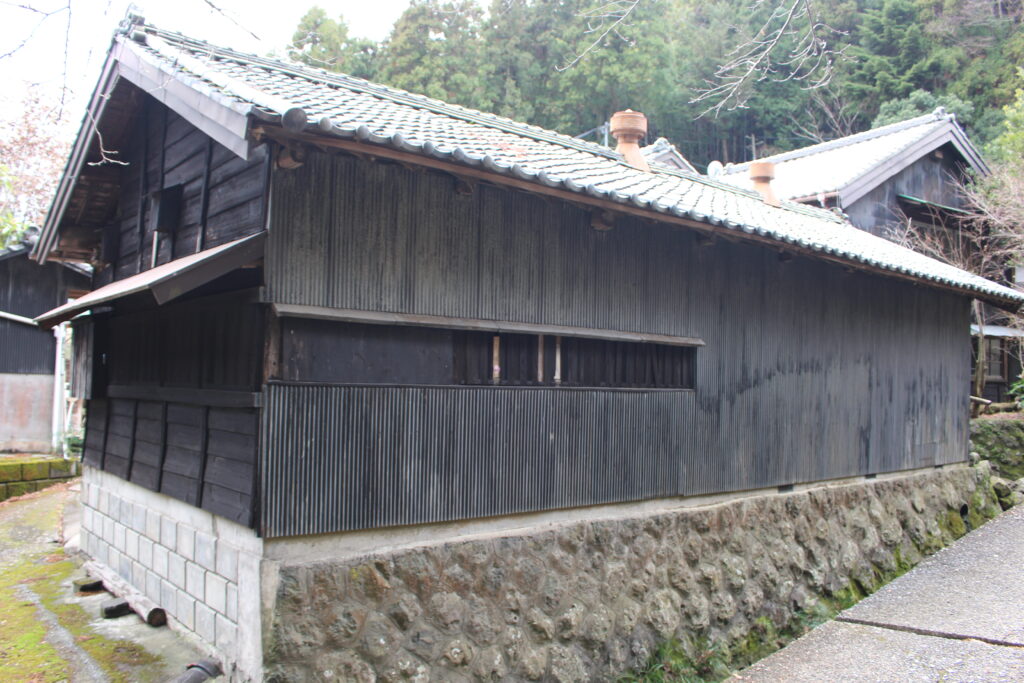
I went to Kochi Prefecture to see a building called a "chado".

This time with Professor Ishii from Meijo University.

The ``Chado'' is similar to the one I saw in Tokushima last year, but I feel that the ``Chado'' is a smaller structure.


Obama Nishi group

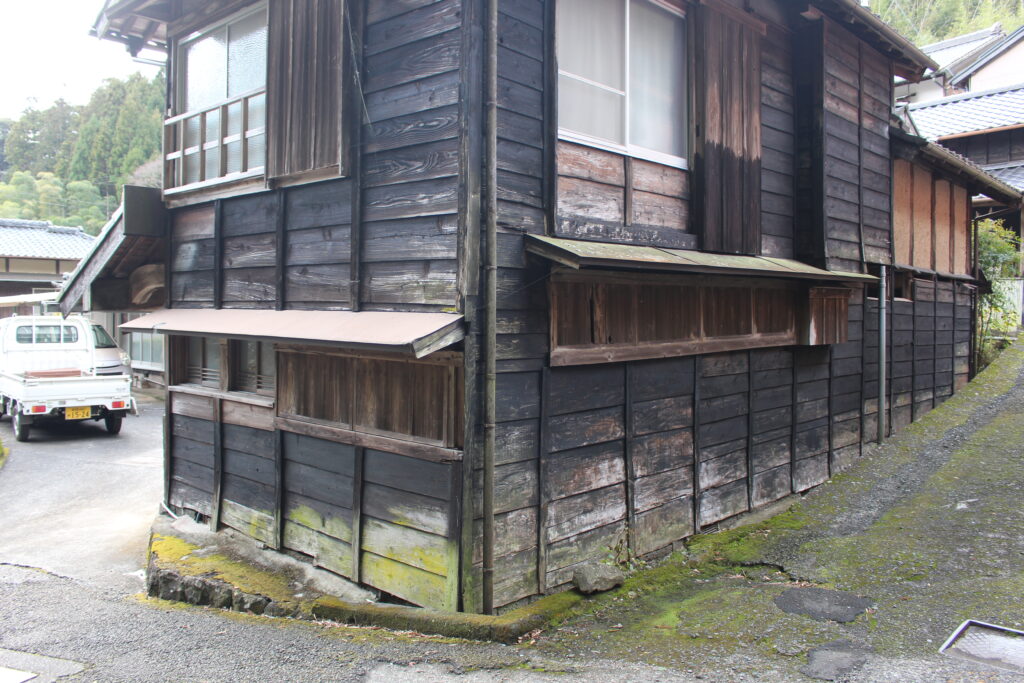
Along with Kumagawa-juku, I went to Obama Nishi-gumi.

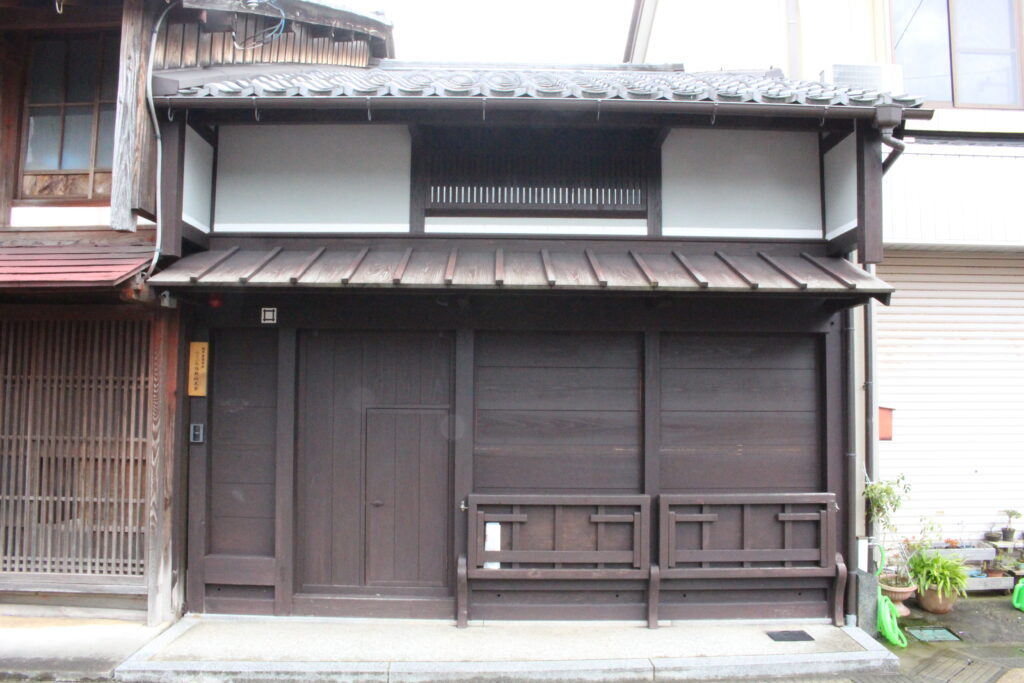
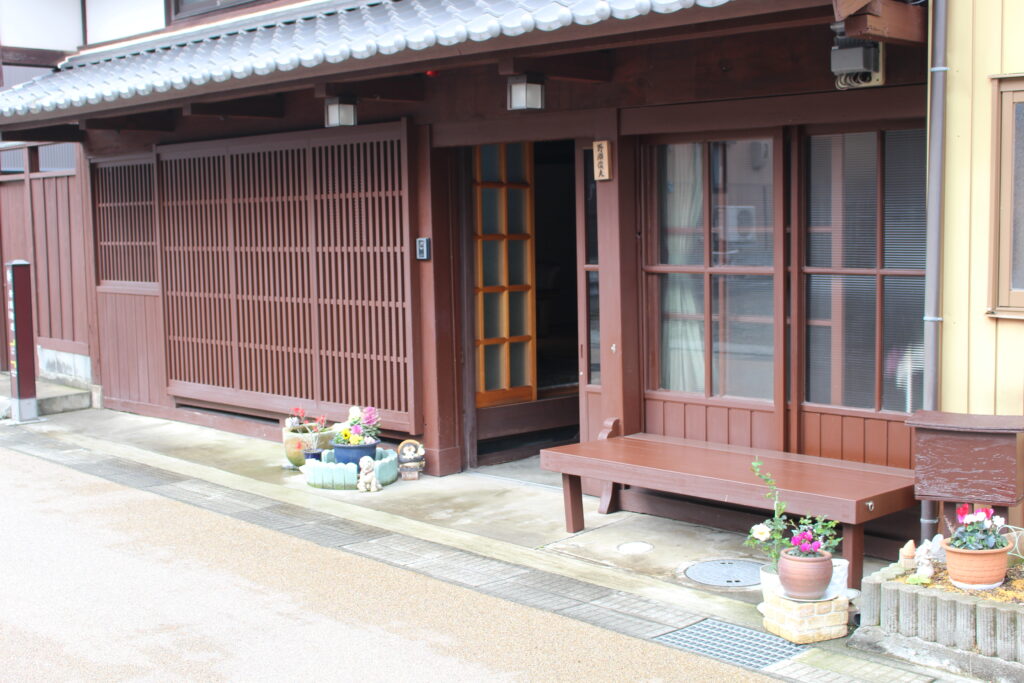
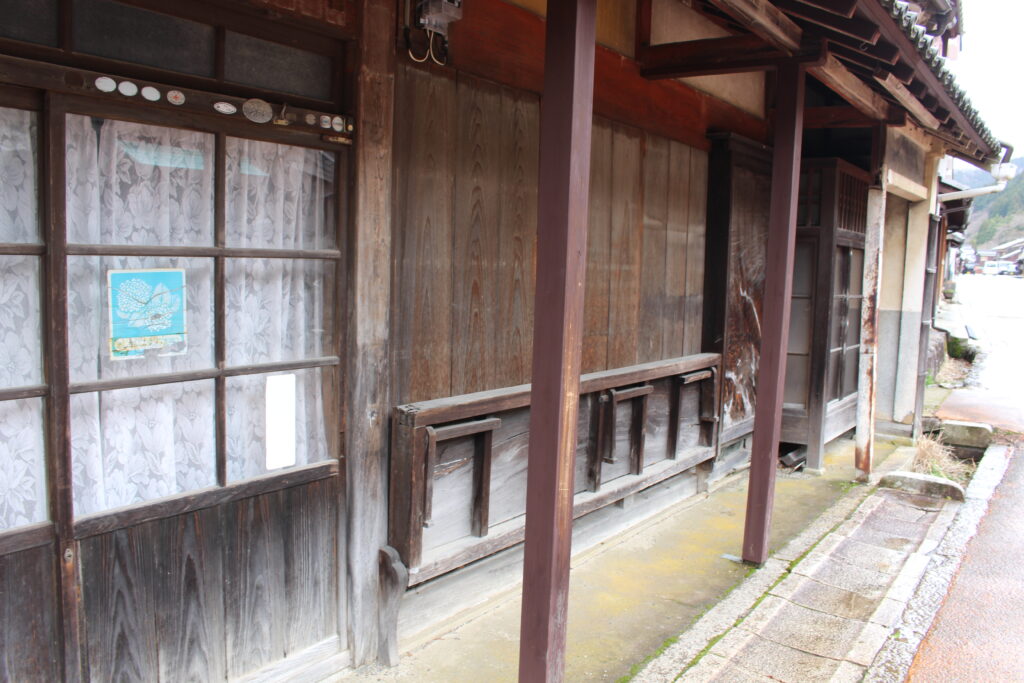
There is also a lower mise (battari alcove) here.

Some were attached to walls rather than openings, so perhaps their main role in this area was as a "place to sit".

Before air conditioners became popular, they were used to cool off in the evening.

However, some of them still exist as a set with the upper mise, so the mystery remains.


This time, I experienced staying in all 47 prefectures.


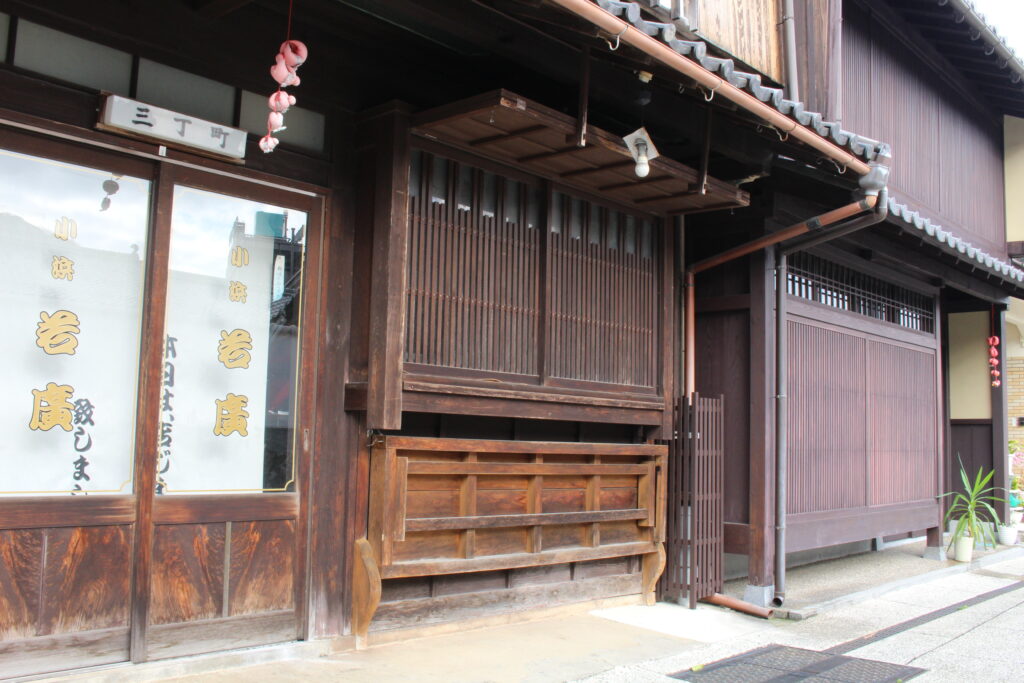
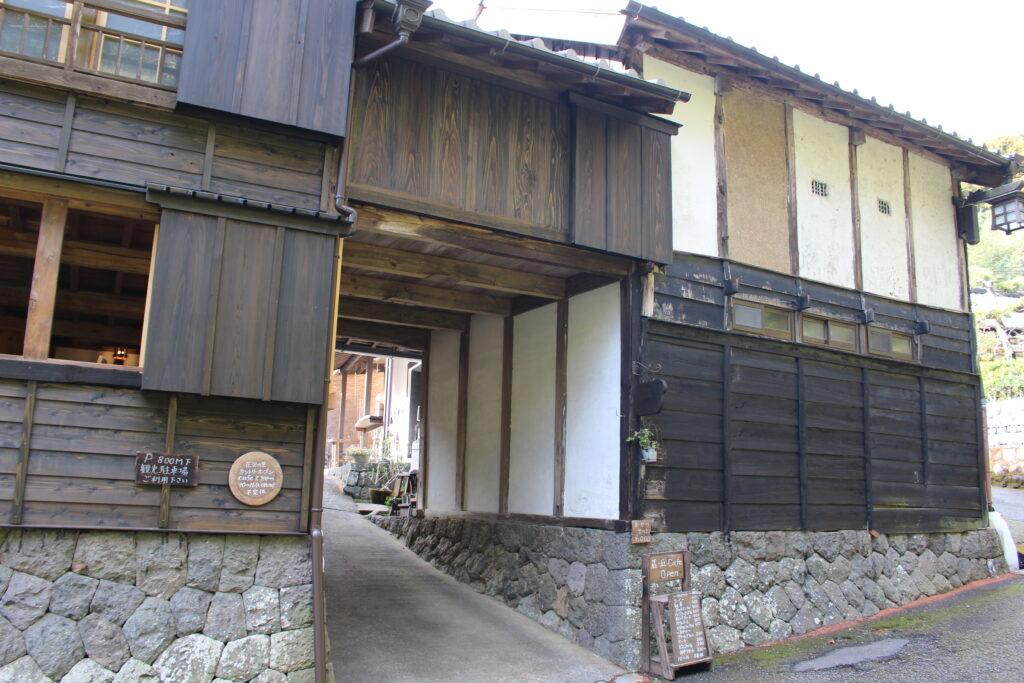
There is also a bottom bar in Obama. In this area, it is called "Gattari".
There is a one-person size thing on the wall next to the entrance.
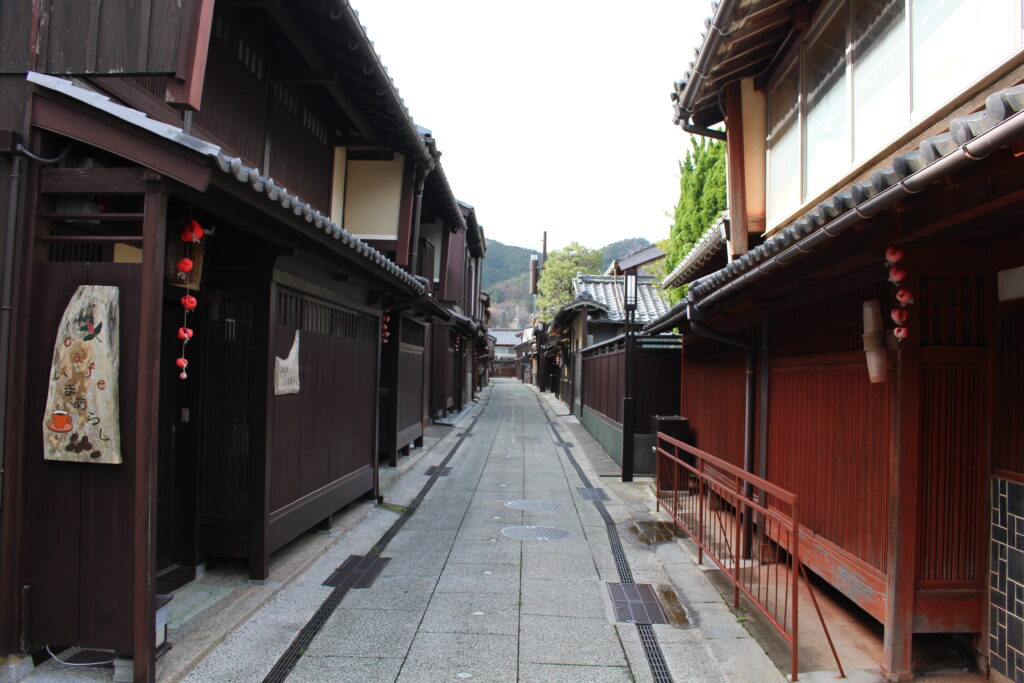
This street was originally Chayamachi. According to the residents, there used to be many geishas and the area was lively.
A resident opened it for me. Thank you very much for listening to my various stories.
This is a set with upper mise. However, the format is different from the type often seen in Tokushima.
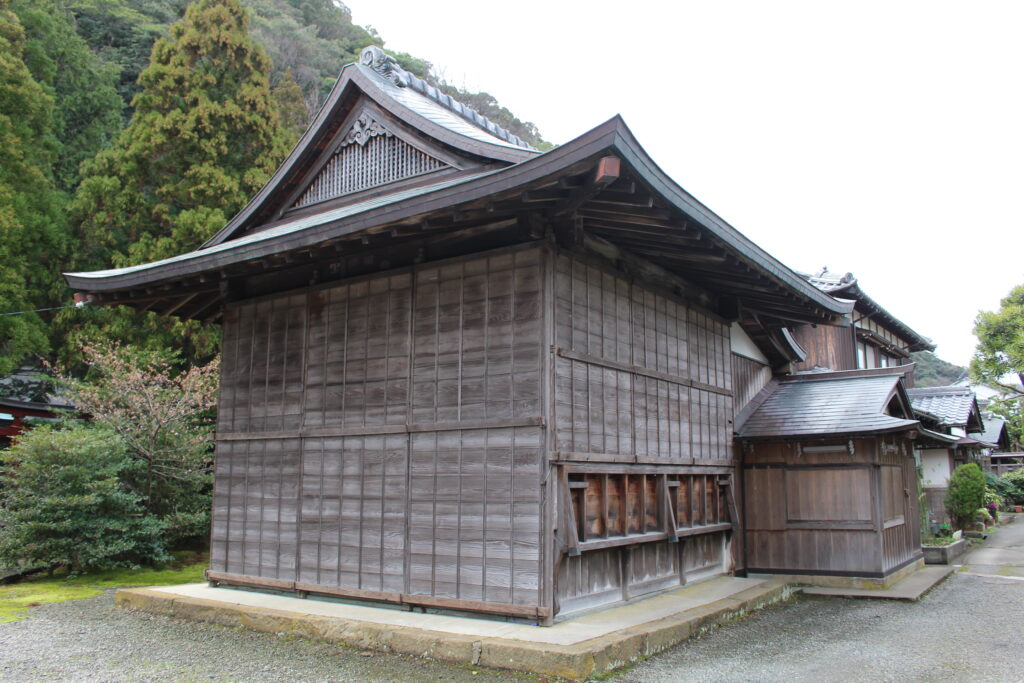
Also on buildings within the shrine grounds.

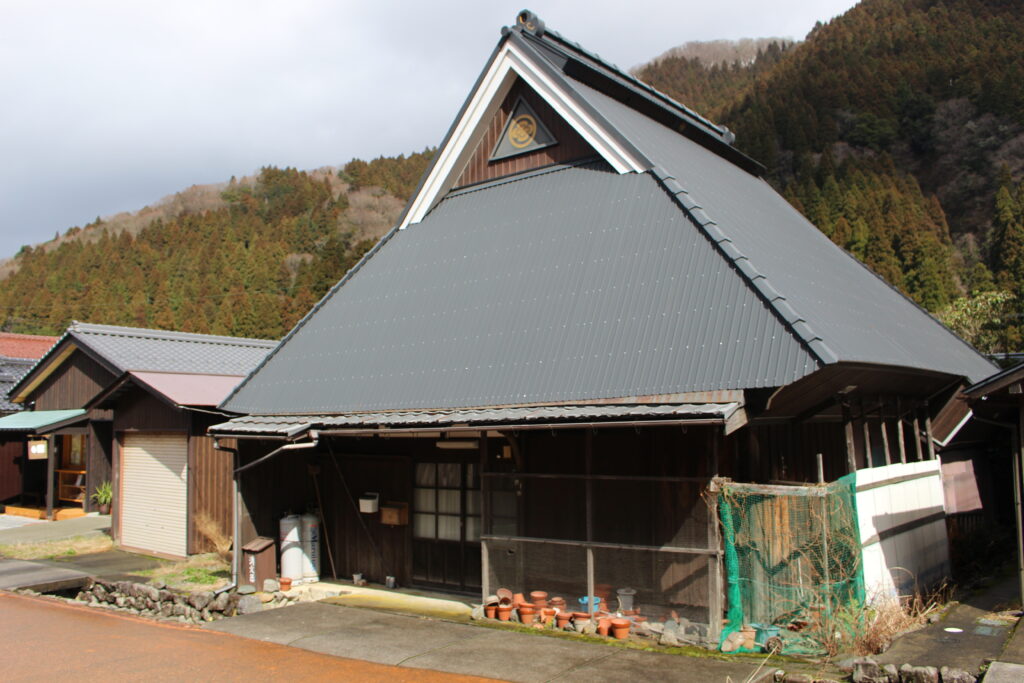
Kumagawa-juku

This is a story from last month. I can't keep up with the reports.


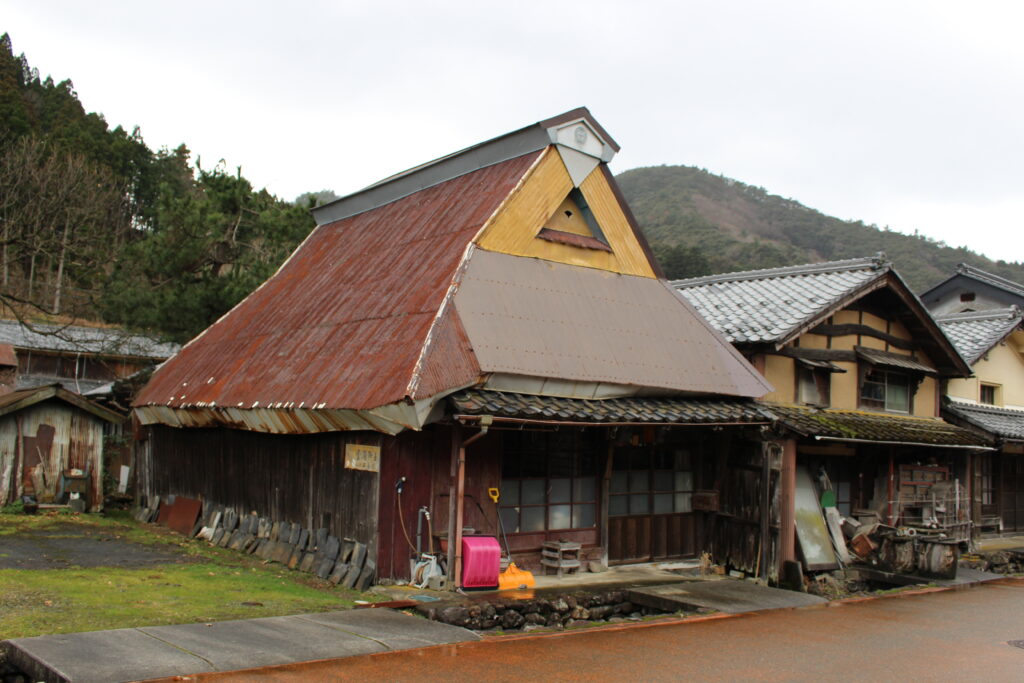
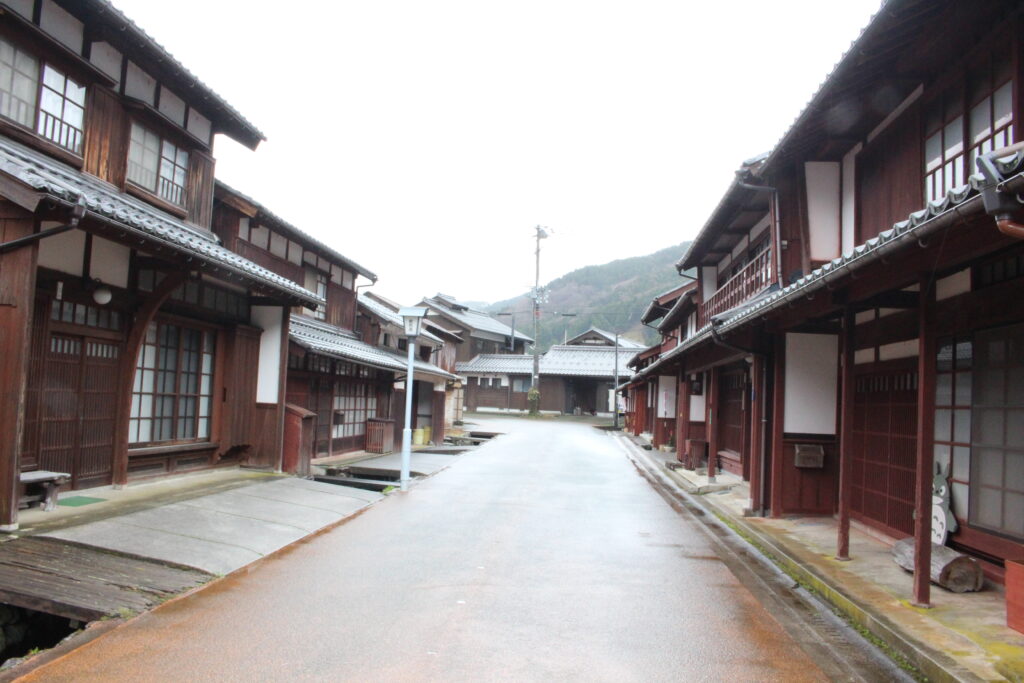
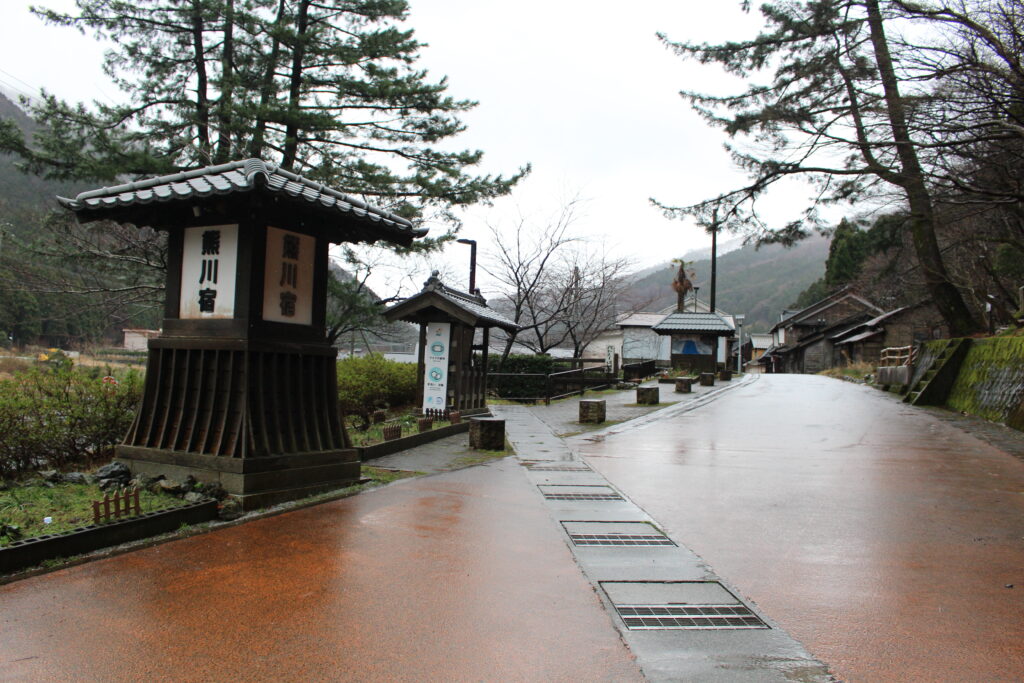
I went to Kumagawa-juku in Fukui Prefecture.

It snows, it rains. The north wind is strong. it was cold.

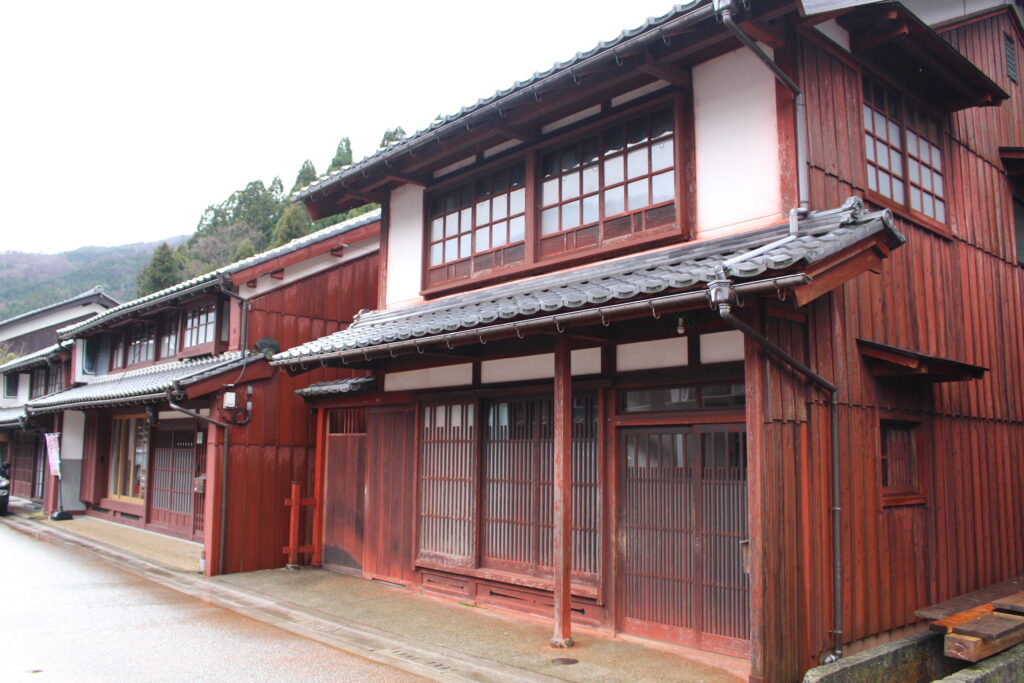
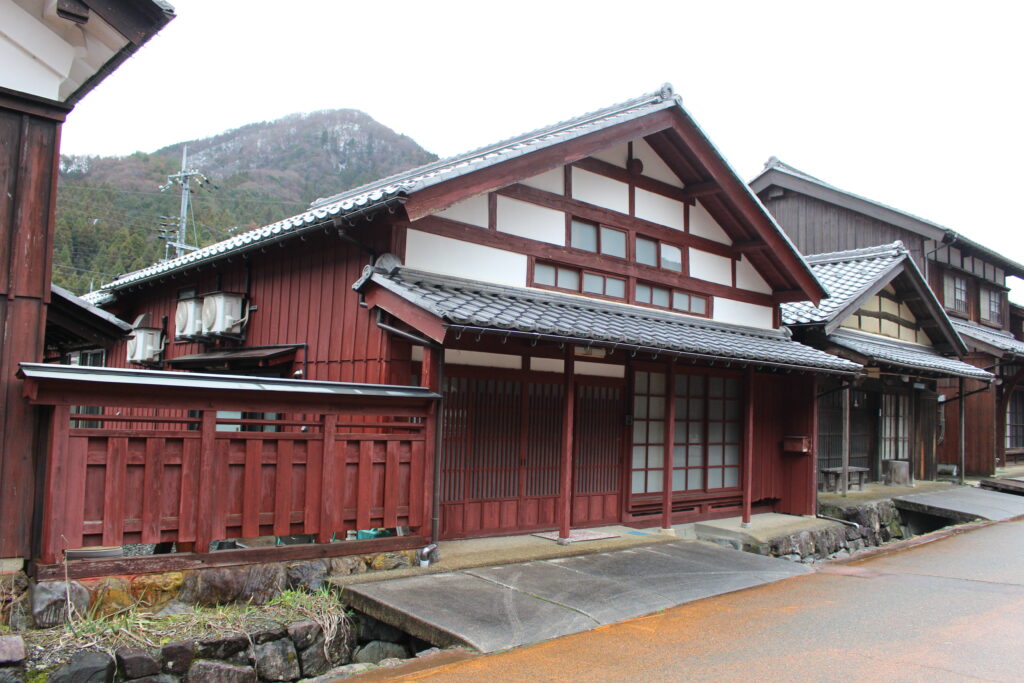
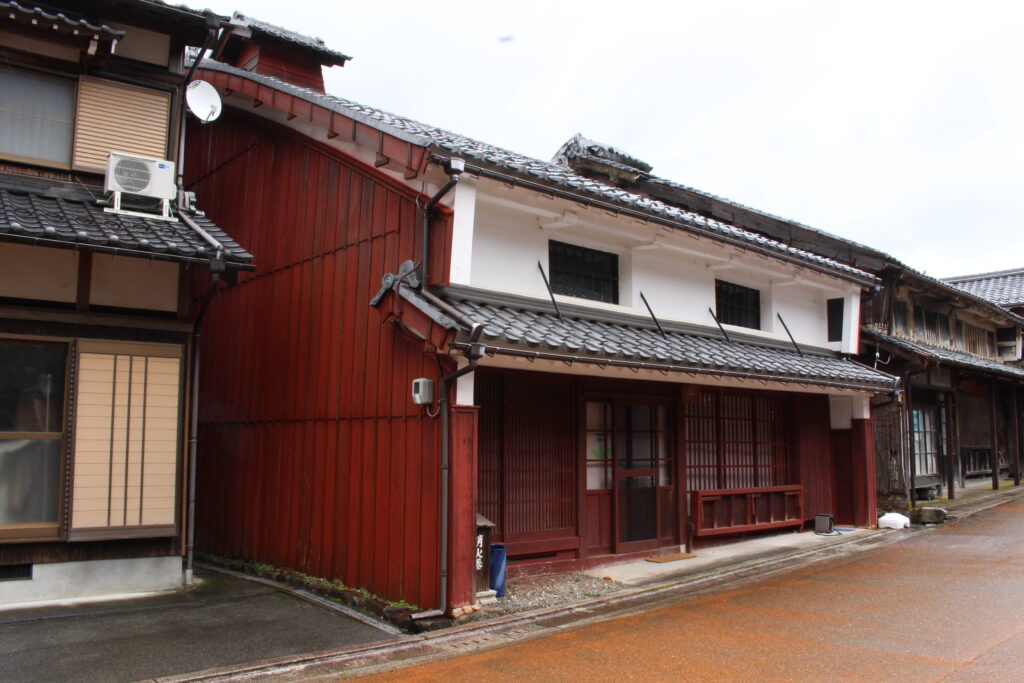
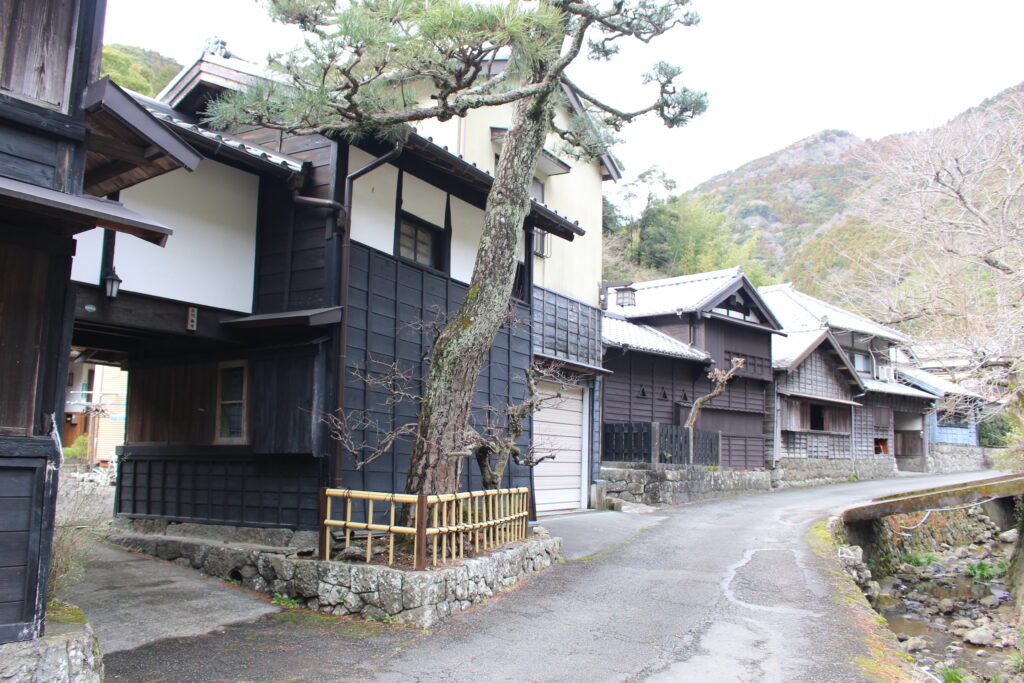
Depending on the area, the townscape may be well preserved or not so great.

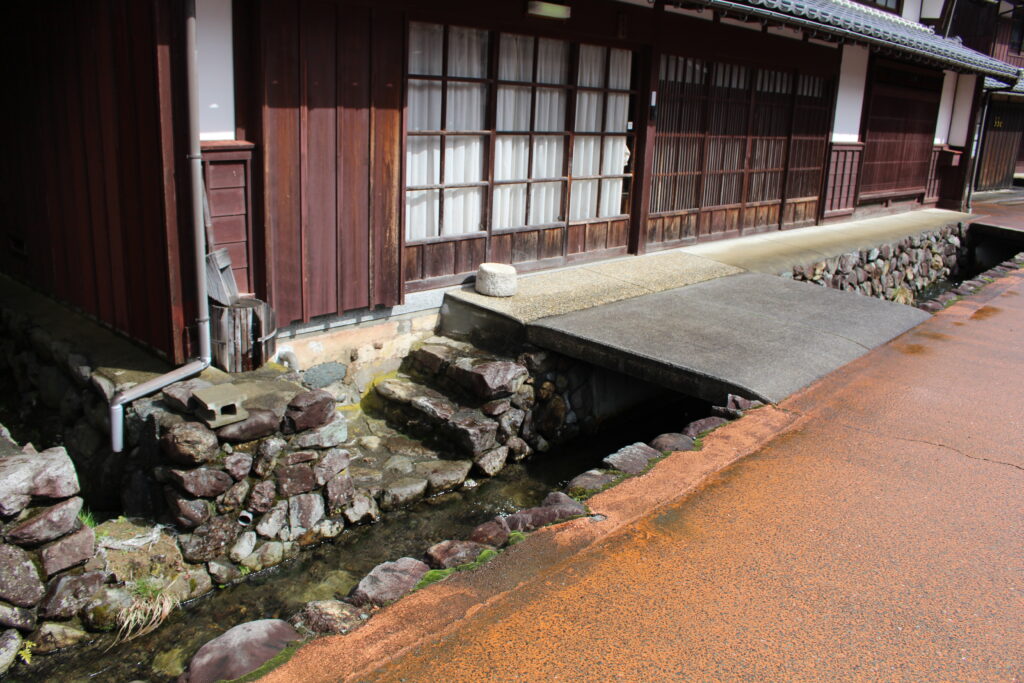
The buildings and waterways decorated with red red grass are impressive, but it seems that the town was originally thatched.

The bridge over the waterway seems to be this size so that cars can be parked.

Deciding where to strike a balance between modern life and the preservation of traditional townscapes is a difficult issue.

And, to my surprise, there is also a bottom bar.


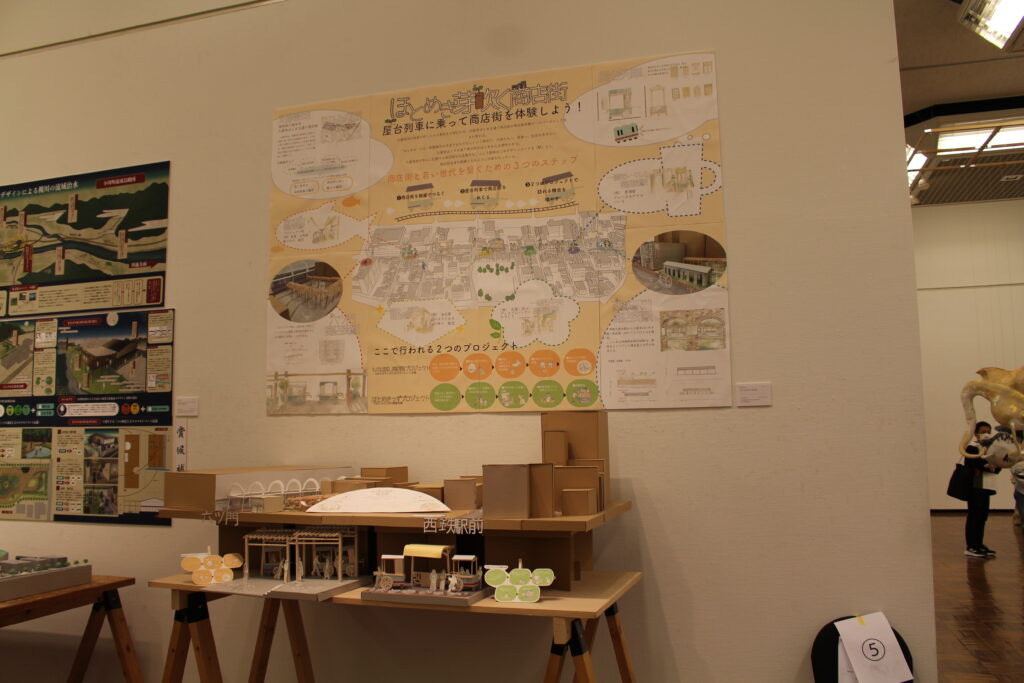
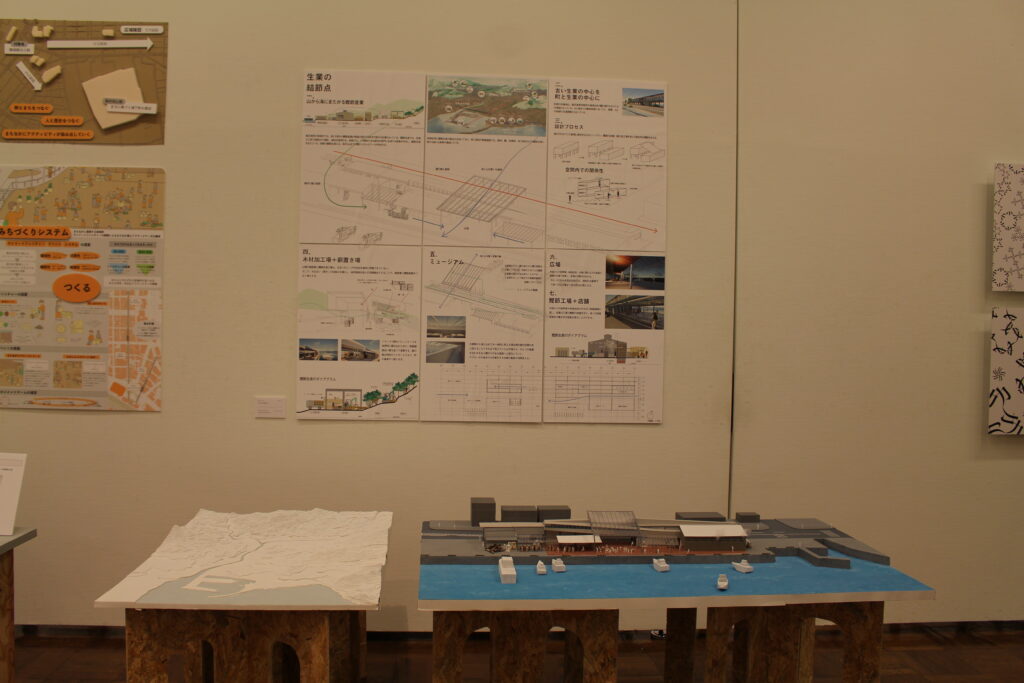
Graduation exhibition

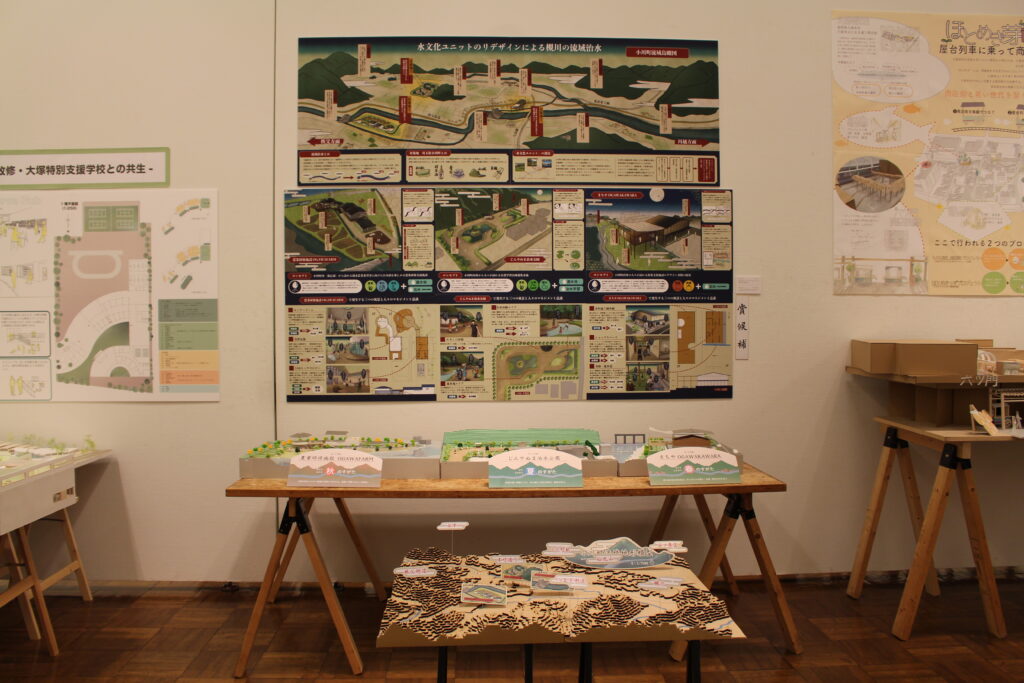
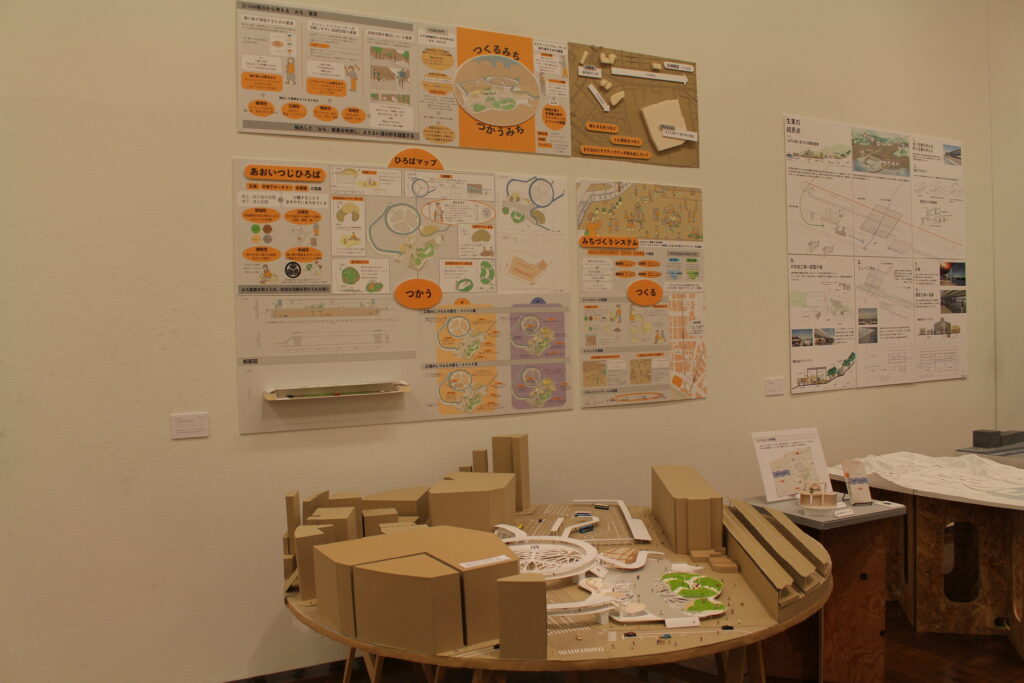
A graduation exhibition was held again this year.

The environmental design graduates' work shows that they worked hard to brush up on their work in preparation for the exhibition.

The layout of the exhibition space was a little different from previous years.


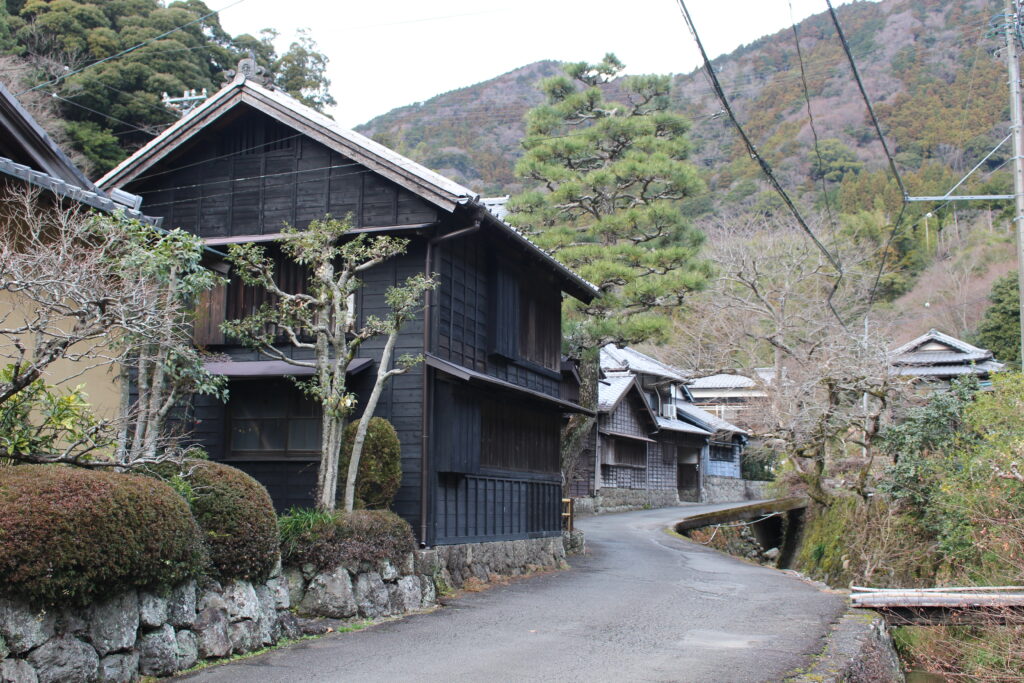
To Yaizu

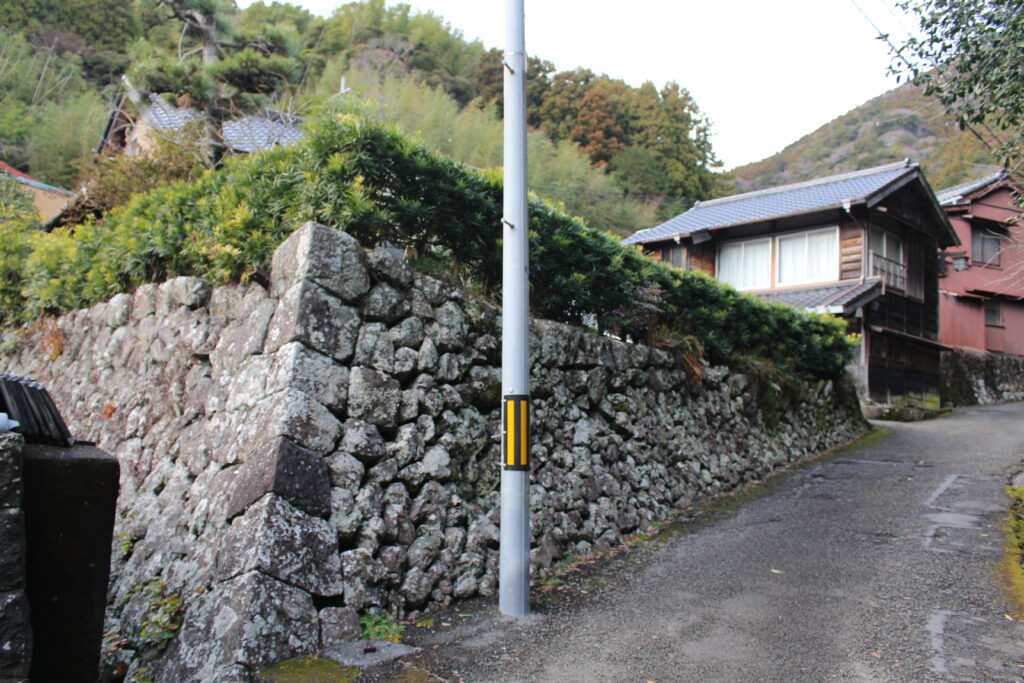
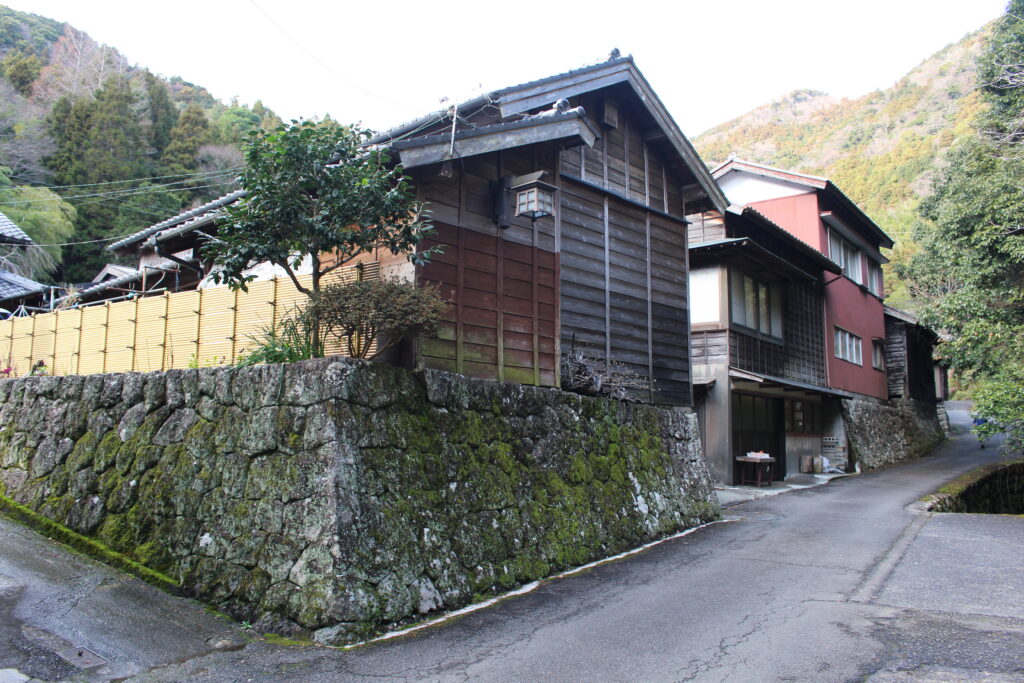
I went to the Important Preservation District for Groups of Traditional Buildings in Yaizu City, Shizuoka Prefecture.

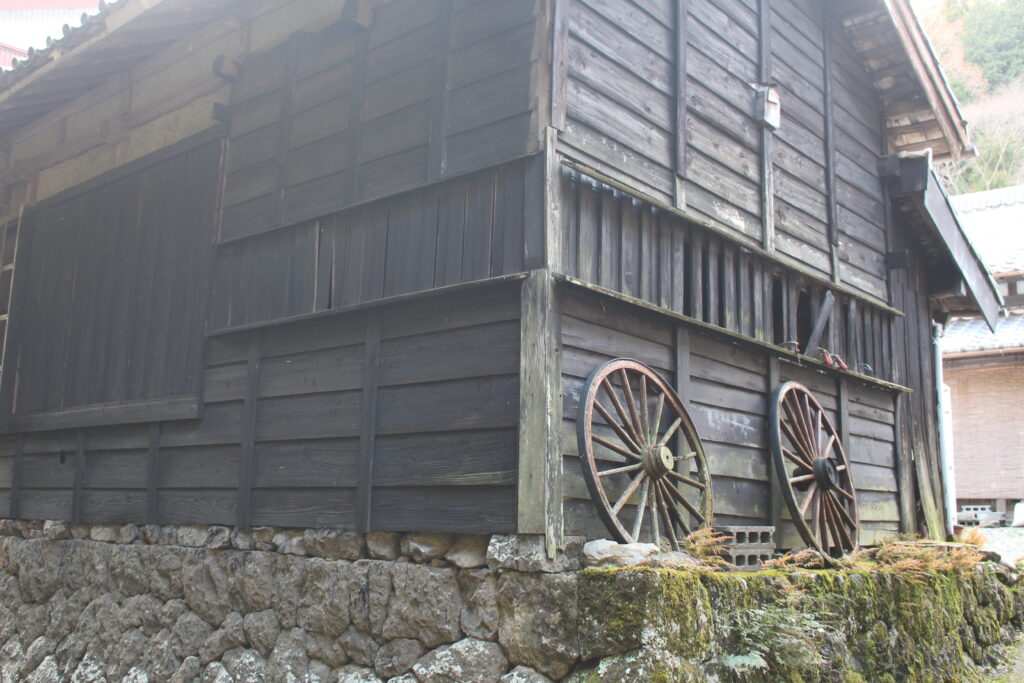
In addition to sericulture, this area was used to cultivate tea and mandarin oranges after the Meiji period, and attached buildings that appear to be mandarin orange huts remain.

It was built along a road on a slope, so it had a splendid stone wall.

I was curious about the opening, which I have never seen anywhere else.

The old road seems to be part of a hiking course, and many middle-aged and elderly people were walking there even though it was a weekday.


To Meijo University

The other day, I went to Meijo University in Nagoya to attend the ``Design Research Results Presentation for Homes and Living.''

I also talked a little about Yashikimori.

First time in Nagoya this year.

I missed the mitarashi dango and dark beer.

I have plans to go to Nagoya again soon.

Western Balkans and Yashiki Forest

This is a story from about half a month ago.

I had the opportunity to talk about Yashikimori to people from Kosovo and Montenegro.

After a brief 60-minute lecture at the university, I led a field visit to Ikigune in the Omasu village in Ishioka City.

It was said that this was part of training related to JICA's support for the maintenance of windbreak forests on cultivated land in Kosovo and Montenegro.


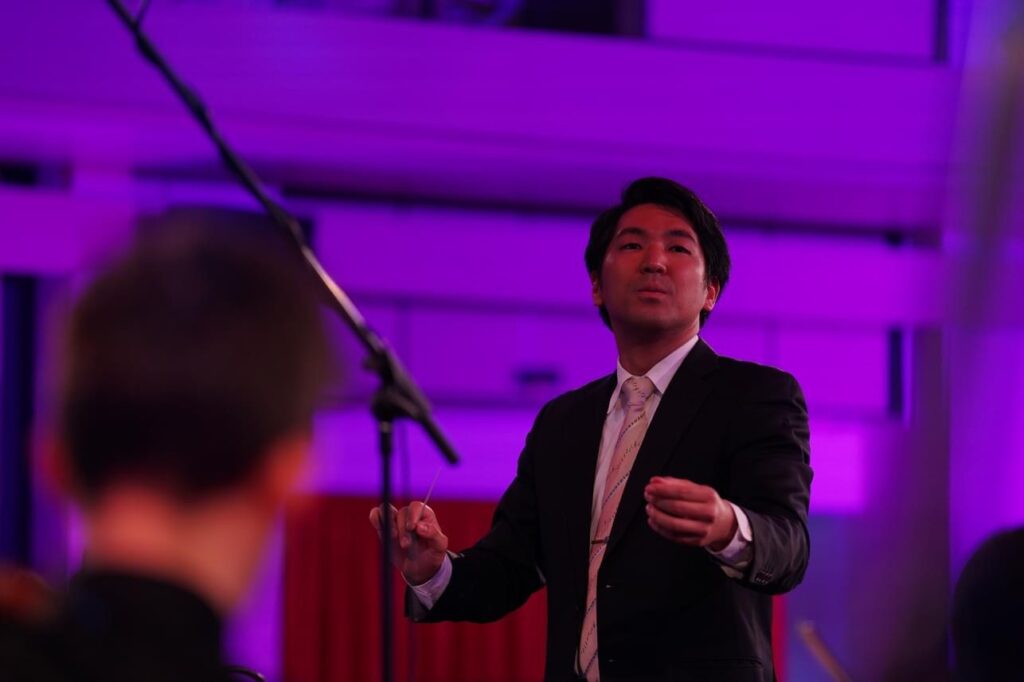
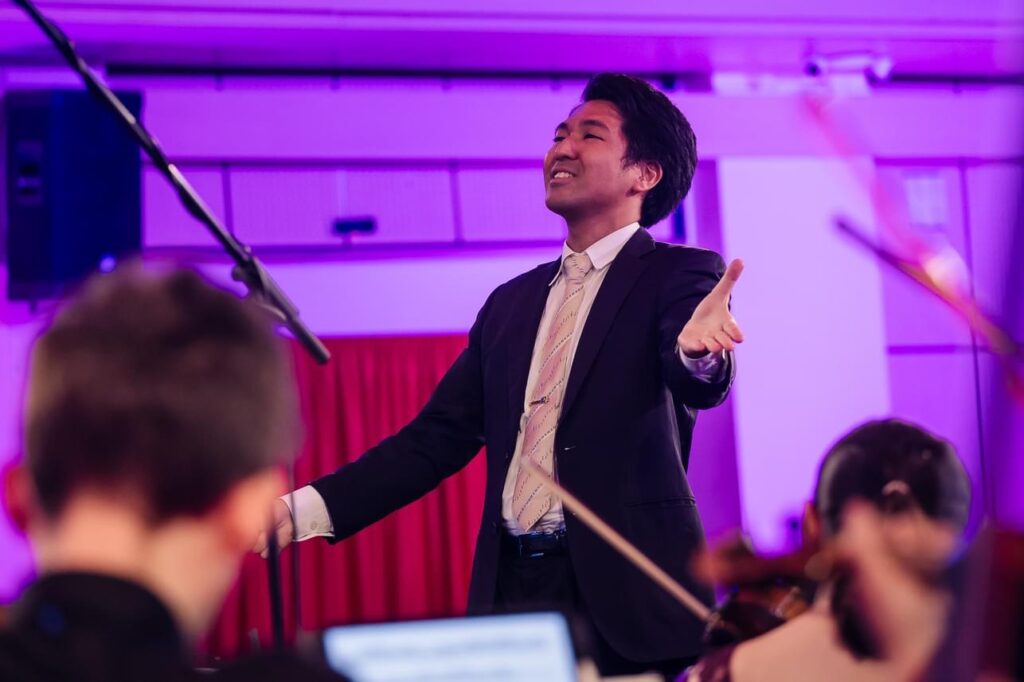
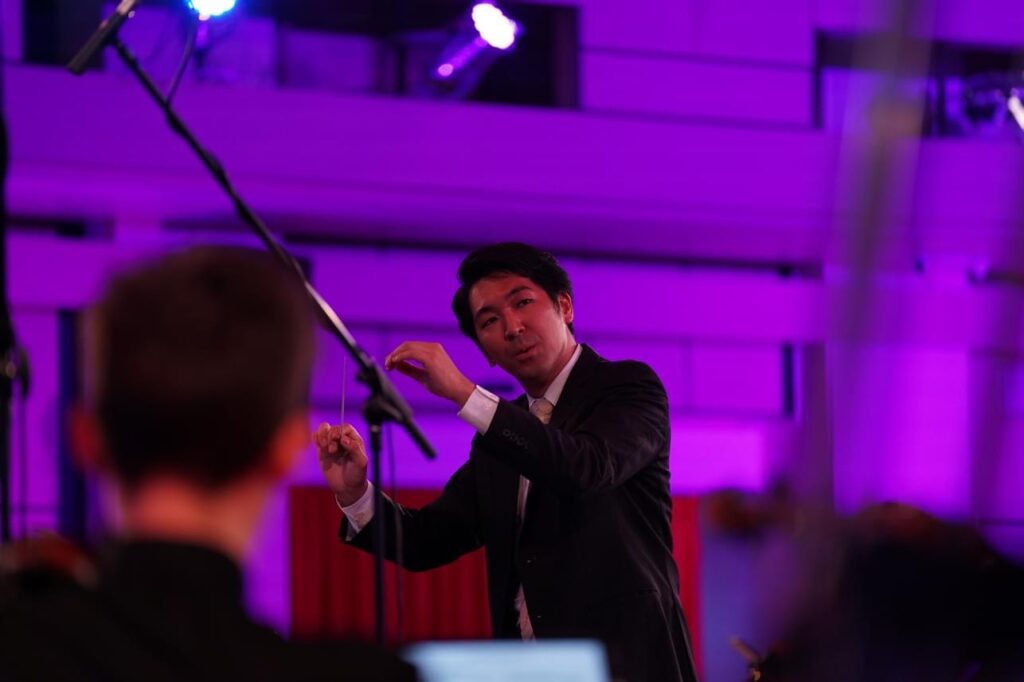
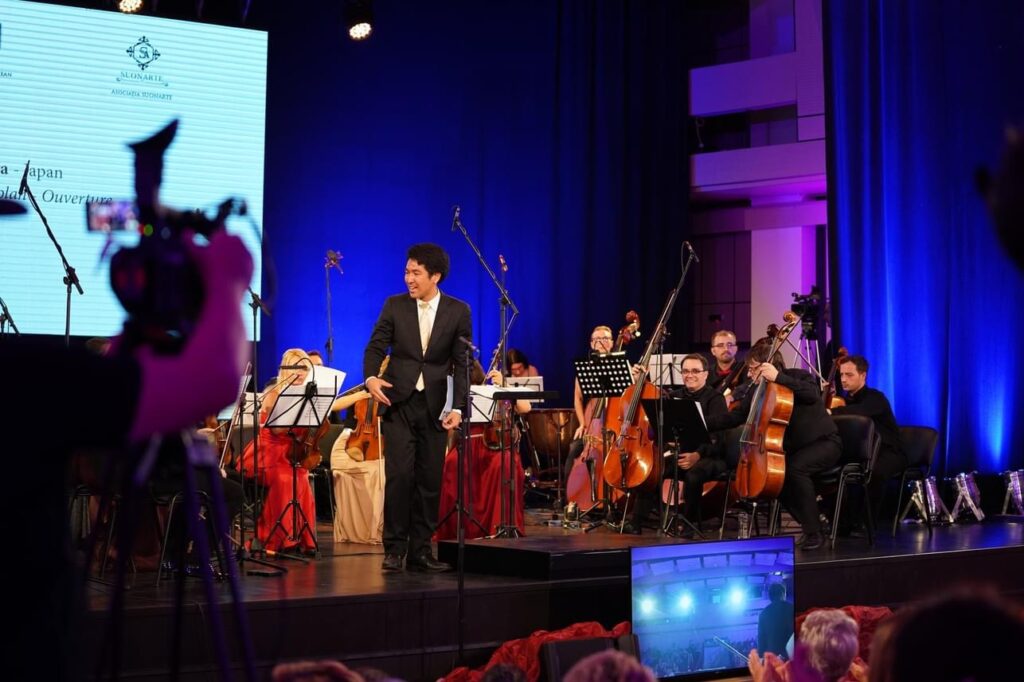
Matsukawa-kun, a laboratory alumnus, won 3rd place in the competition! !

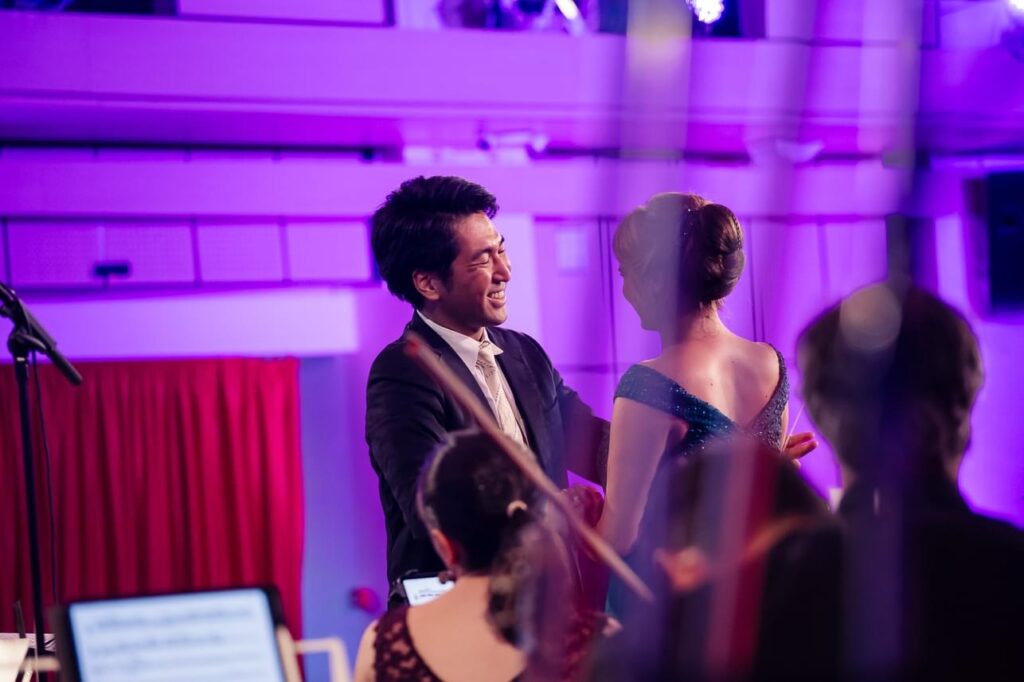
We received good news from laboratory alumnus and conductor Hajime Matsukawa.

Oh my God!He won 2023rd place at the IONEL PELEA International Conducting Competition XNUMX held in Romania! !

Facebook link for competition management

Previously, on this blog, in an article from November 2020, we introduced concert information about Matsukawa-kun's debut as a professional conductor.

After that, the social situation became quite difficult due to the coronavirus pandemic, but since November of last year, he has been based in Europe and has been active.

I look forward to seeing your continued success! ! !

Mr. Matsukawa provided us with a photo, so we would like to introduce it to you.