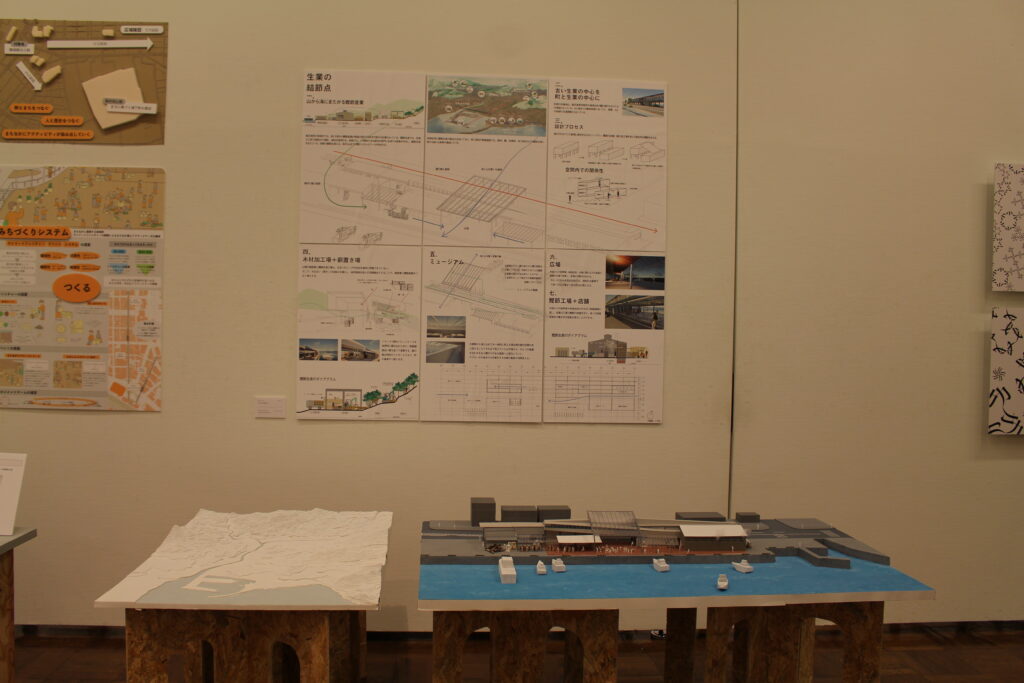
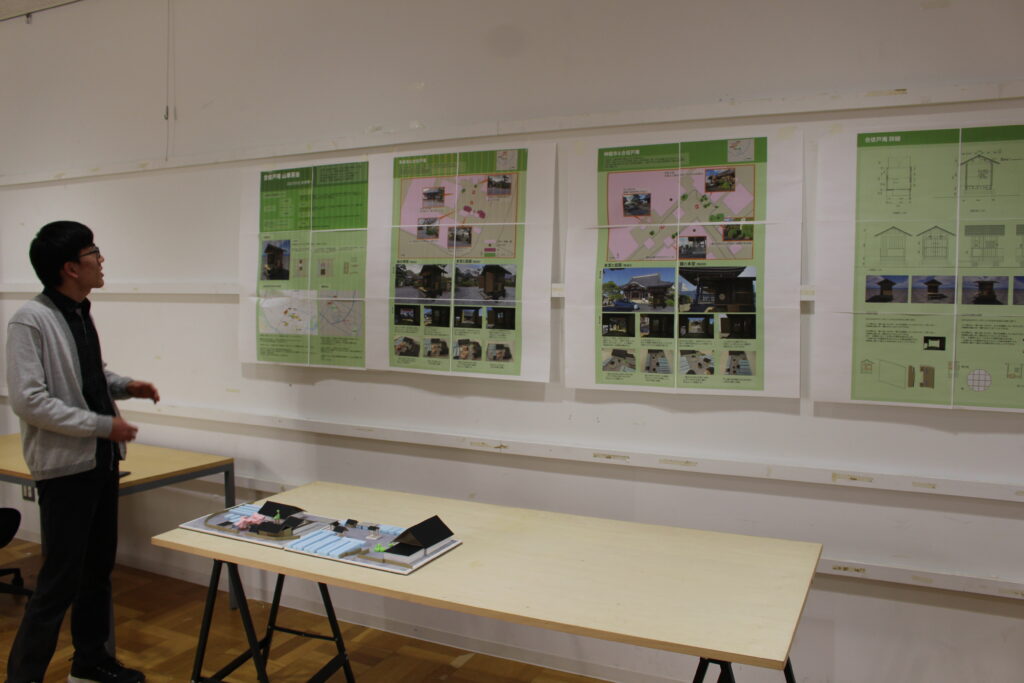
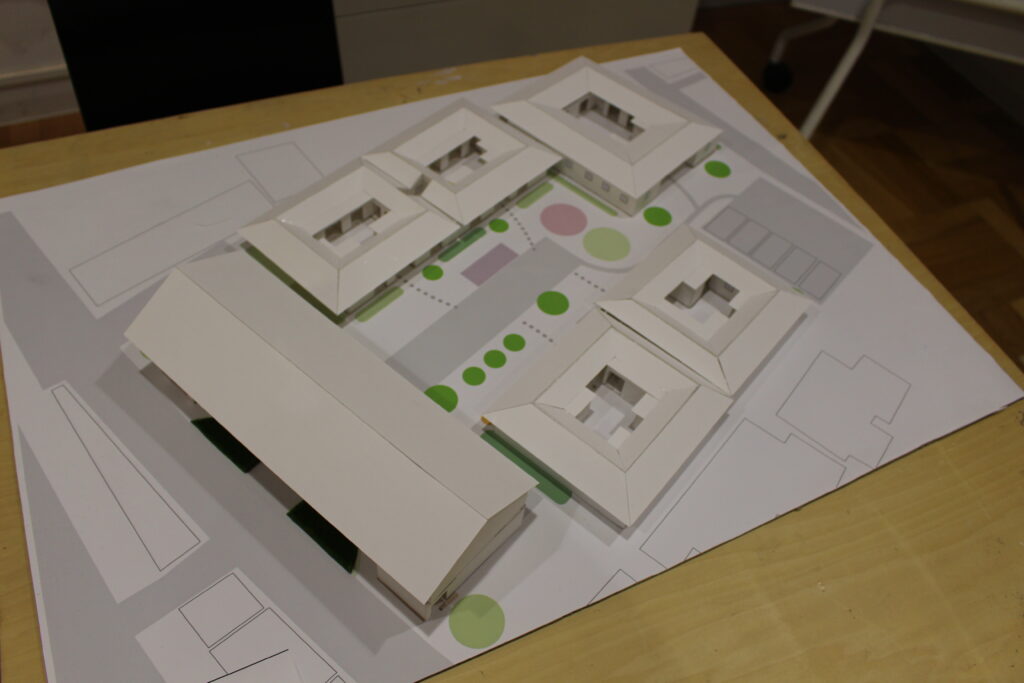
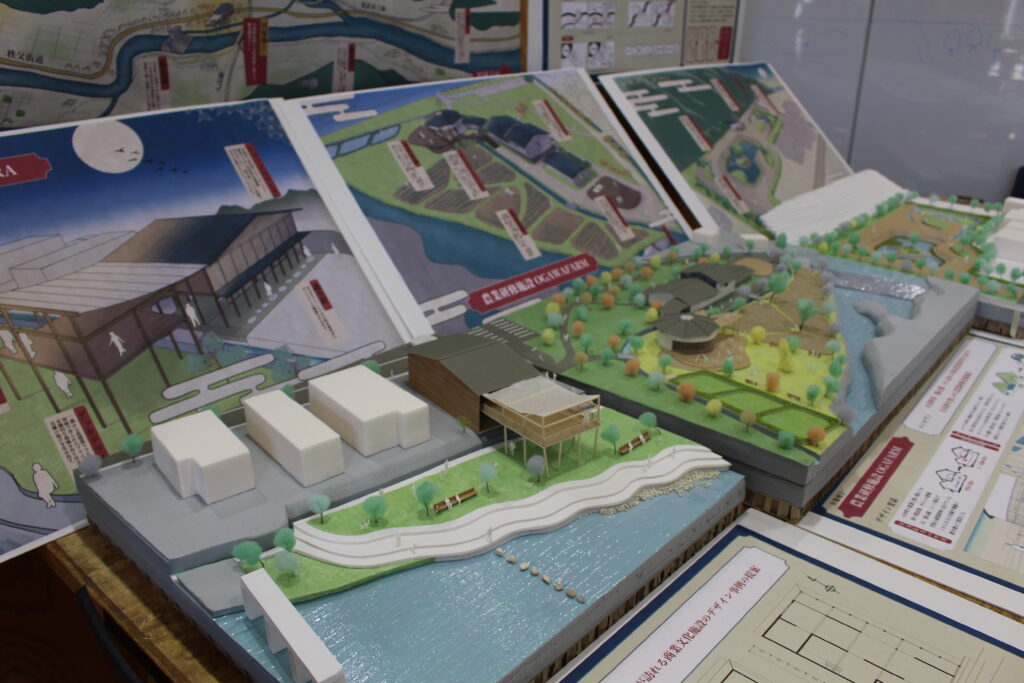
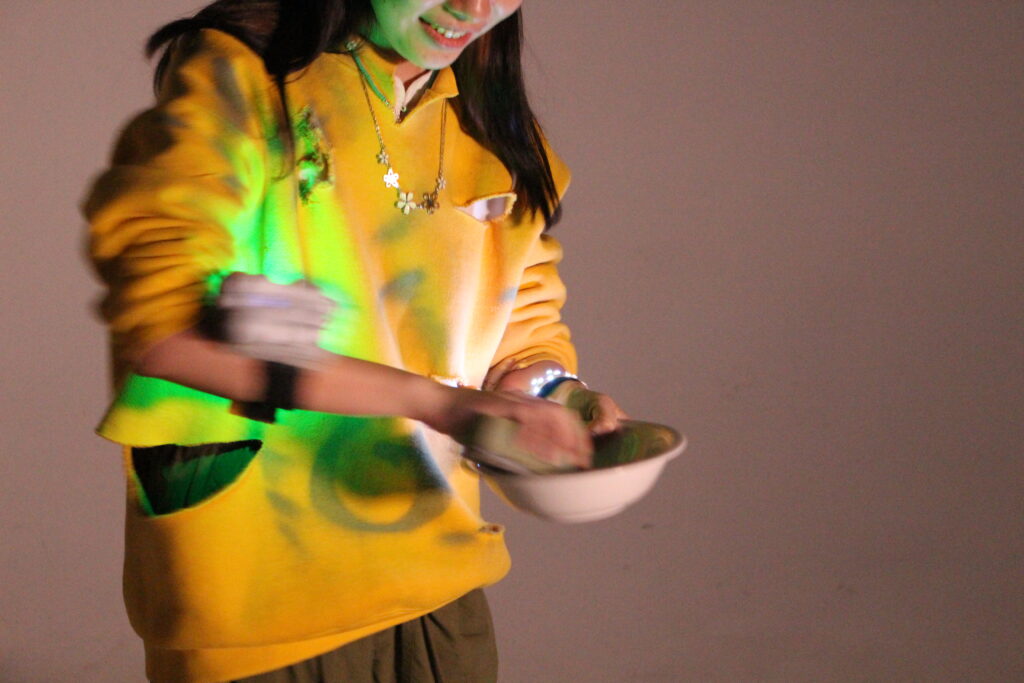
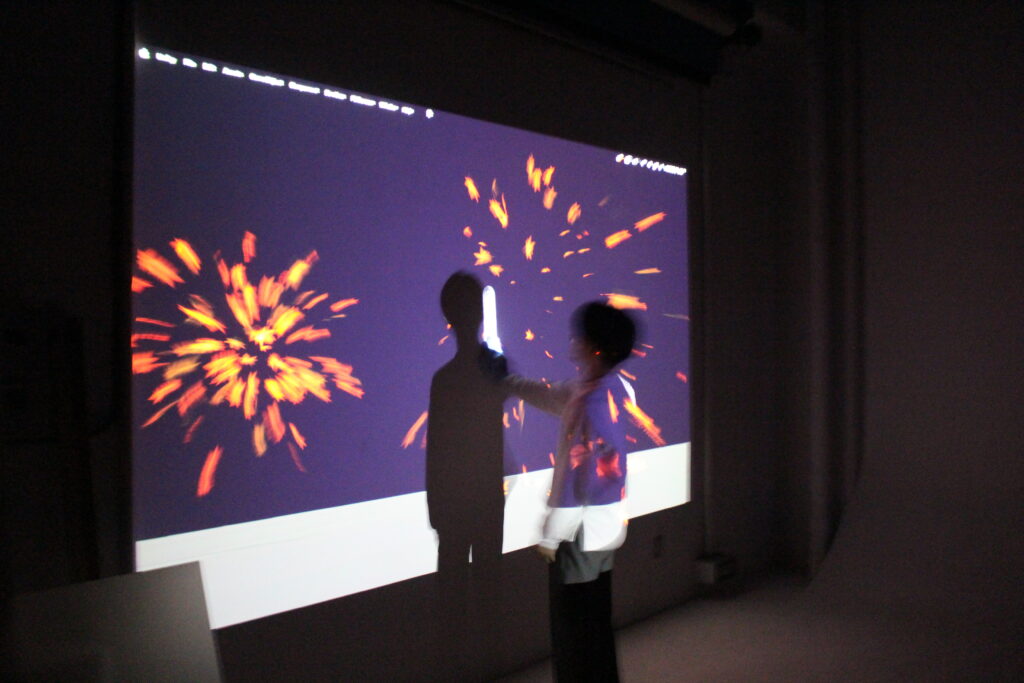
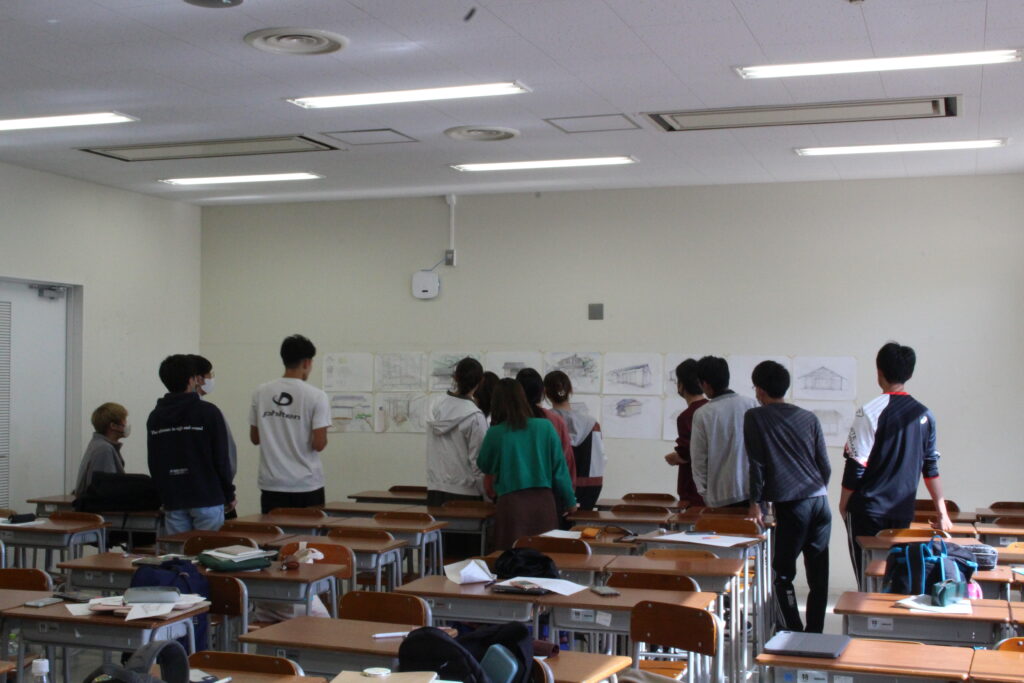
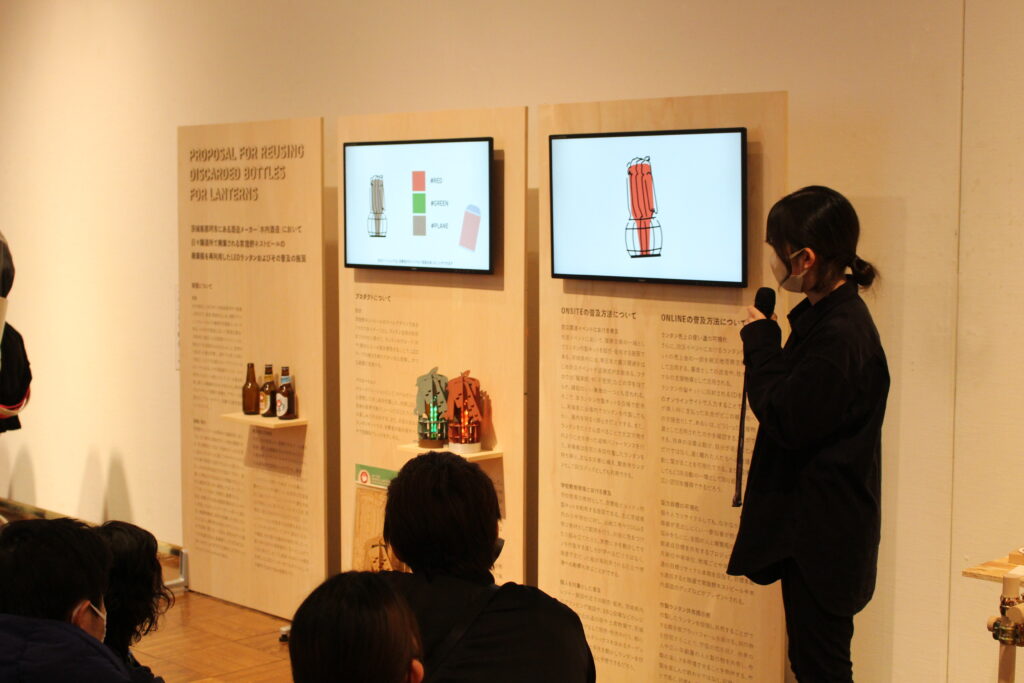
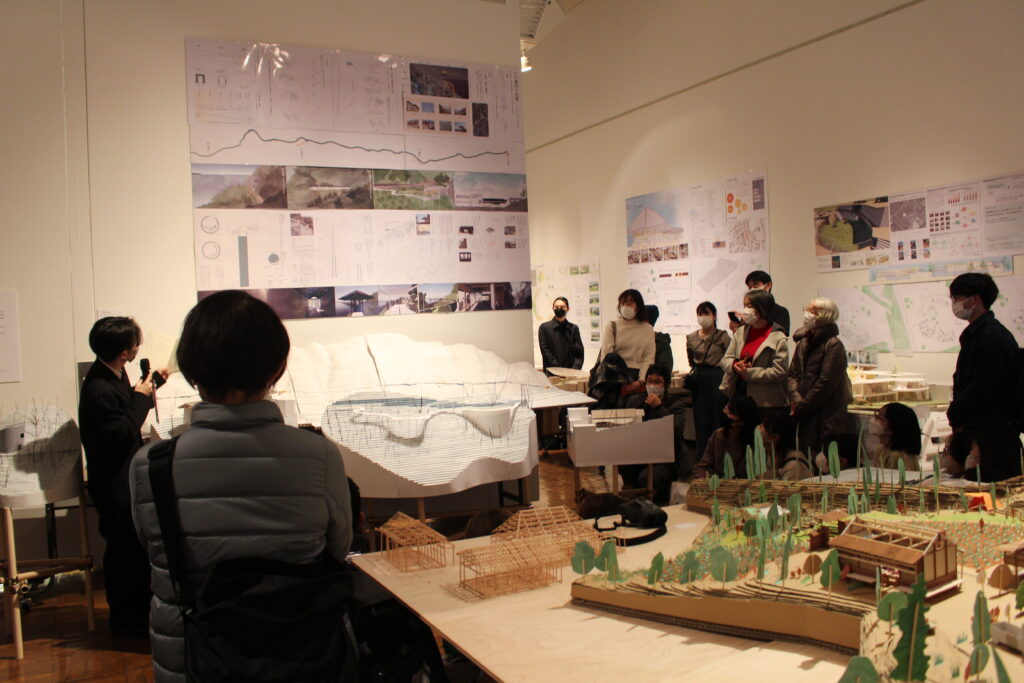
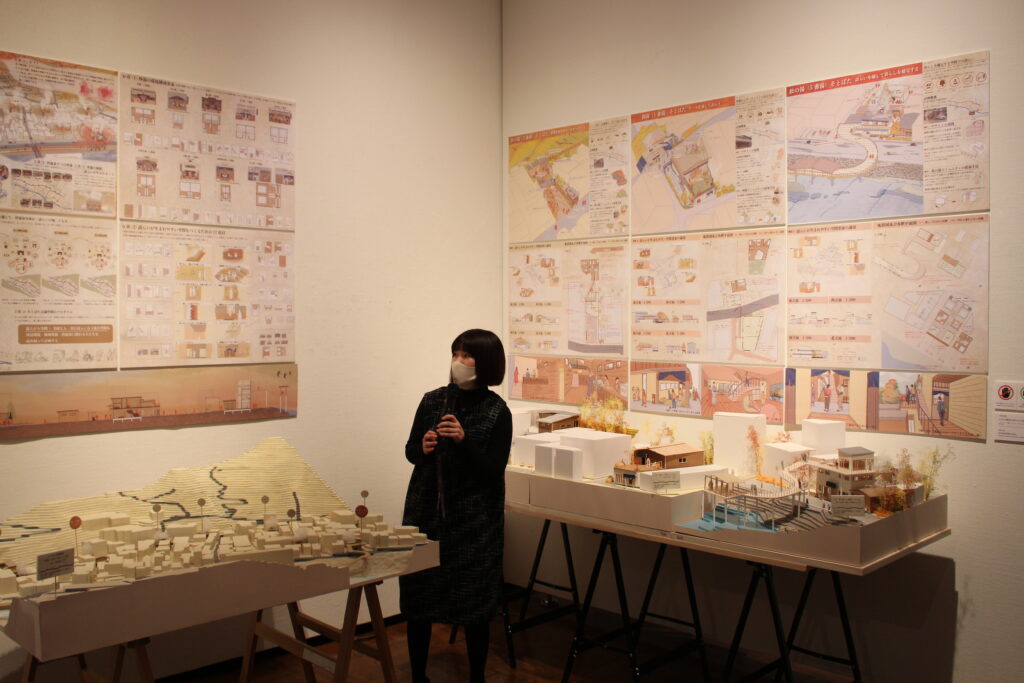
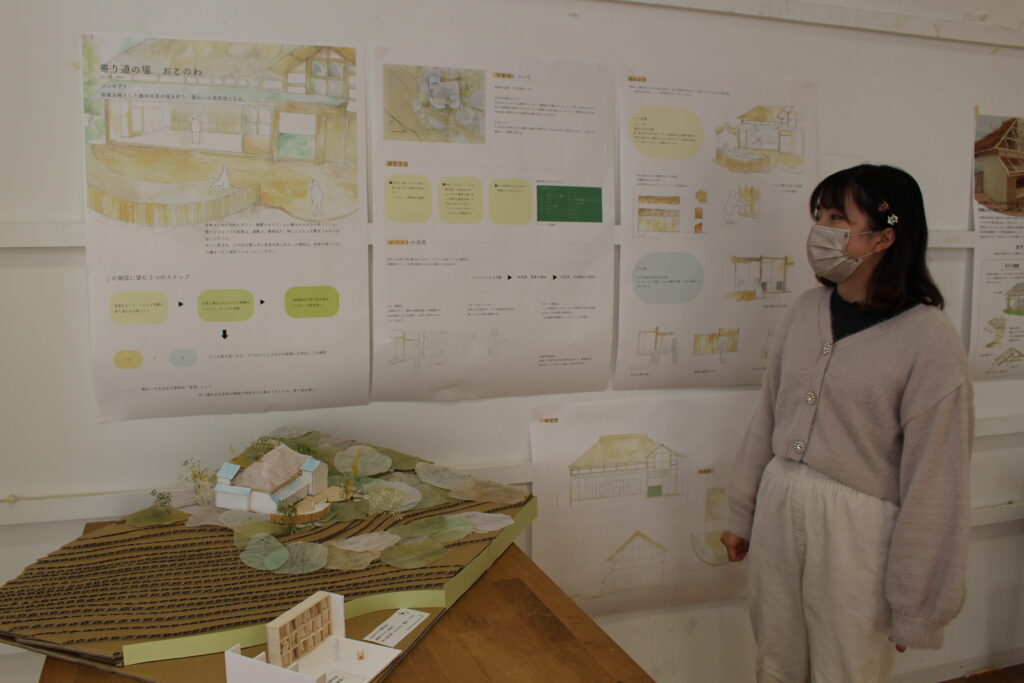
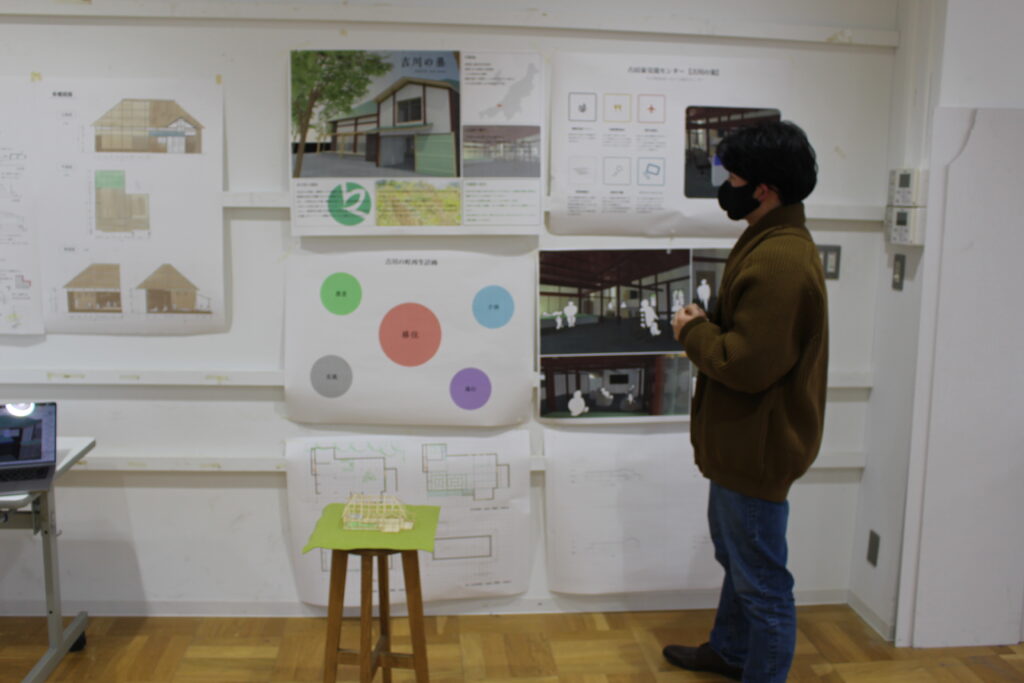
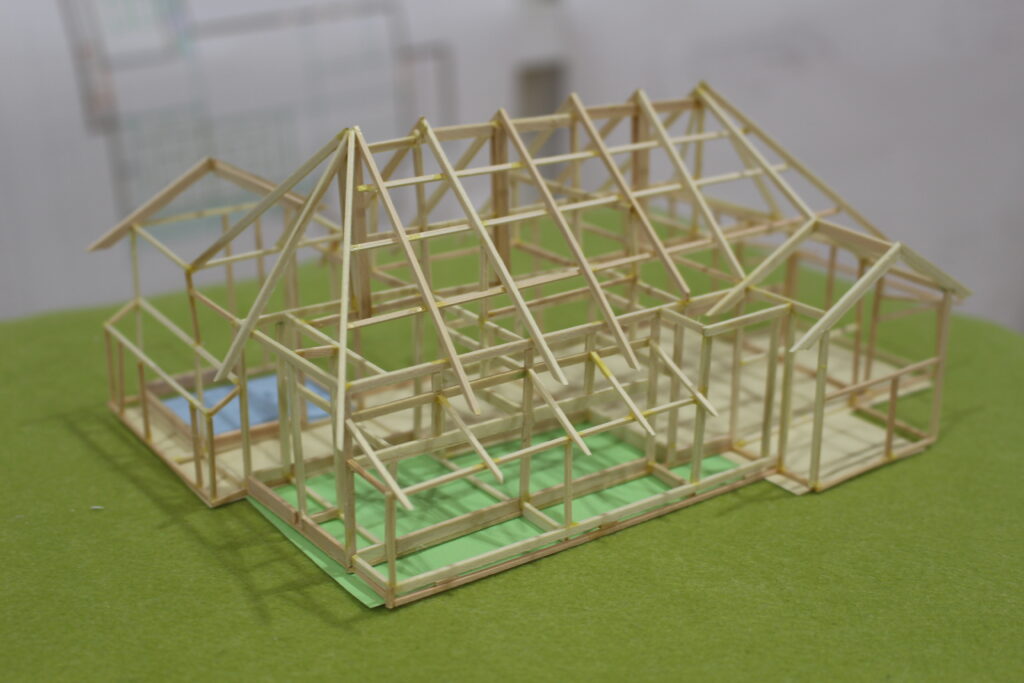
The day after the graduation presentation, there was a presentation and review session for the environmental design exercise C for third-year students.
The start time was delayed due to printer trouble...
I pray that this will not happen when I submit my graduation project a year from now.
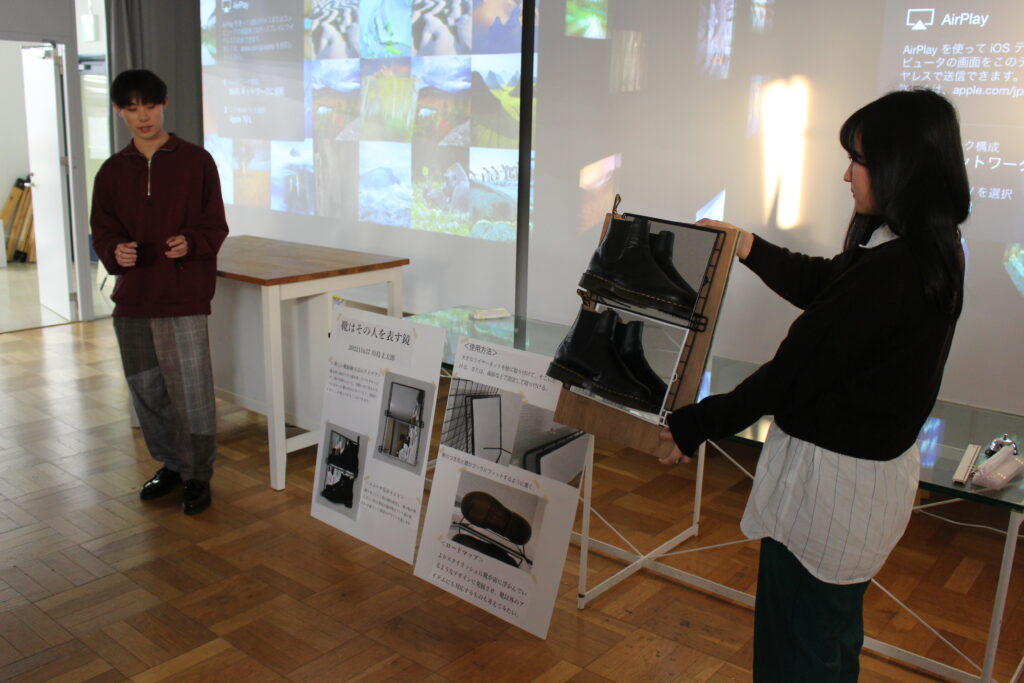
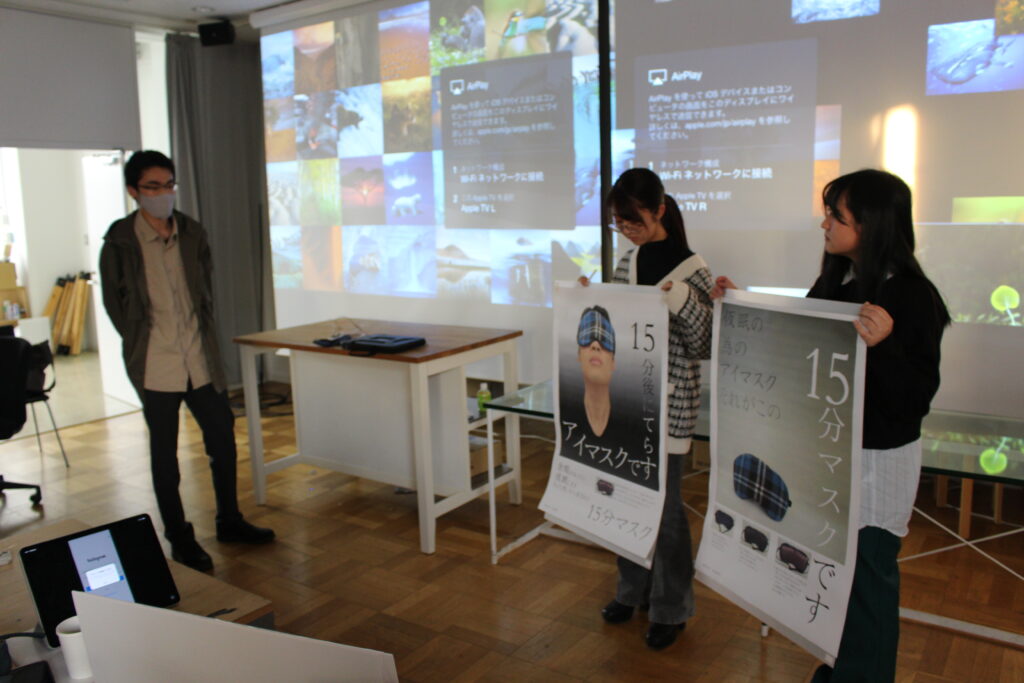
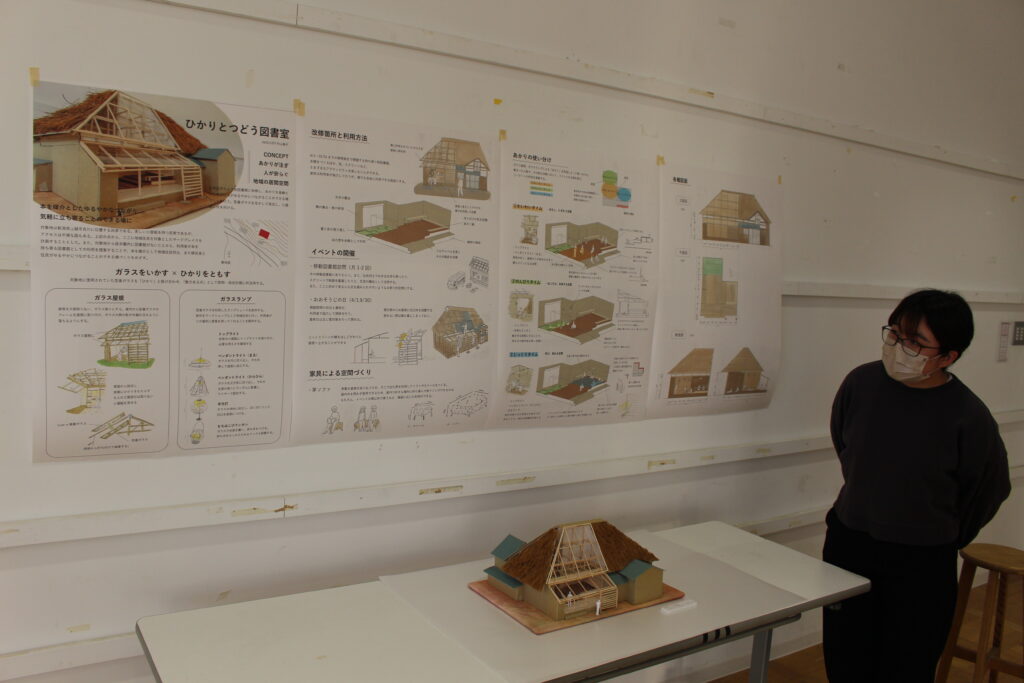
In recent years, we have adopted a poster presentation format, in which each individual gives an explanation in front of the exhibited works, and faculty and students are free to look around.
In late September, I went to the "lower right corner of Shikoku" for an off-campus exercise.
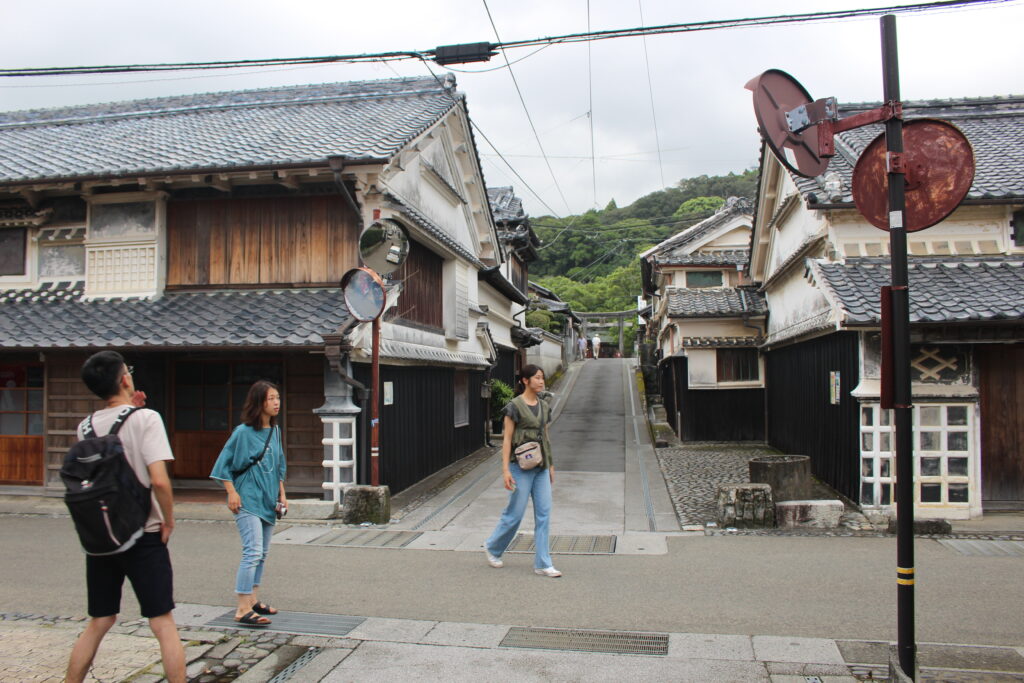
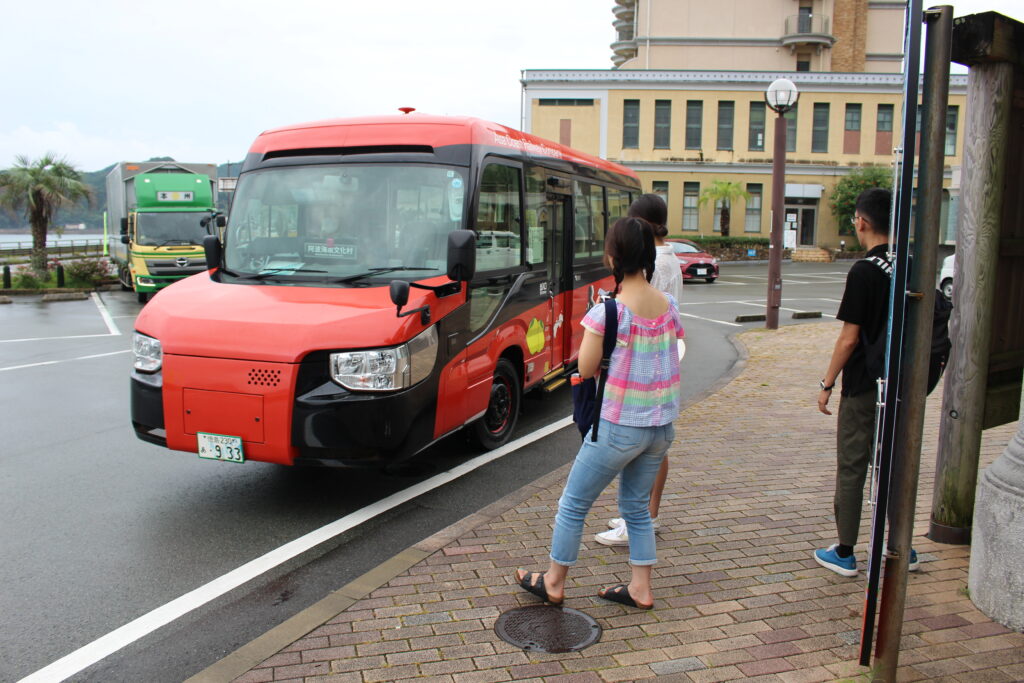
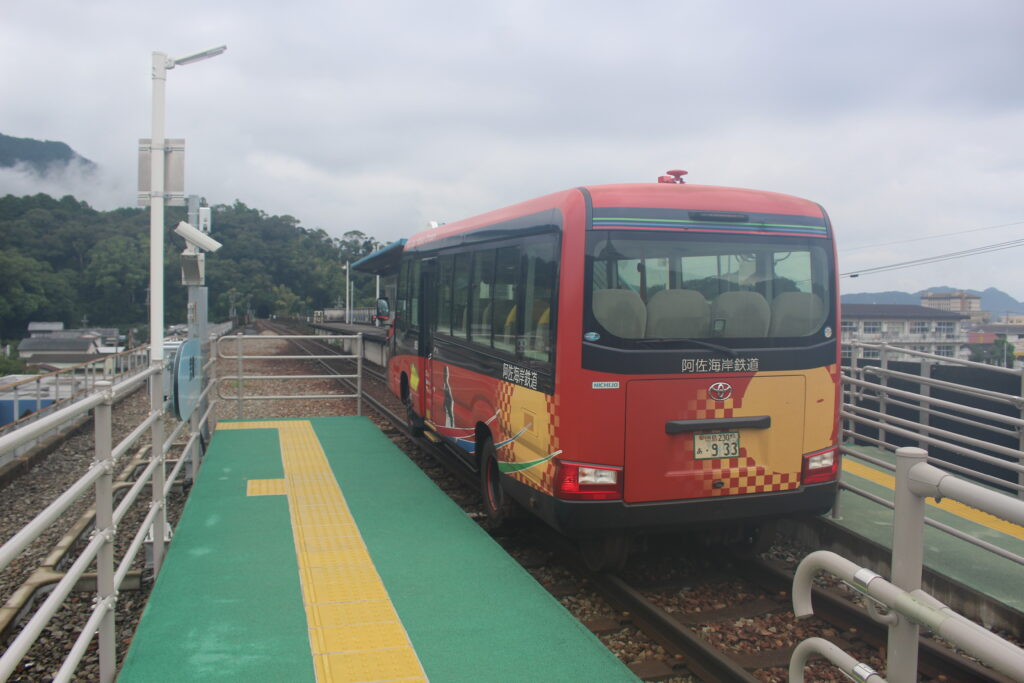
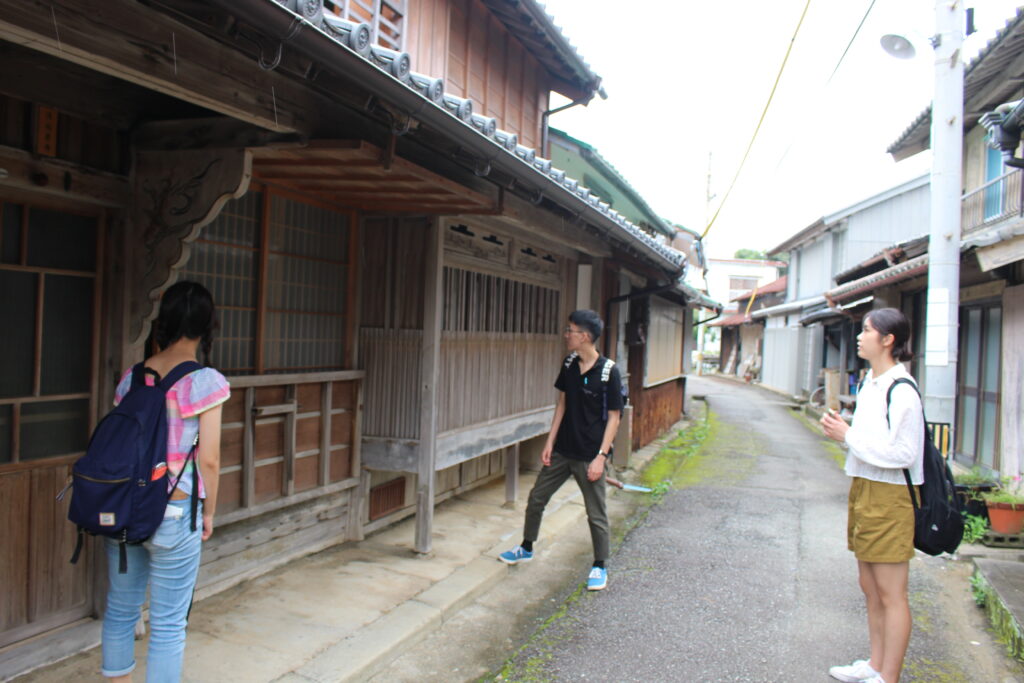
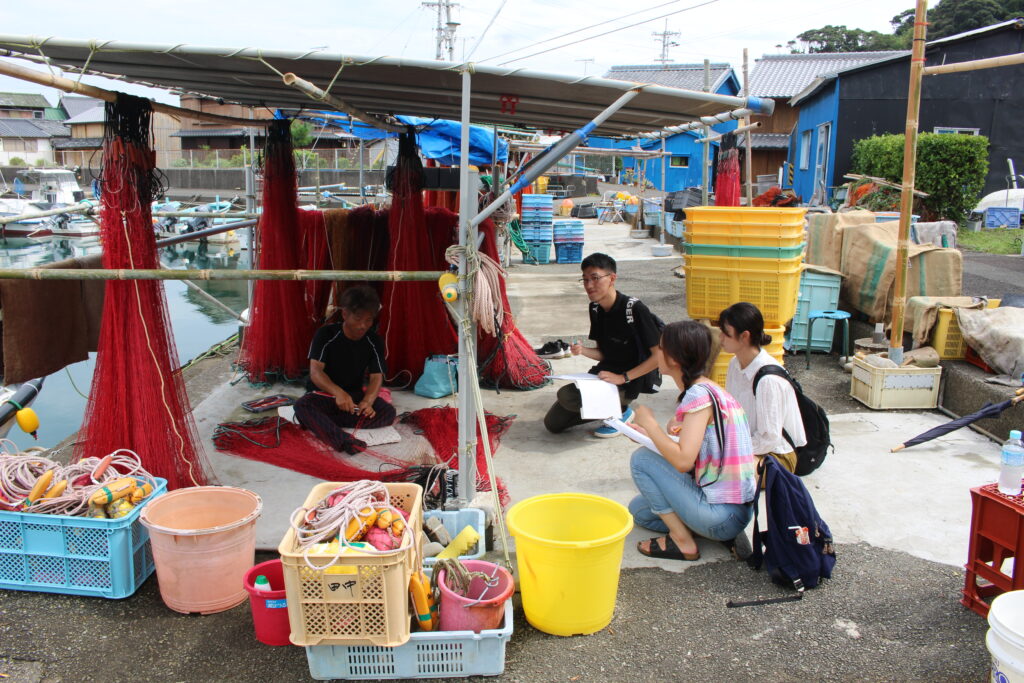
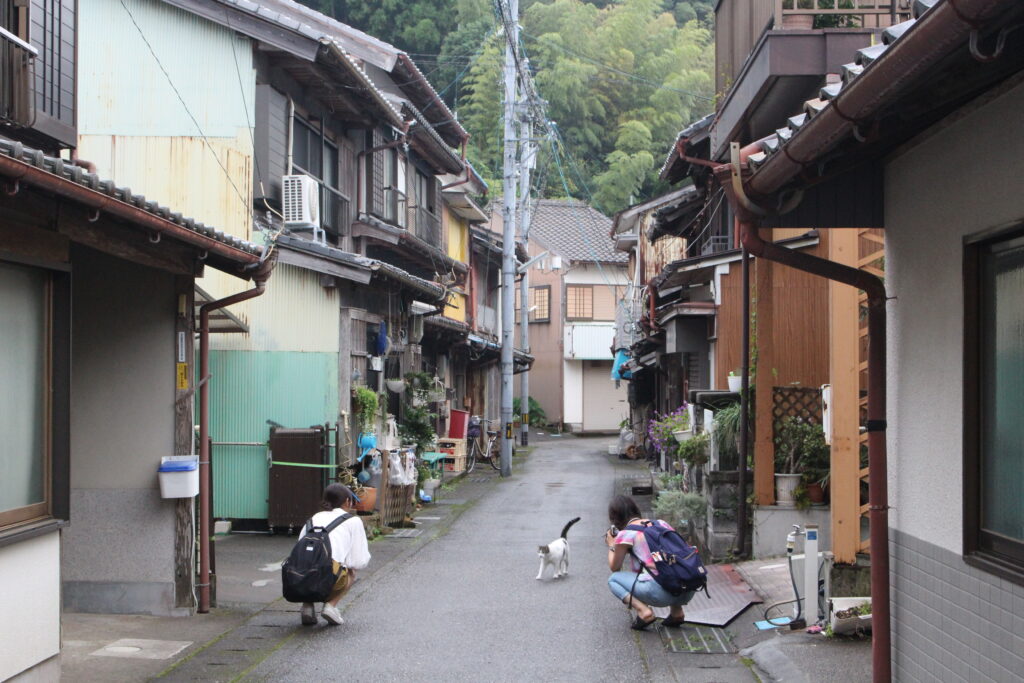
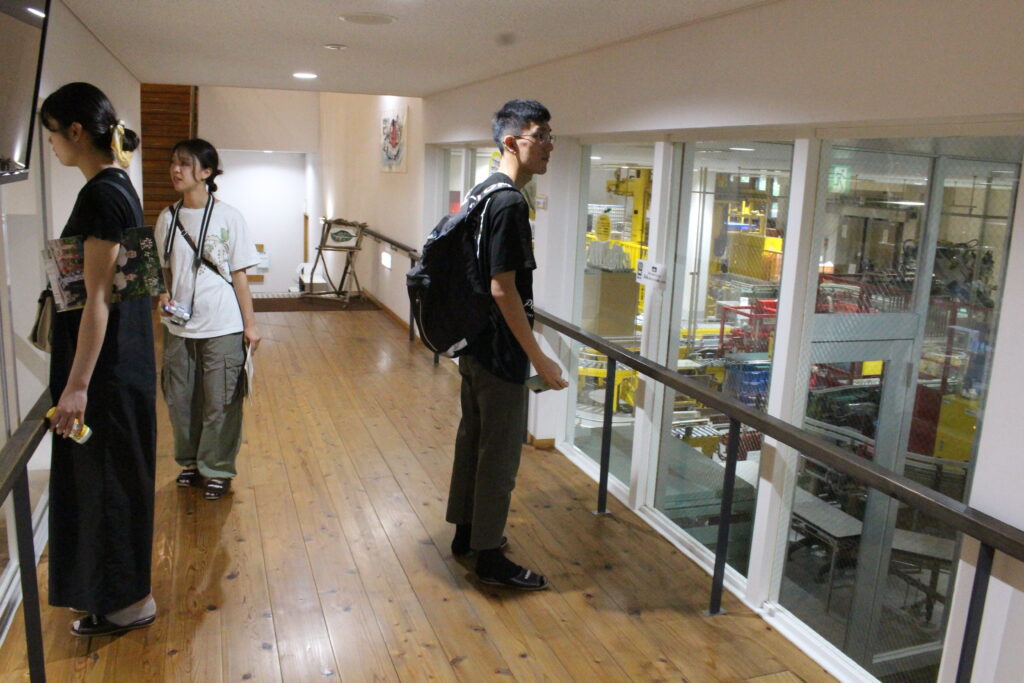
It was a pretty packed schedule, including visits to Kiragawa-cho and Dewajima Important Traditional Building Preservation Districts, experiencing the world's first DMV (Dual Mode Vehicle), and touring a yuzu processing factory.
Go to Kiragawa-cho, an Important Preservation District for Groups of Traditional Buildings.The DMV in “bus mode” has arrived.We see off the students as they ride the DMV in “railway mode.”Head to Dewajima, an Important Preservation District for Groups of Traditional Buildings.Interview with a fisherman on the island about life and fishing on the island.At Tomoura, Kaiyo Town.Cats look great in fishing villages.Visited the Yuzunomori Processing Plant in Umaji Village.
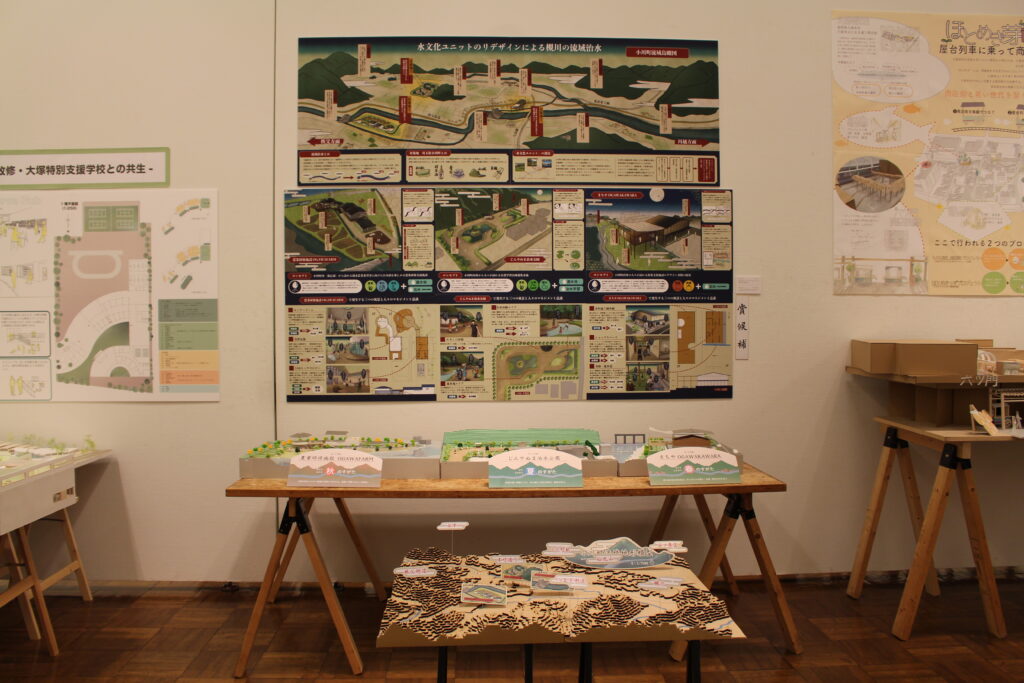
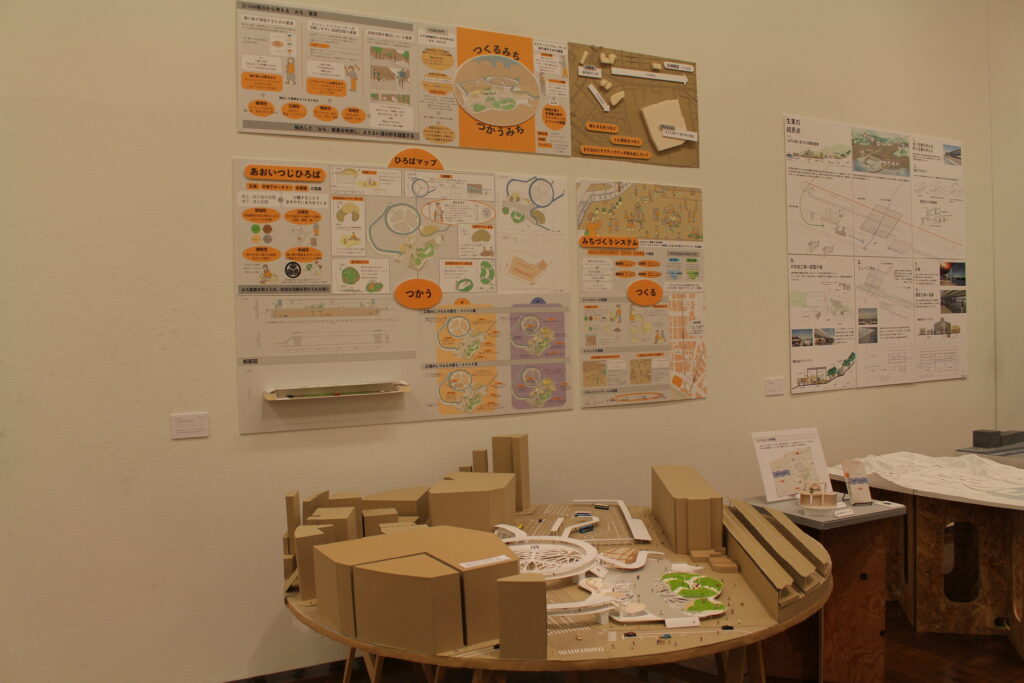
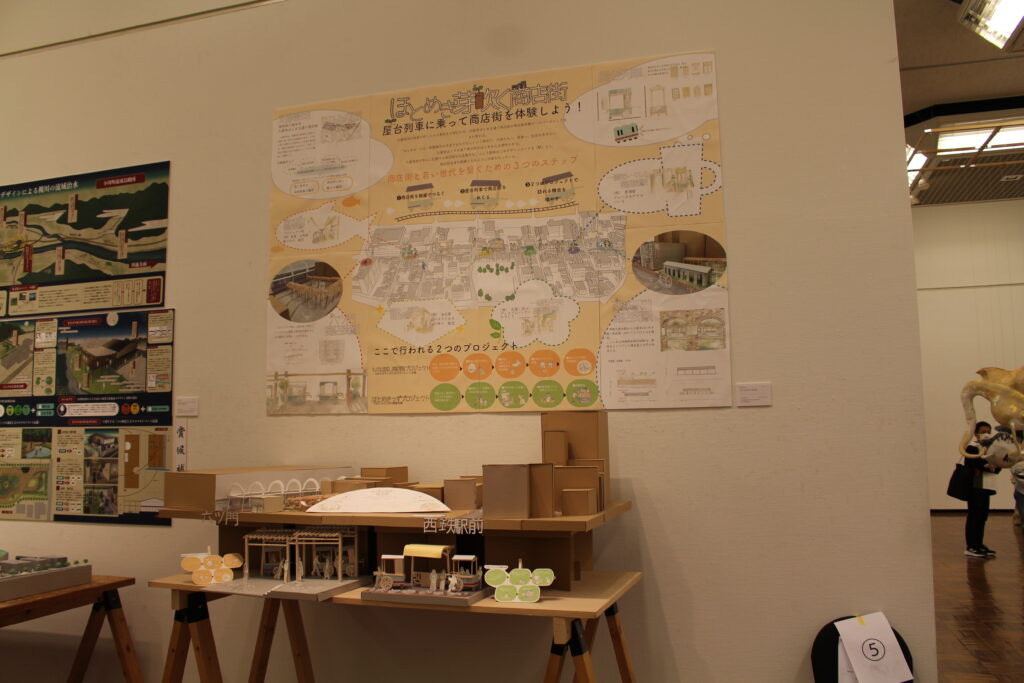
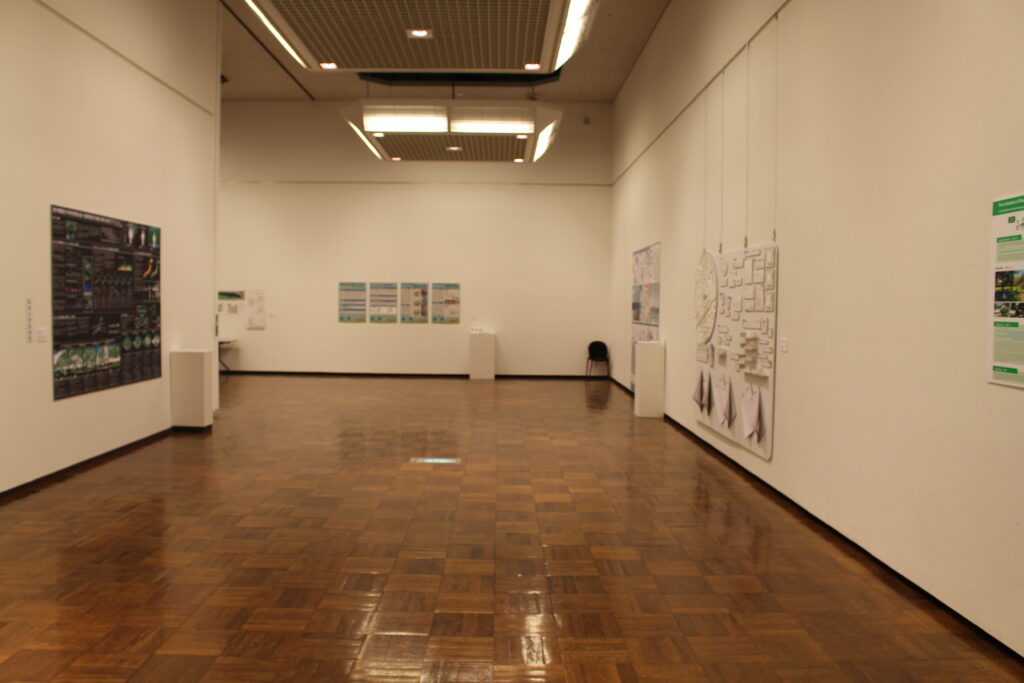
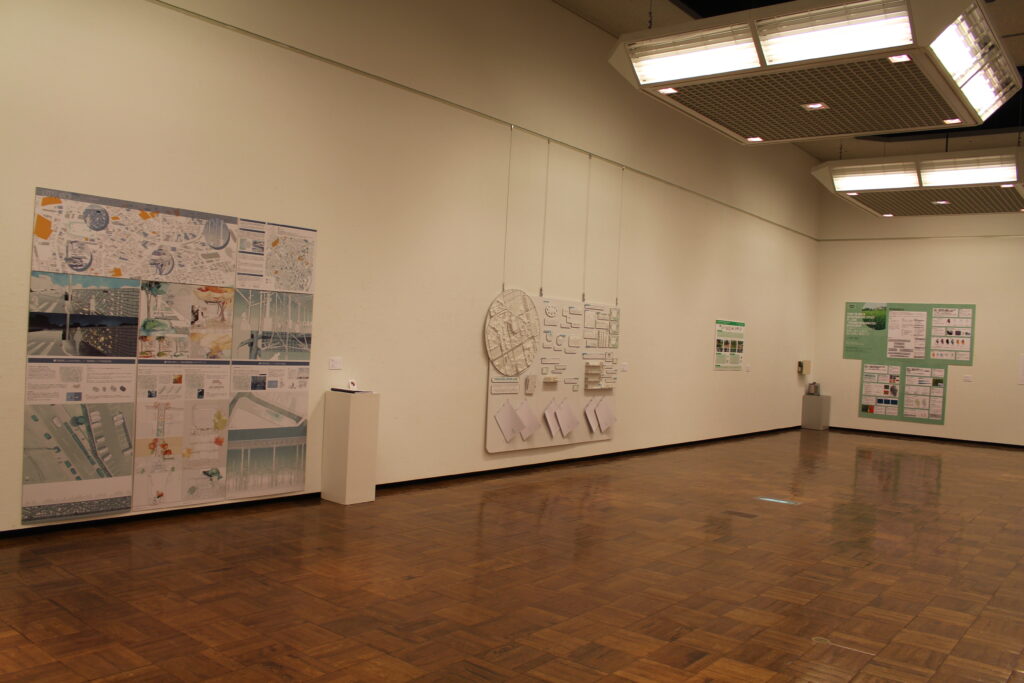
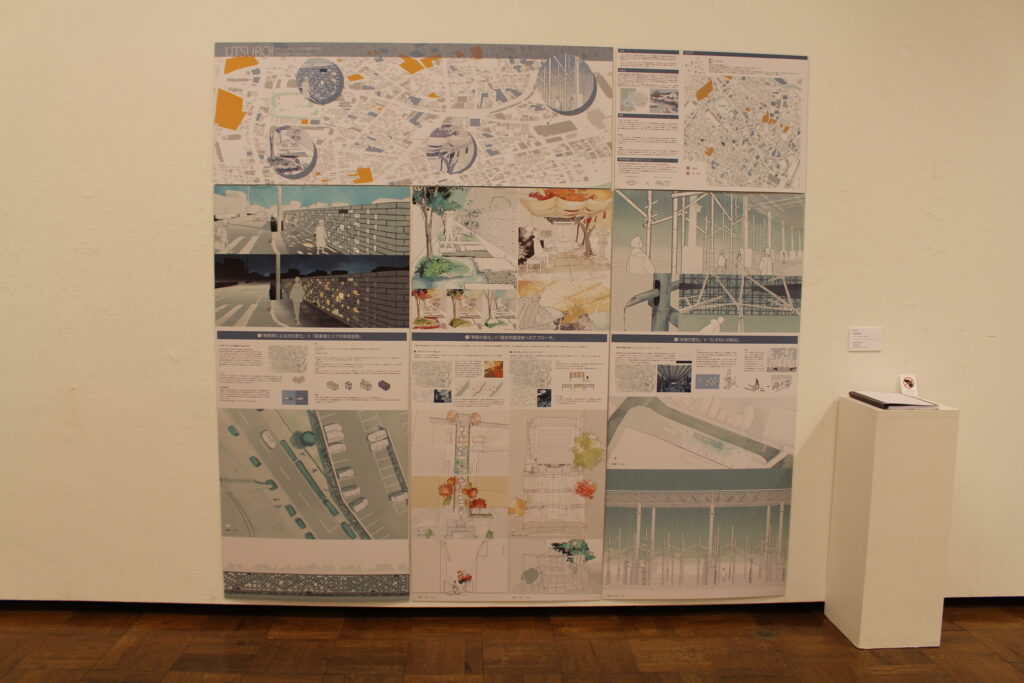
A graduation exhibition (second half) will be held at the Tsukuba Museum of Art in Ibaraki Prefecture, and there will be an exhibition in the area of environmental design.
The exhibition period is from February 2023, 2 (Tuesday) to March 28, 3 (Sunday).
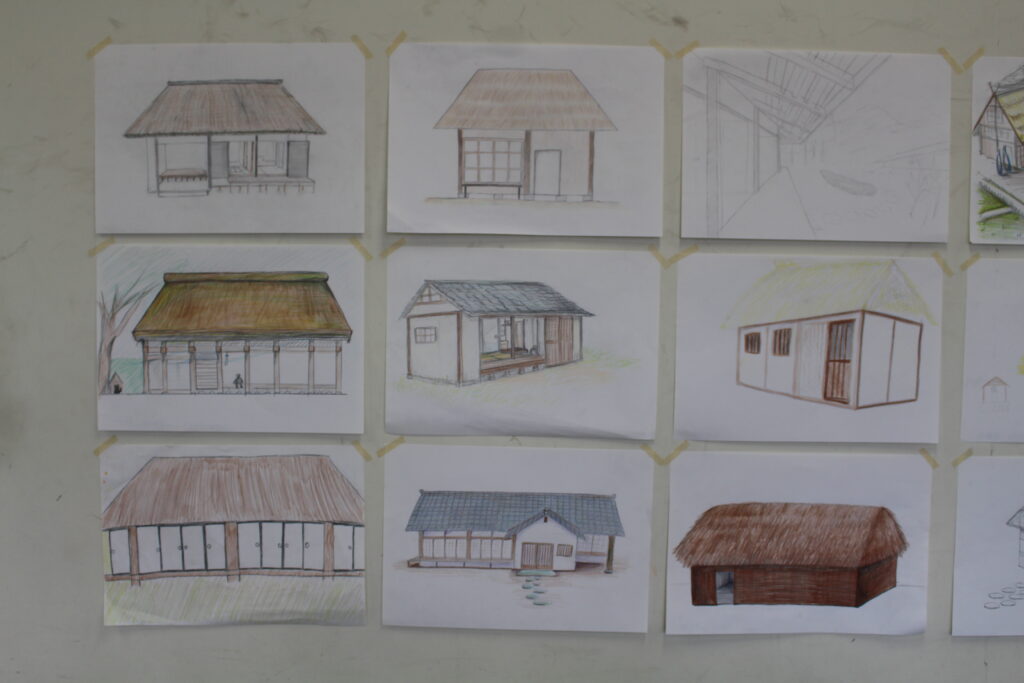
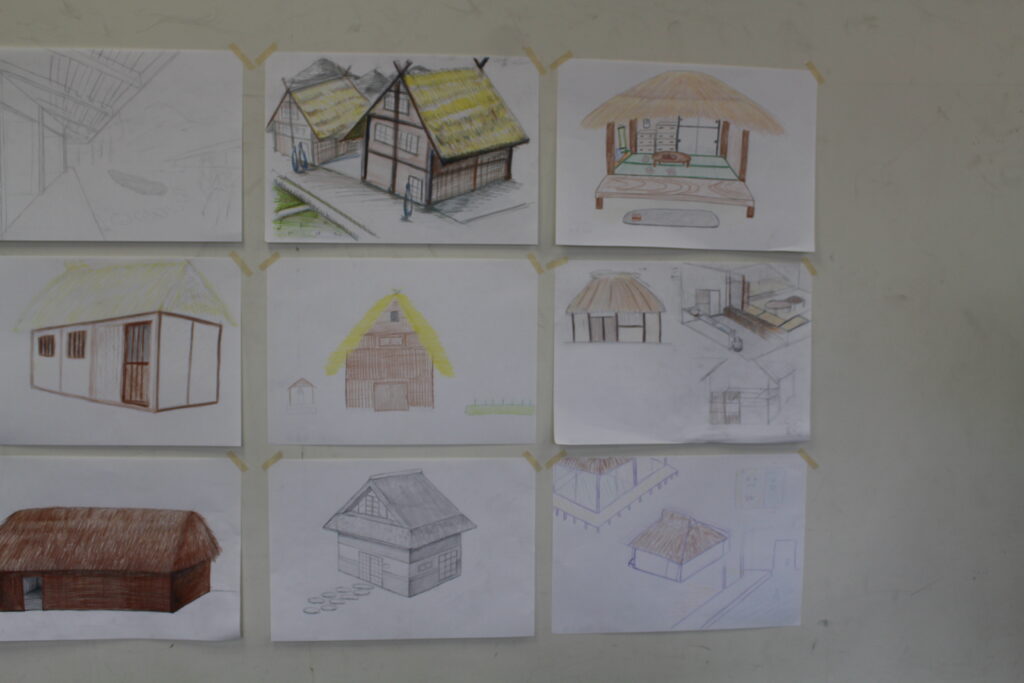
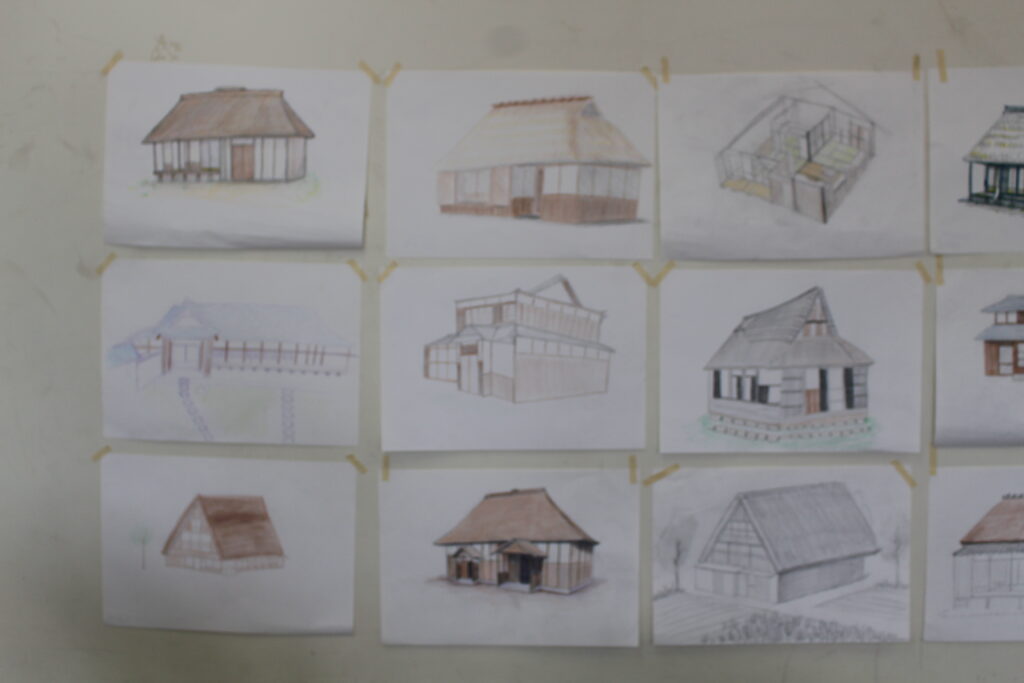
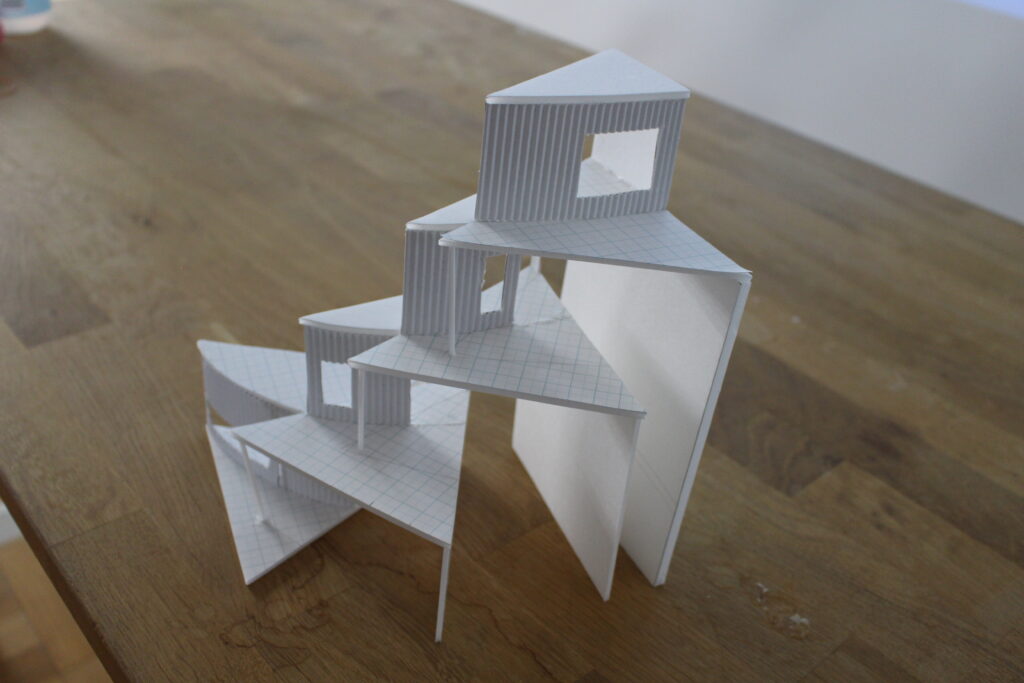
We held a presentation and review session for Environmental Design Exercise XNUMX.
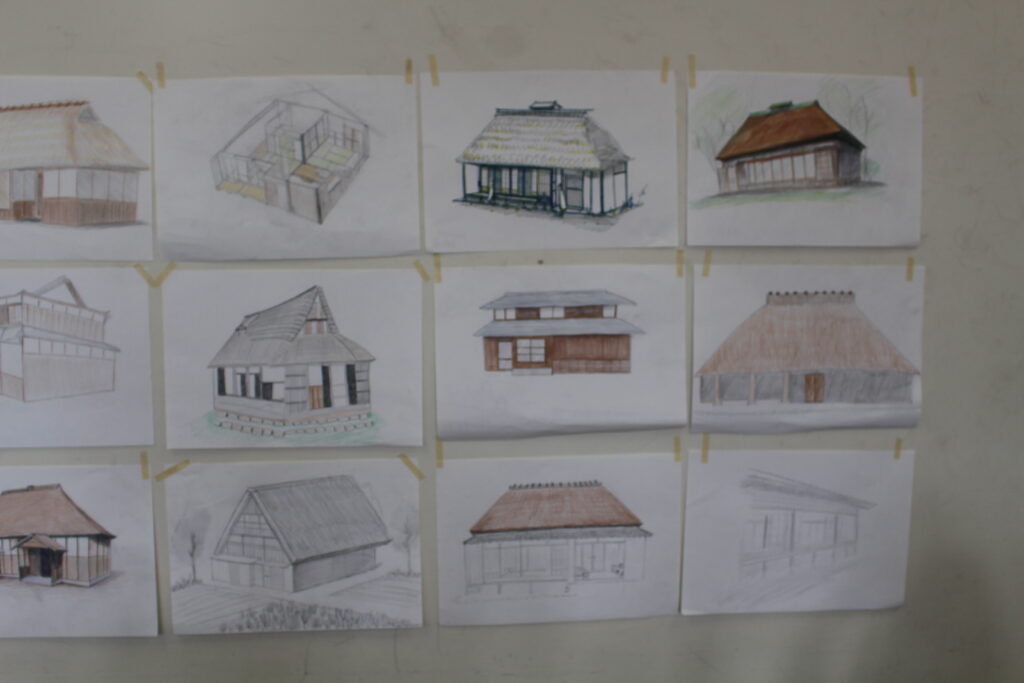
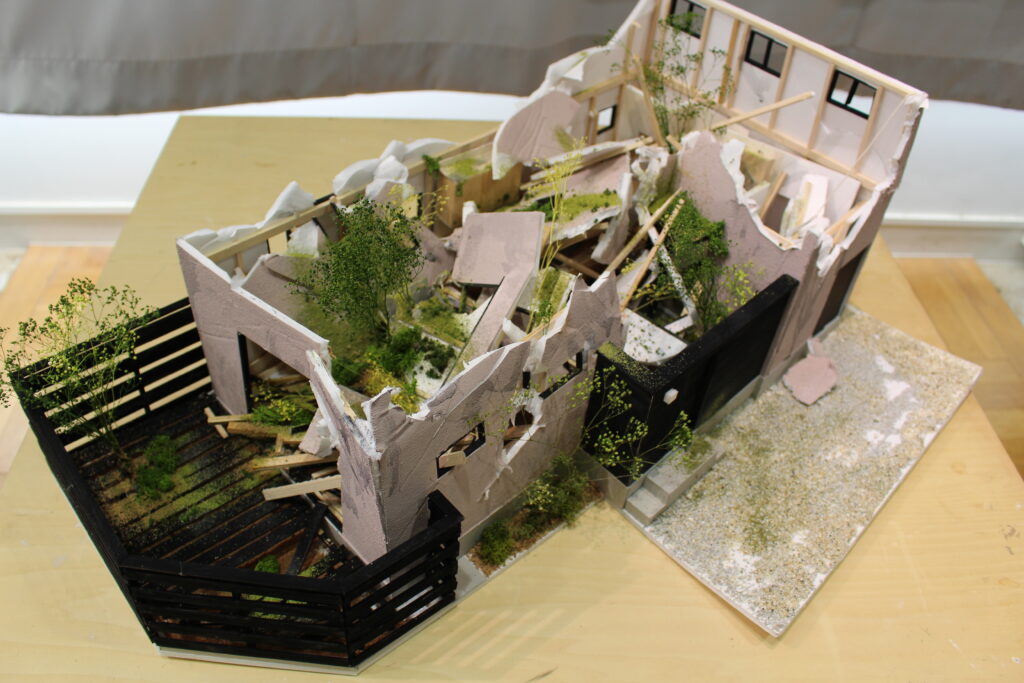
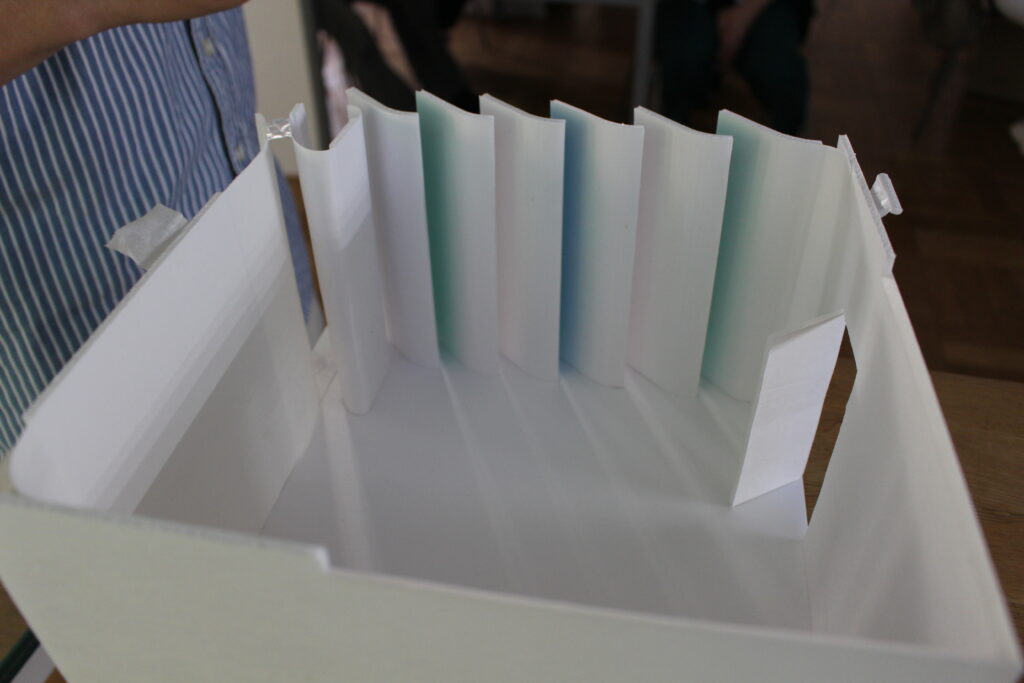
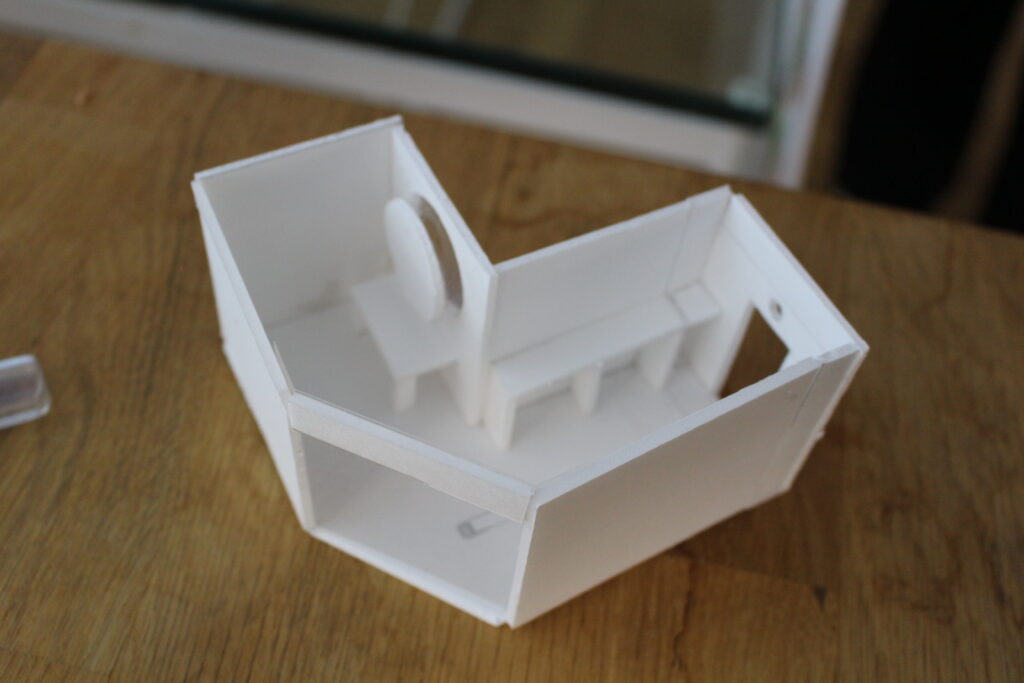
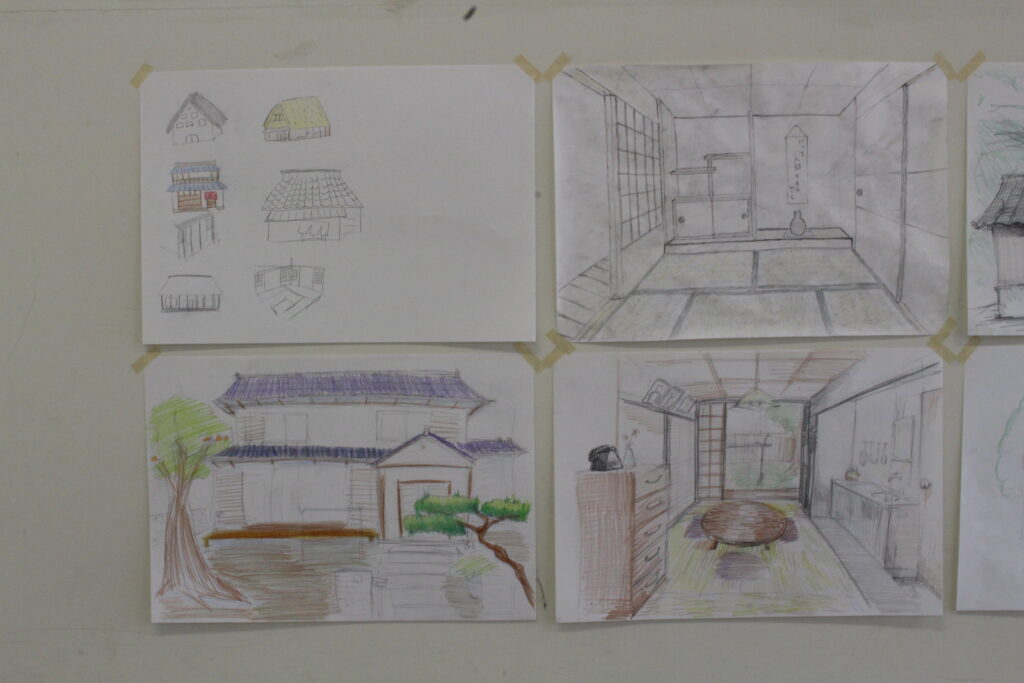
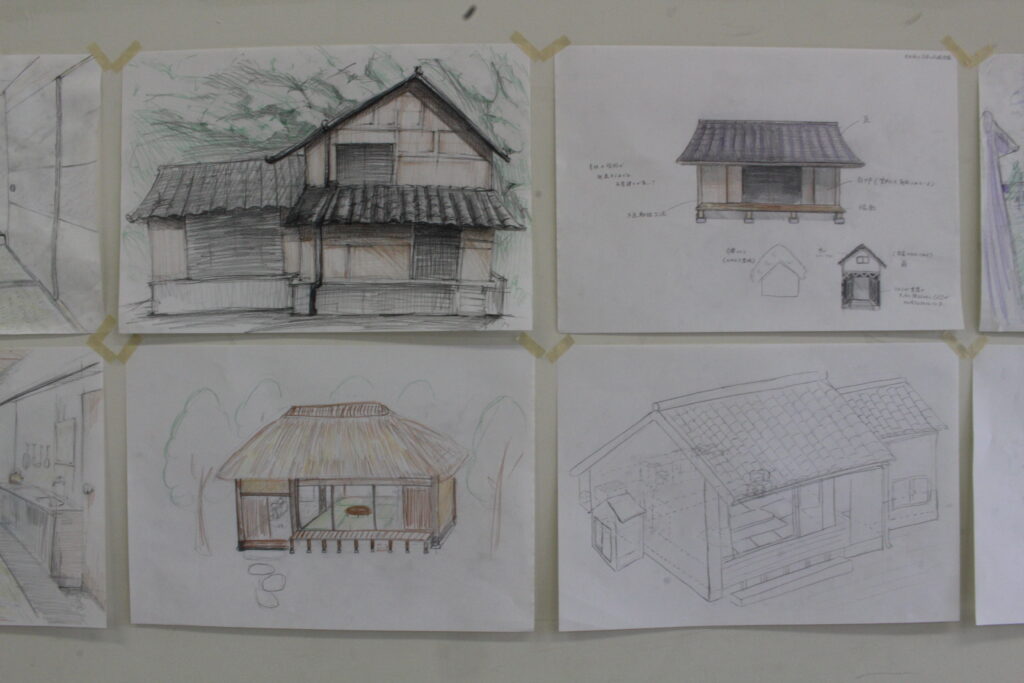
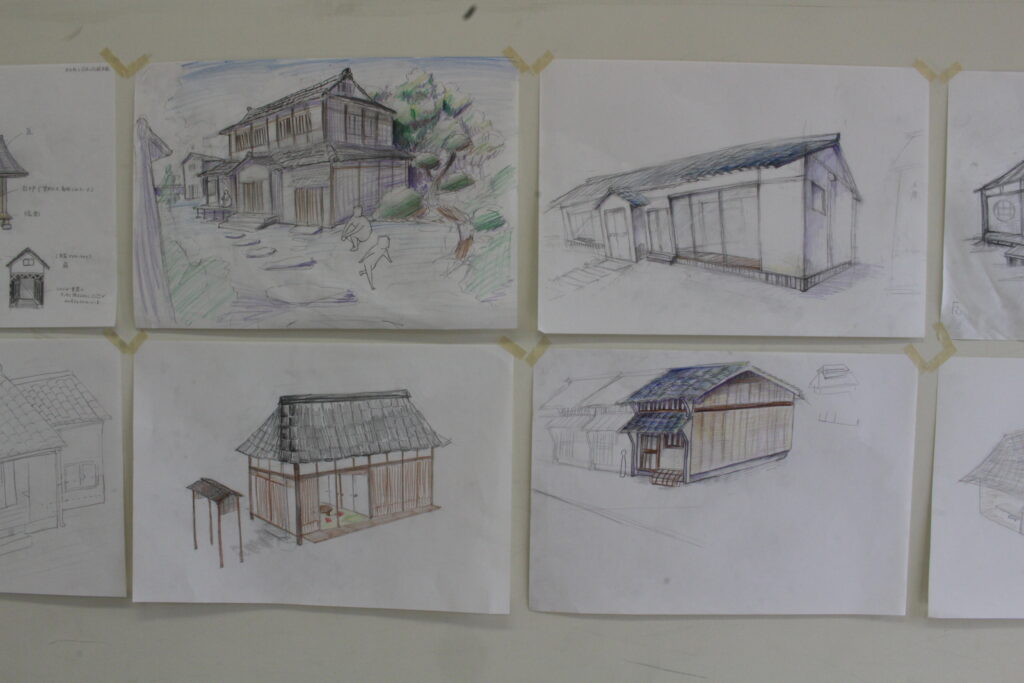
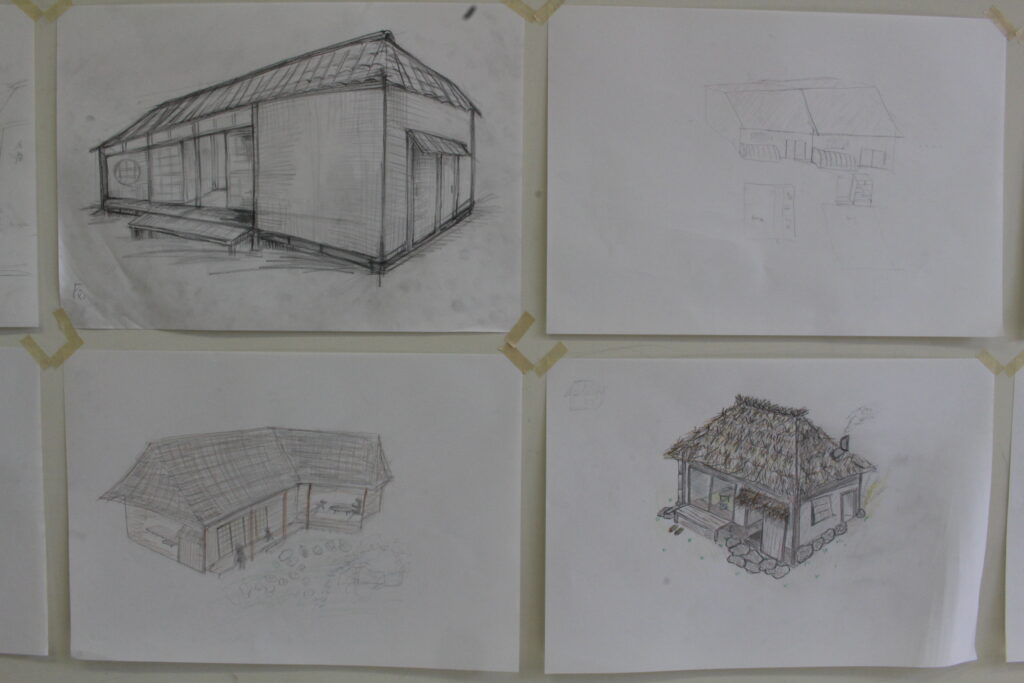
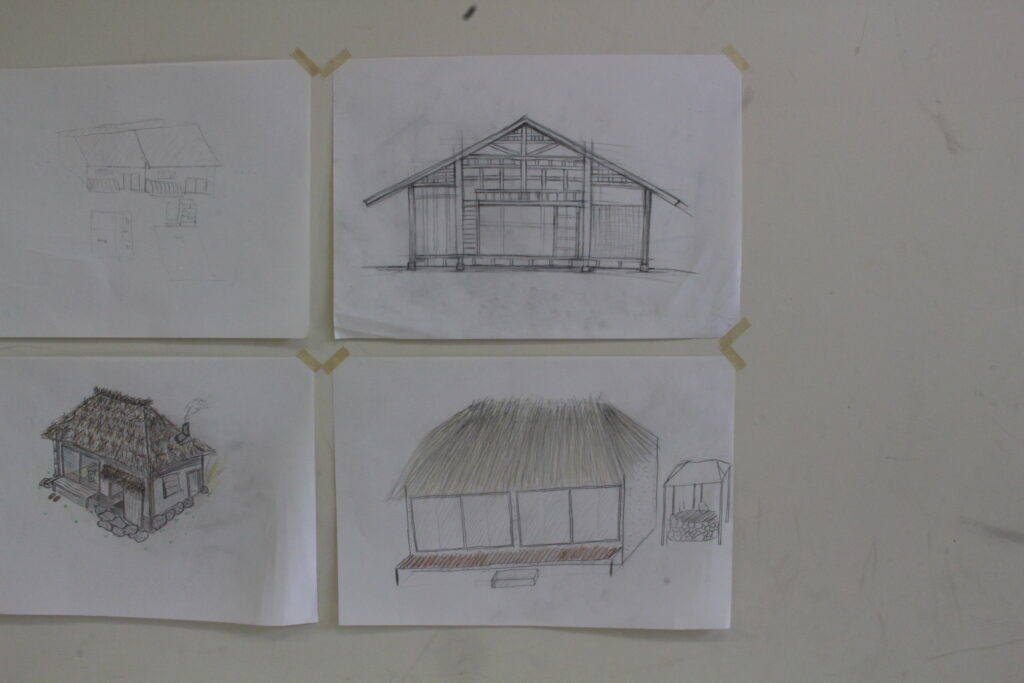
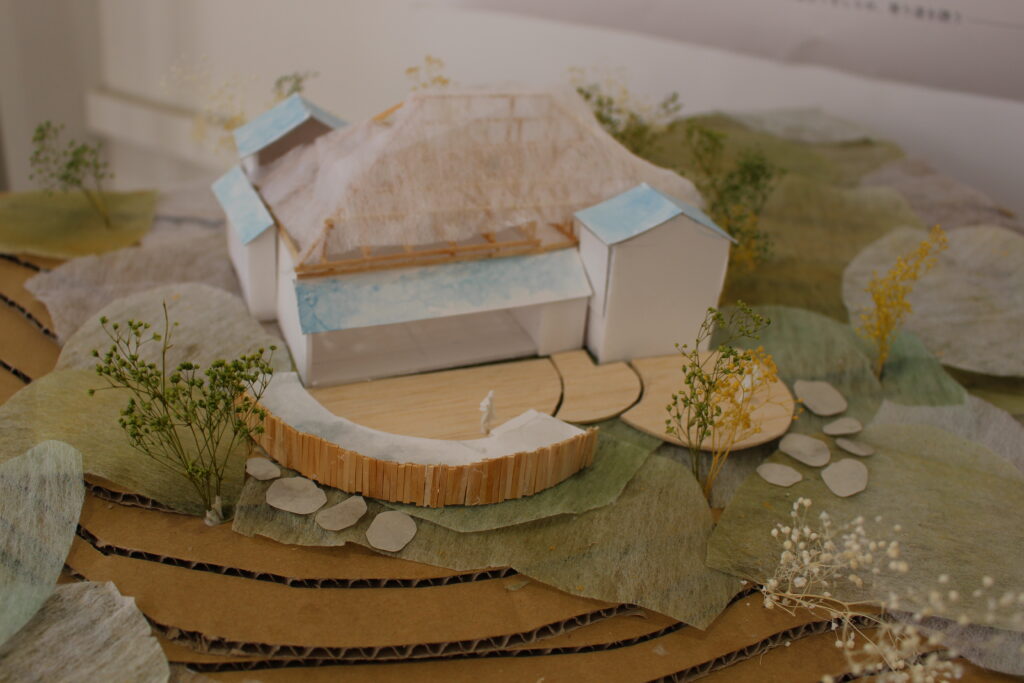
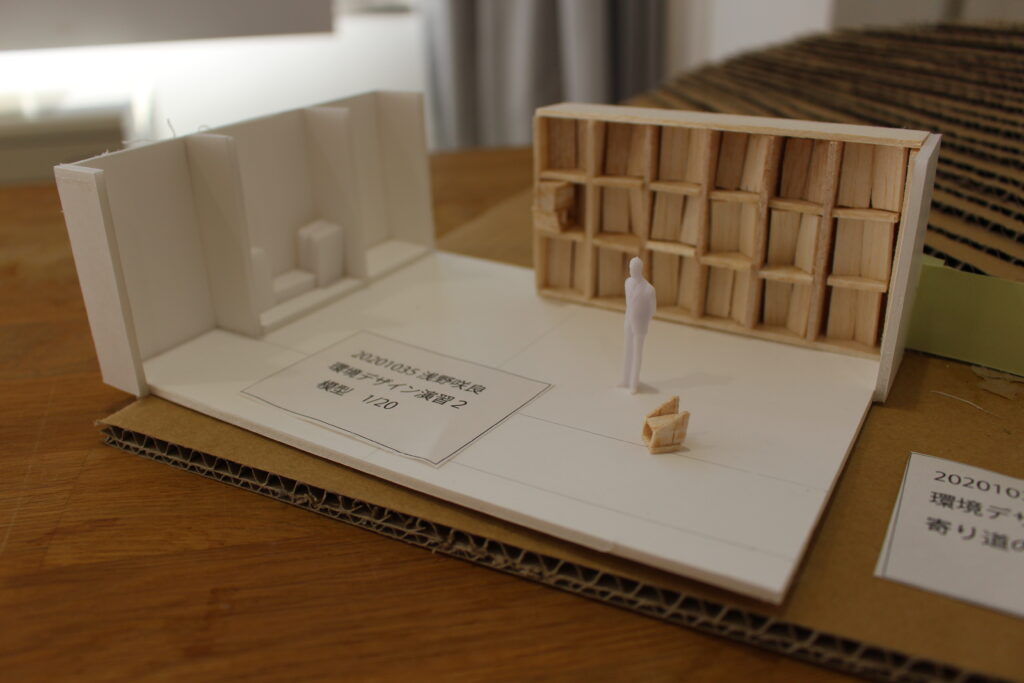
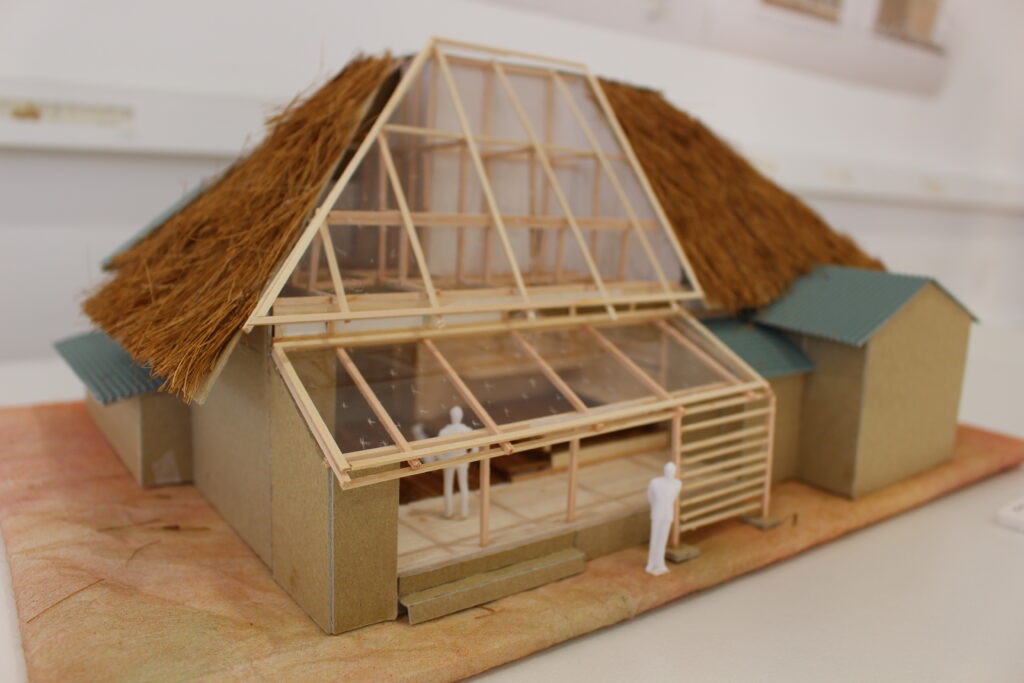
The challenge was to find a way to reuse an old, vacant old house in Niigata Prefecture as a public facility, as a place for new values.
Looking at the students' proposals, "interaction" emerged as a common theme.
・A space where local people can enjoy music through music
・A space where local people can relax and read books
・Space where efforts can be made to promote migration
They drew each of them.
Hints for future improvement methods that can be gleaned from these
・It may be possible to partially renovate an old folk house without reusing the entire space (the entire space). Isn't it okay to have some parts that you don't want to expand or modify (don't use, leave as is)?
・Instead of assuming that the facility will be used throughout the year, it may be possible to assume that it will be used during the period from spring to autumn when there is no snowfall or accumulation.
・Aren't there things that have utility value other than the architecture itself, such as molded glass?
・In addition to the direction of ``renovating the building,'' there may also be a way to reconfigure the space by inserting ``furniture that makes use of the building.''
There was a harvest of ideas such as these.
There are still many possibilities for ideas for reusing old houses and promoting migration.