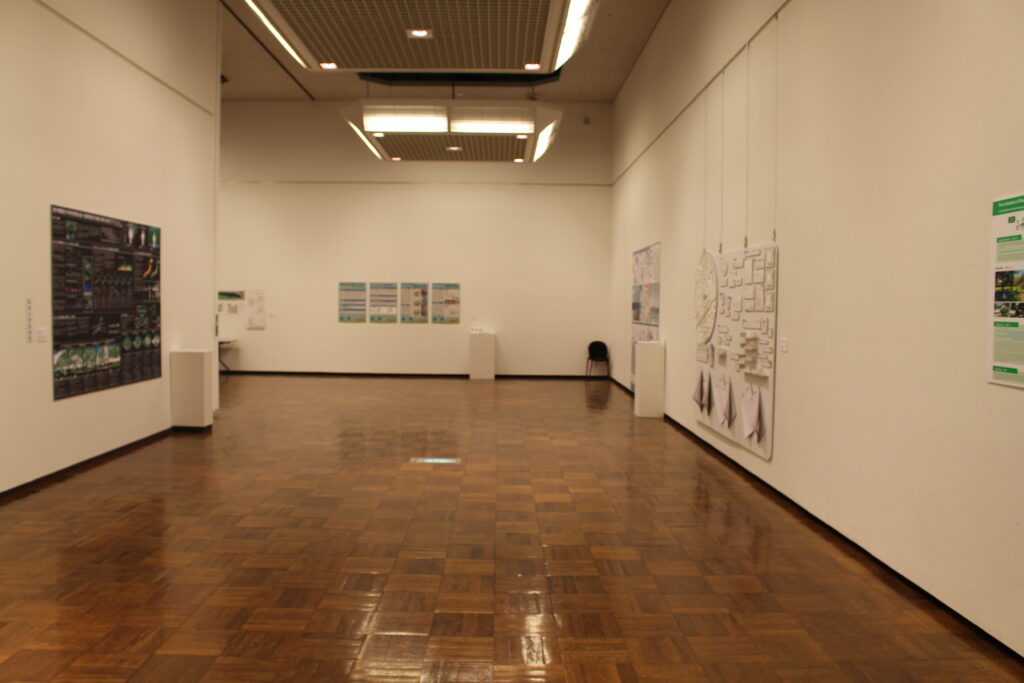
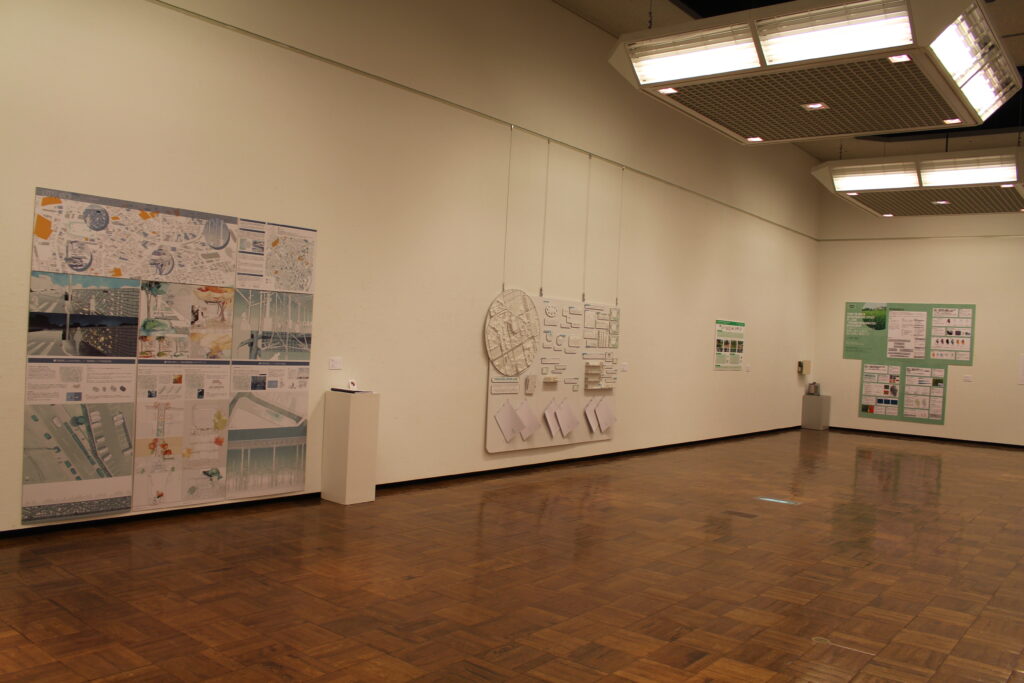
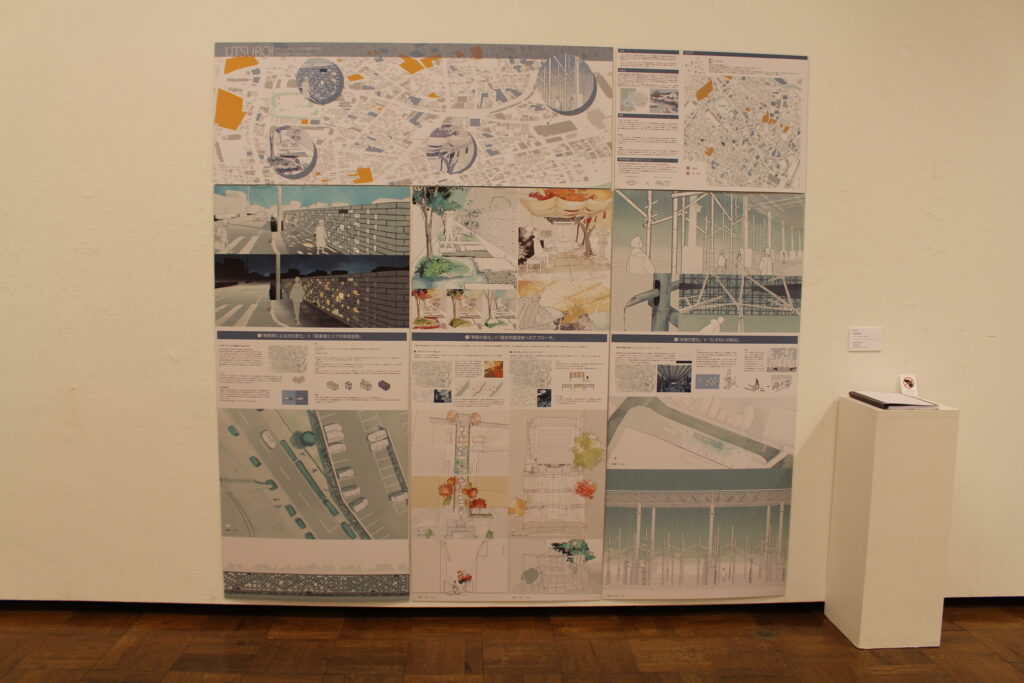
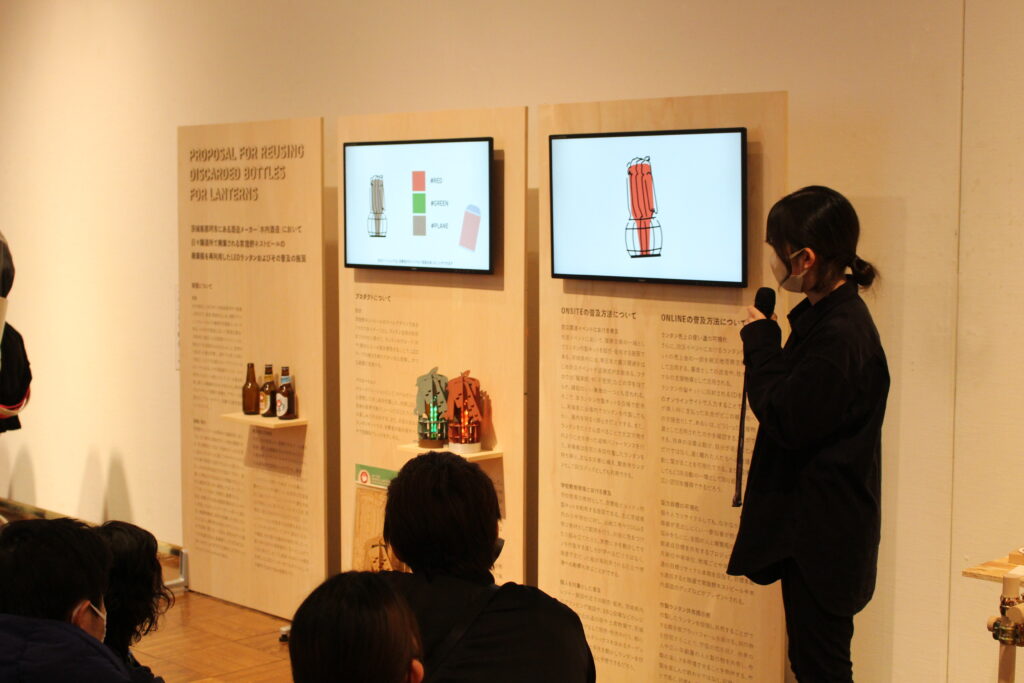
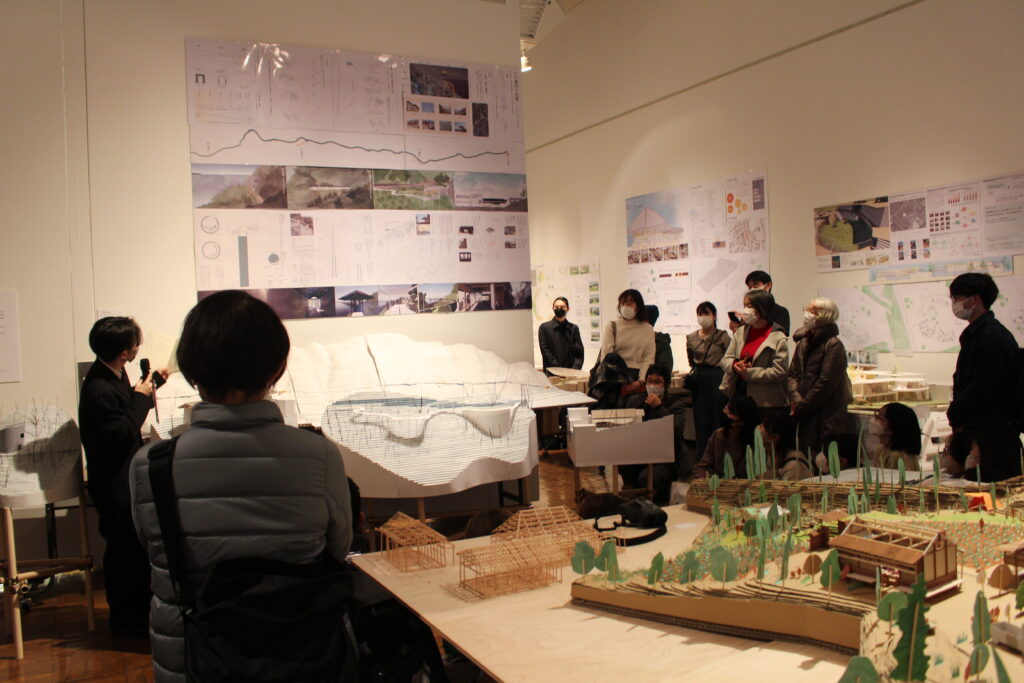
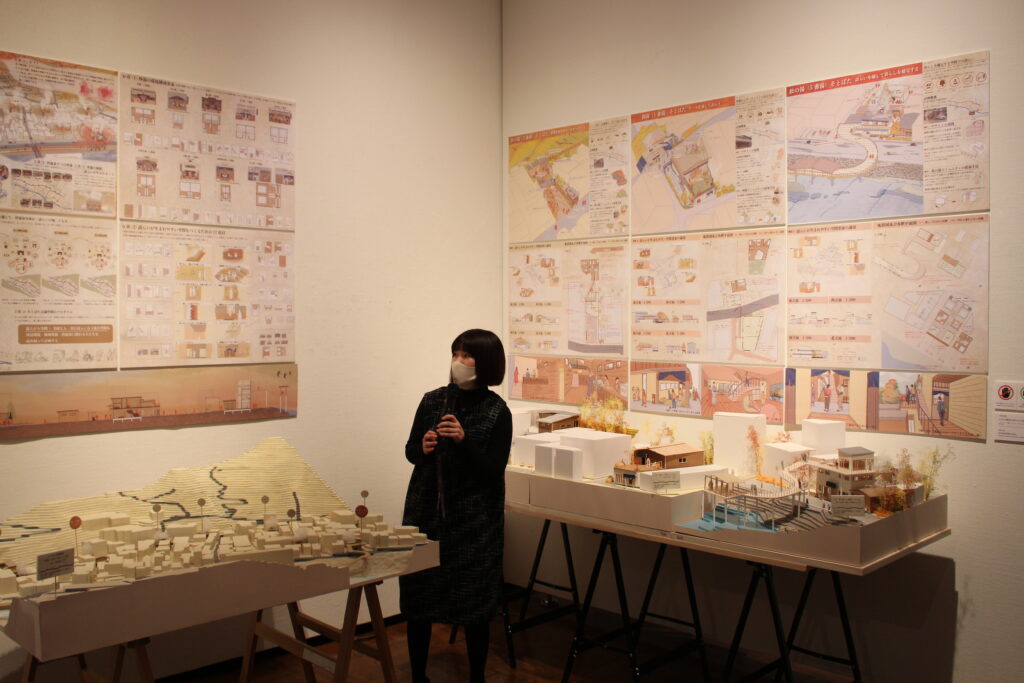
A graduation exhibition (second half) will be held at the Tsukuba Museum of Art in Ibaraki Prefecture, and there will be an exhibition in the area of environmental design.
The exhibition period is from February 2023, 2 (Tuesday) to March 28, 3 (Sunday).
This post is the final installment of the Ehime series.
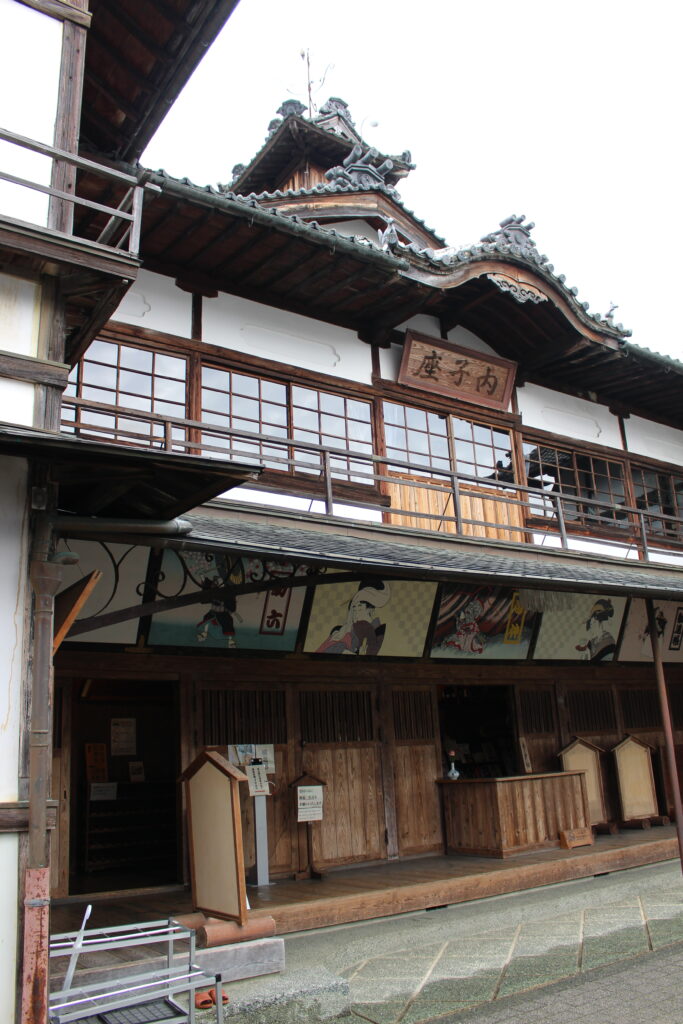
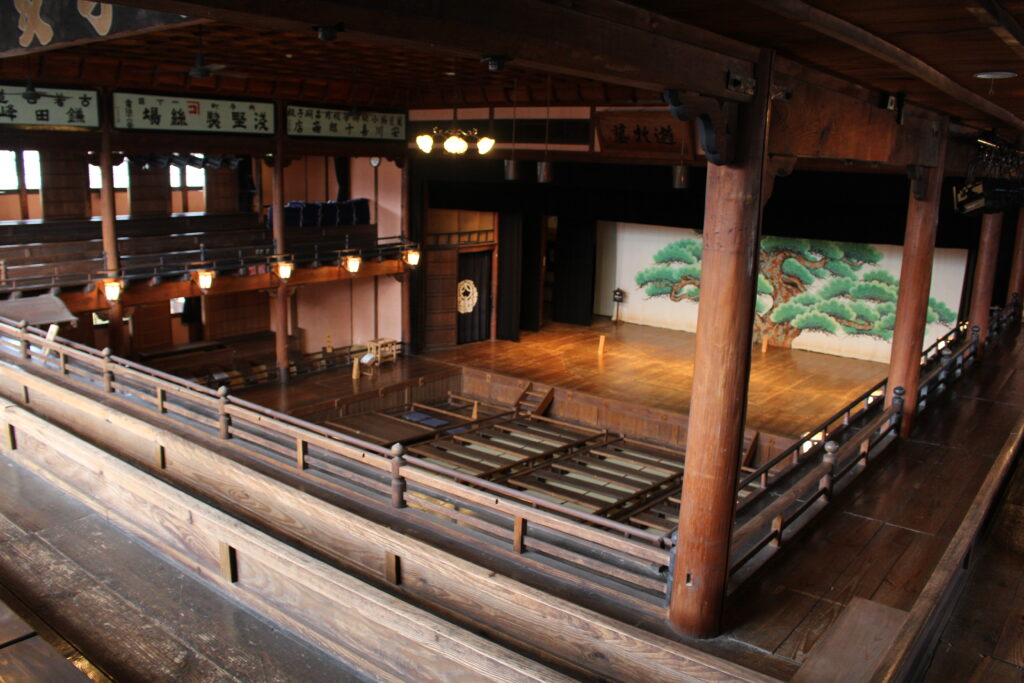
The last stop on our Ehime trip was to the Judenken area of Uchiko Town.
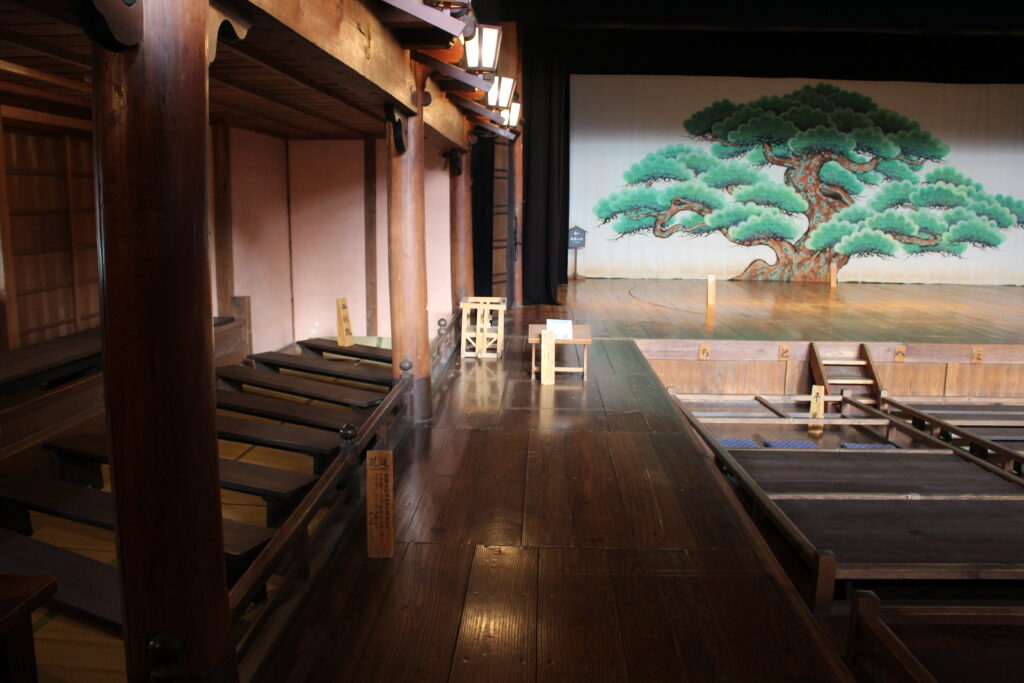
First up is Uchiko.
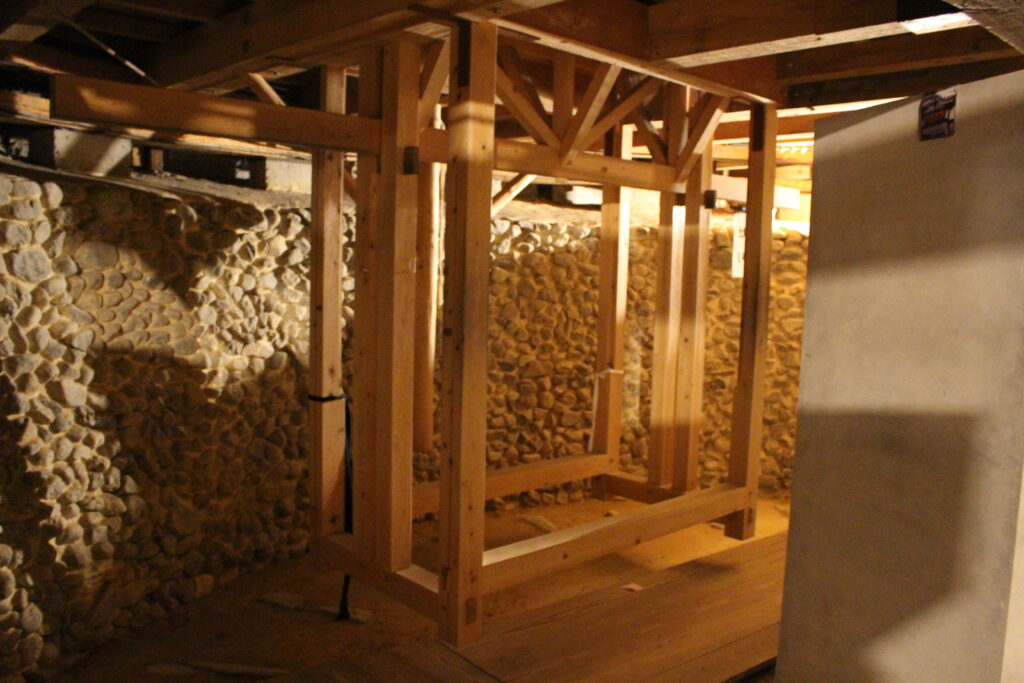
You can see not only the audience seats and the stage, but also the underground abyss and other stage mechanisms.
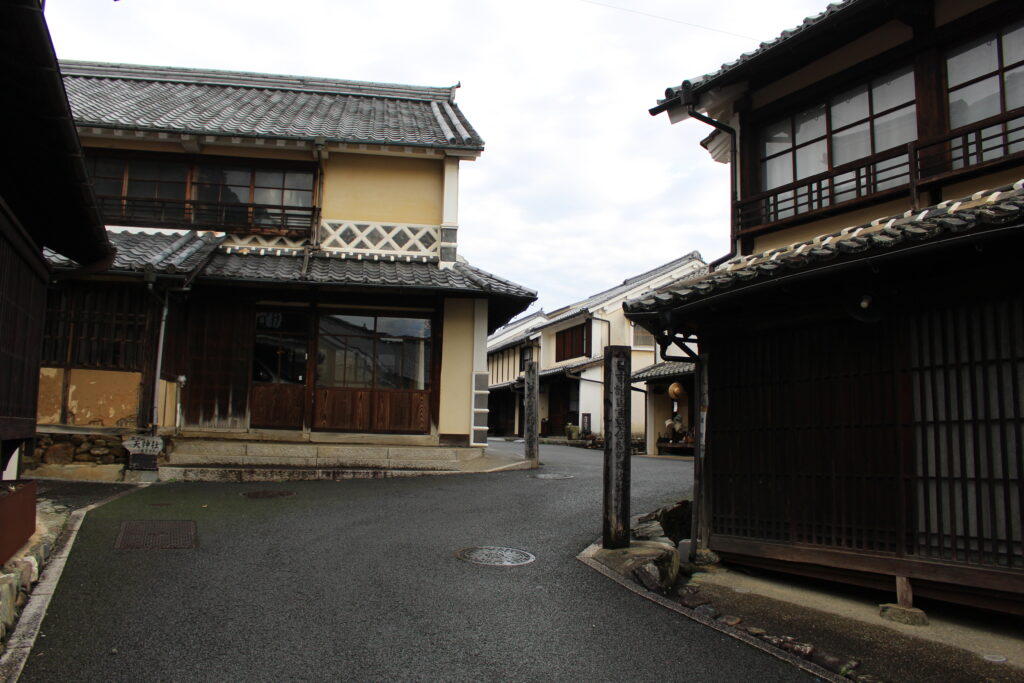
Next, we moved a little further and headed towards the townscape.
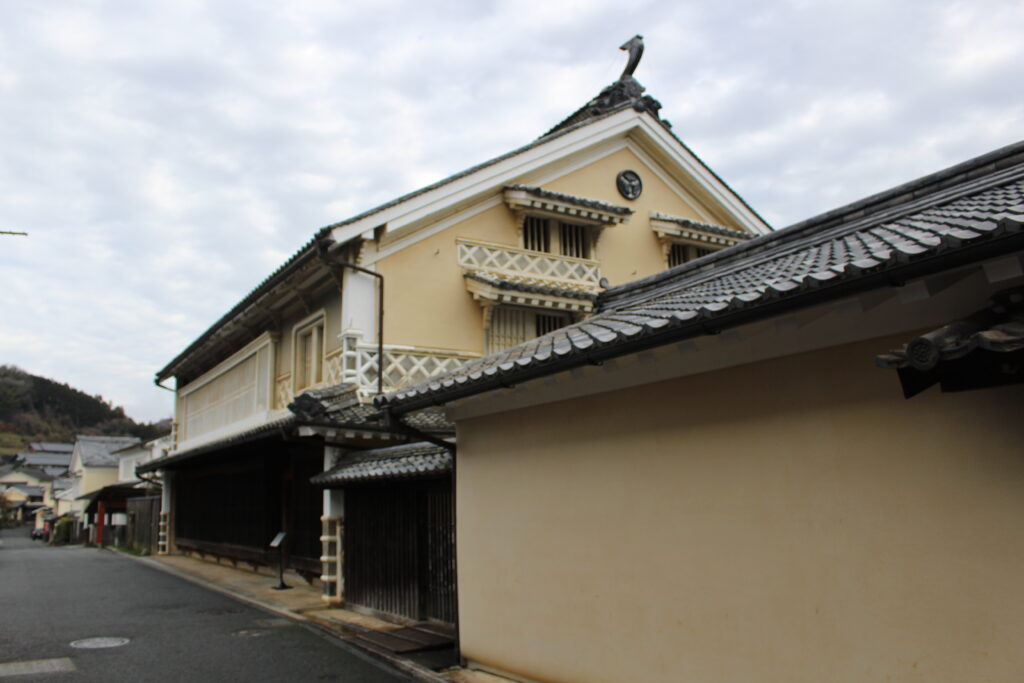
The highlights include the white and yellow painted walls, the trowel paintings, and the sea rat walls.
Even here...
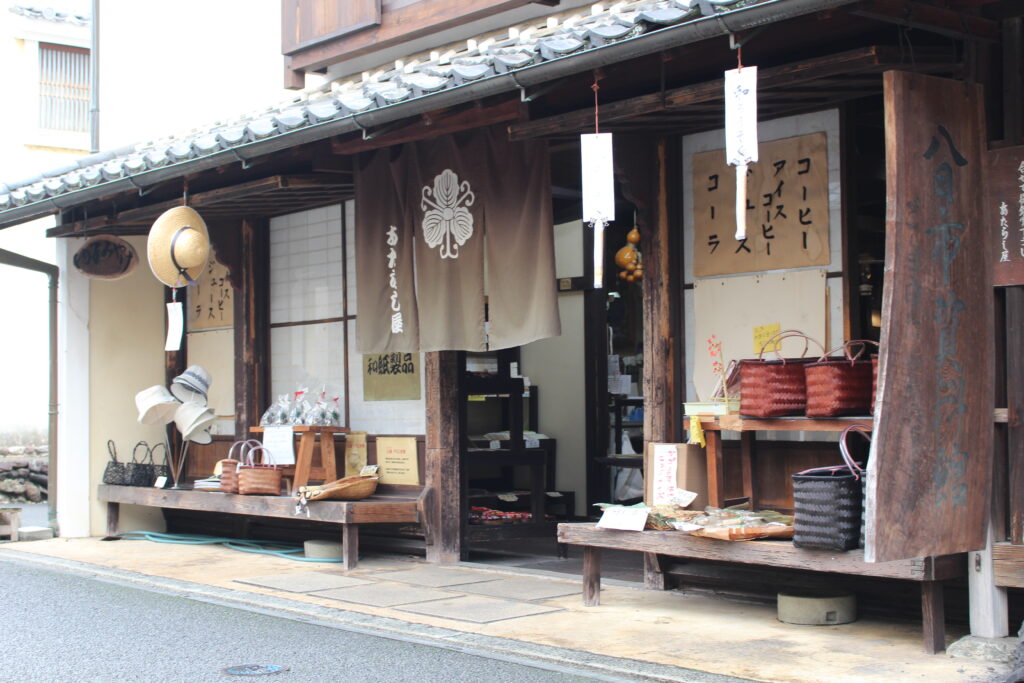
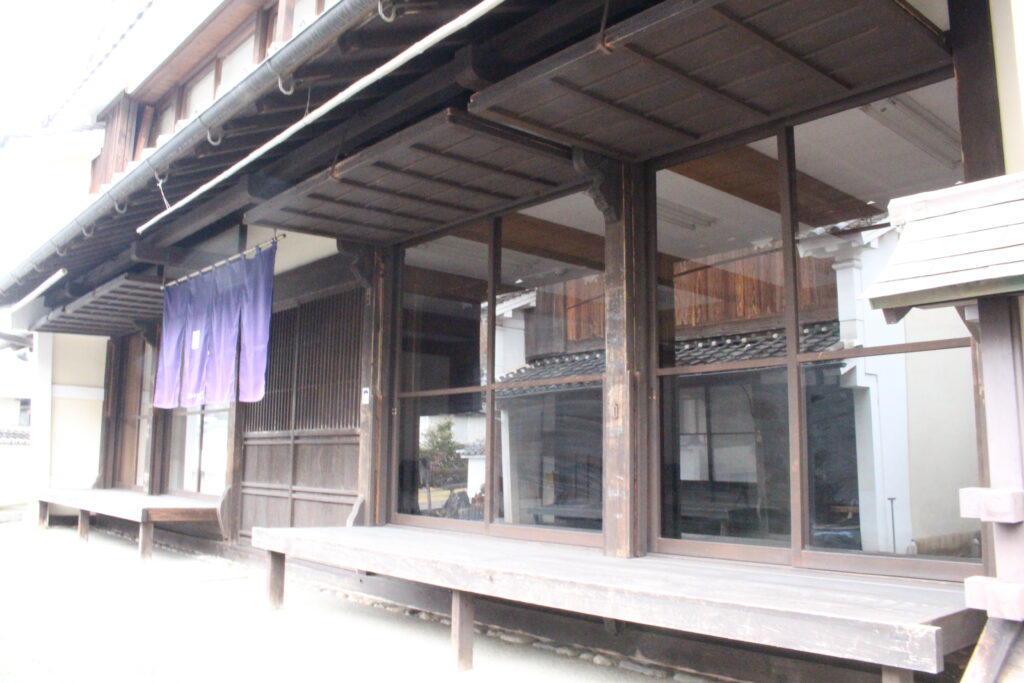
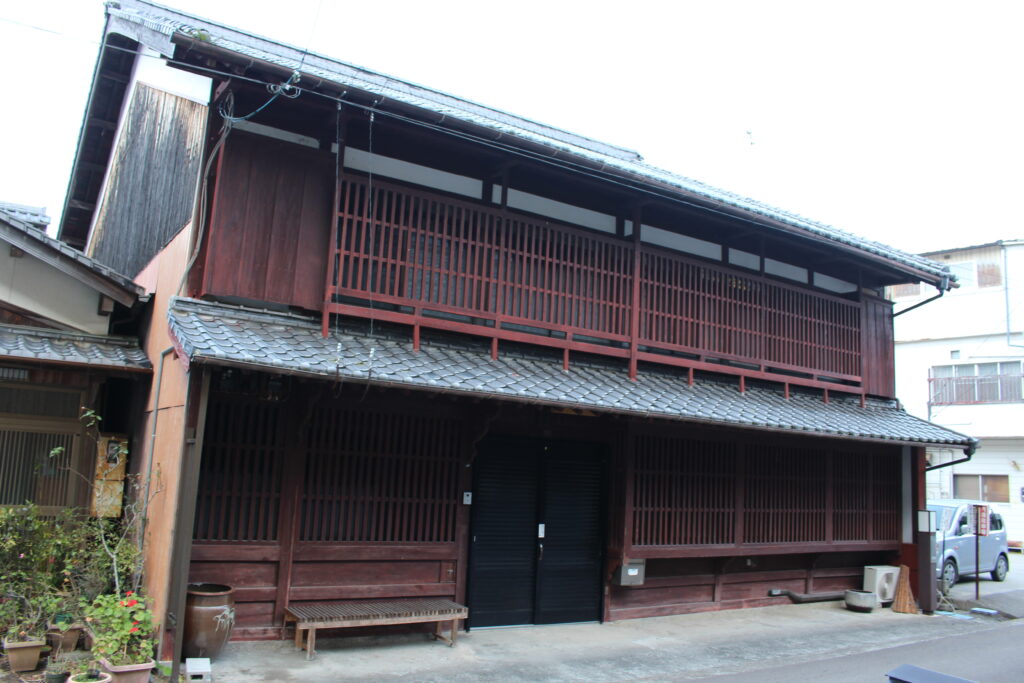
There was a mise structure.
The type is a little different from what I saw in Tokushima.
It is true that in the guidebook I have that introduces historical townscapes, it is written that there are ``Oto'', ``Shinji'', and ``Yokoba'', but they are not particularly introduced in photos. I never expected there to be so many misezukuri.
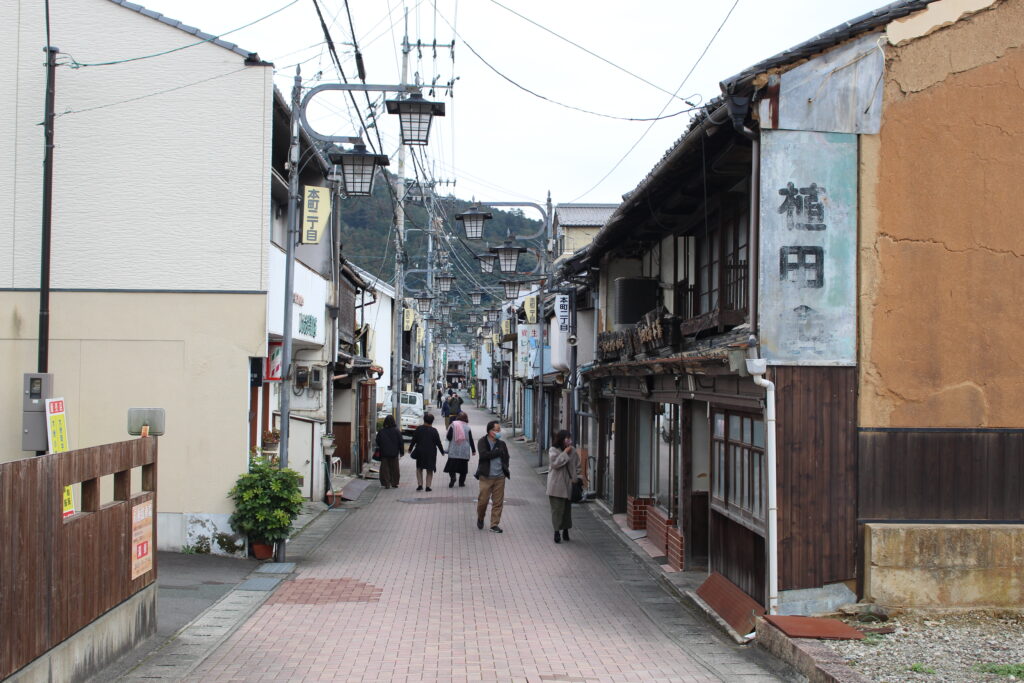
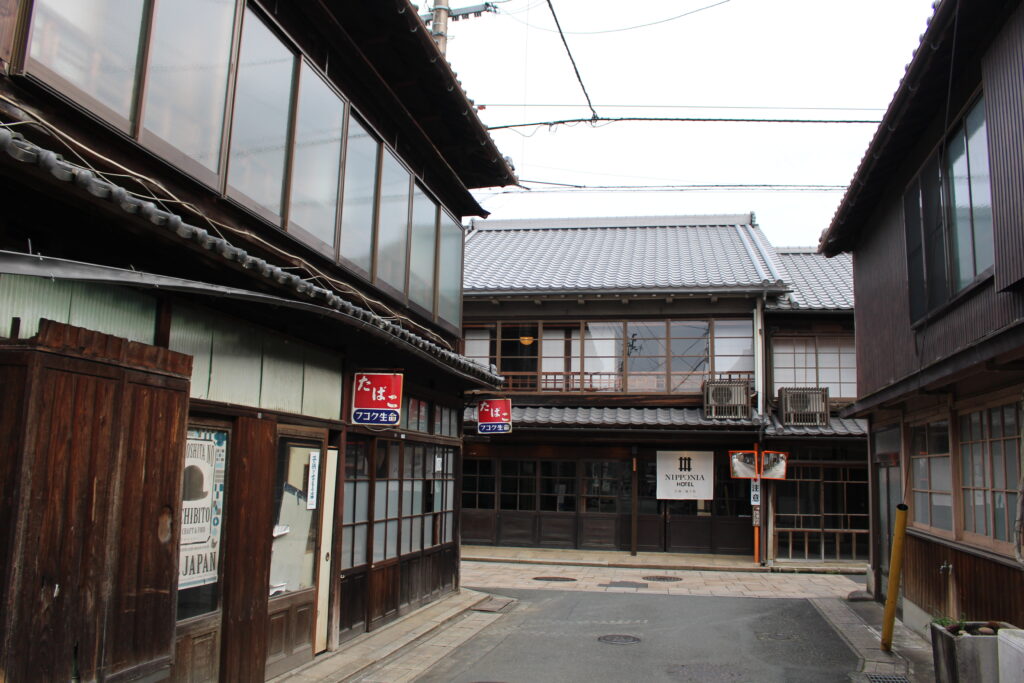
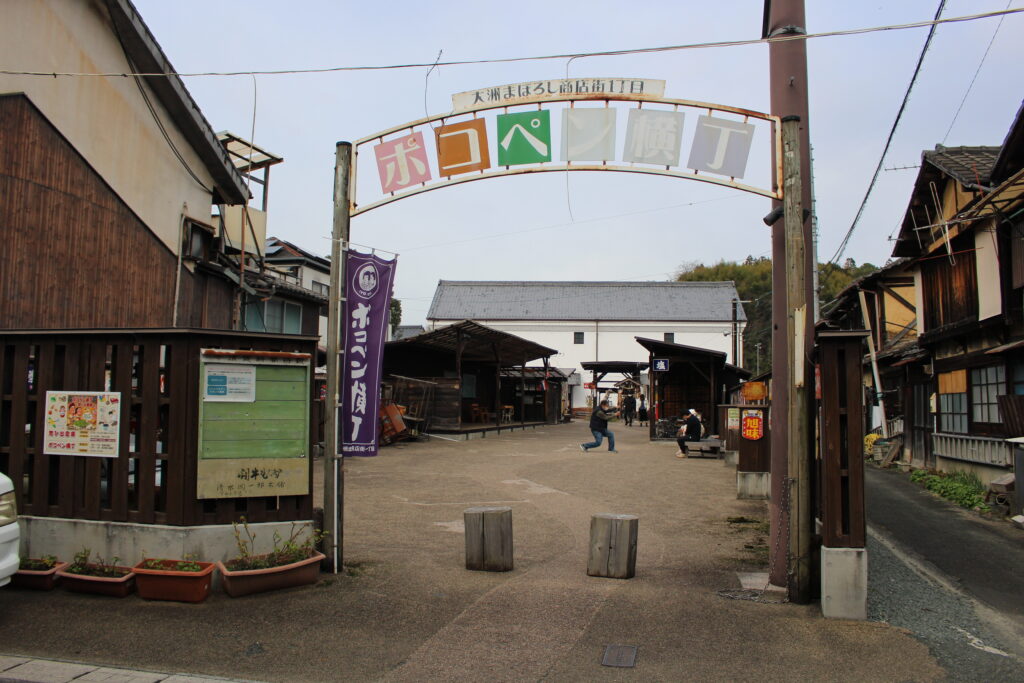
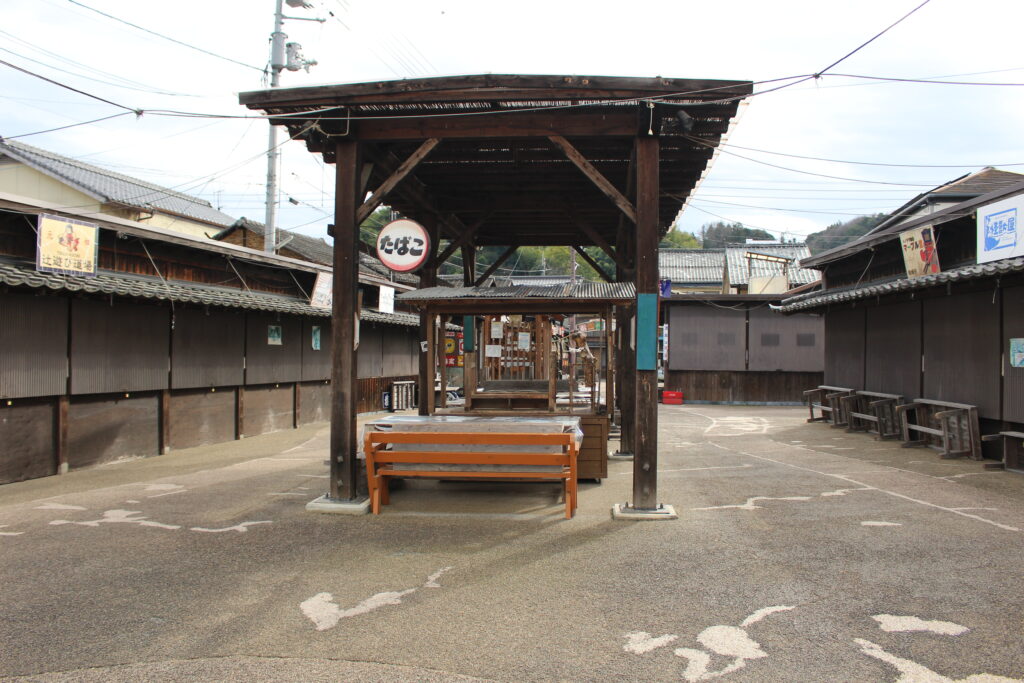
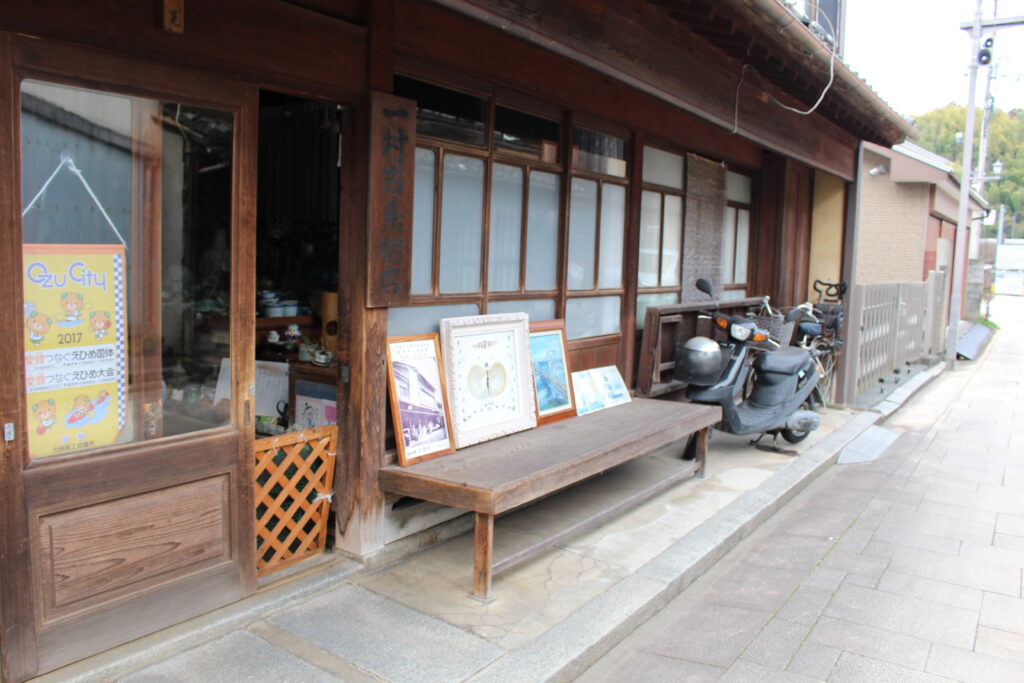
Continuing from last time, we will talk about Ozu.
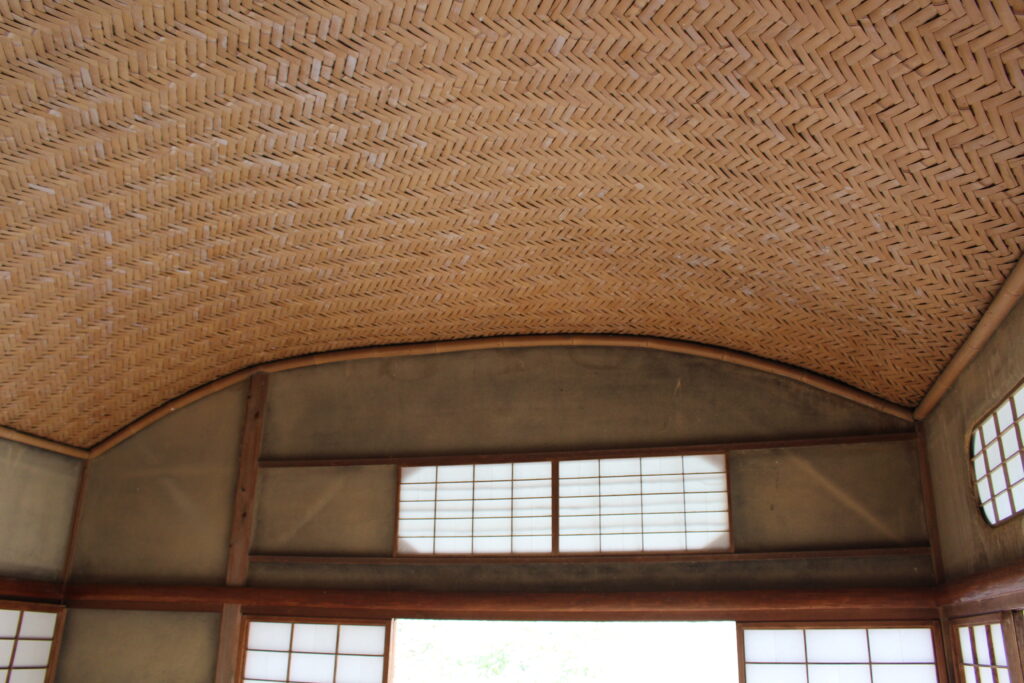
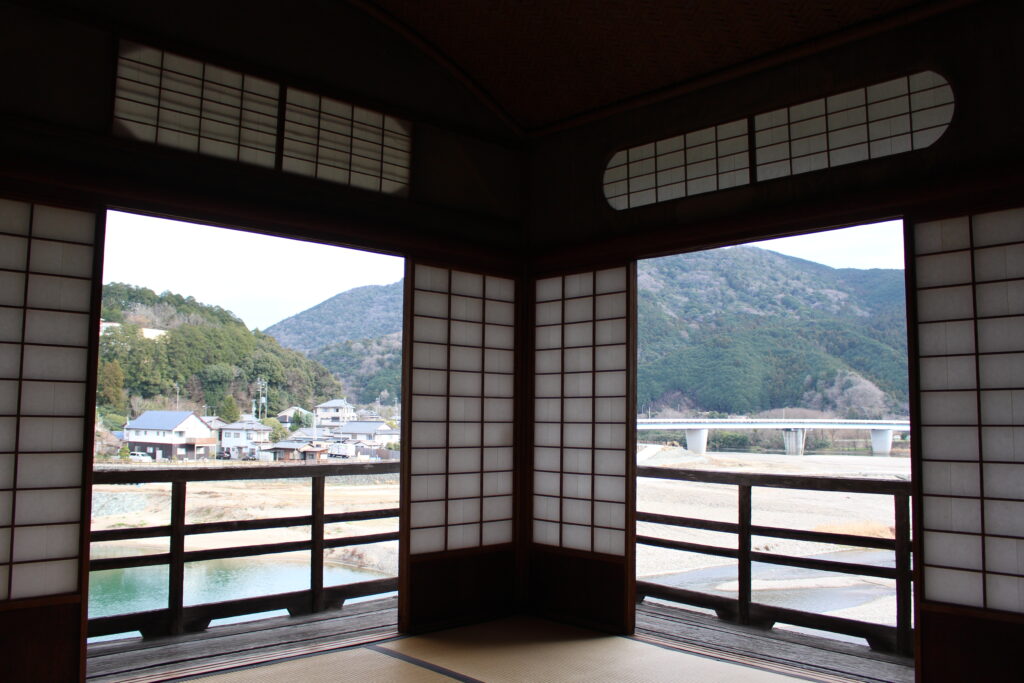
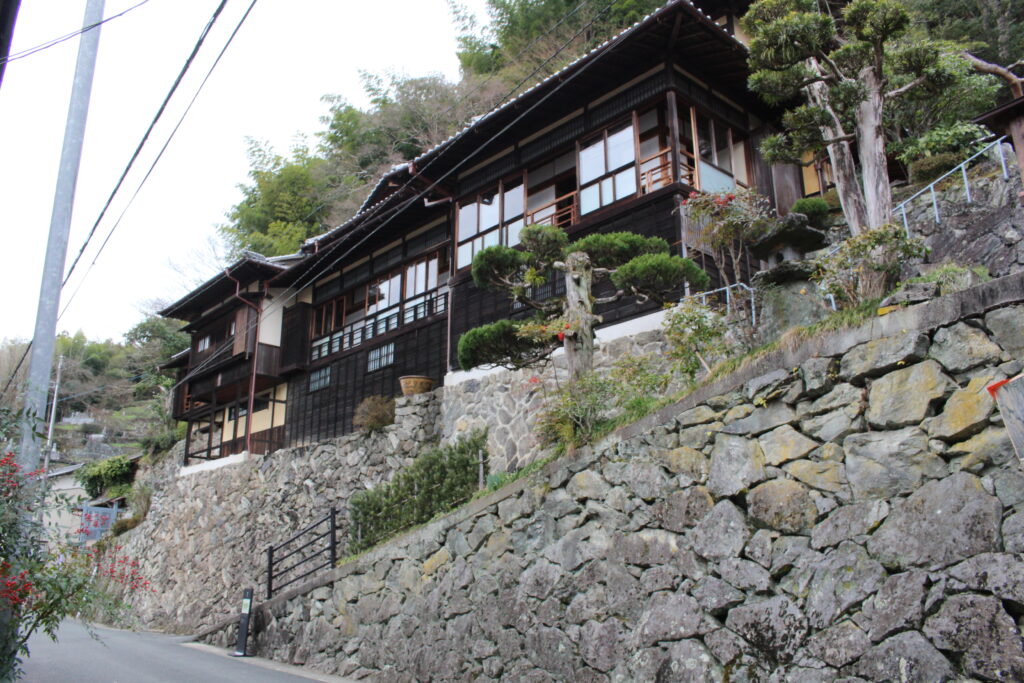
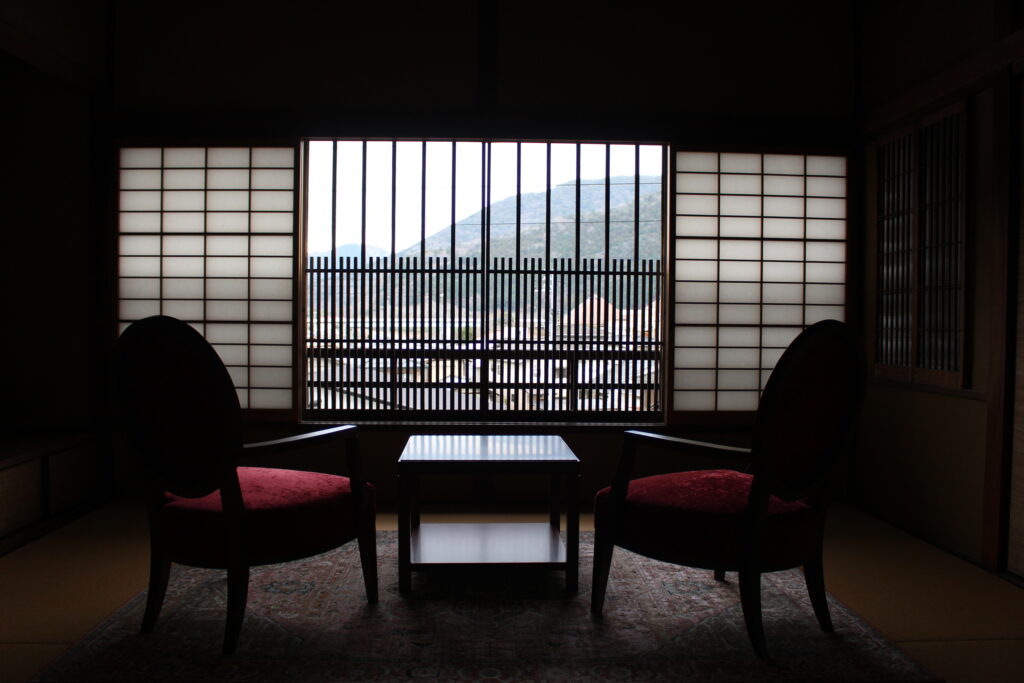
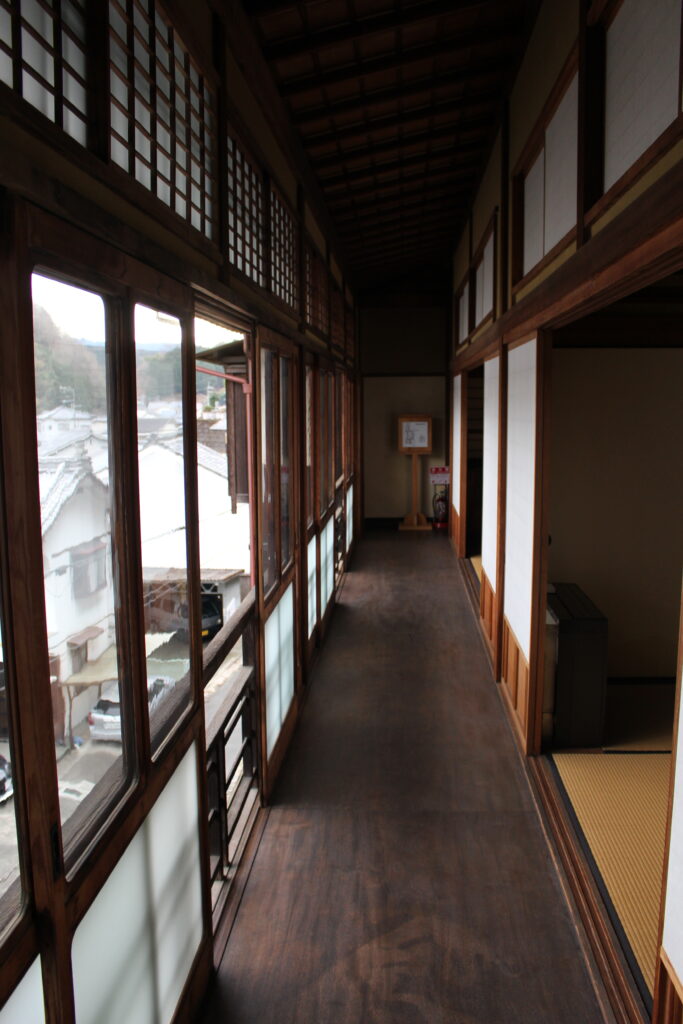
The townscape of Ozu was very interesting, but Garyu Sanso and Bansenso were wonderful.
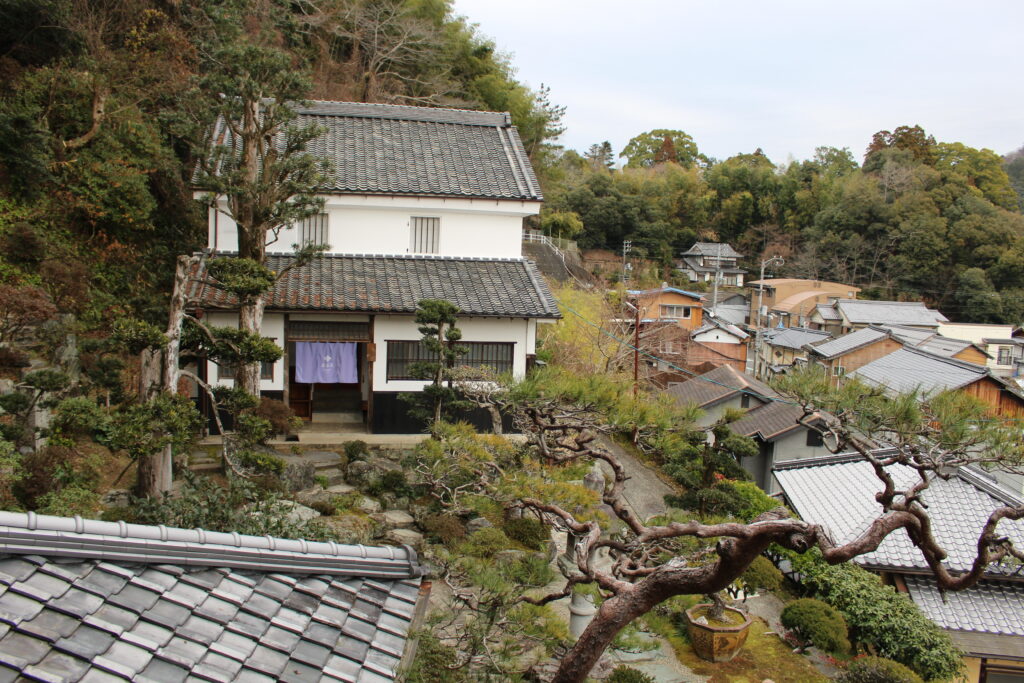
First up is Garyu Sanso.
Well, it was amazing.
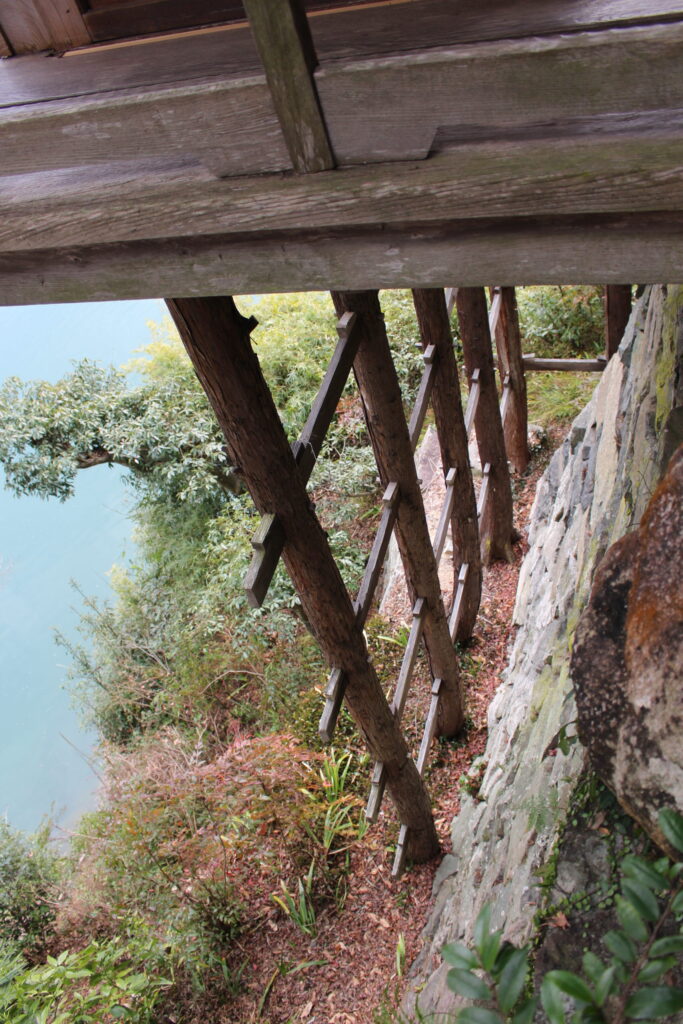
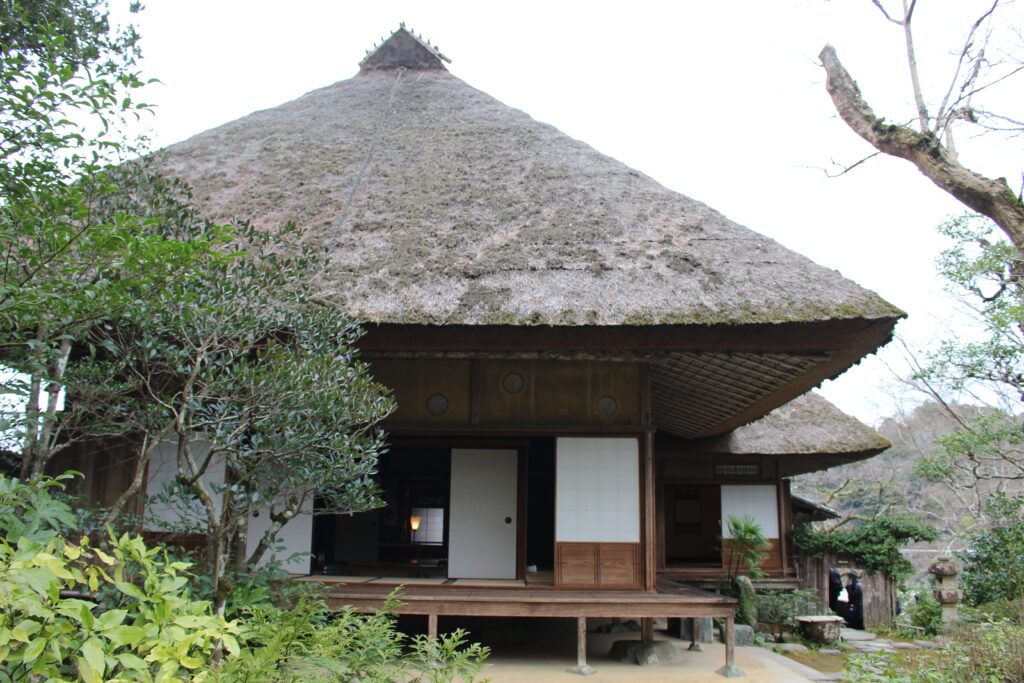
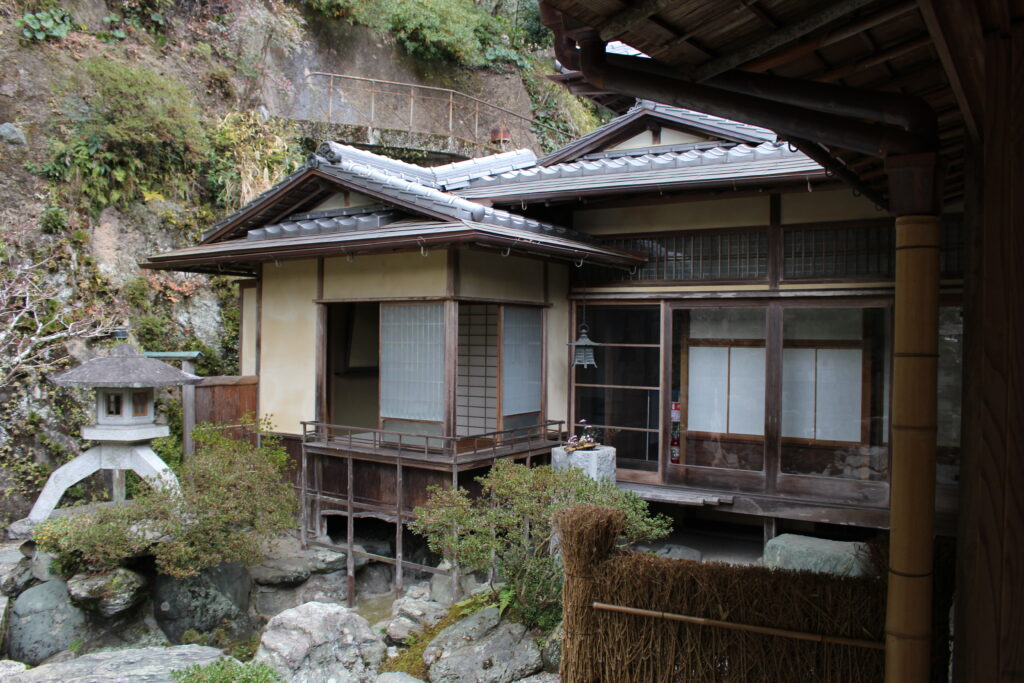
Next, go to Bansenso.
It was amazing here too.
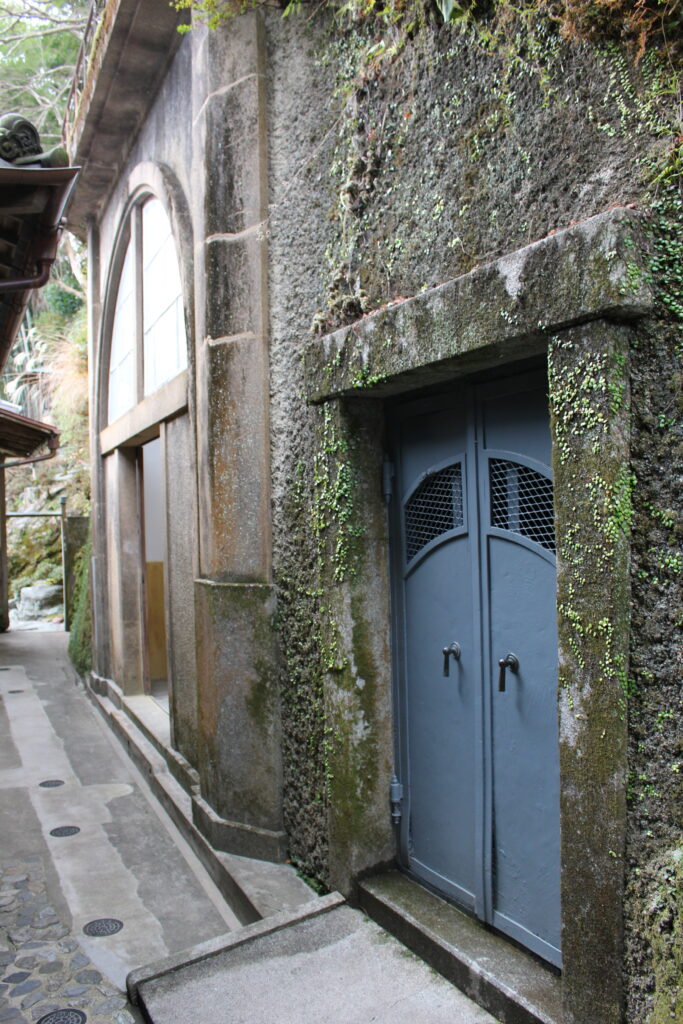
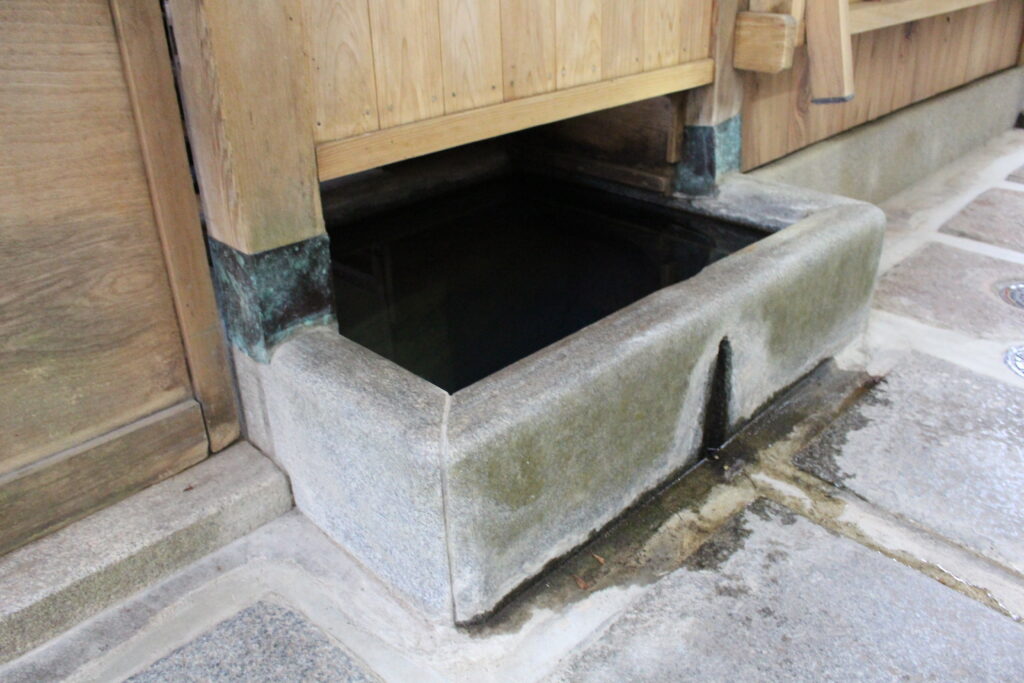
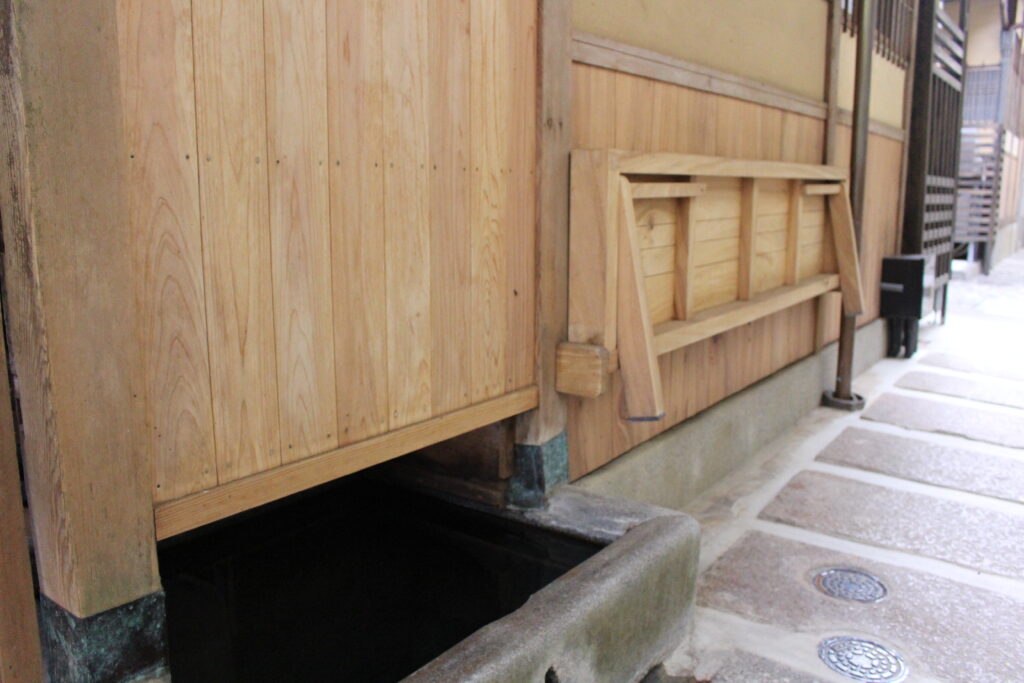
The building at Bansenso was nice, but I was impressed by the water intake system.
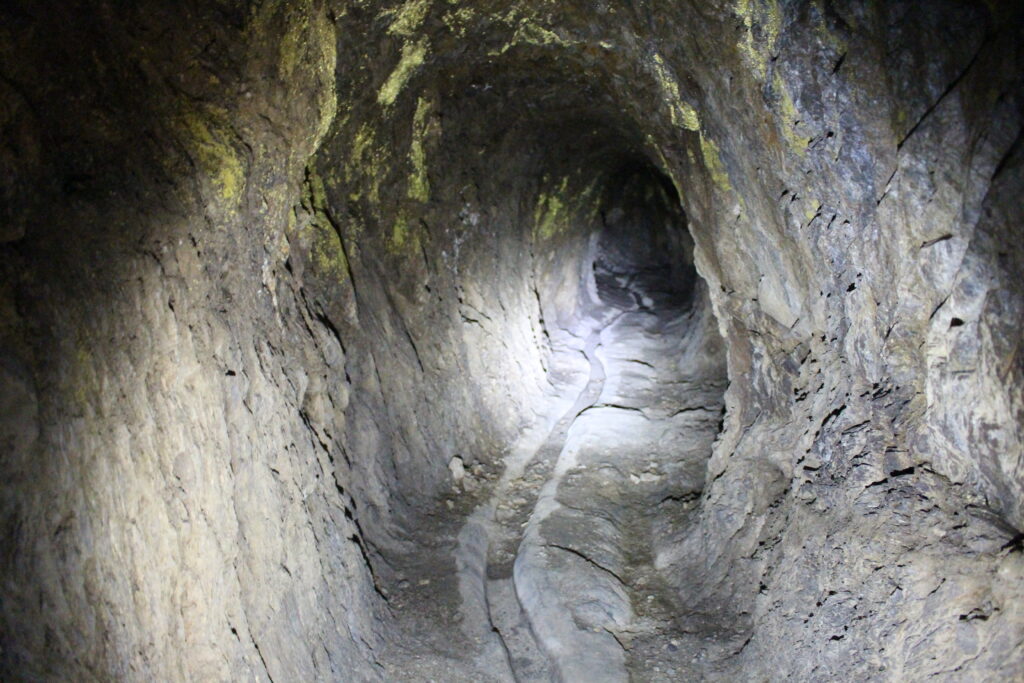
Domestic water flows from a side hole cut out of the bedrock.
I can't even imagine how difficult this construction must have been.
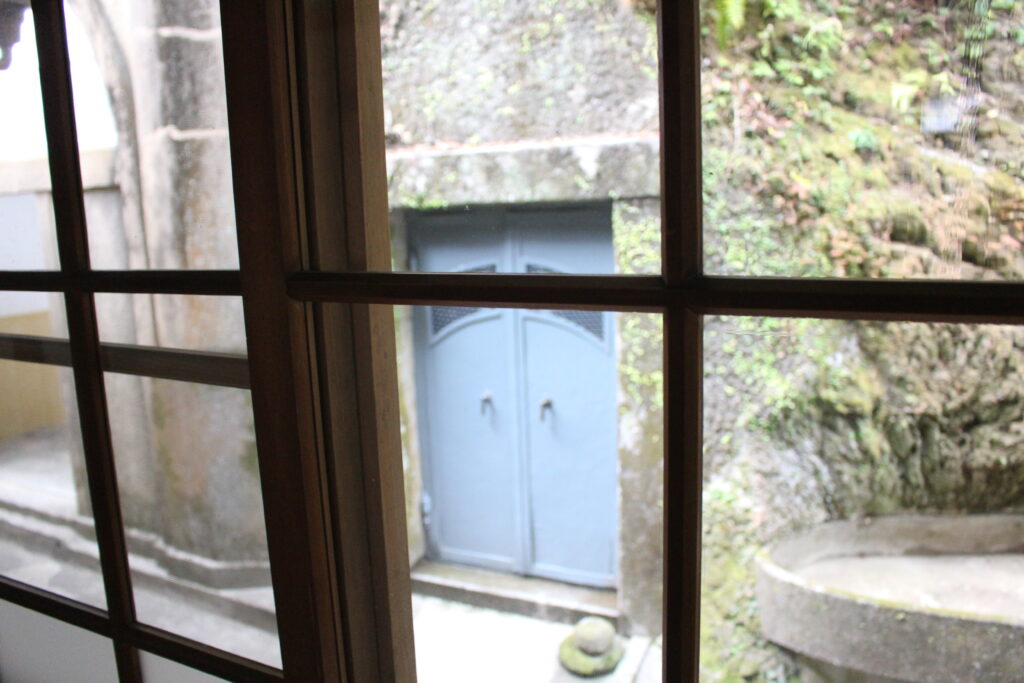
Beyond that iron door is a side hole carved out of the bedrock.The purpose of the facility in the back left is unknown.I vote for the sauna theory.Borrow a flashlight and head inside.You can't proceed unless you crouch.Water is stored here.
And what's next to this water tank...
! ! !Surprise! ! !
Afterwards, I toured the storehouse, and it looked like a clay-painted storehouse.
It is also a big mystery as to where in Japan the clay-painted itakura are distributed.
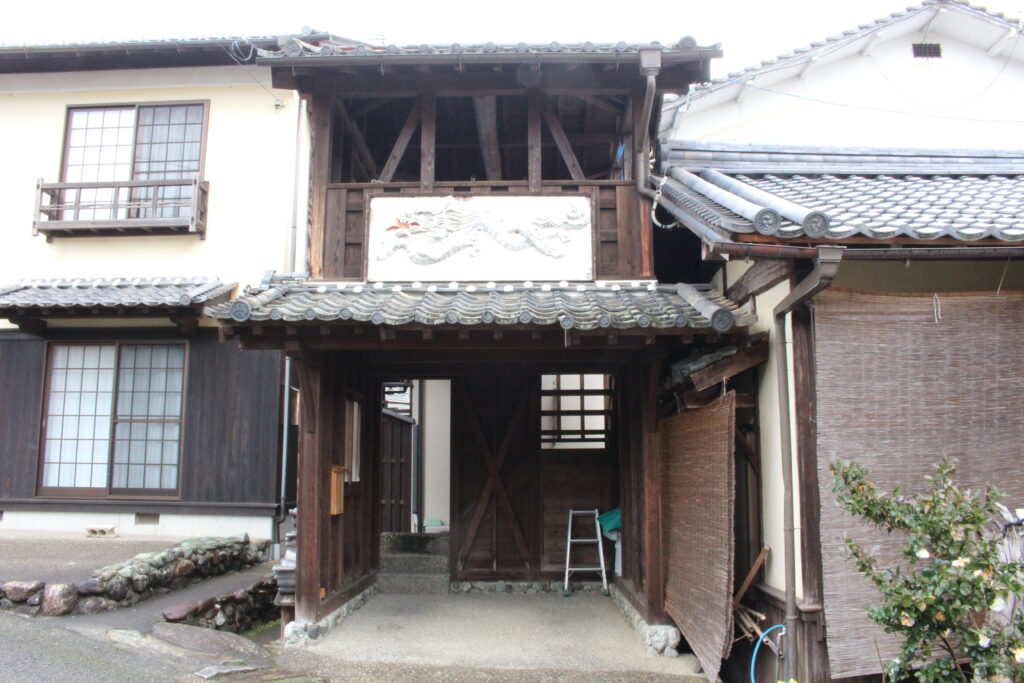
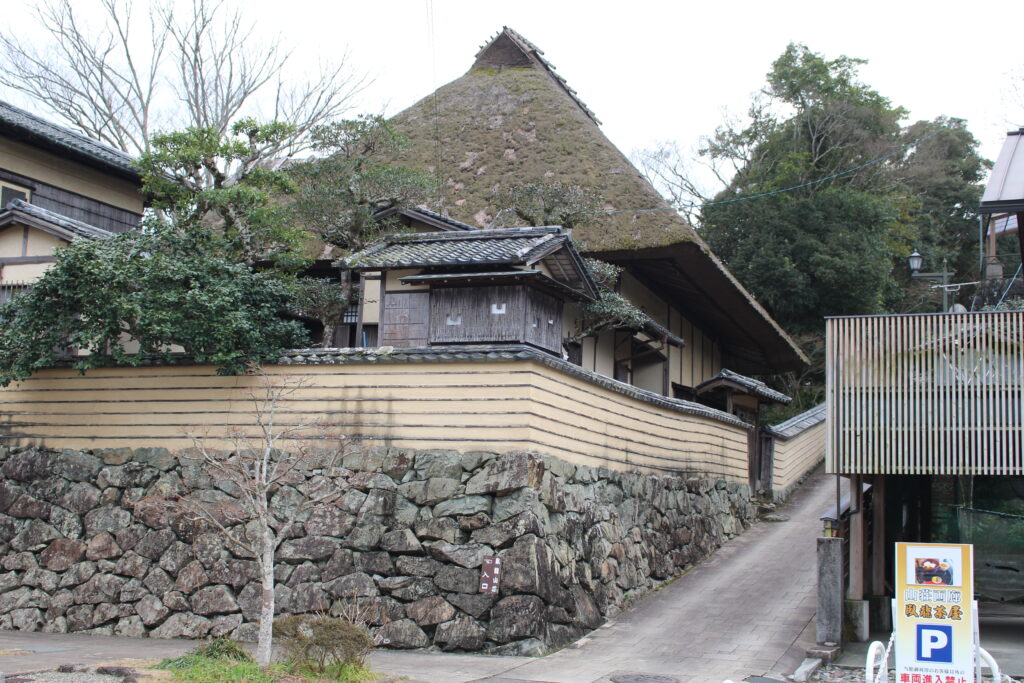
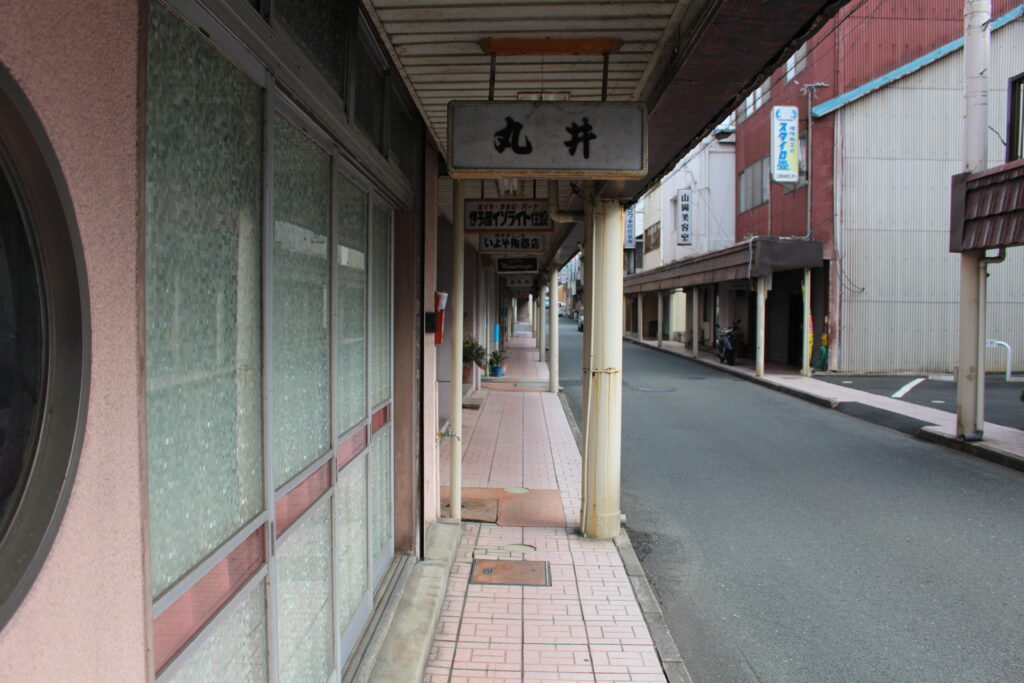
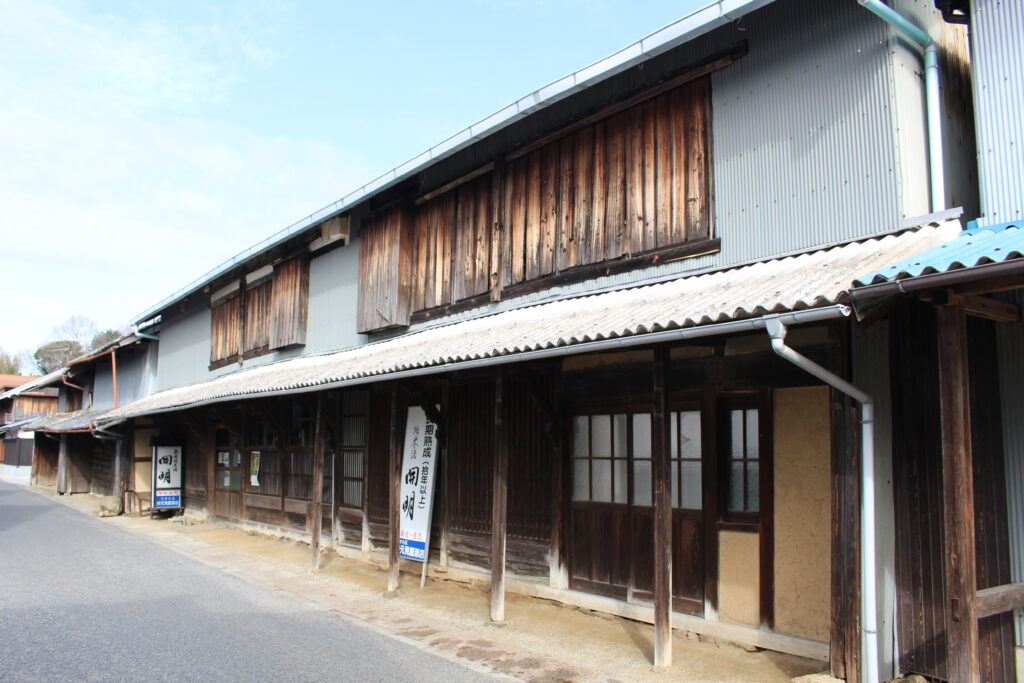
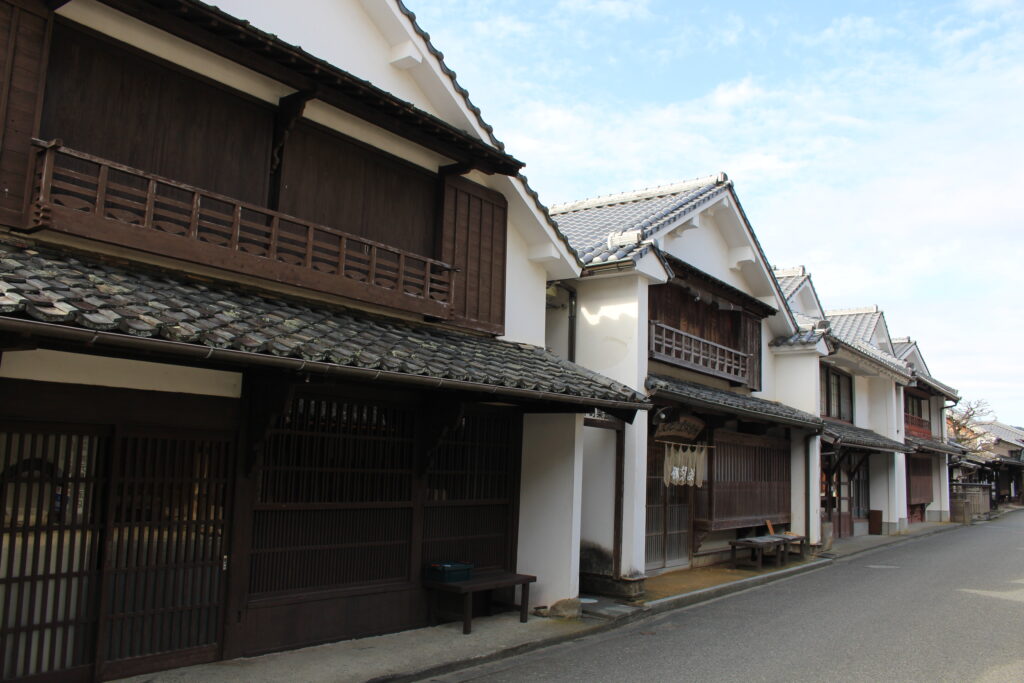
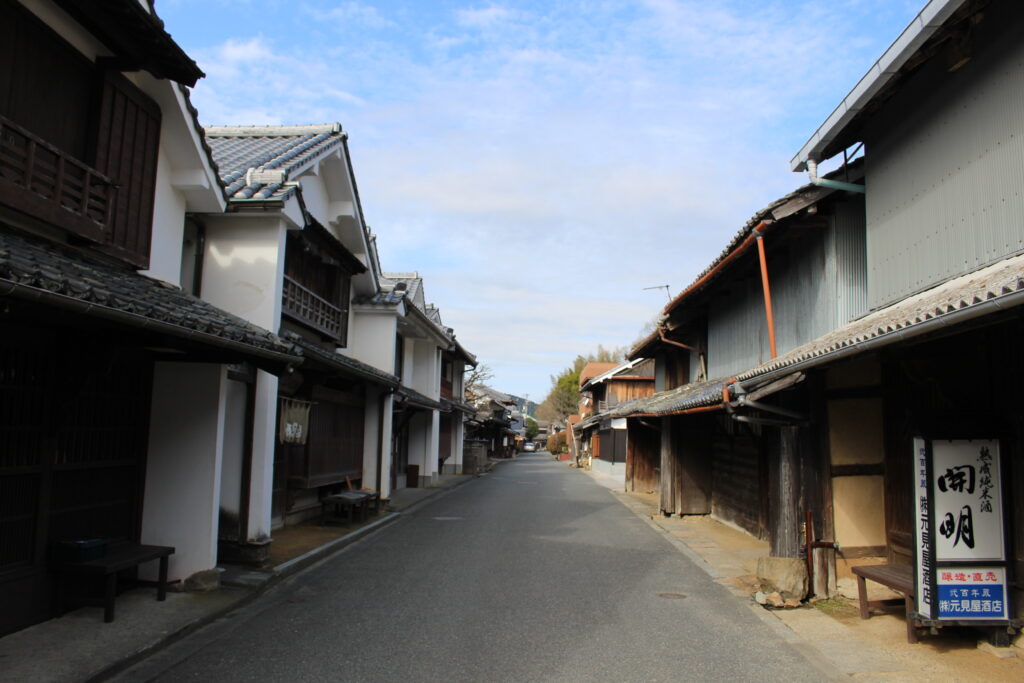
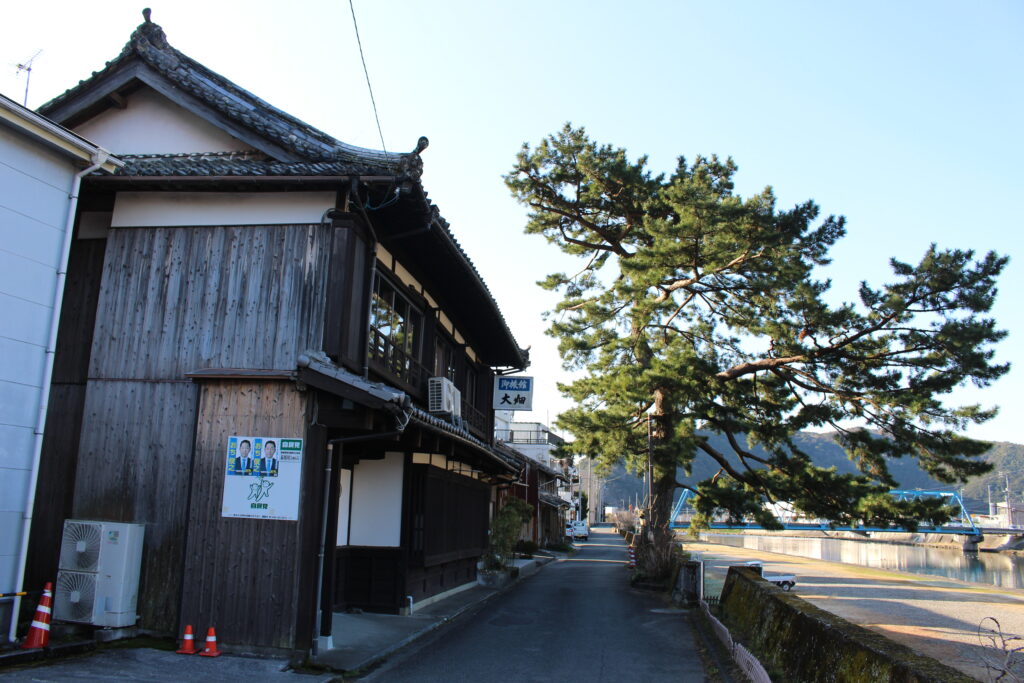
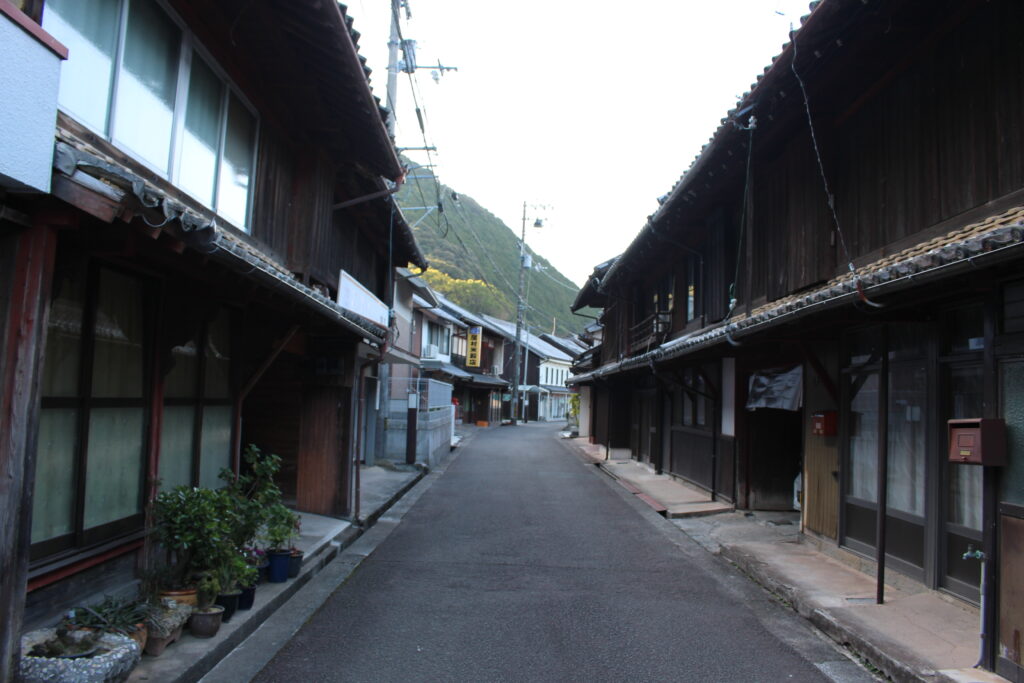
Next, I visited Uwa-cho, Seiyo City.This is the heavy-duty construction area.
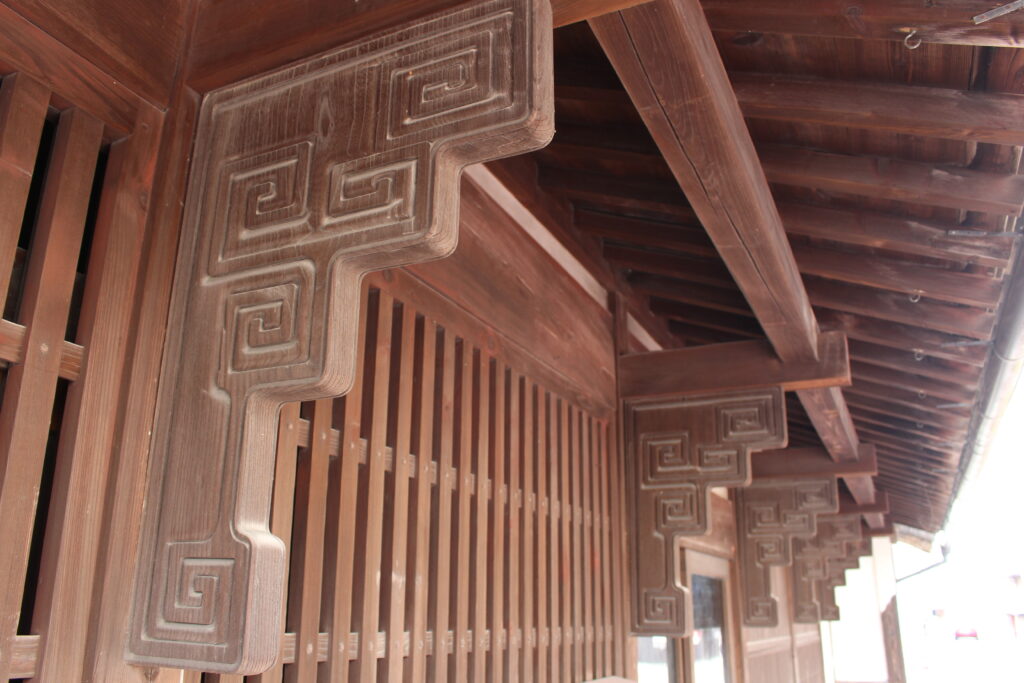
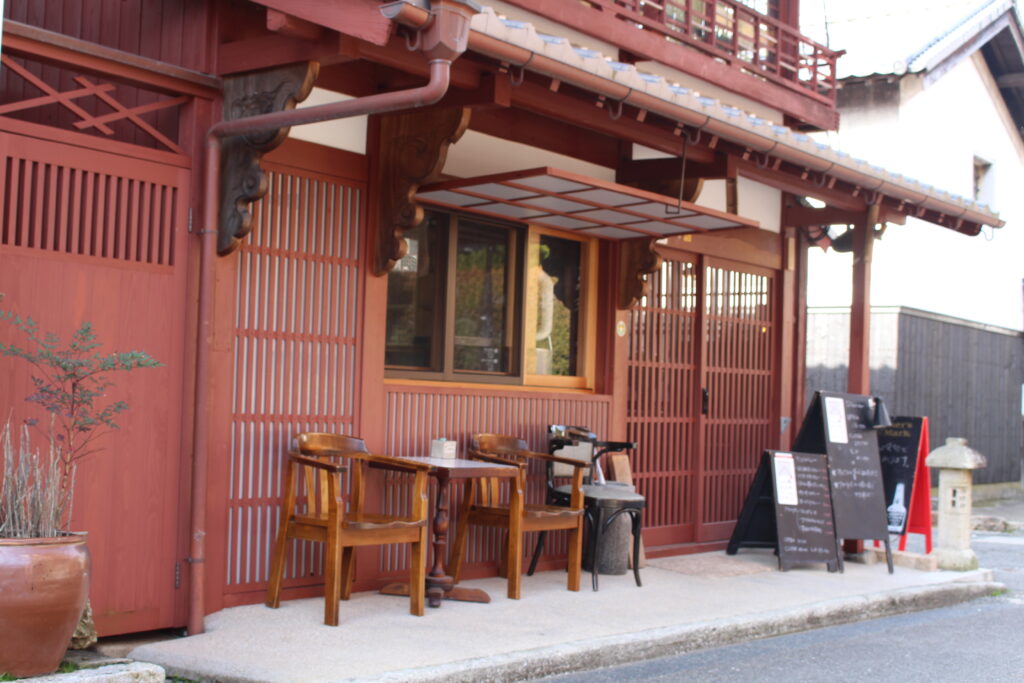
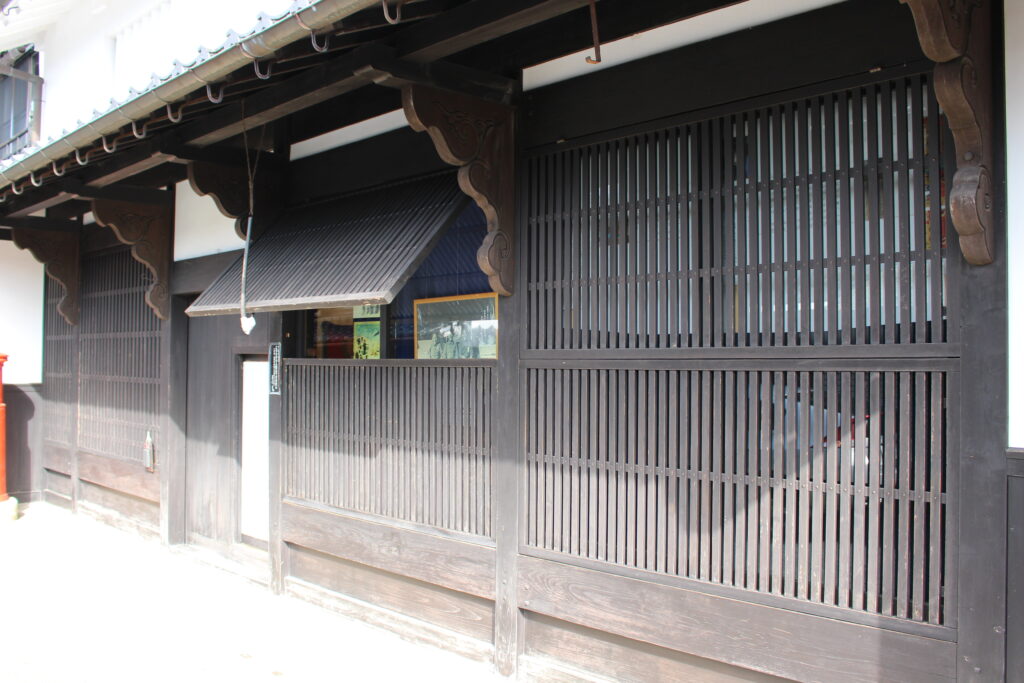
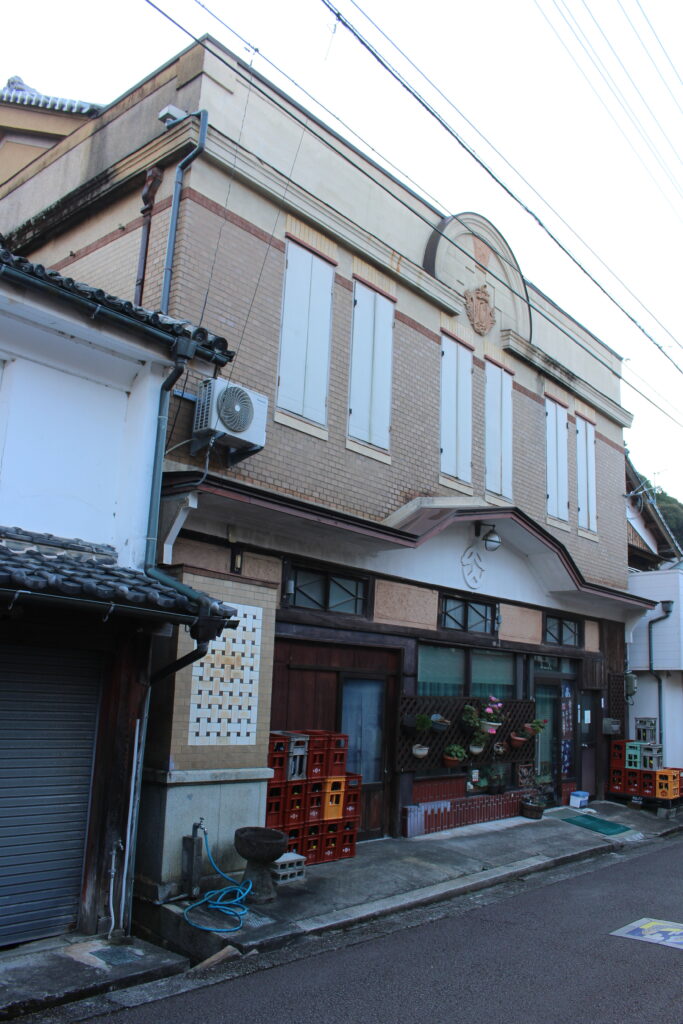
The townscape was a mixture of Hirairi and Tsumari, and there were many accents such as corbels, lattices, sleeve walls, and Uken, making the townscape rich in variety and enjoyable to look at.
While maintaining a certain sense of unity as a ``traditional wooden townscape'', if you look closely, you will find a group of unique buildings.
I thought this was an example that could be useful in establishing landscape rules for modern townscapes.
I thought there were a series of flats...This is a series of tsumairi.It's interesting that these things are facing each other.A cool takeaway.An open cafe in Kodo.good.
I discovered the renovated door of the cafe, and my expectations were high that it might have a mise-zukuri style.Then...
There is a lattice door type door in the museum.
For this... I have no choice but to go to the museum!So I entered the museum.Then...
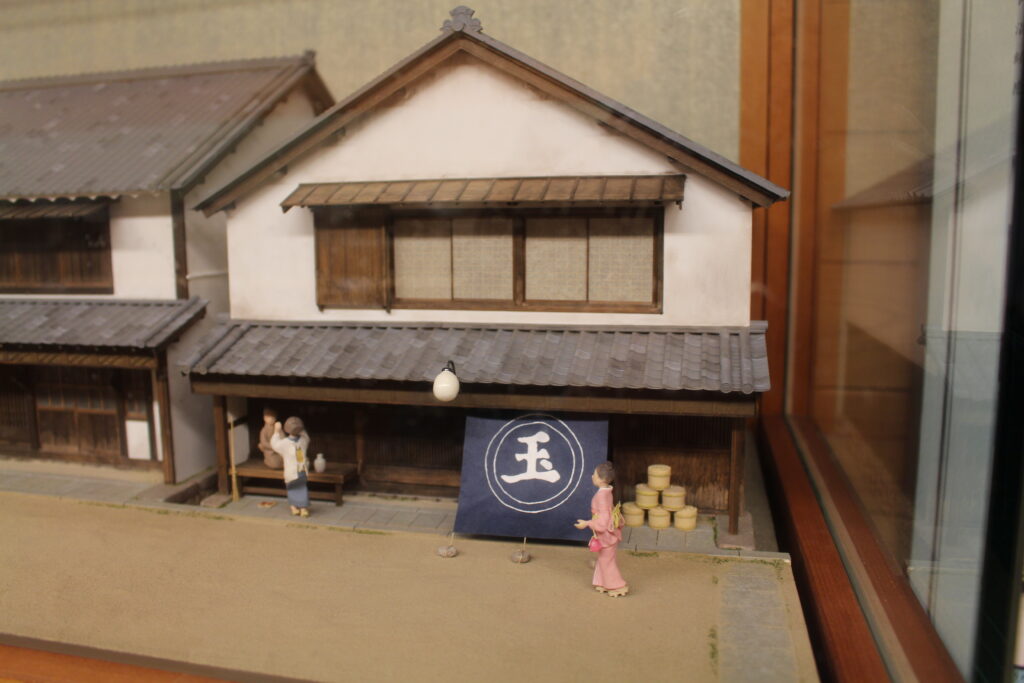
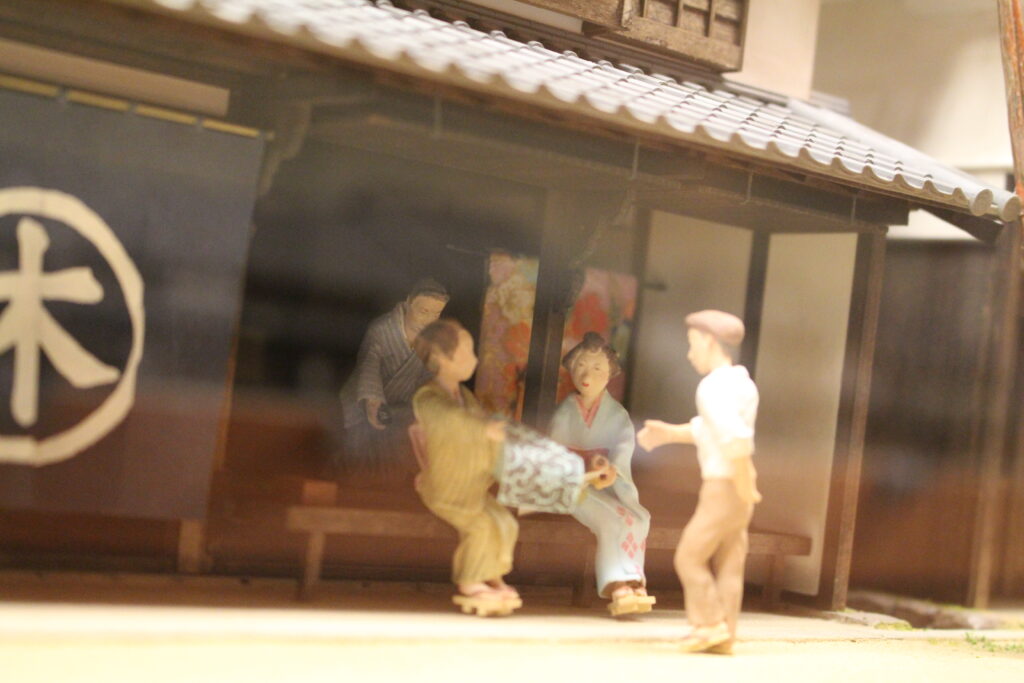
There was a ``mise-zukuri'' model that recreated the old townscape.The model is stored in a glass case, so I can't take good pictures of it...
I will look into the details in the future, but it seems that Ehime Prefecture has a different type of mise structure than Tokushima Prefecture.
In the text I have that introduces the traditional townscape of Ehime Prefecture, it mentions ``Kotto'' and ``Yokoba'', but it doesn't seem to mention ``Misezukuri''.