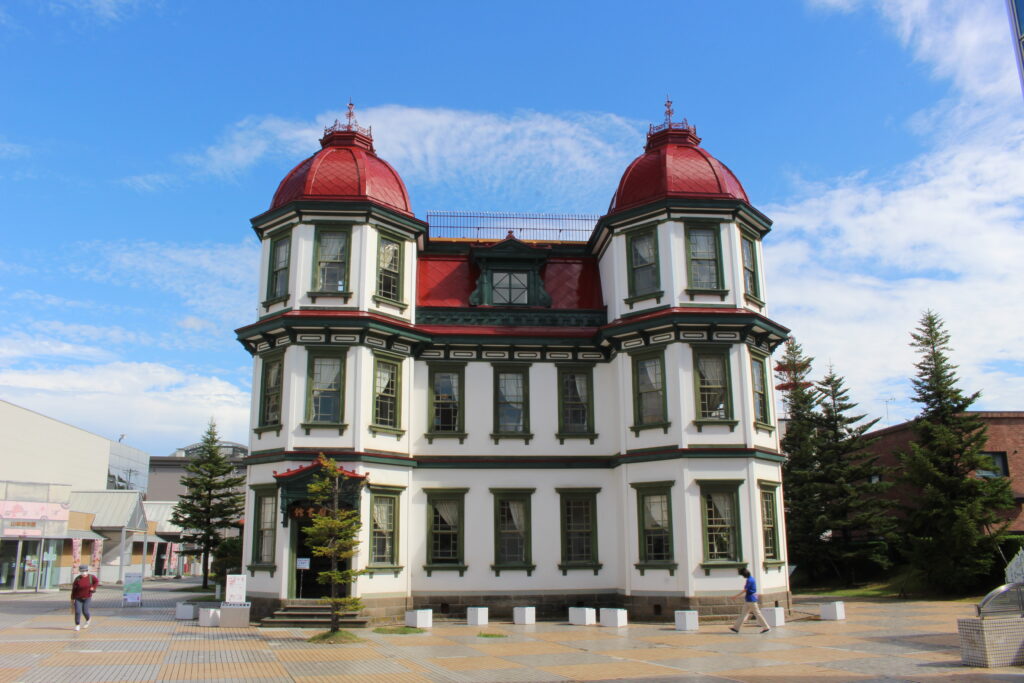
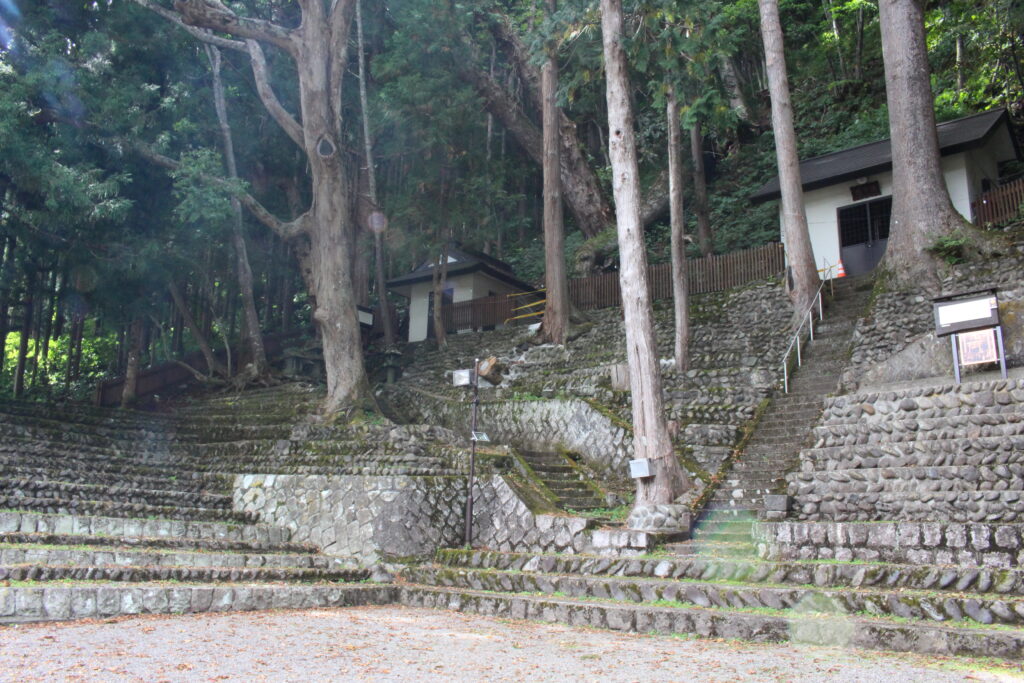
I went to Gunma Prefecture to see world heritage sites. (The photo at the top is not of a world heritage site.)
To Yahei Tajima's former residence and Takayama Shrine ruins.
I've been to Tomioka Silk Mill before, so the only place left to go is Arafune Wind Cave, but it's quite far away.
However, I would like to go to Arafune Wind Cave someday.
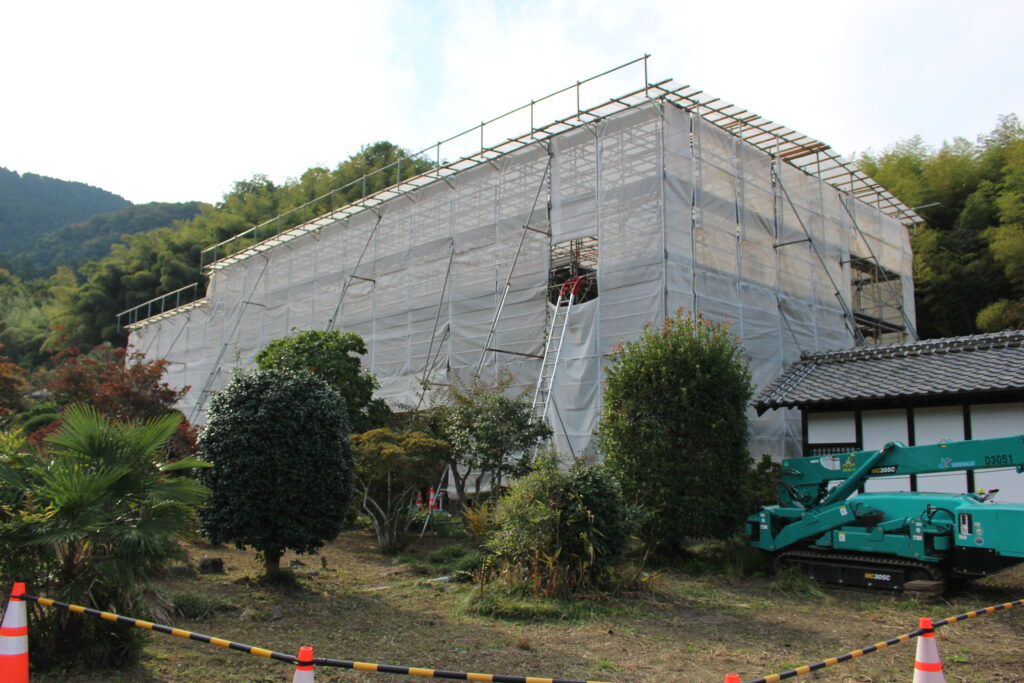
Takayama Shrine is also currently undergoing demolition and restoration work, so I wasn't able to experience its full appearance, so I'll have to revisit it after construction is complete.
Construction at Takayamasha has fallen behind schedule and is expected to take several more years.
The method of restoration is still under consideration.
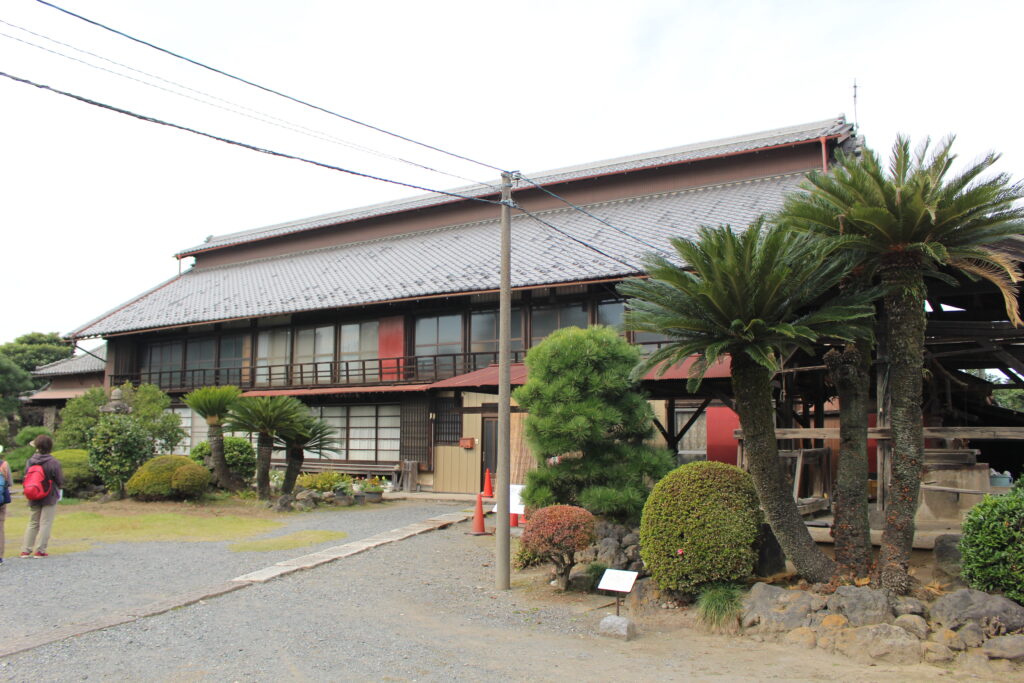
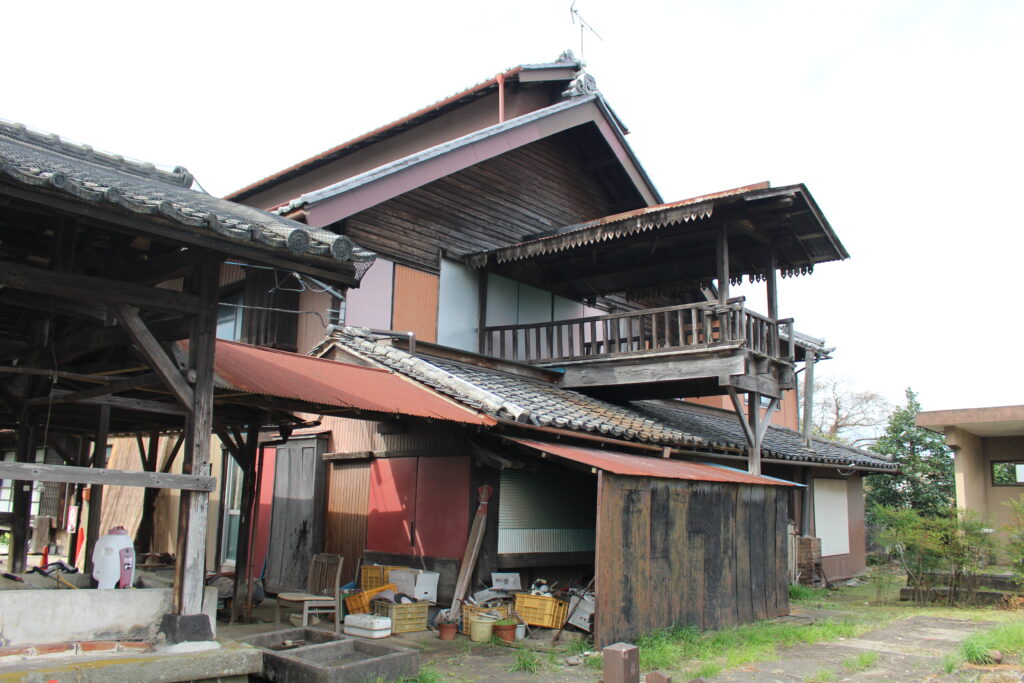
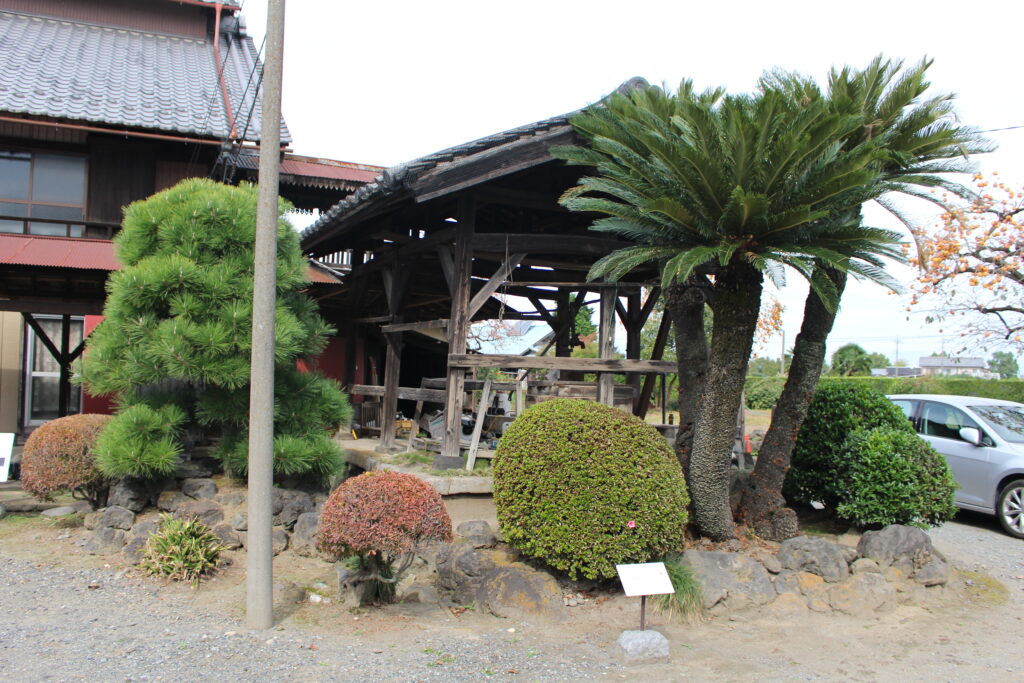
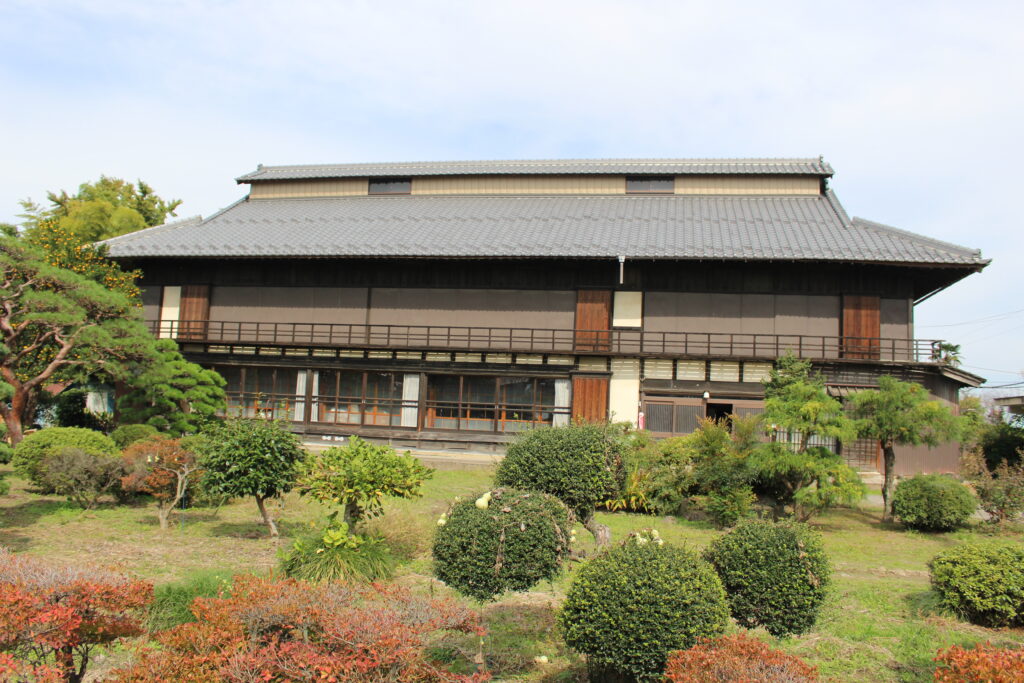
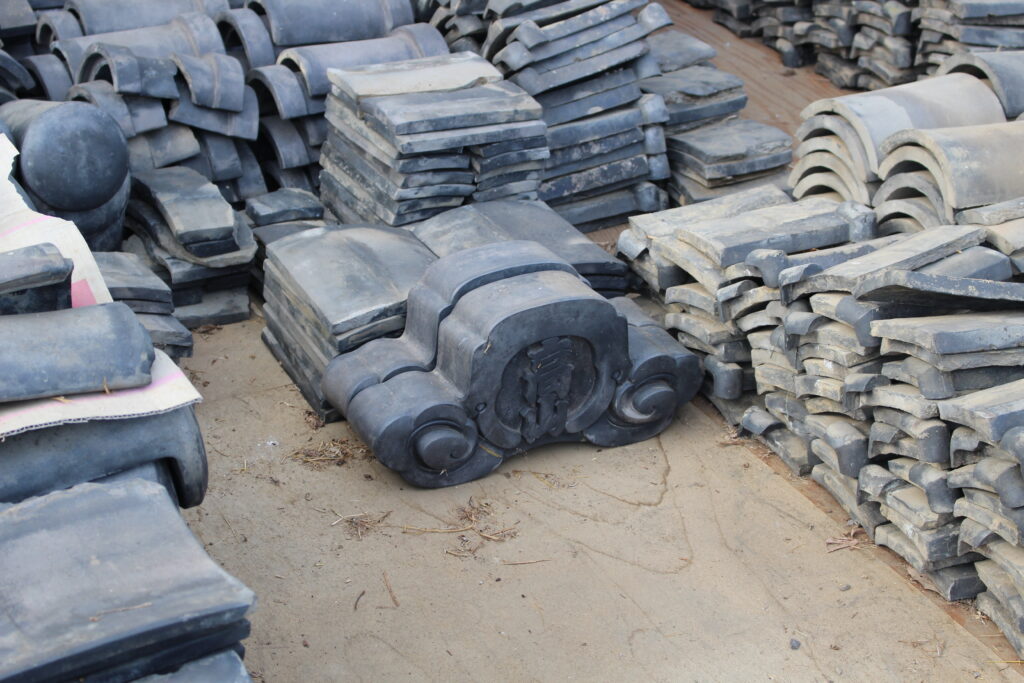
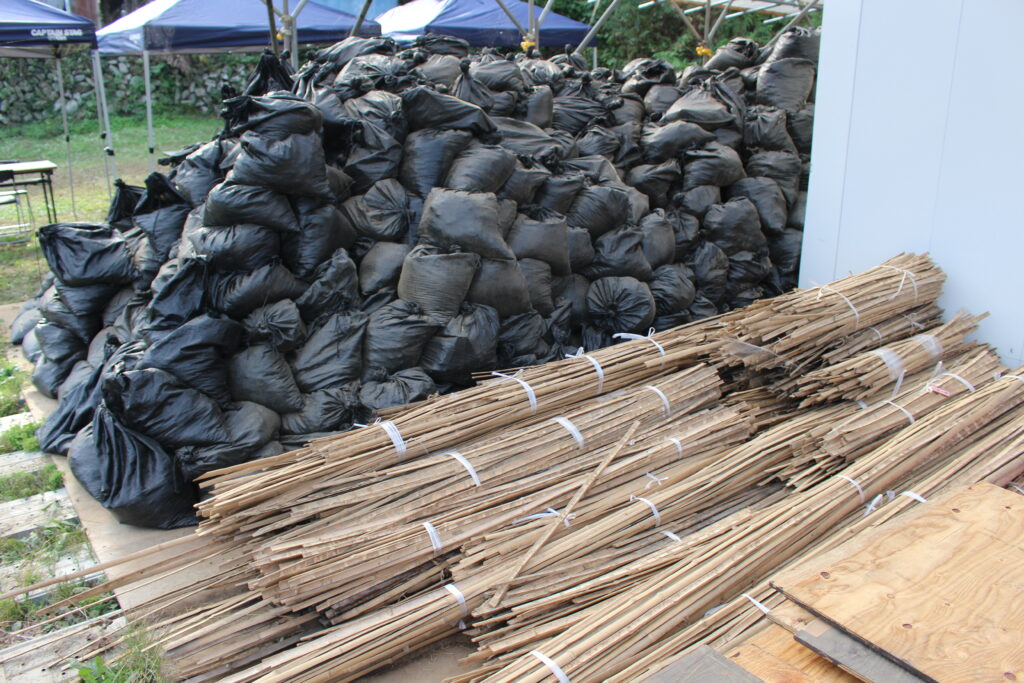
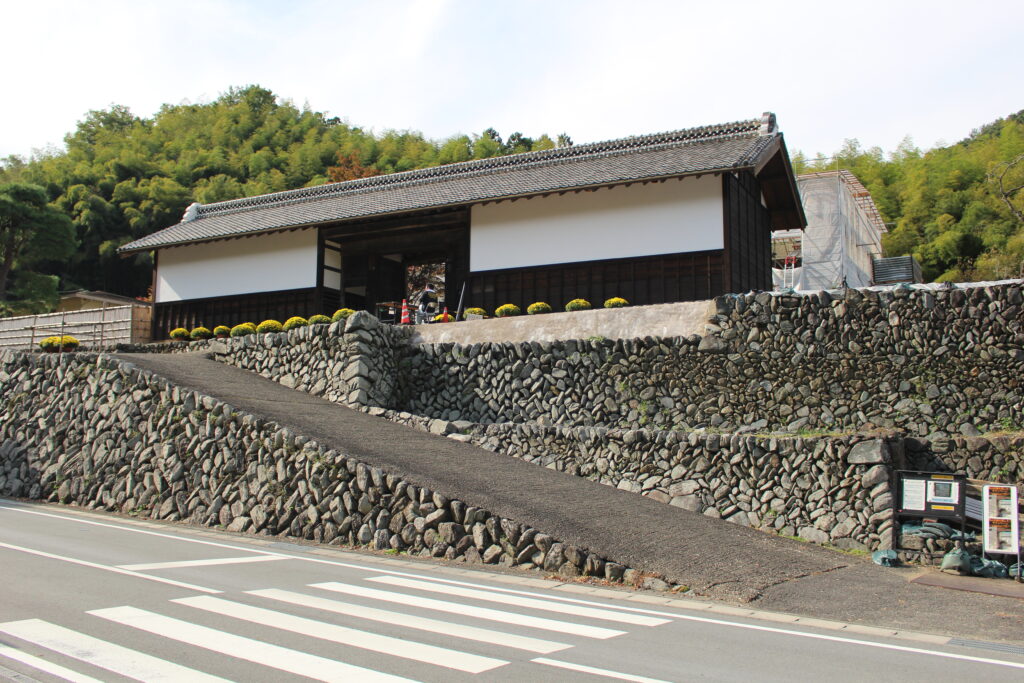
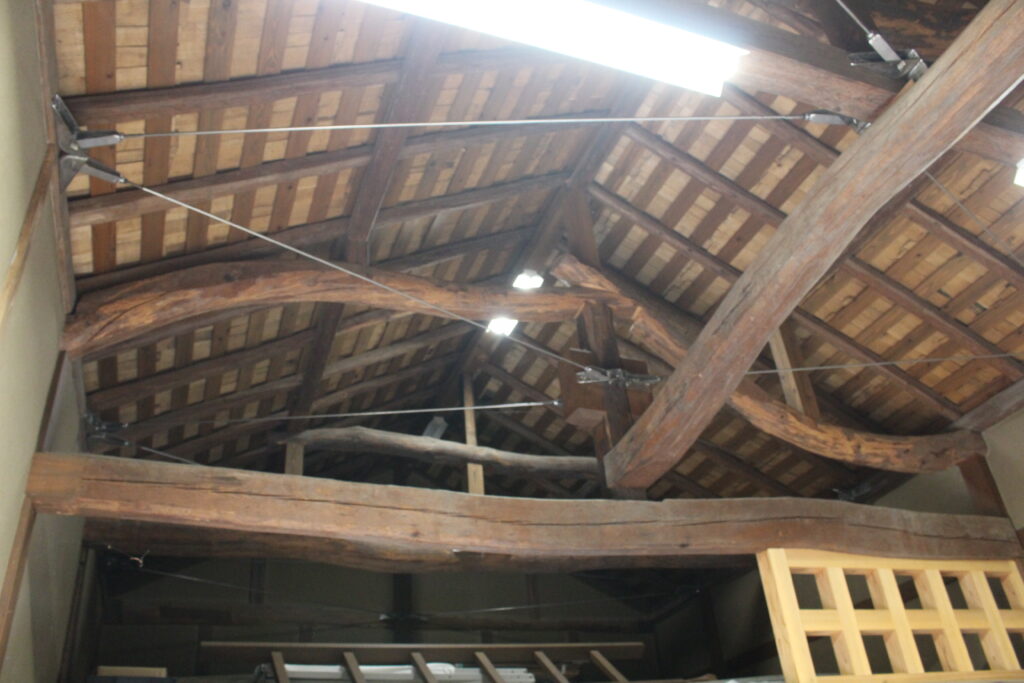
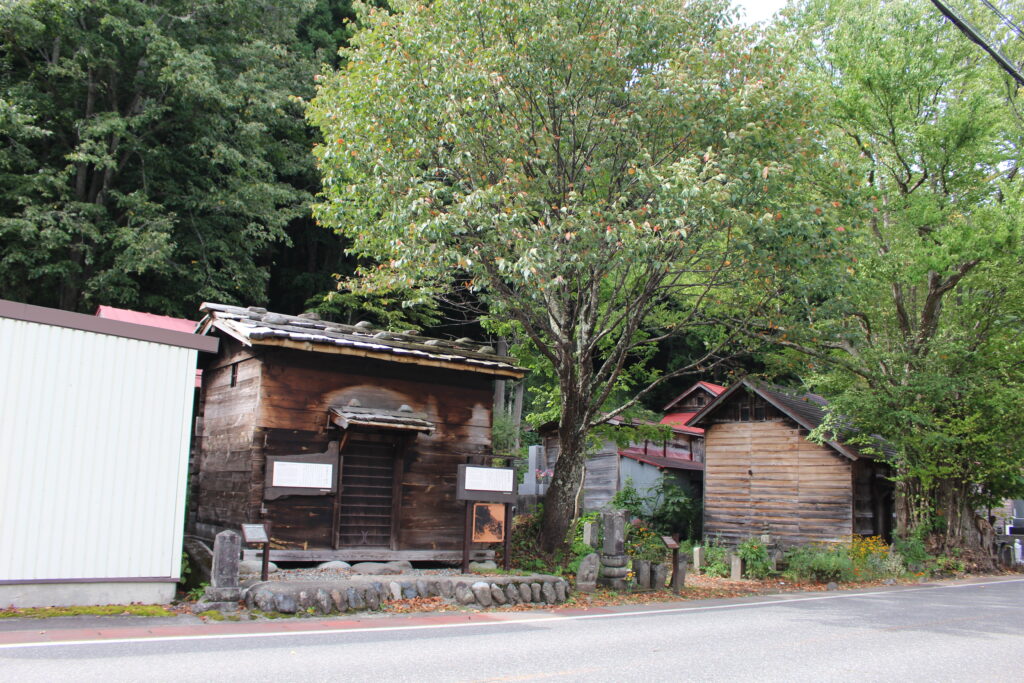
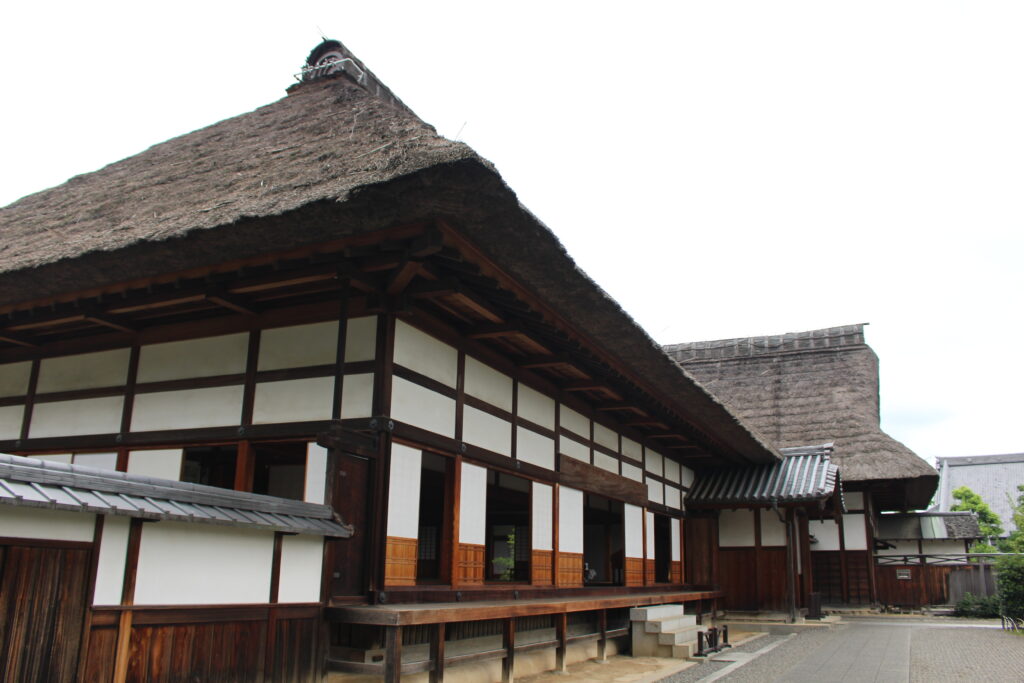
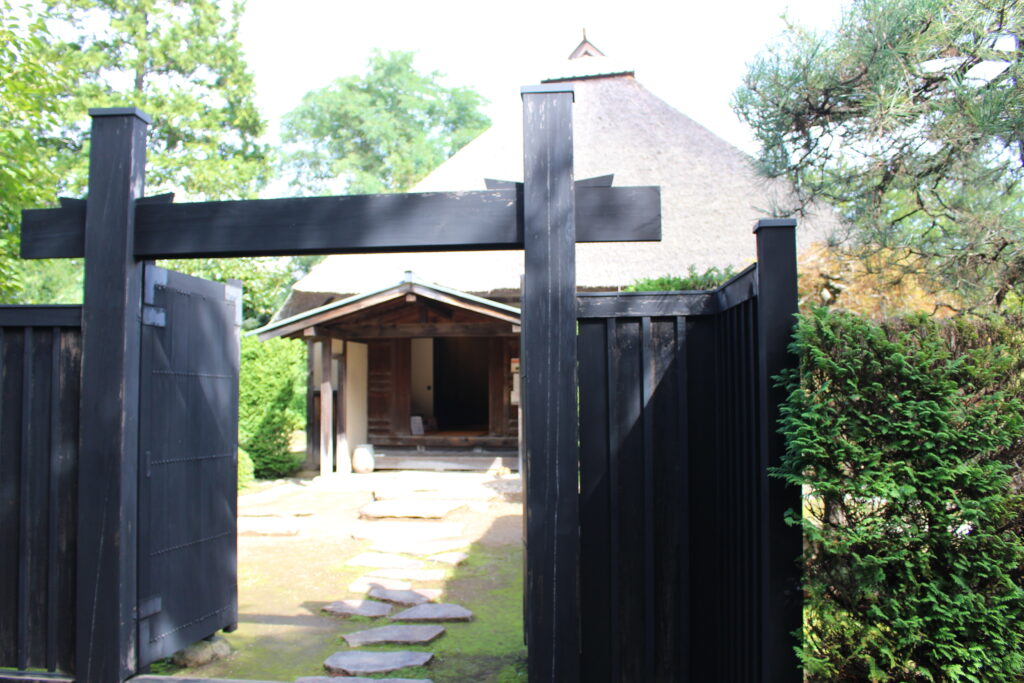
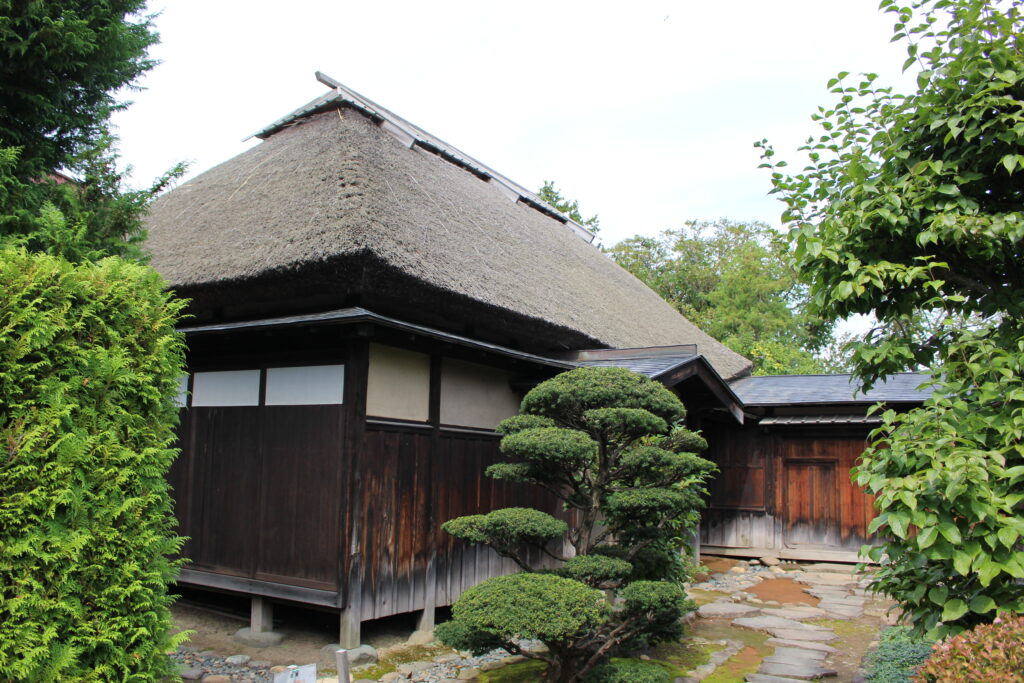
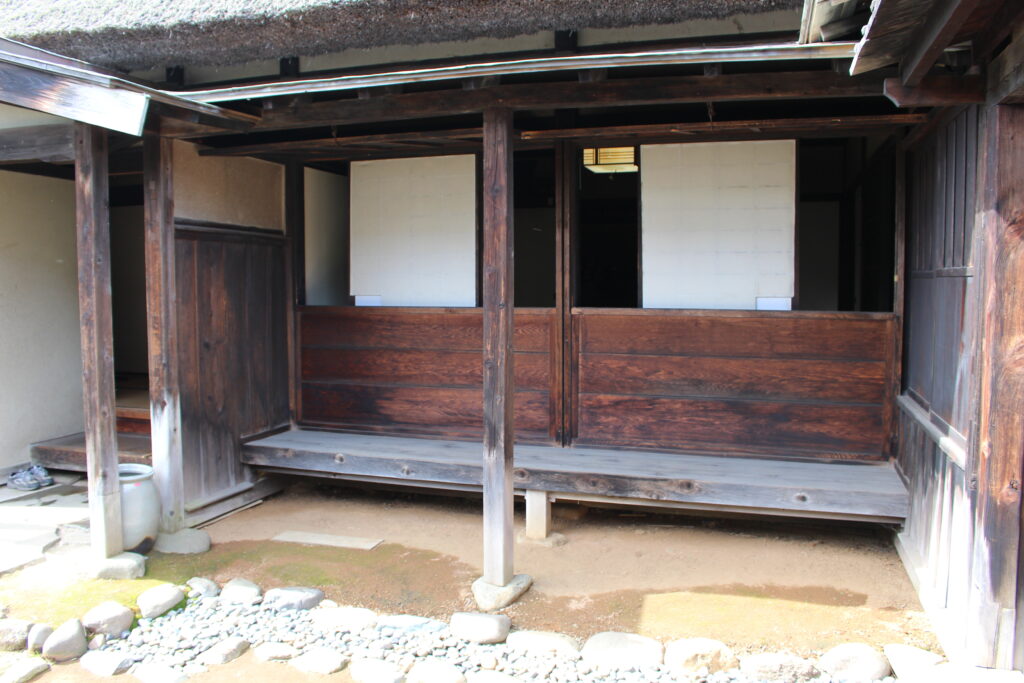
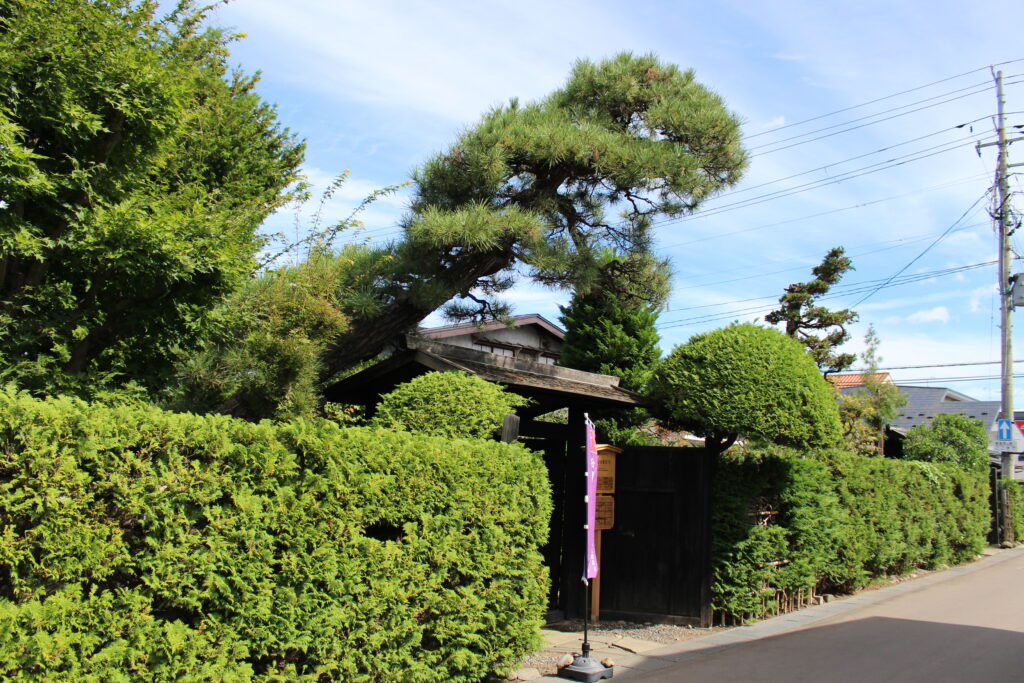
Yahei Tajima's former residence.It is still used as a residence and the interior is not open to tours.What on earth is this...?There used to be a building next door, and this is said to be a connecting corridor.Can you see the Italian decorations?The well is raised a little higher to prevent water damage.It seems that the ground level of the original site was much lower overall.There are several fine sericulture farms surrounding Yahei Tajima's former residence.Takayamasha is under construction.We were able to take a look inside, but we were not allowed to take photos.It was a valuable experience to be able to witness the demolition work in progress.The roof tiles will be reused.It is said that they are currently considering the era in which the entire roof will be, and it is undecided whether it will be roofed with boards or tiles.The materials for the earthen walls have also been carefully preserved.Inside the bag is clay wall soil.Nagayamon.There's no opening.The huts of Nagayamon.
It's already mid-October before I've been able to update anything.
A digest of photos from various places I visited in September.
It's not even chronological.Excuse me.
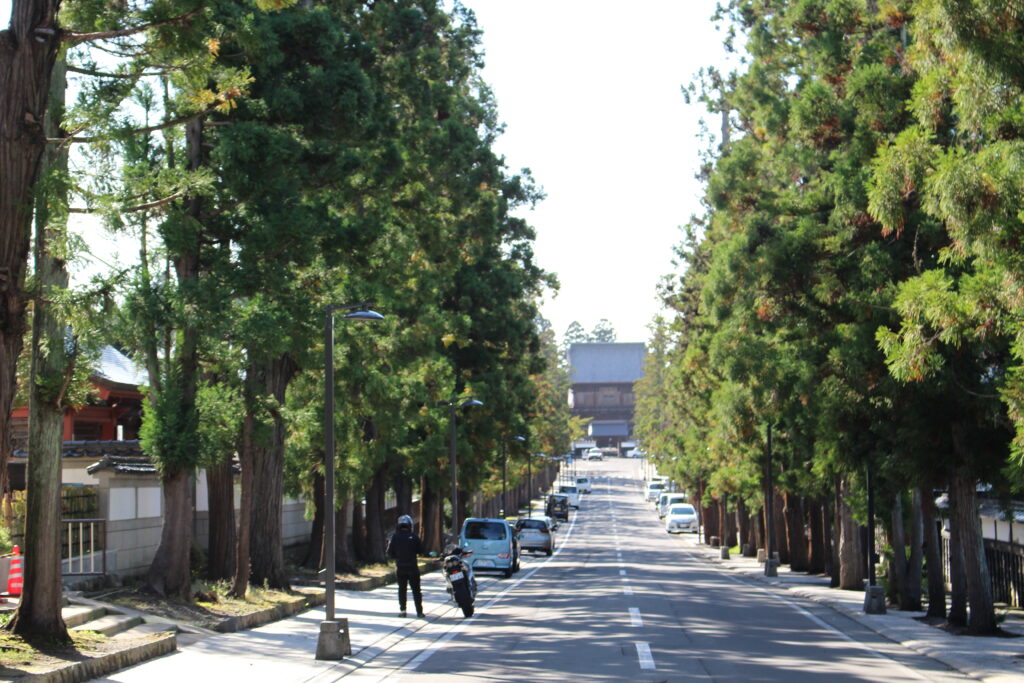
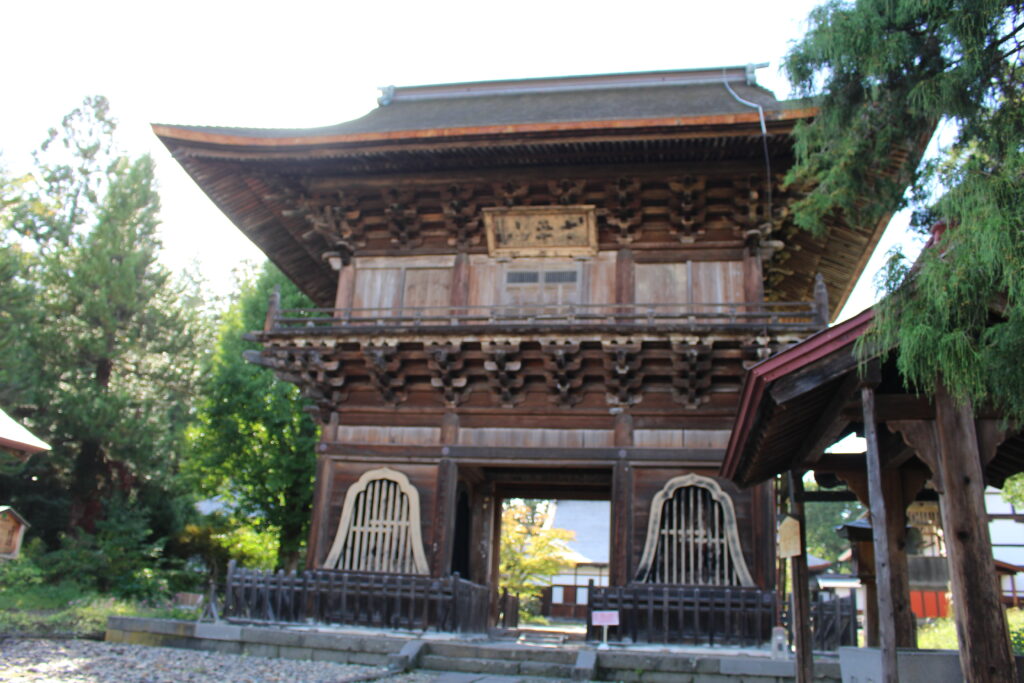
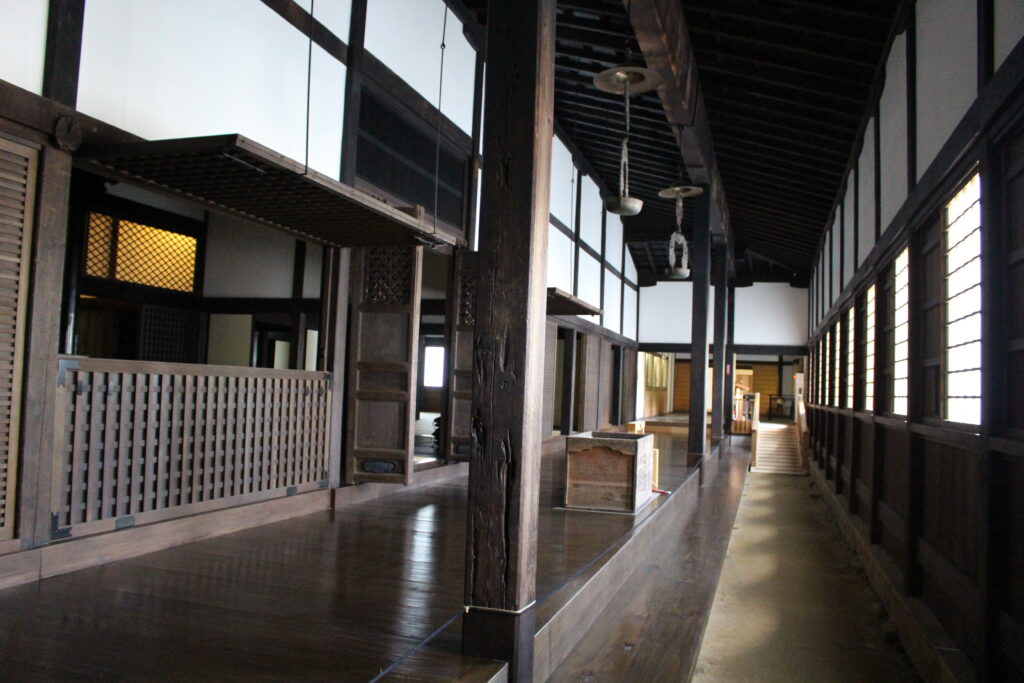
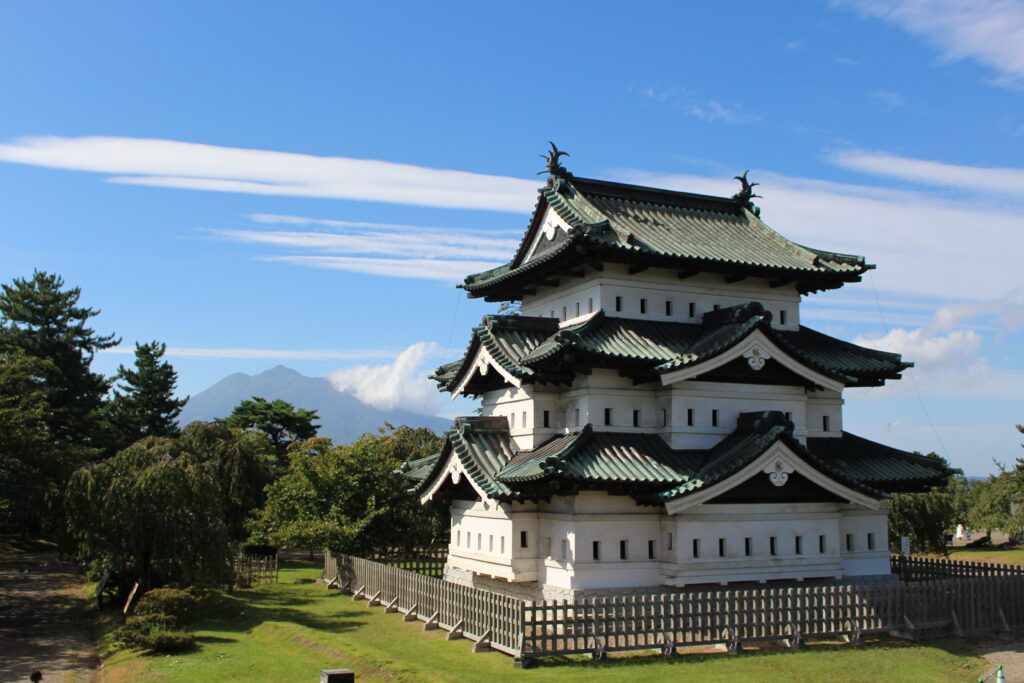
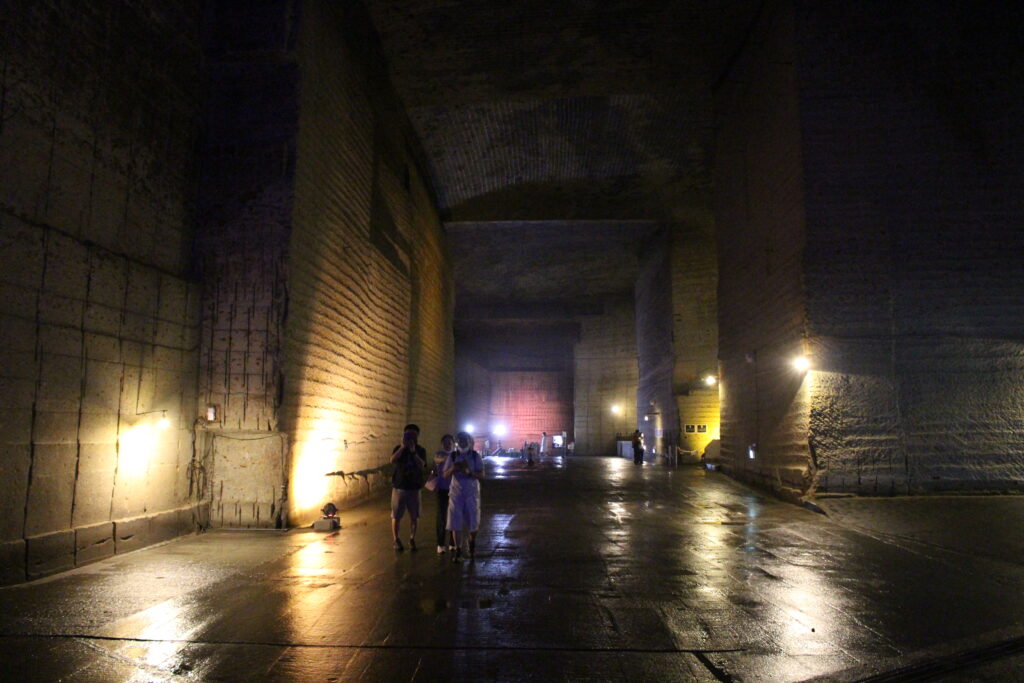
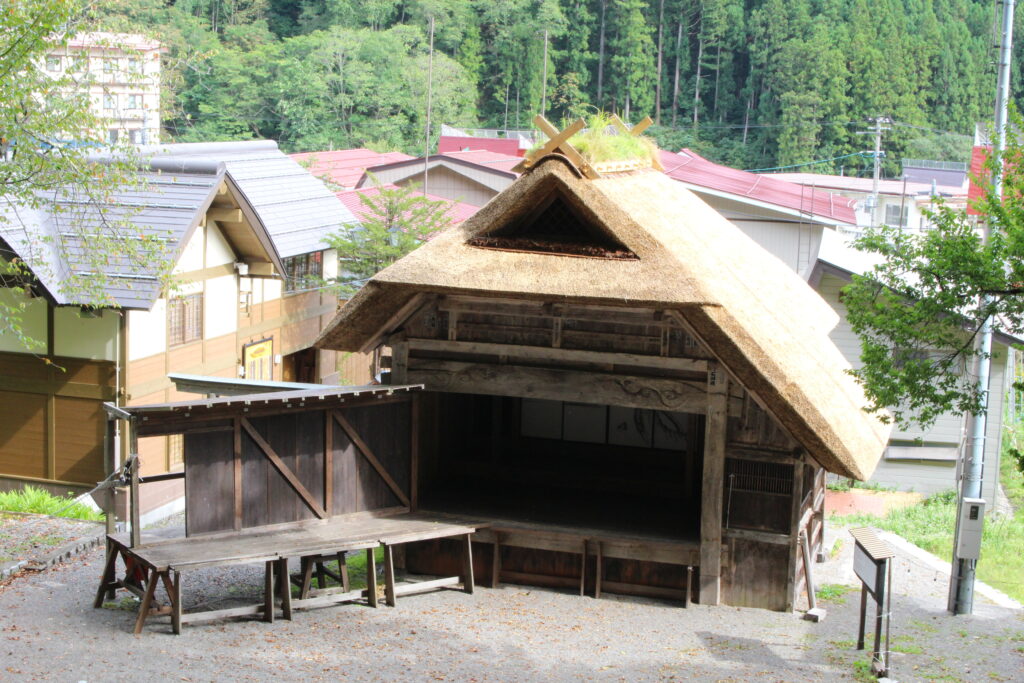
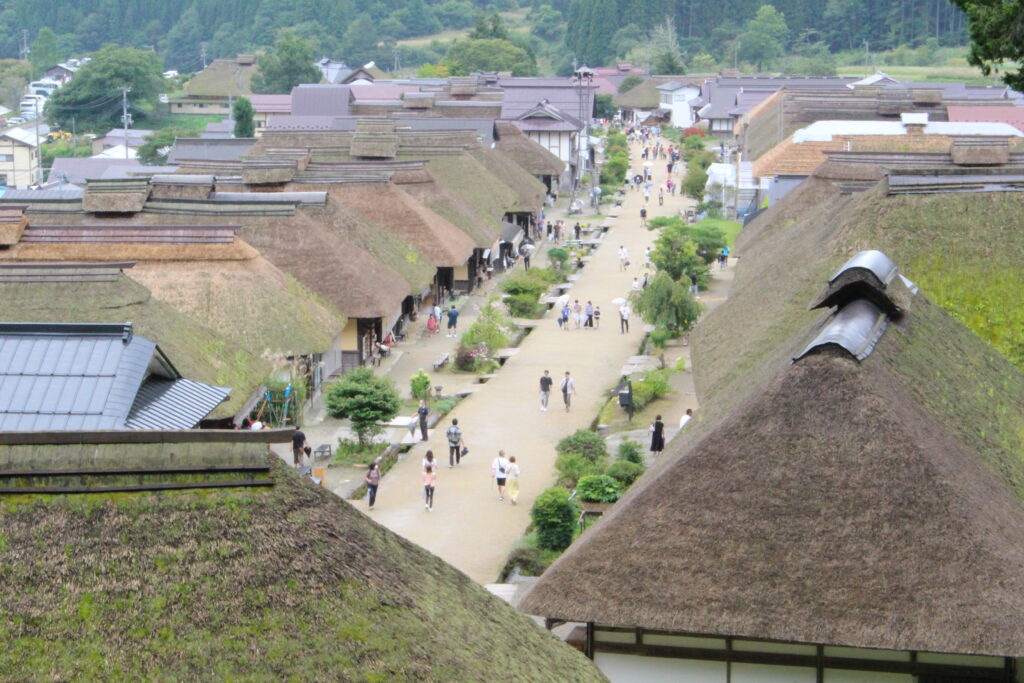
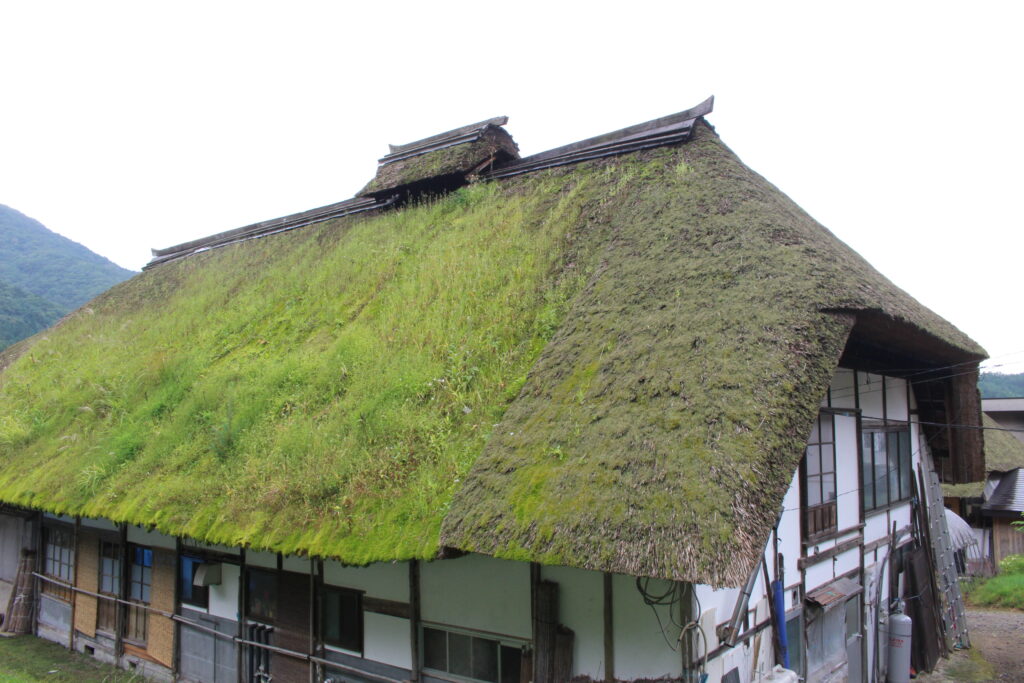
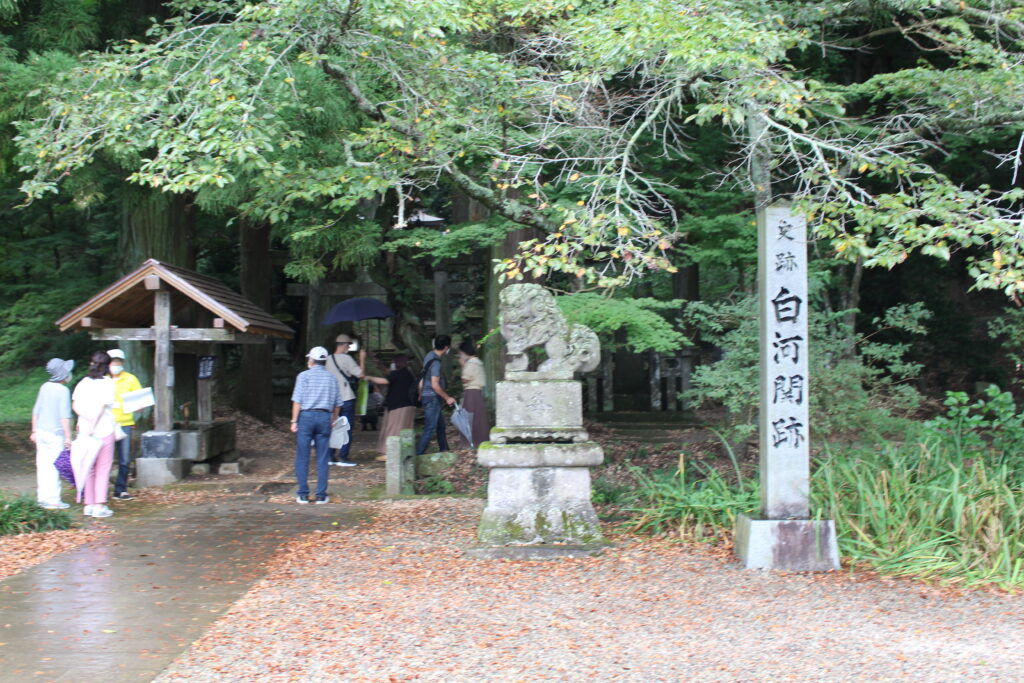
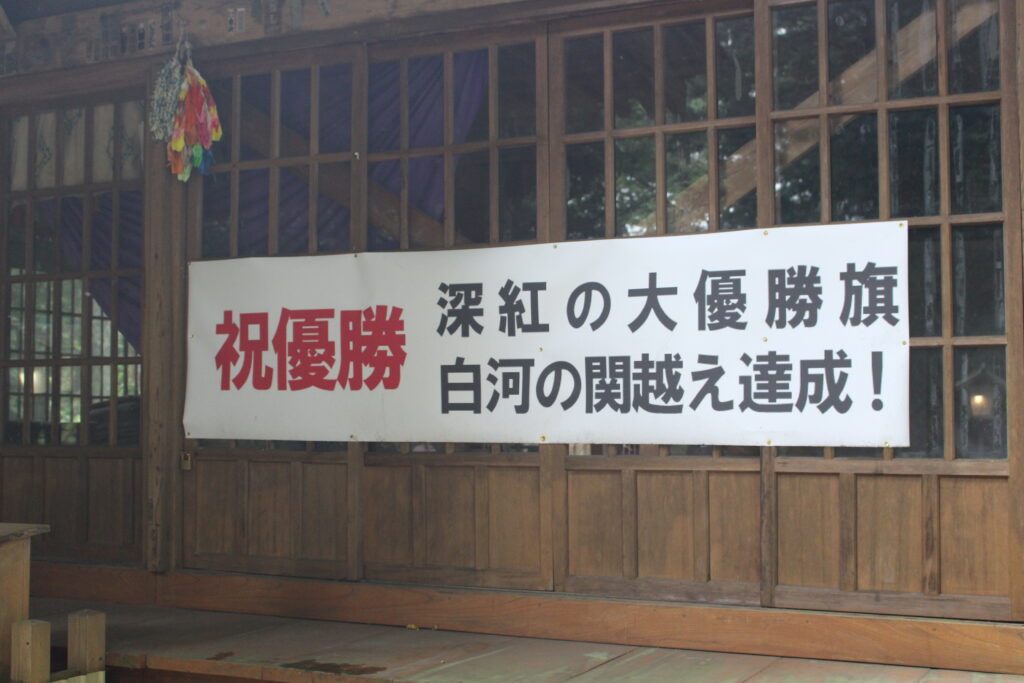
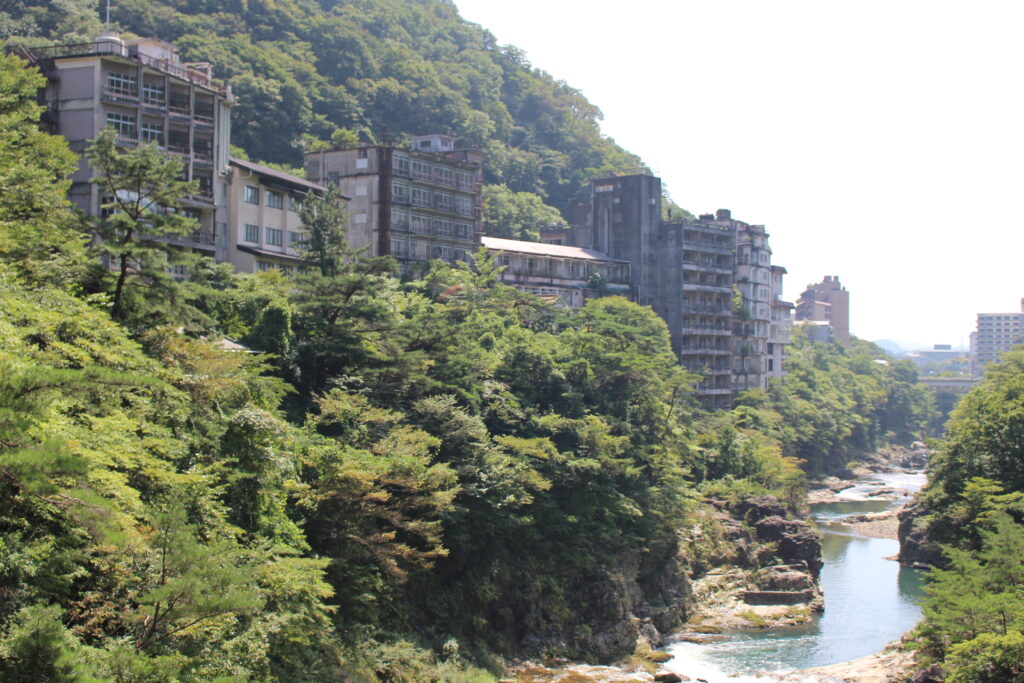
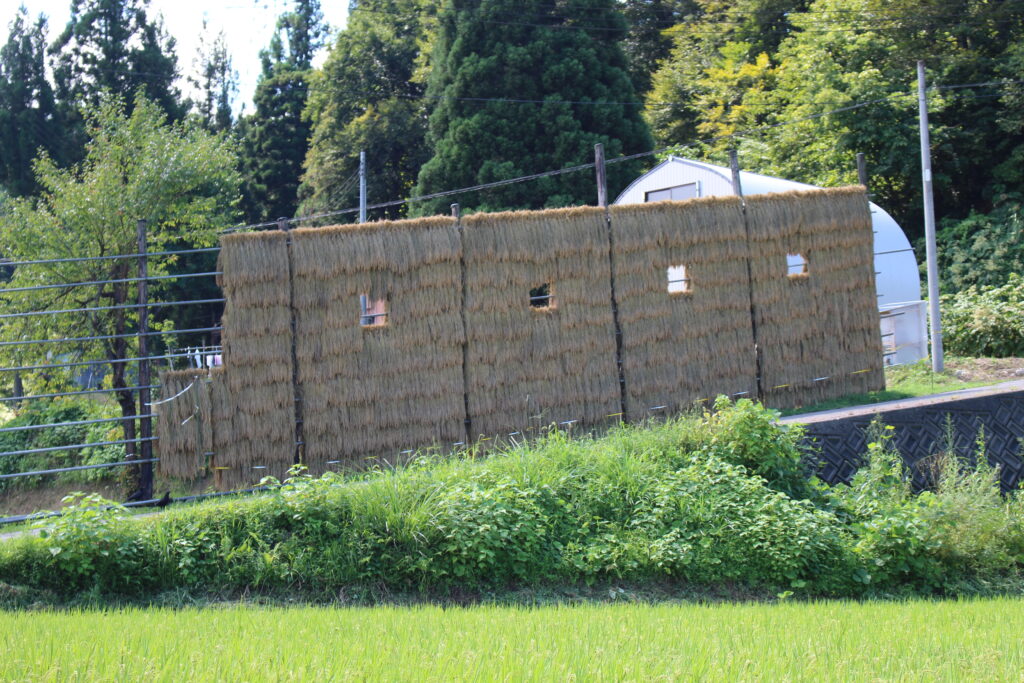
Zenrin-gai, Hirosaki City.Temples are lined up on both sides of the cedar trees, with Choshoji Temple in front.Choshoji Temple Sanmon.It is an important cultural property of the country.The door of Choshoji Temple.Hirosaki Castle tower and Mt. Iwaki.Former Hirosaki City Library.Otani Museum.You can see that many Oya stones were dug up.It is no wonder that so many stone storehouses made of Oya stone still exist.Itakura and Gunkura with Ikago-zukuri in Hinoedagi Village, Fukushima Prefecture.A rural stage in the Shiba building of Hinoedagi village.The stone wall seating is also cool.Ouchi-juku.I saw some grass growing on the thatched roofs, which made me a little worried.Shirakawa Seki ruins.It is different from the so-called checkpoints of the Edo period.This is one of my favorite memories from this summer.Ruins of Kinugawa Onsen.Ashikaga school.A hook that looks like a work of art.
The report for September is not making much progress.
Now, after Kuroishi City, we will head to Hirosaki City.
I went to Nakamachi, an Important Preservation District for Groups of Traditional Buildings.
In addition to the samurai residences, the various gates dotting the townscape with Japanese Spanish mackerel hedges and black walls were impressive.
I once again realized the magnitude of the impact that the maintenance of outer ditches has on the townscape.
Four samurai residences are open to the public for free, and we were able to take a closer look at them under the guidance of a volunteer guide.
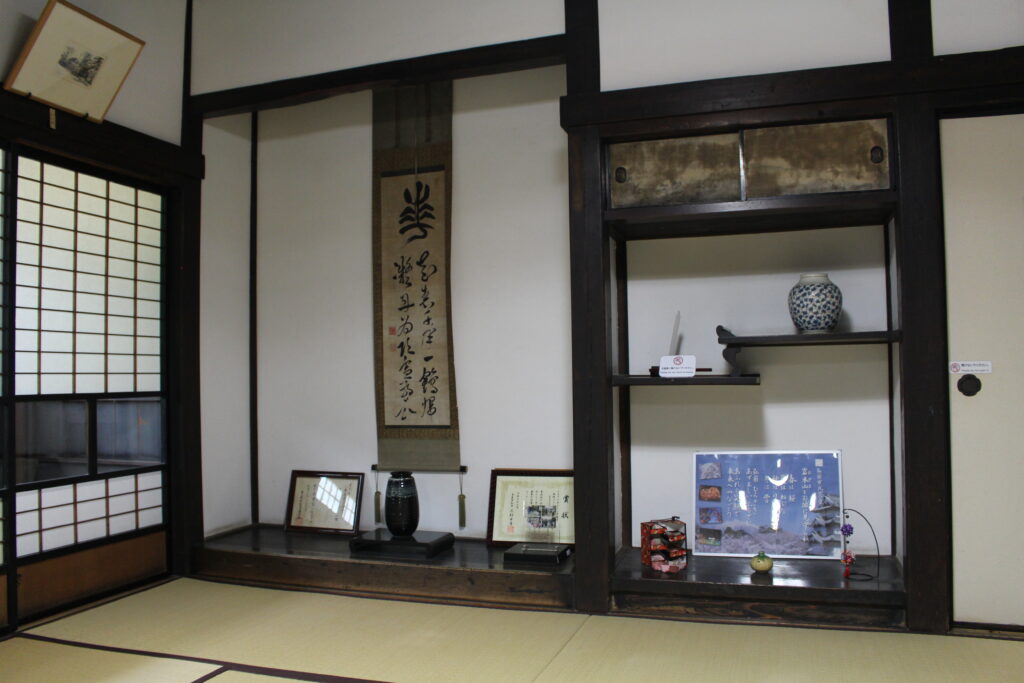
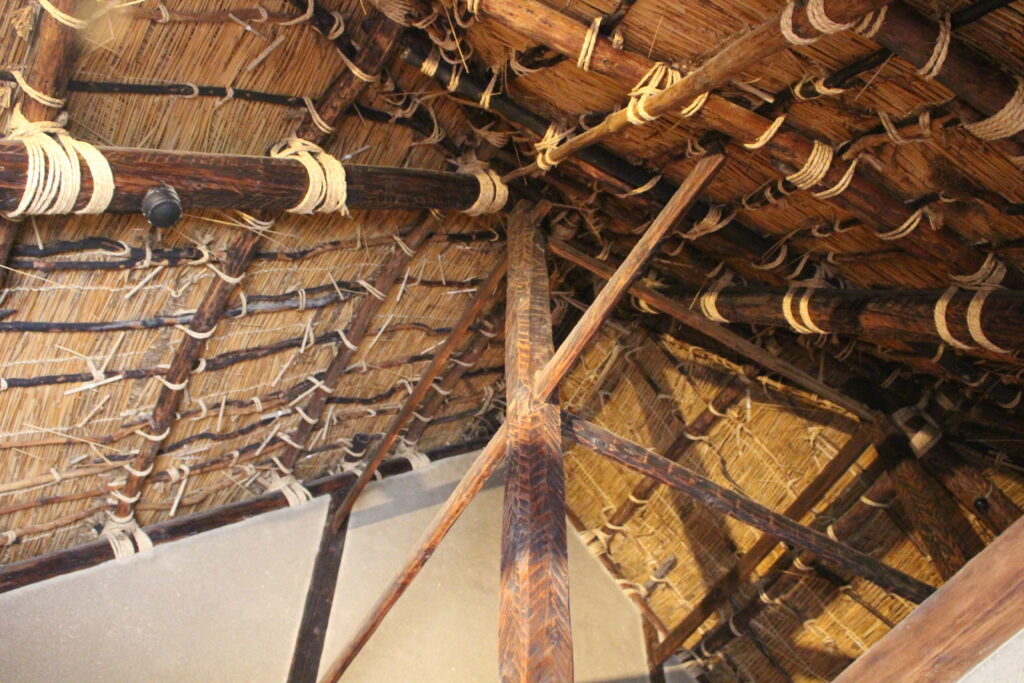
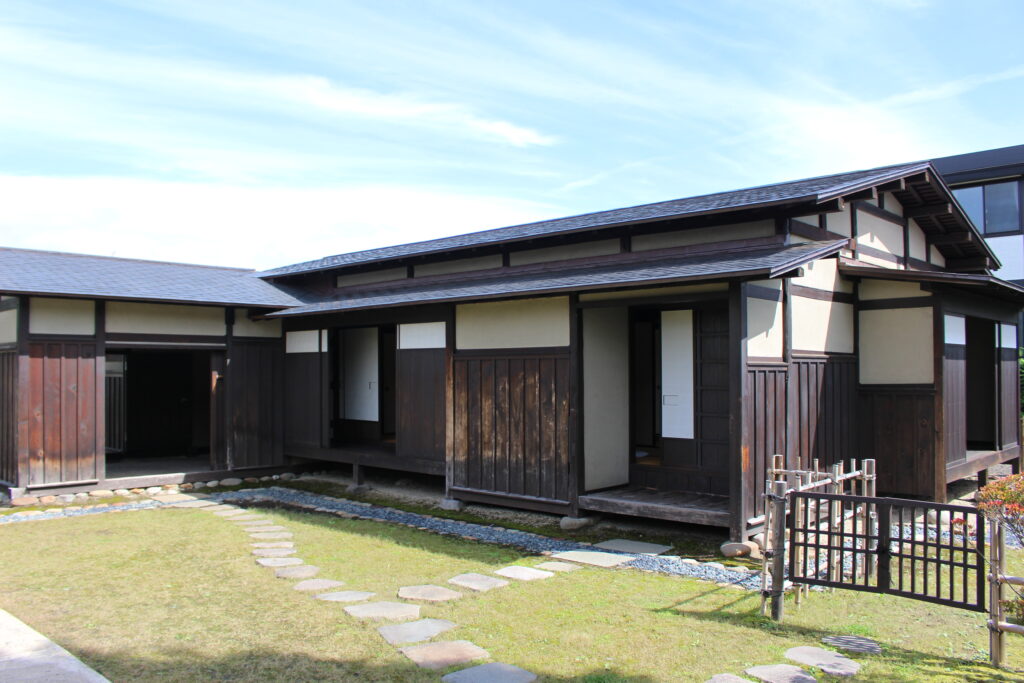
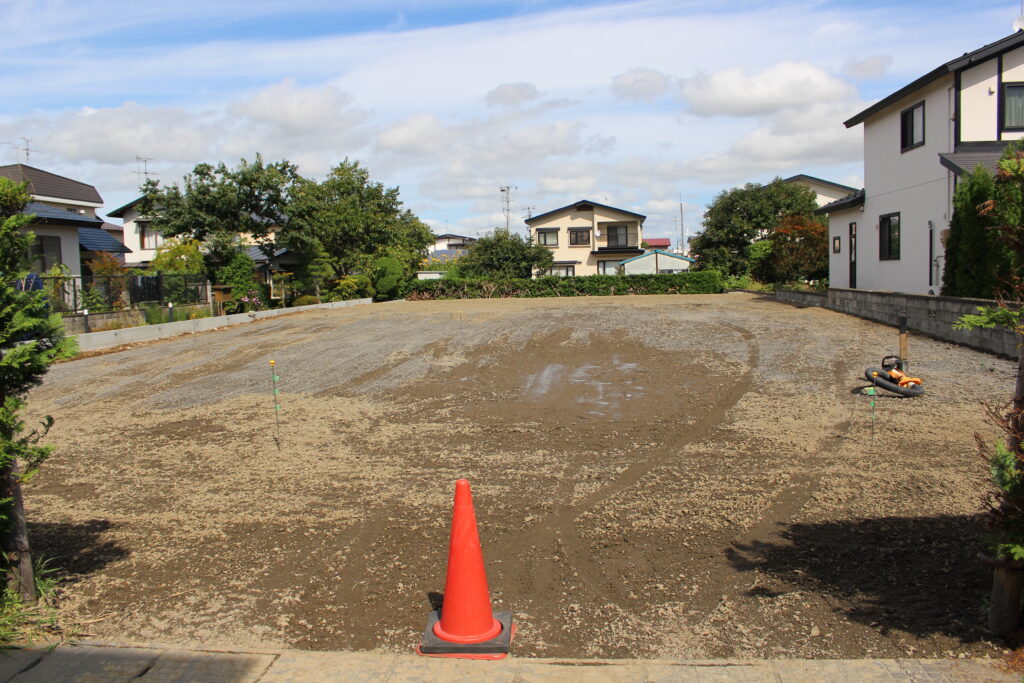
The alcove of the former Ito family residence. Comparing the four buildings, you can see that the former Ito family's tokonoma is the most magnificently constructed.Former Umeda family residence.The gate looks cool too.The attic of the former Umeda family residence.You can clearly see the marks of the hatchet.Former Sasamori family residence.Former Iwata family residence.Also the former Iwata family residence.For a moment, “Mise-zukuri”?I thought so, but I was wrong.The spruce that sticks out from the Spanish mackerel hedge looks good.In order to maintain the site allocation at that time, it seems that even if the land becomes vacant, it cannot be divided and sold.Unless you ask a volunteer guide to tell you this kind of information, you won't know it just by looking at it.
I went to Kuroishi City, Aomori Prefecture to see "Komise".
This was my first time properly visiting Aomori Prefecture, and I can now confidently say that I have conquered all 47 prefectures!
Actually, I'm personally very happy.
The time I spent in Aomori so far was during my master's degree program at a graduate school, after participating in the Architectural Institute of Japan conference held at Hokkaido University, I was on my way from Hakodate to Sendai on the Seishun 18 Kippu, and I got off at Aomori Station and went to a store in front of the station. The only experience I had was having lunch in town.
Now, it's "Komise".
Their main role is to keep out the snow, but given that Aomori is becoming hotter due to climate change, will their role of providing summer shade become more important in the future?
Komise on both sides of the road.This road is restricted to one-way traffic and provides ample pedestrian space.Even if the building is gone...The mural must have been recently installed for tourist use.There are also places where there are steps.A huge cedar ball.