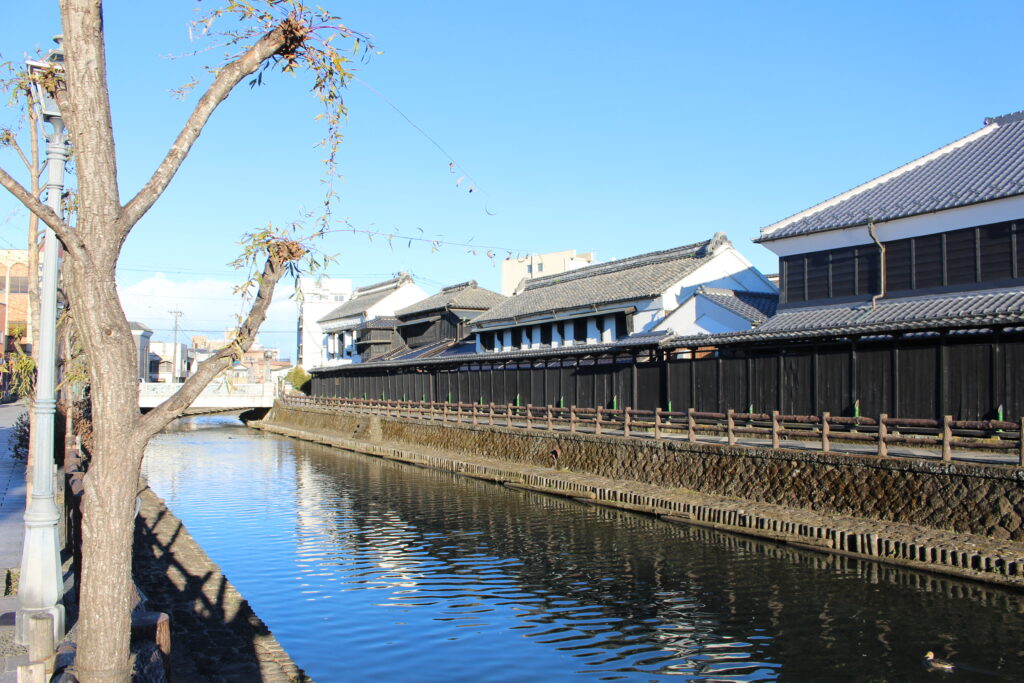
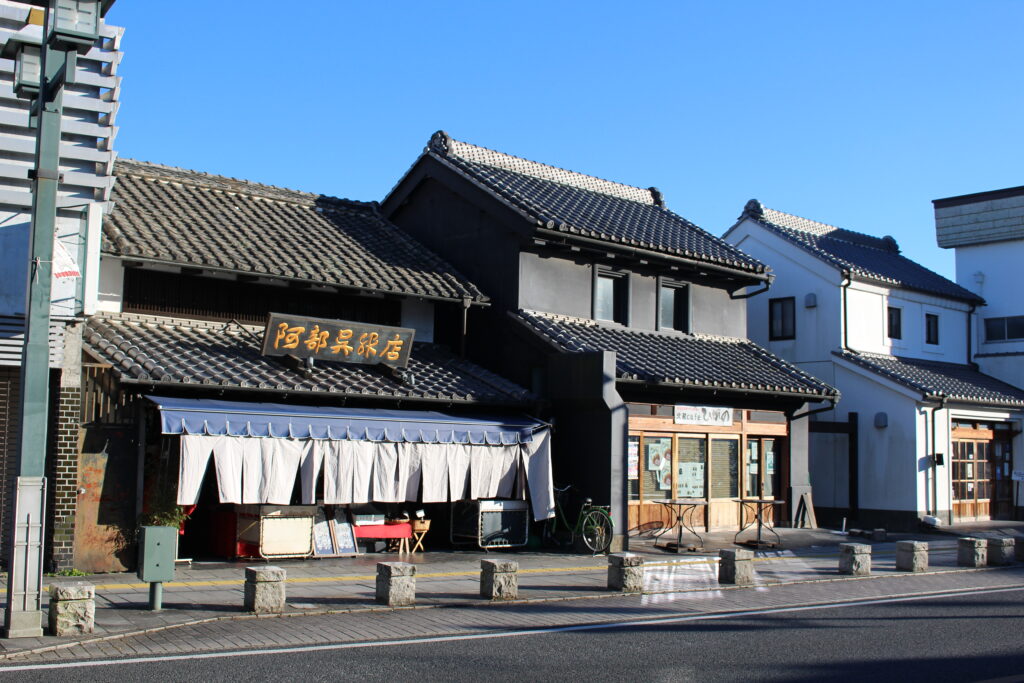
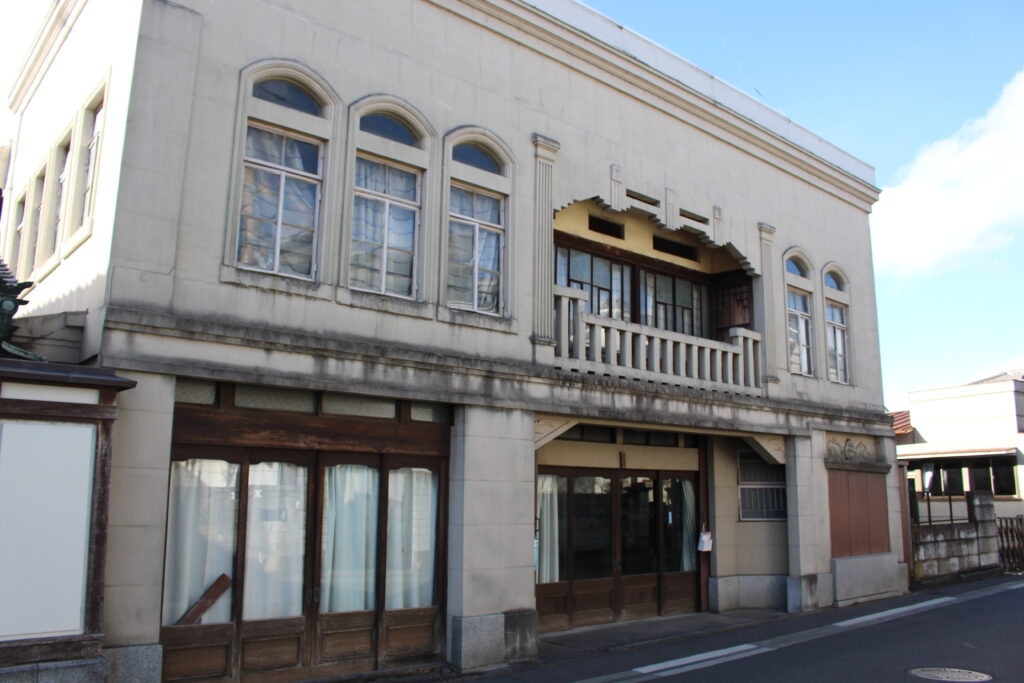
I went to the traditional townscape of Tochigi City.
From the University of Tsukuba to Tochigi City, it seems like it's close, but it's quite a distance, but I feel like I should have come earlier.introspection.
University of Tsukuba, Faculty of Art, Hashimoto Laboratory
We conduct research on ``architectural and urban environmental design that is in harmony with the natural environment.''

I went to the traditional townscape of Tochigi City.
From the University of Tsukuba to Tochigi City, it seems like it's close, but it's quite a distance, but I feel like I should have come earlier.introspection.
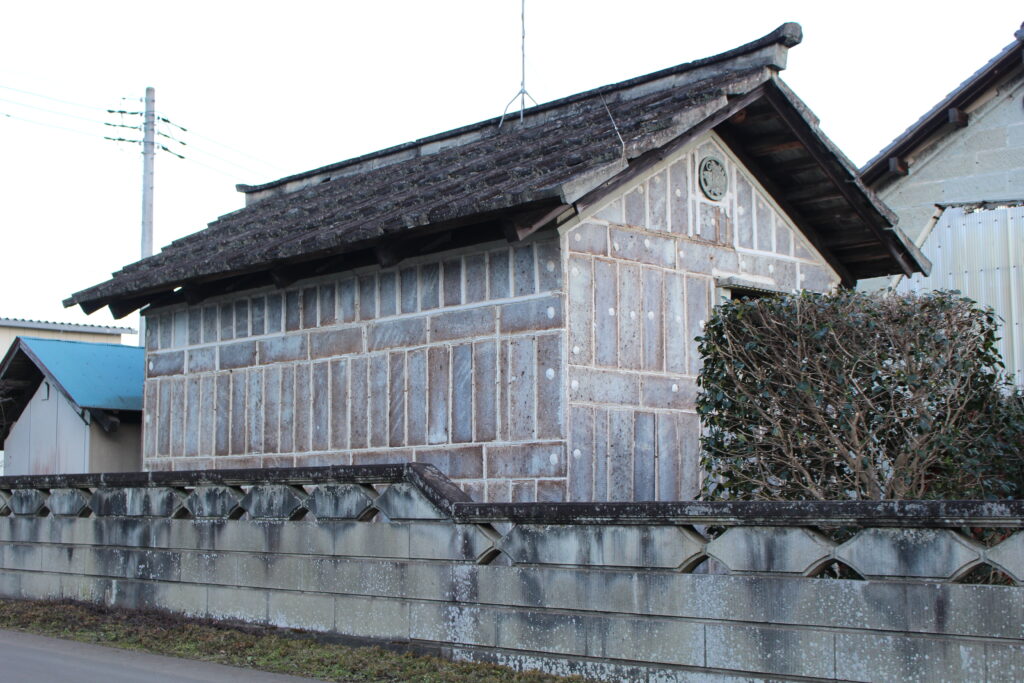
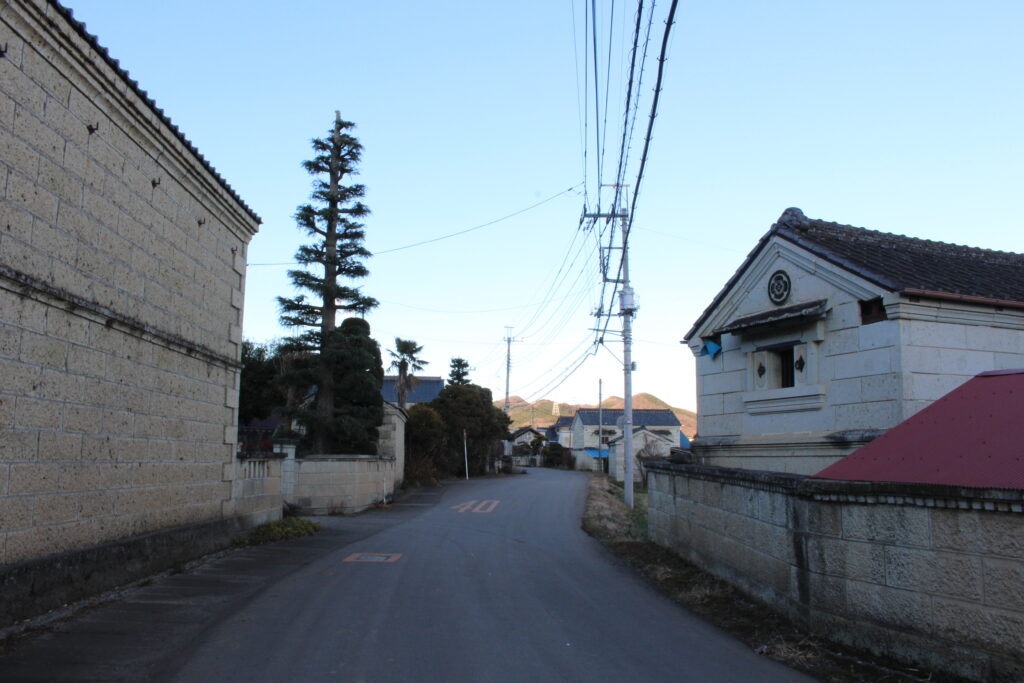
I went to the Nishine area of Tokujiro-cho, Utsunomiya City.
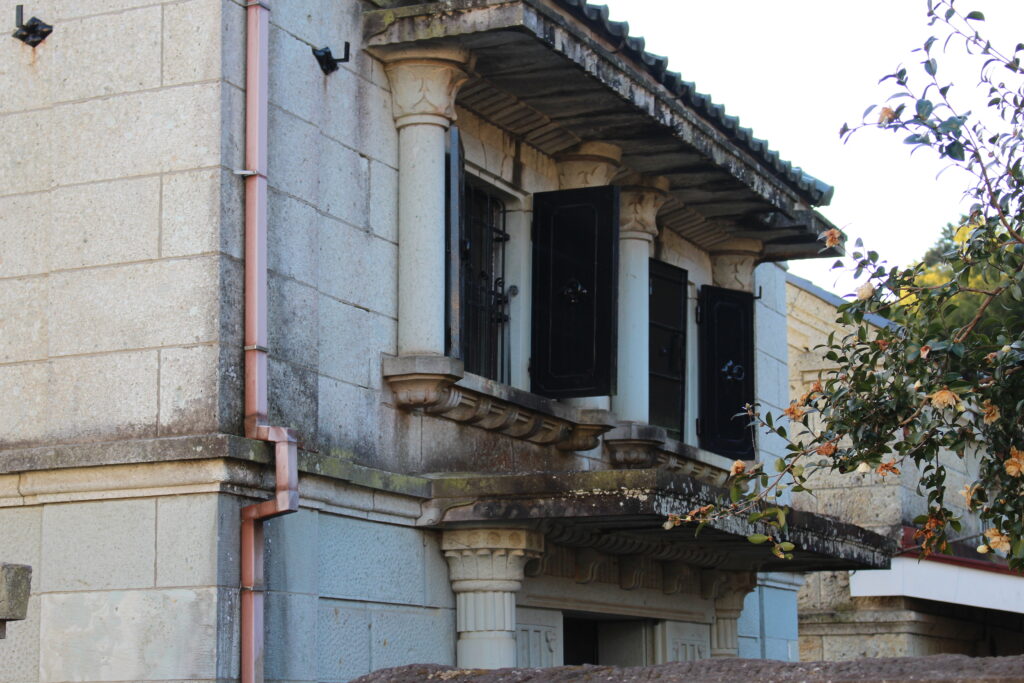
Stone storehouses made of Oya stone can be seen everywhere in Utsunomiya, and there are so many stone storehouses lined up along the roads in this area that it is often called ``Ishikura Road''.
Oya stone has different names depending on the Areas of study where it is mined, and the stone from this area is called ``Tokujiro stone.''
Well, I never expected to experience the first snow of the season in Oita Prefecture.
It was cold every day due to the cold wave.
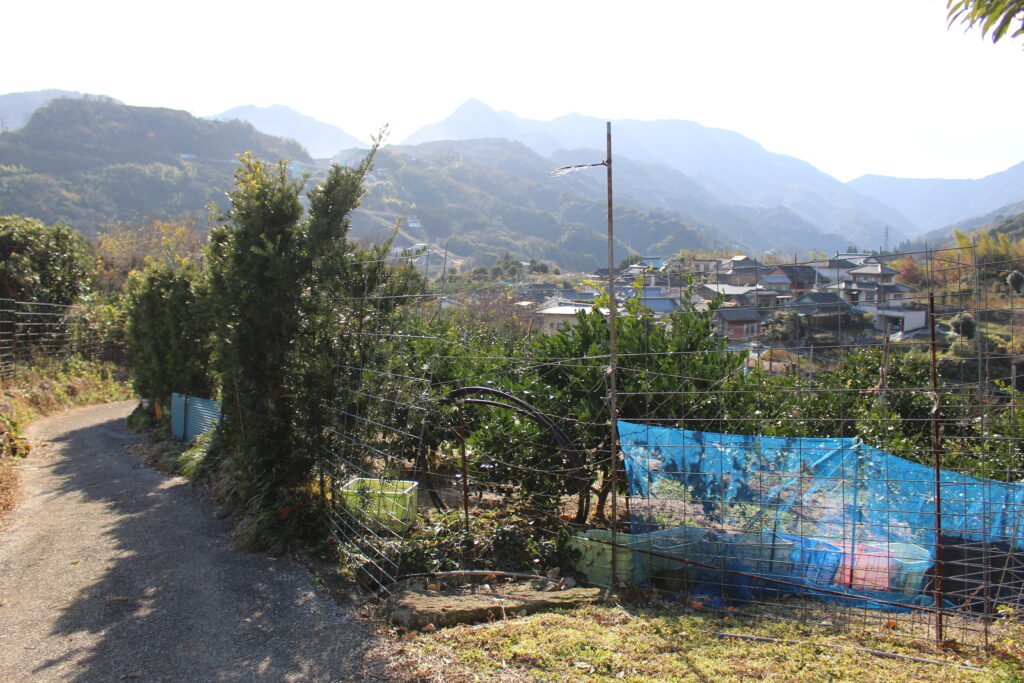
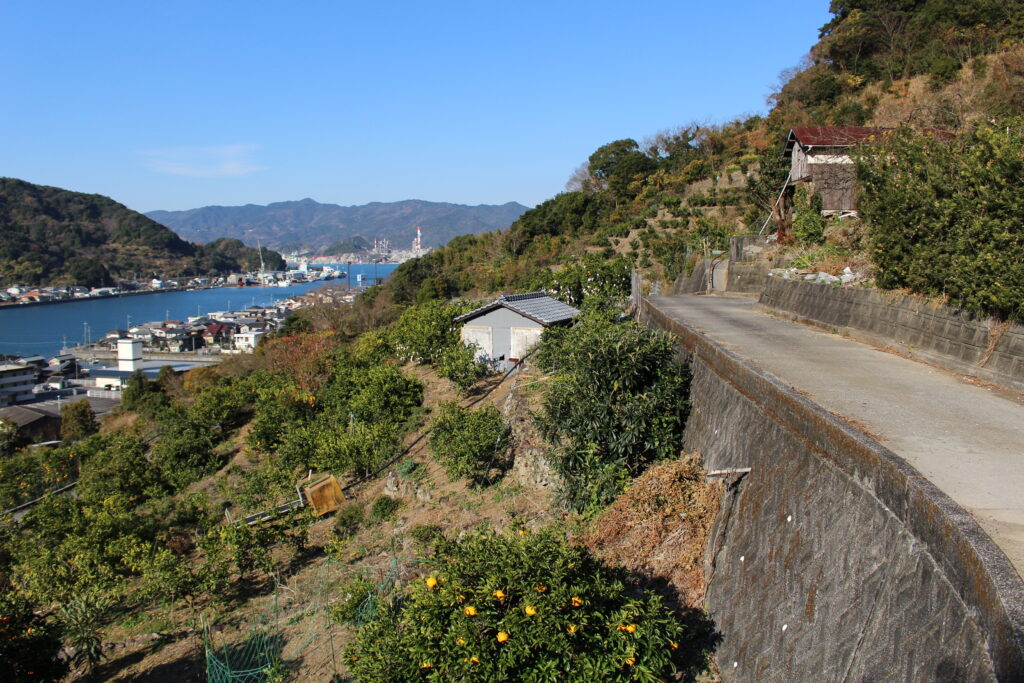
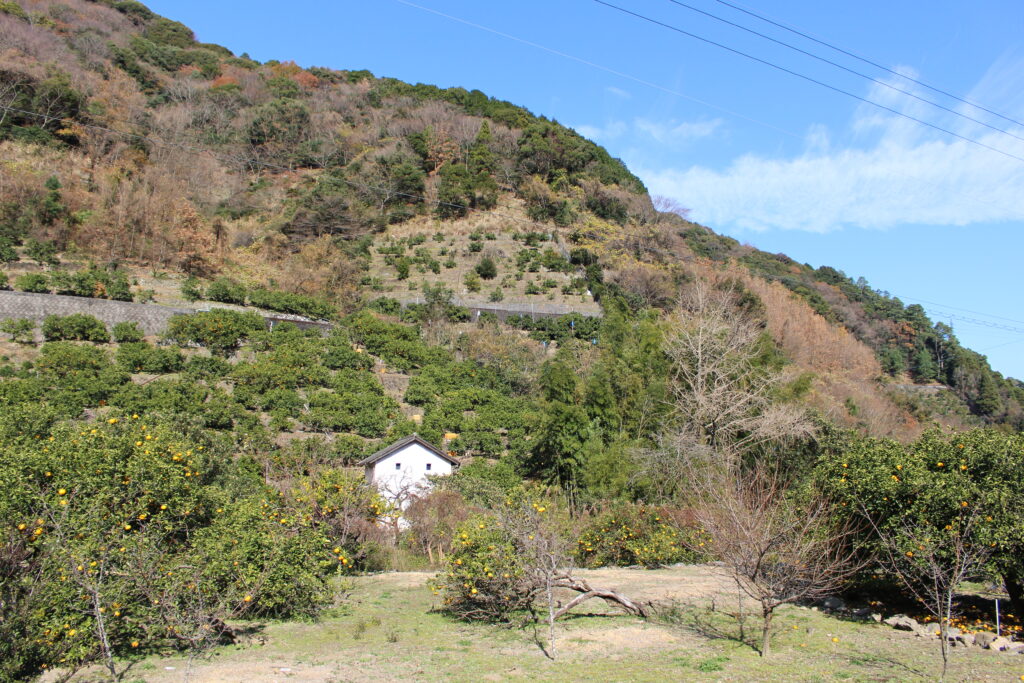
When you look at a mandarin orange field, it may be easier to see the situation in each field, such as areas that have already been harvested, areas with varieties that are about to be harvested, and some areas that are questionable as to whether they will be harvested. ···I felt that.
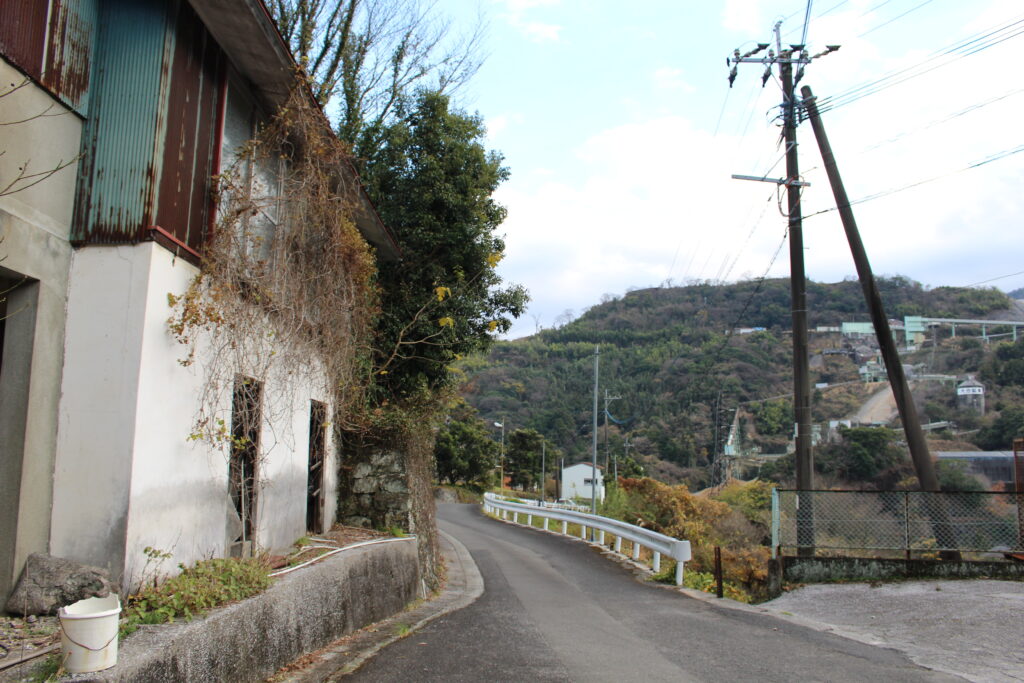
Also, although I tried to find the scenery of ``Tsukumi Orange Hut'' and ``Cement Town Tsukumi,'' I couldn't easily find the scenery points.
You won't understand unless you go to the place and see it, and you won't realize it unless you watch it with interest.``You should never forget your initial intentions.''
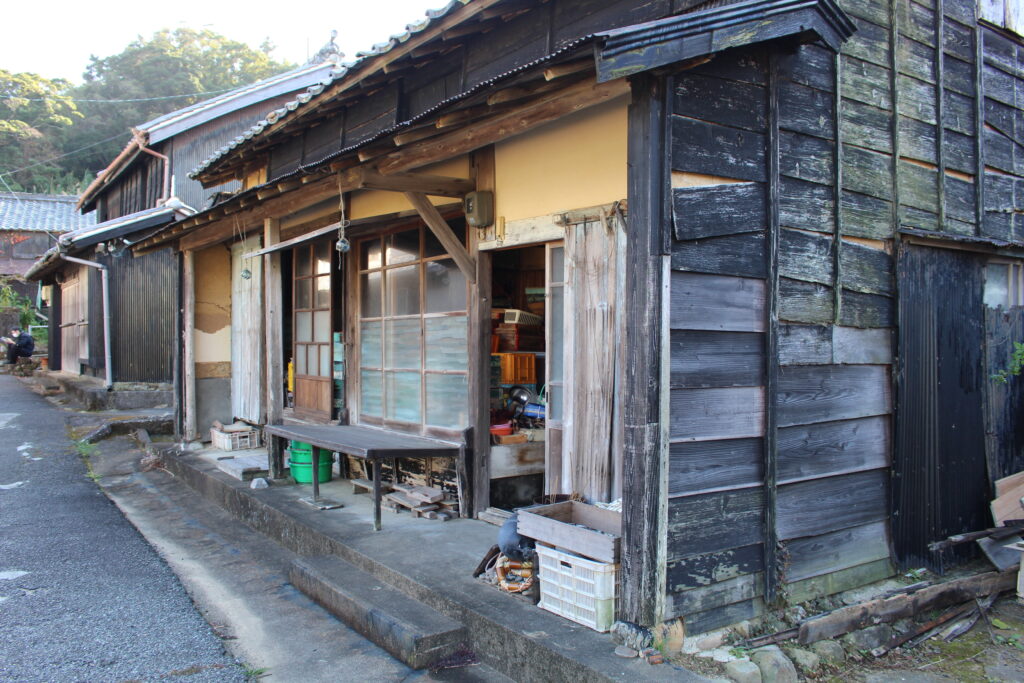
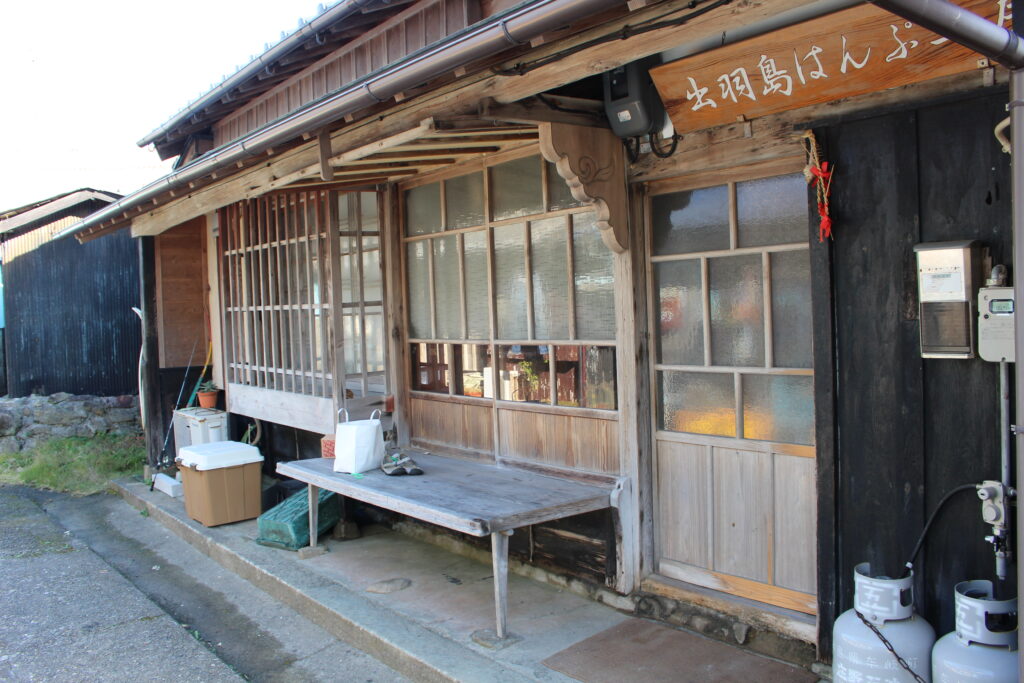
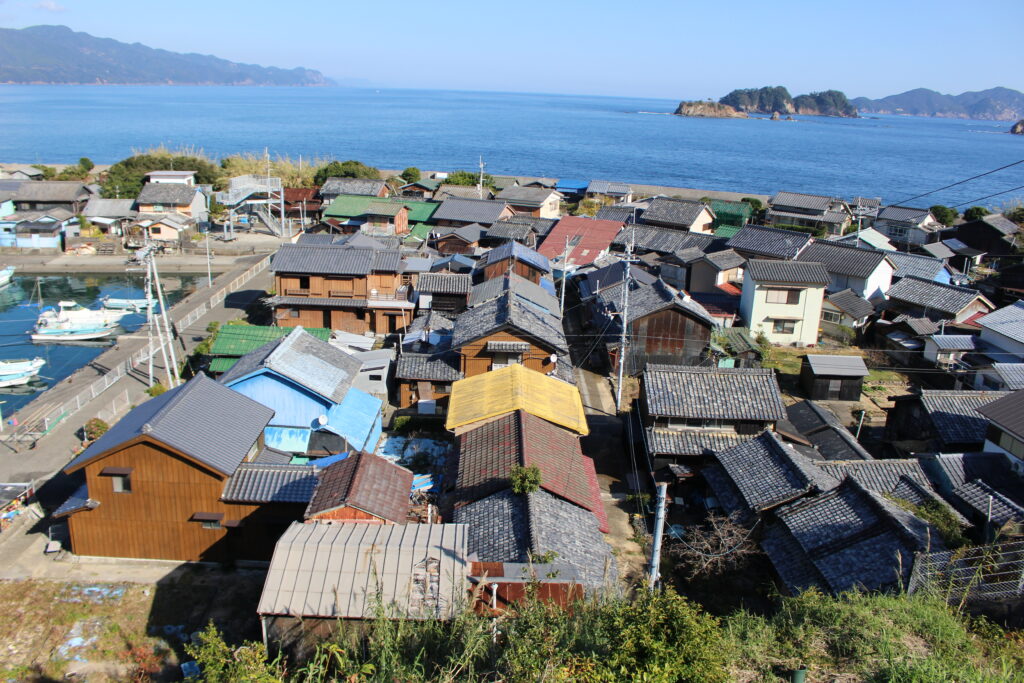
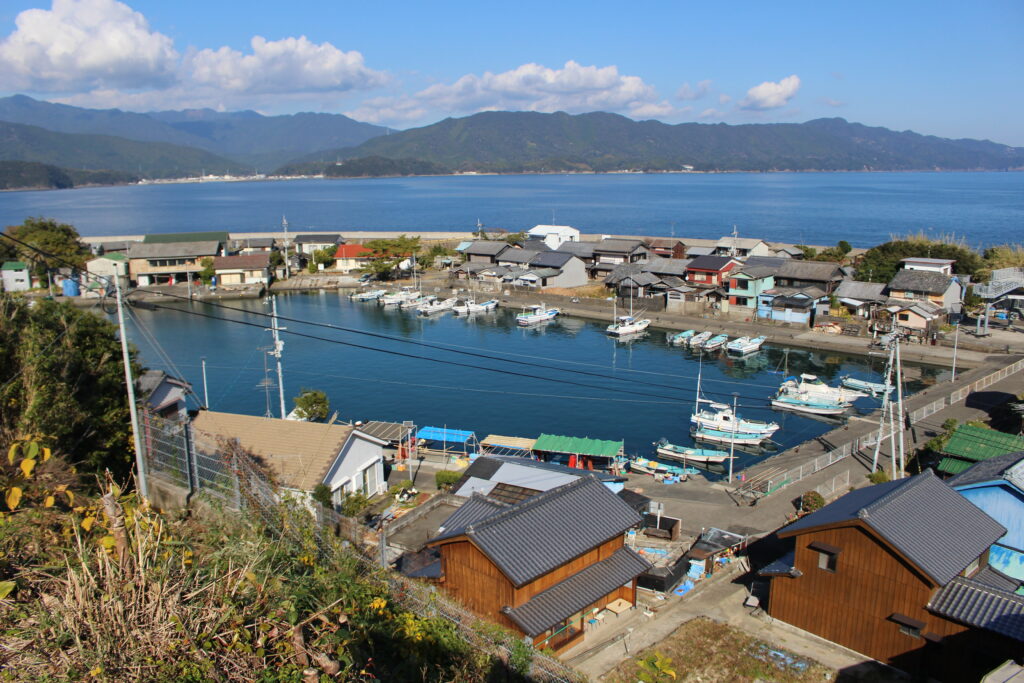
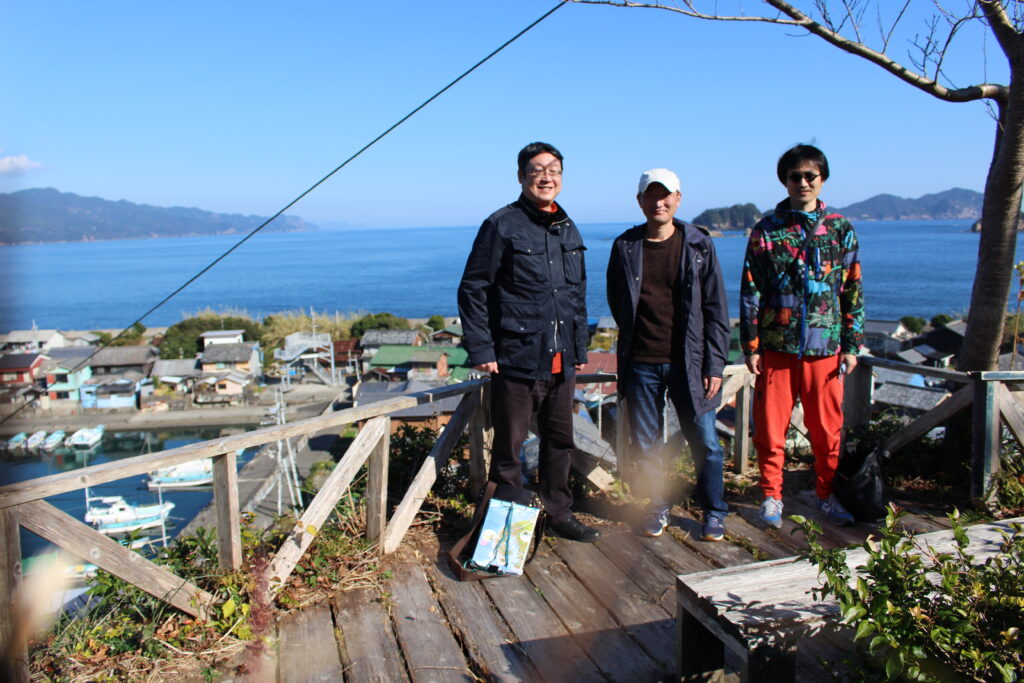
I went to Dewa Island in Mugi Town, Tokushima Prefecture.
This is a survey of fishing villages with mise-zukuri structures.
This time, the three of us walked around the island together with Professor Watanabe from Daido University and Professor Ishii from Meijo University.
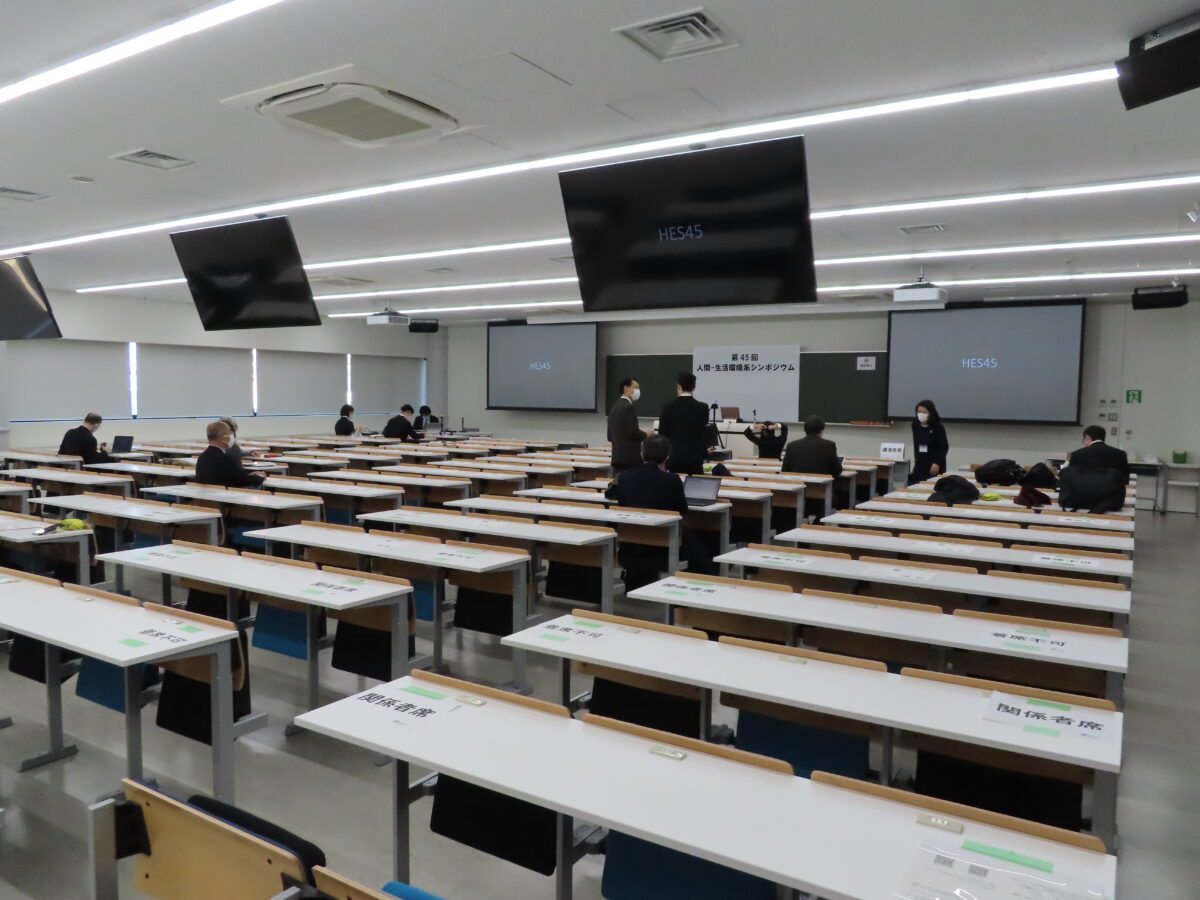
I participated in the 45th Human-Living Environment Symposium.
The venue is Daido University in Nagoya.
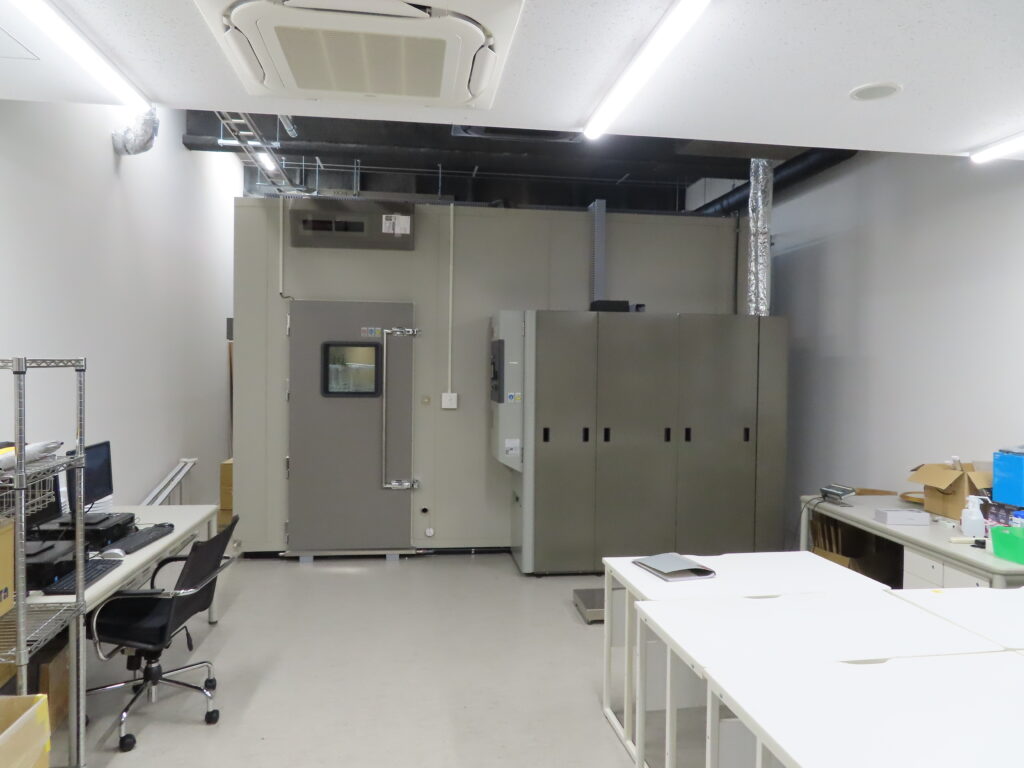
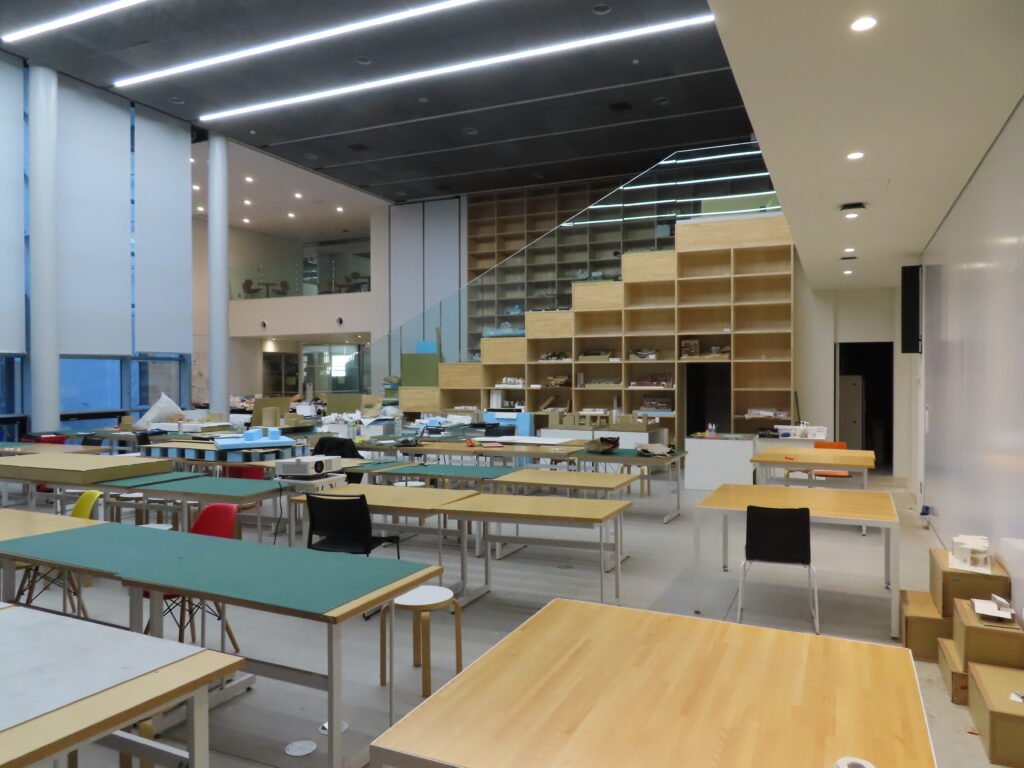
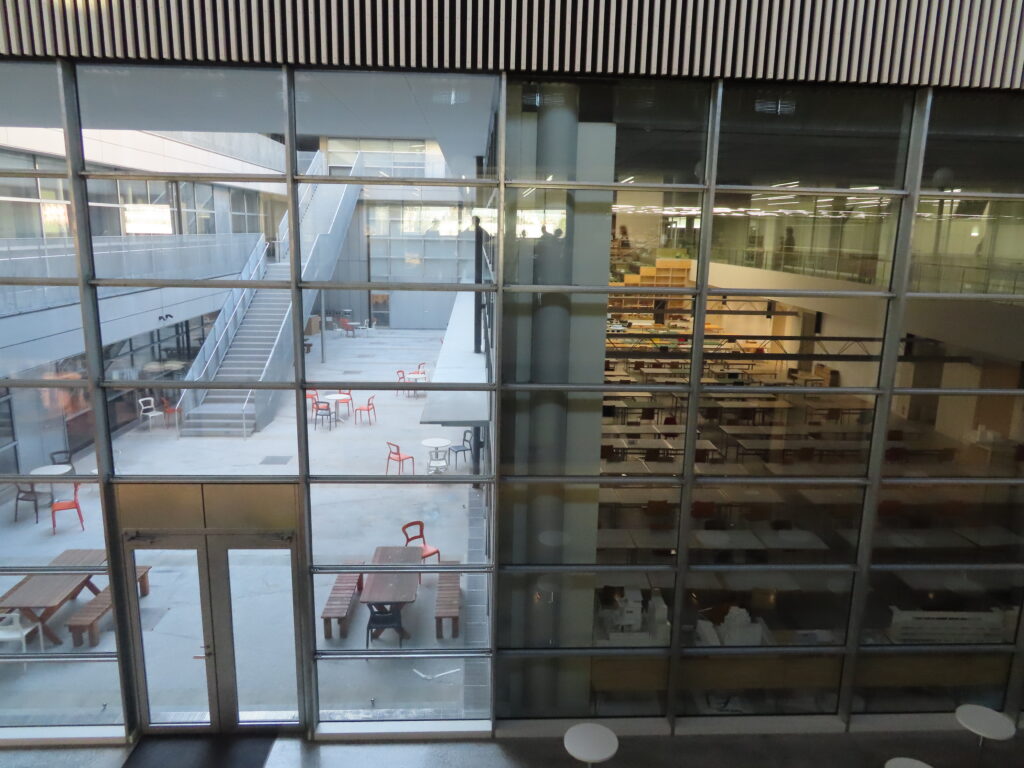
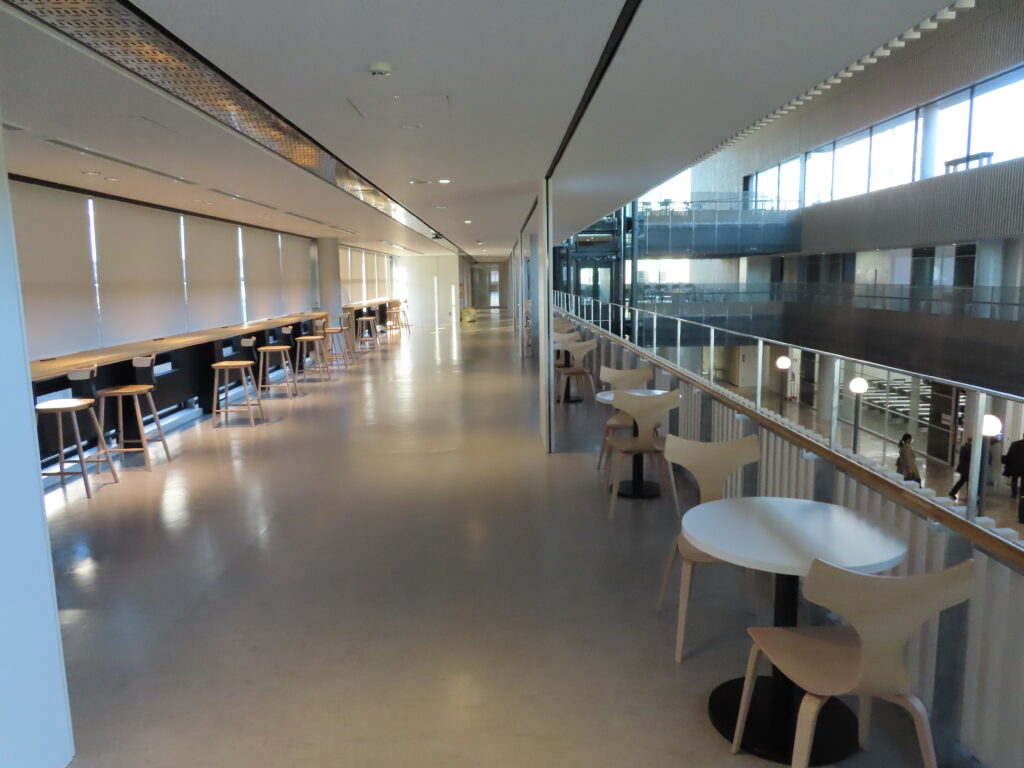
The event will be held in the recently constructed X Building. It is written as "X Building" and read as "Cross Building".
This time, it will be a hybrid of on-site and online presentations.
I think it was a challenging initiative.
We may see more styles like this in the future.
Well, I felt that there was ample time for questions and answers at the symposium, and overall there was a meaningful discussion.
I also feel like I've had the most questions ever.
Furthermore, there were special lectures and information exchange sessions by Dr. Kakitsuba and Dr. Horikoshi, making it a very fulfilling event.
From the laboratory, M2 student Mr. Mizuhata gave an online presentation titled ``Mandarin orange hut as a landscape resource in Tsukumi City, Oita Prefecture.''
Unfortunately, some of the slides could not be displayed properly, perhaps due to the communication environment, but we received many questions.
We also had the opportunity to tour Professor Watanabe's laboratory and laboratory.
On top of that, it had an excellent research and educational environment, which was amazing.