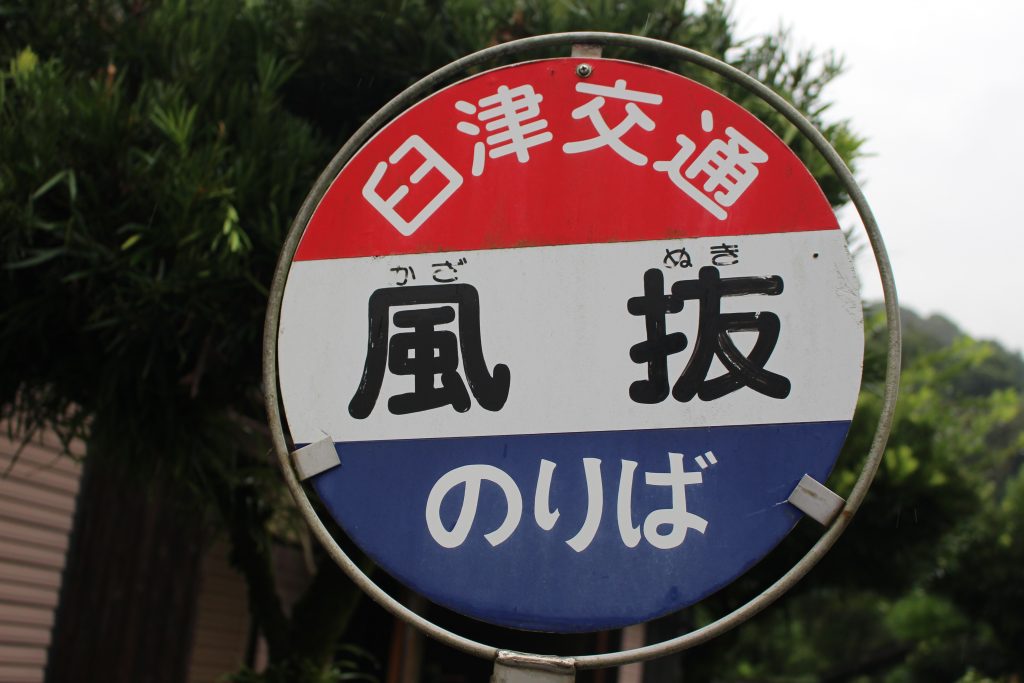
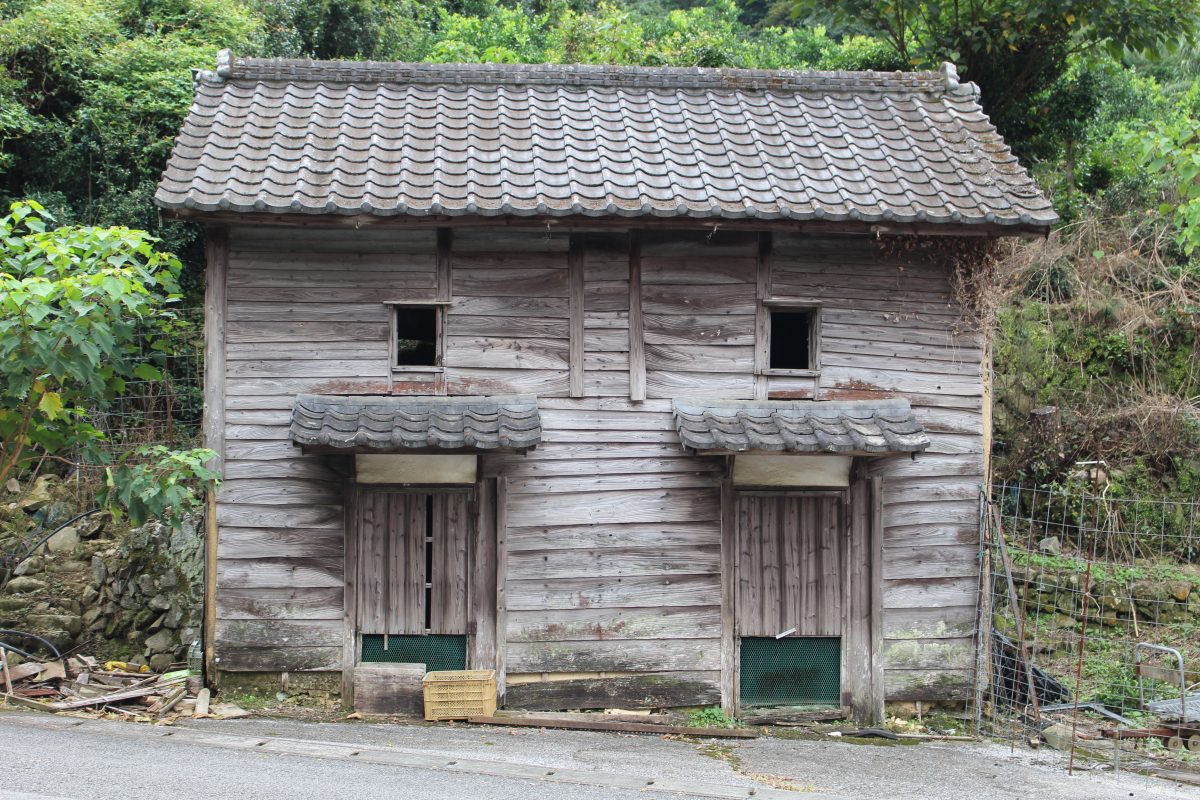
I went to Tsukumi City, Oita Prefecture.
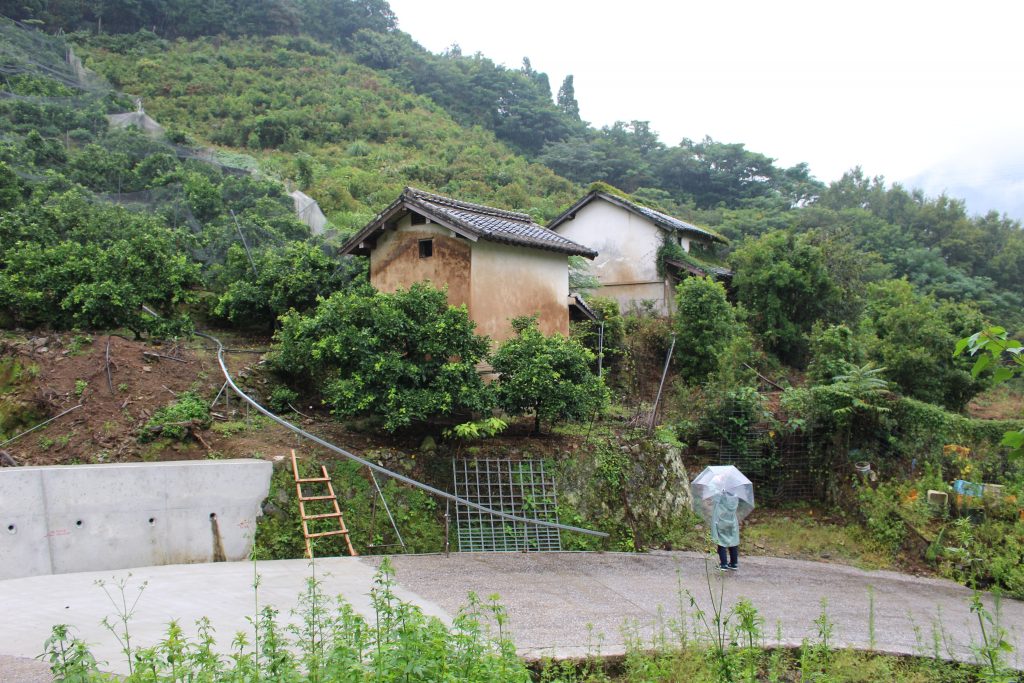
This is an investigation of the orange hut.
A typhoon occurred just before departure, but we managed to conduct the survey.
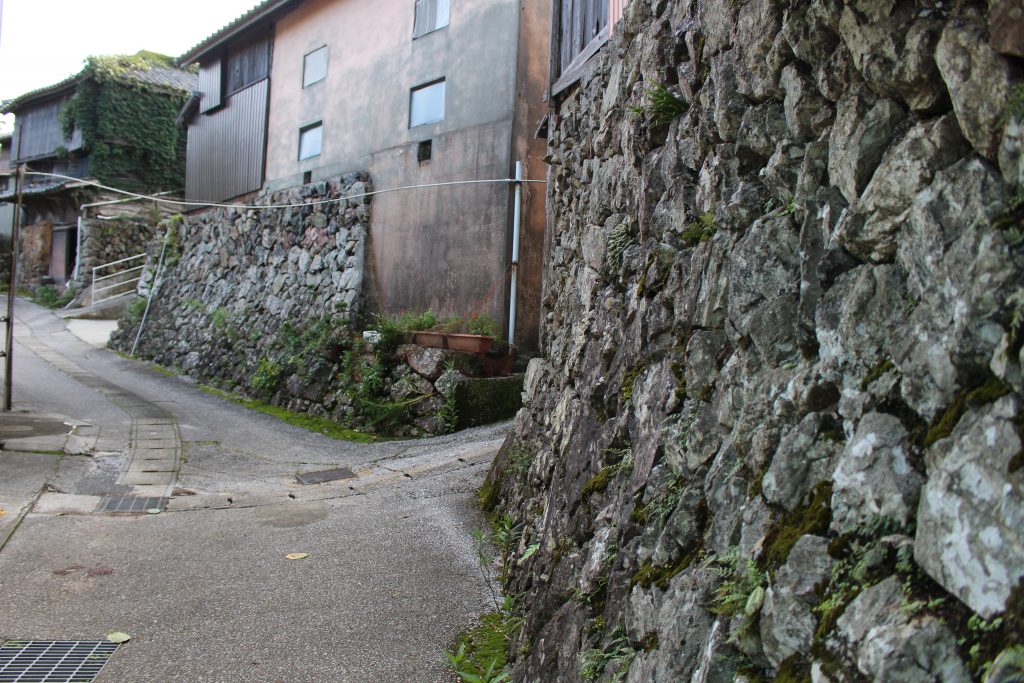
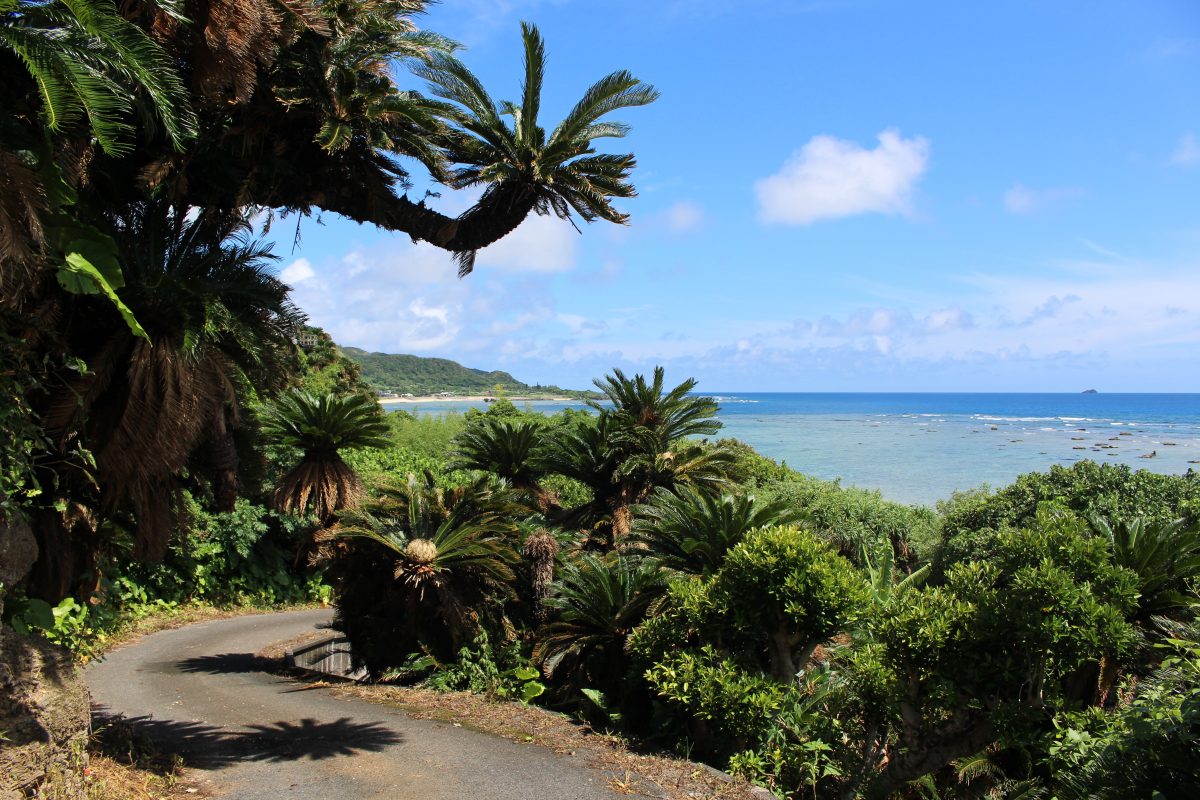
We climbed up and down the slopes as the weather changed every day, from cloudy to rainy to sunny, influenced by typhoons and autumn rain fronts.
Hashimoto has mainly been surveying sloped areas, but his calves became sore.
I was also able to give Mr. Mizuhata's graduation thesis to Mr. Isogawa of Tsukumi City Hall and Mr. Kamo of Hamachaya, who had helped me with the research so far.
We also heard stories from the residents of the past, such as how they used cattle to transport mandarin oranges, and how, until roads were built, mandarin oranges were transported over the mountains to Usuki.
If you pay close attention to the details, you'll notice that Tsukumi's mandarin orange cultivation and the types of mandarin huts have Areas of studyal characteristics, which is becoming more and more interesting.