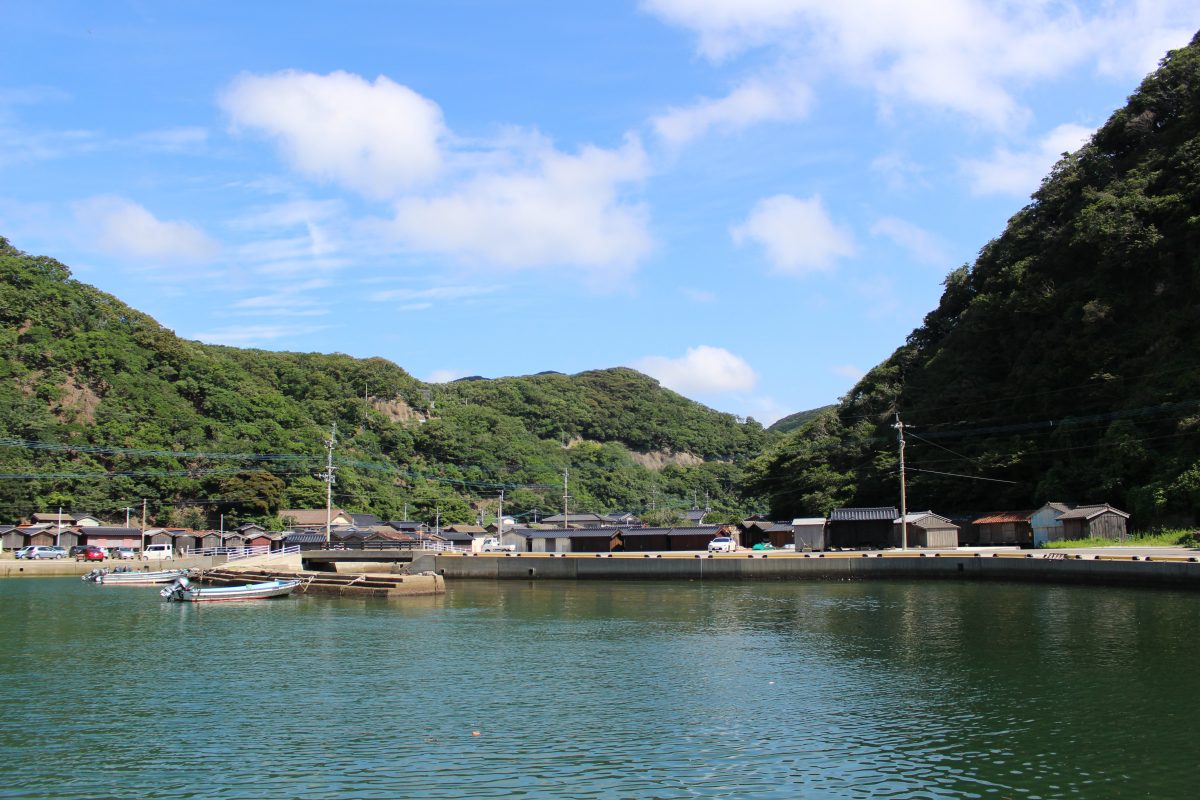
Tsushima Survey 2019 Summer

I went to Tsushima, Nagasaki Prefecture to investigate.

This survey is a joint research with Daido University's Watanabe Laboratory.

Although there were many concerns, such as the rainy season not ending soon and flights being canceled due to the typhoon, we managed to complete the survey.

Was the air cleaner than usual due to the typhoon?I got very sunburned.


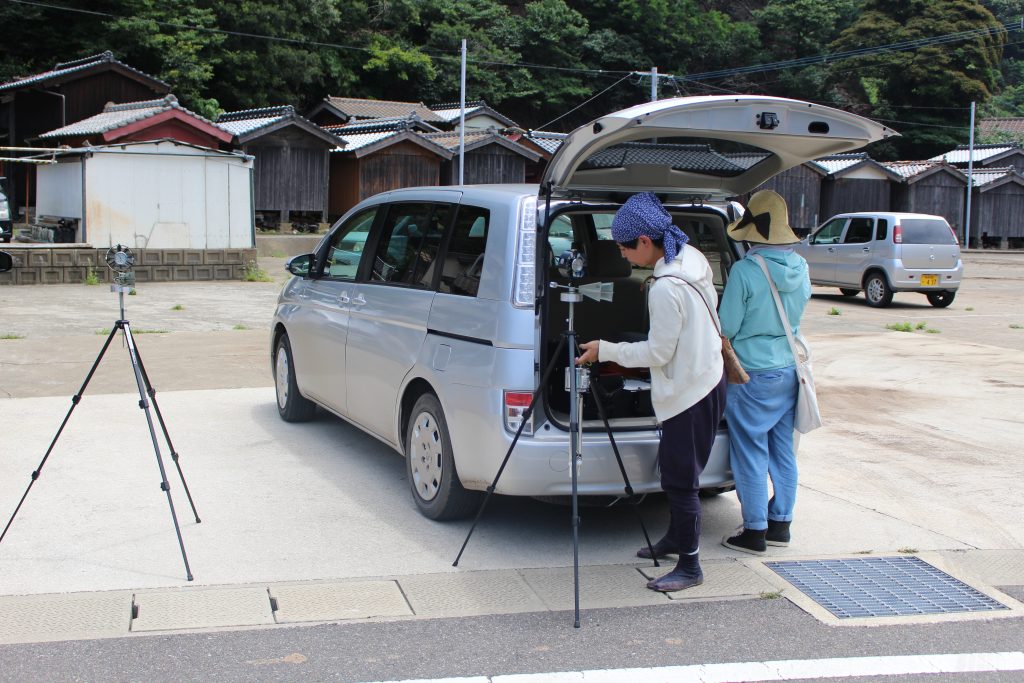
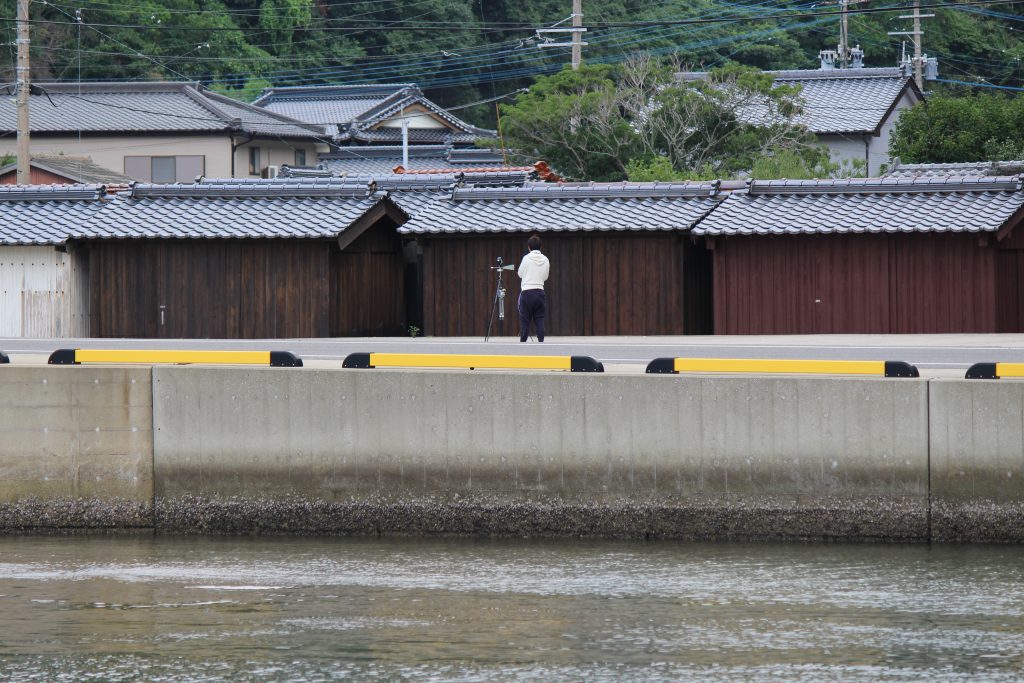
Hashimoto Lab was in charge of small-climate observations focusing on the wind environment.

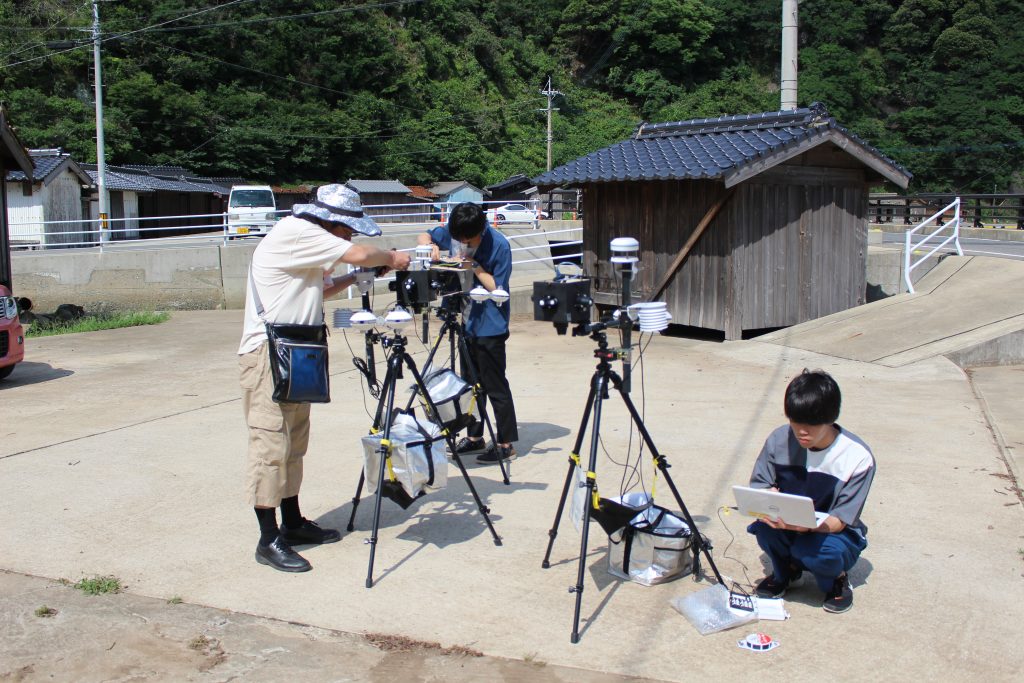
Watanabe Laboratory was in charge of fixed-point observation of outdoor thermal environment and ultraviolet rays.

With the cooperation of the residents we met during the winter survey, we were able to conduct an actual survey of the indoor thermal environment of Koya.

I have received many presents and souvenirs, and I am filled with gratitude.
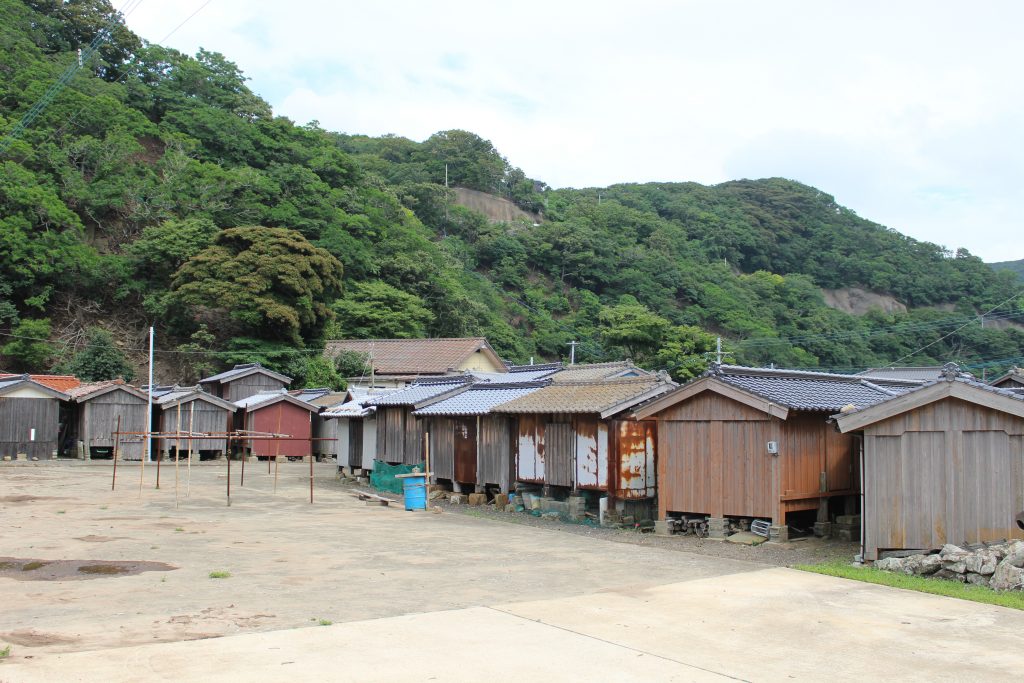
 

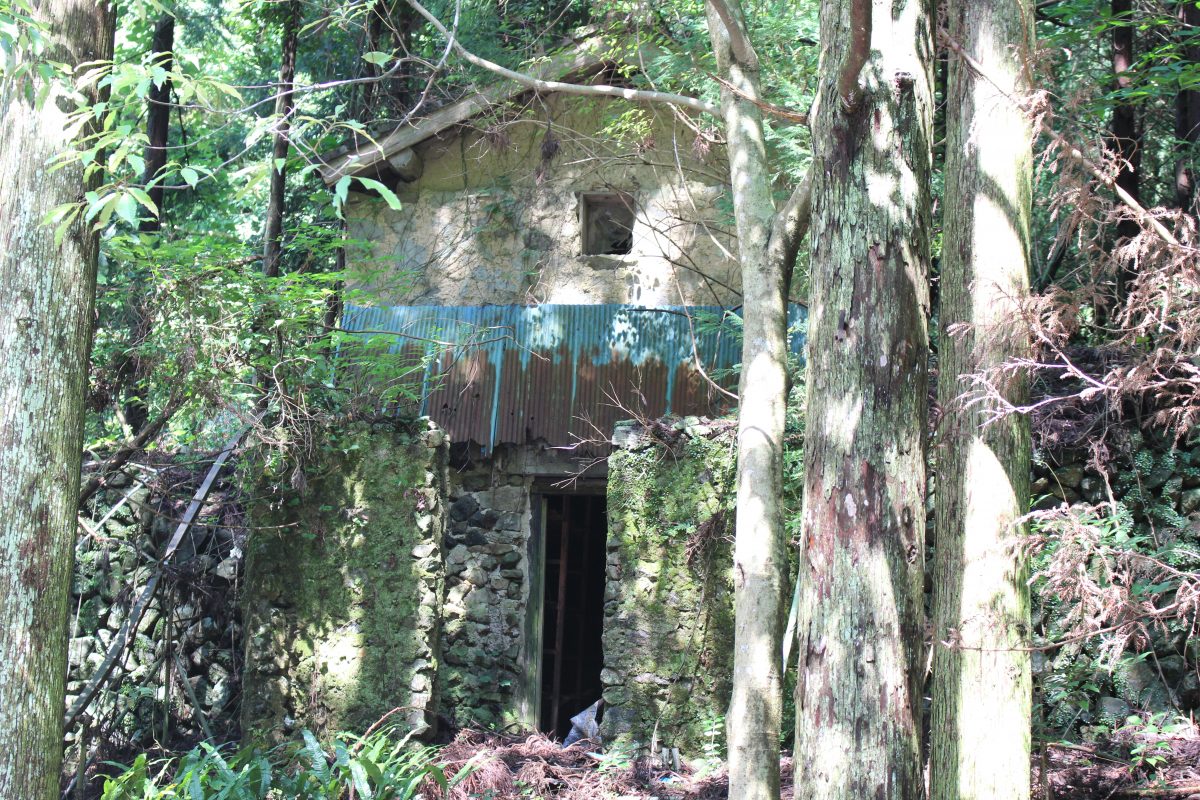
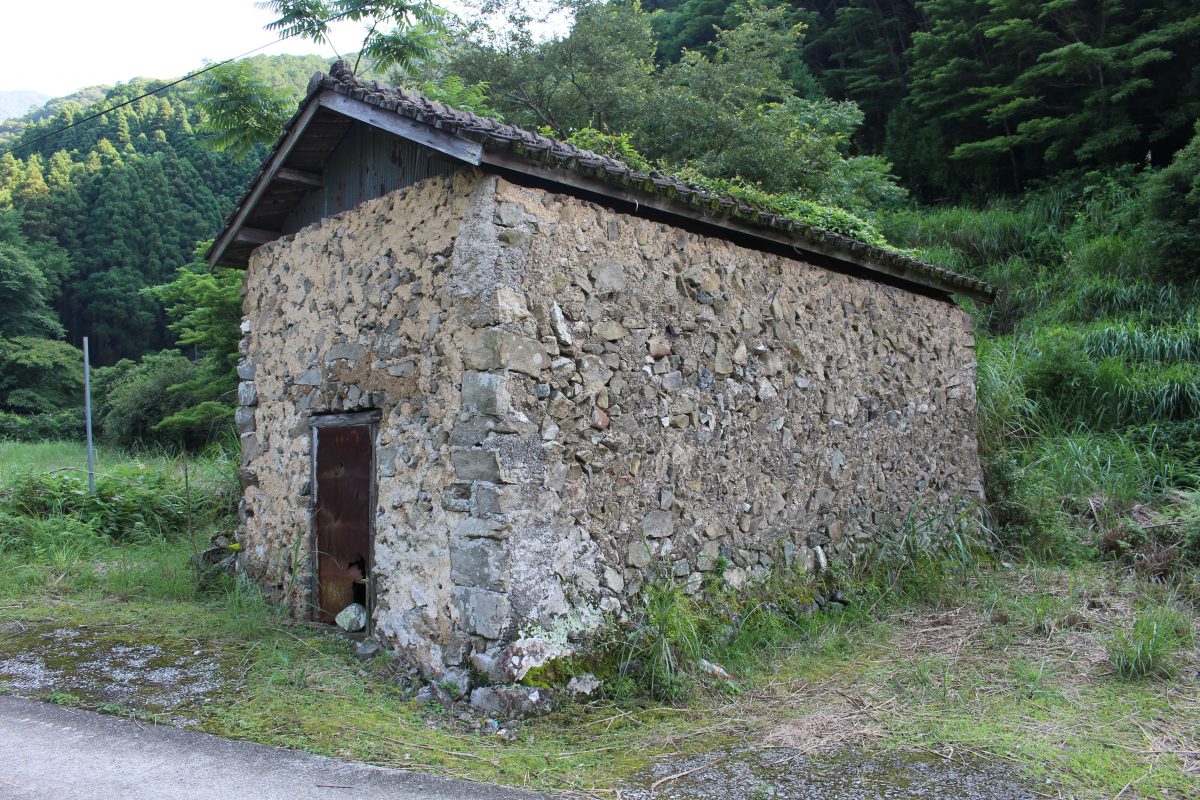
Gunkura in Waniura village.
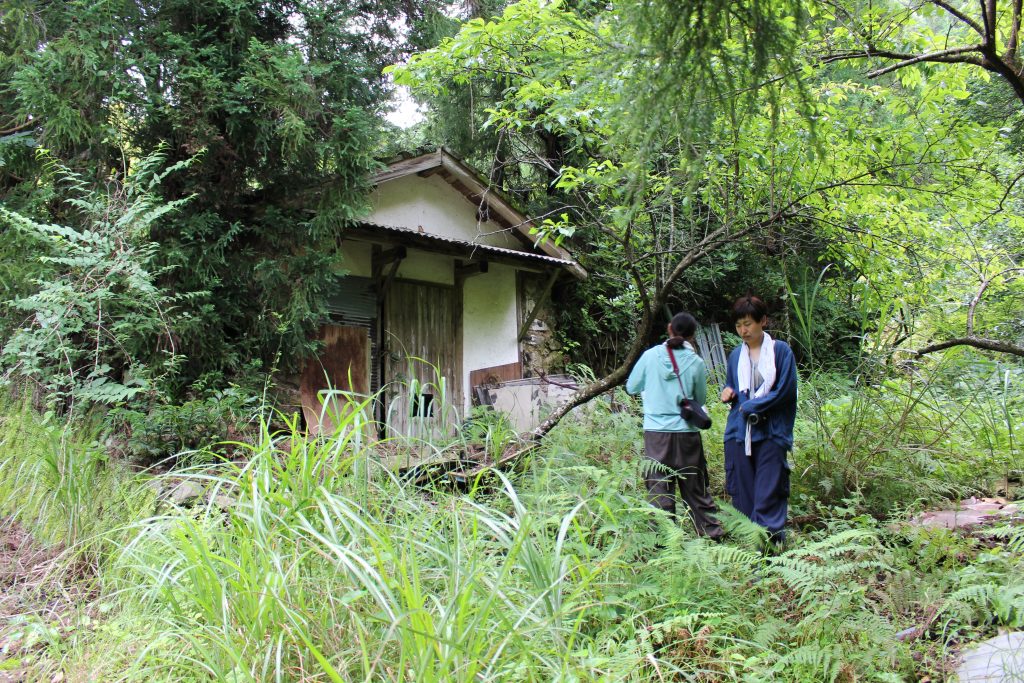
Hashimoto Lab students preparing research equipment.
Mr. Ito, a master's degree student, conducts a microclimate survey in front of Gunkura.
Members of Watanabe Laboratory at Daido University setting up research equipment.
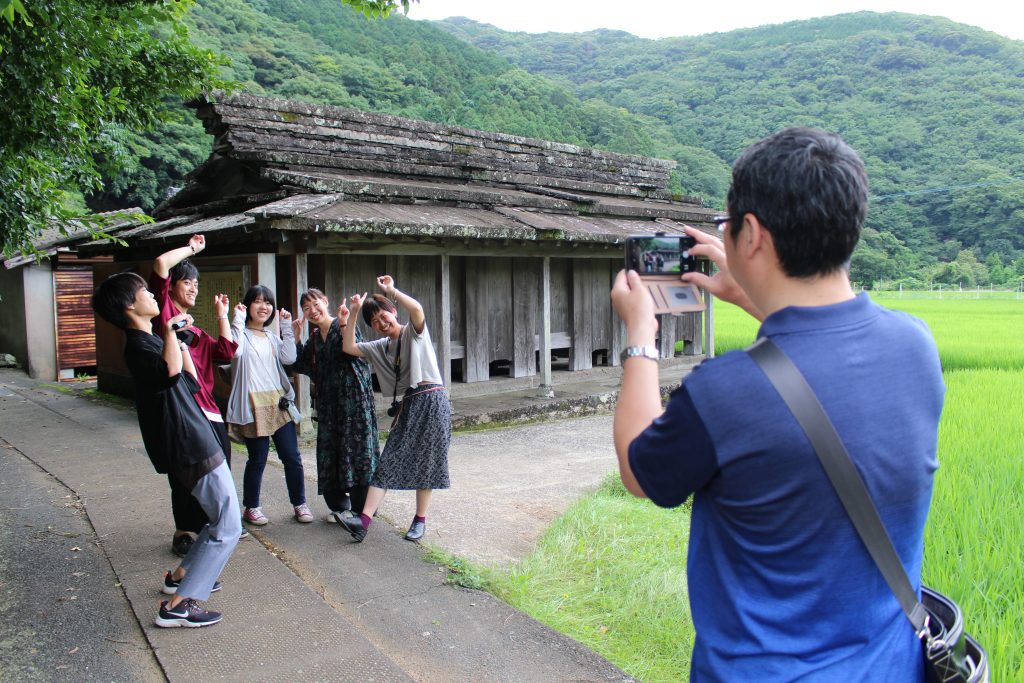
Professor Watanabe of Daido University poses for a commemorative photo with students.The vice president is also in charge of the project, so he took time out of his busy schedule to participate in the survey.

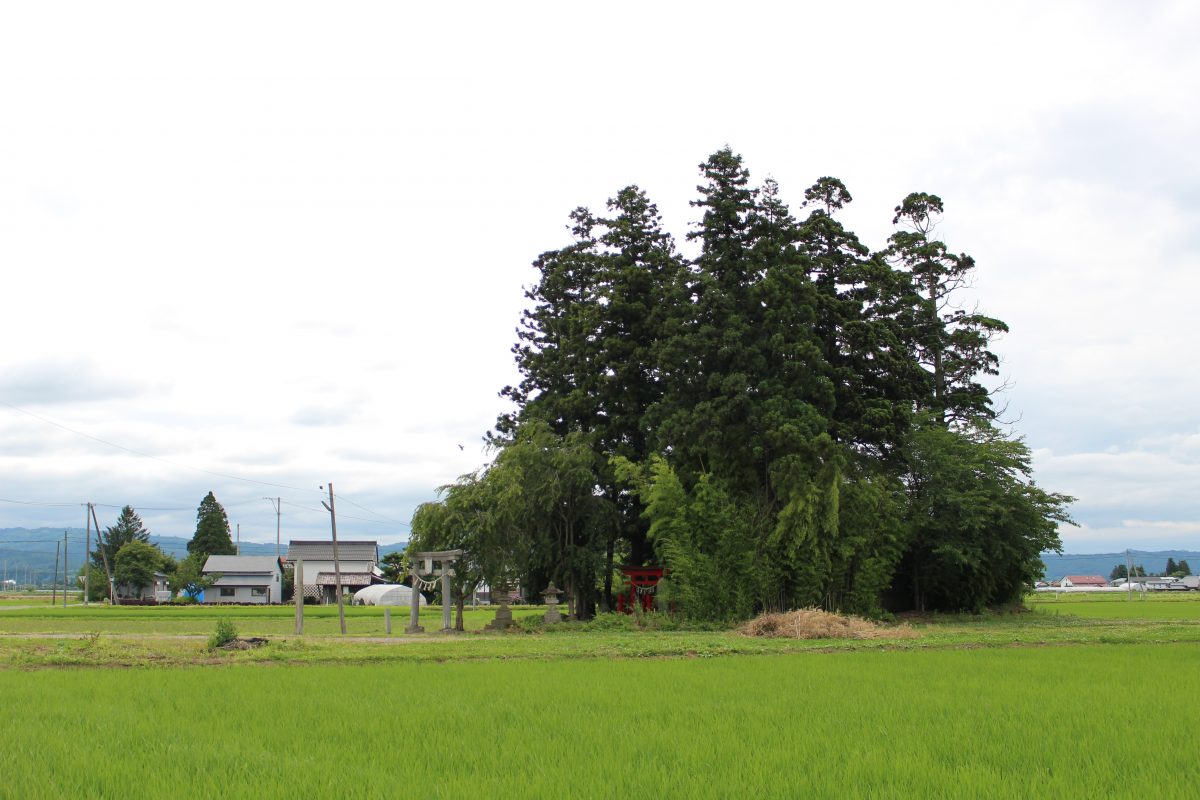
Aizuwakamatsu survey July 2019

I went to Kitaaizu Town, Aizuwakamatsu City, Fukushima Prefecture to investigate.

Continuing from the previous survey (early summer), this is a survey of the waterway network.

As with the Tsukumi survey, although it was the rainy season, we were blessed with good weather and were able to proceed with the survey without incident.

We also spoke to the residents and received gifts, which were very helpful.

There is little relationship between "domestic water" that residents use in their daily lives, "agricultural water" that is used for paddy fields, fields, and fruit cultivation, daily "rainwater drainage," and "disaster mitigation systems" that function during floods. I feel like this is slowly becoming clearer.


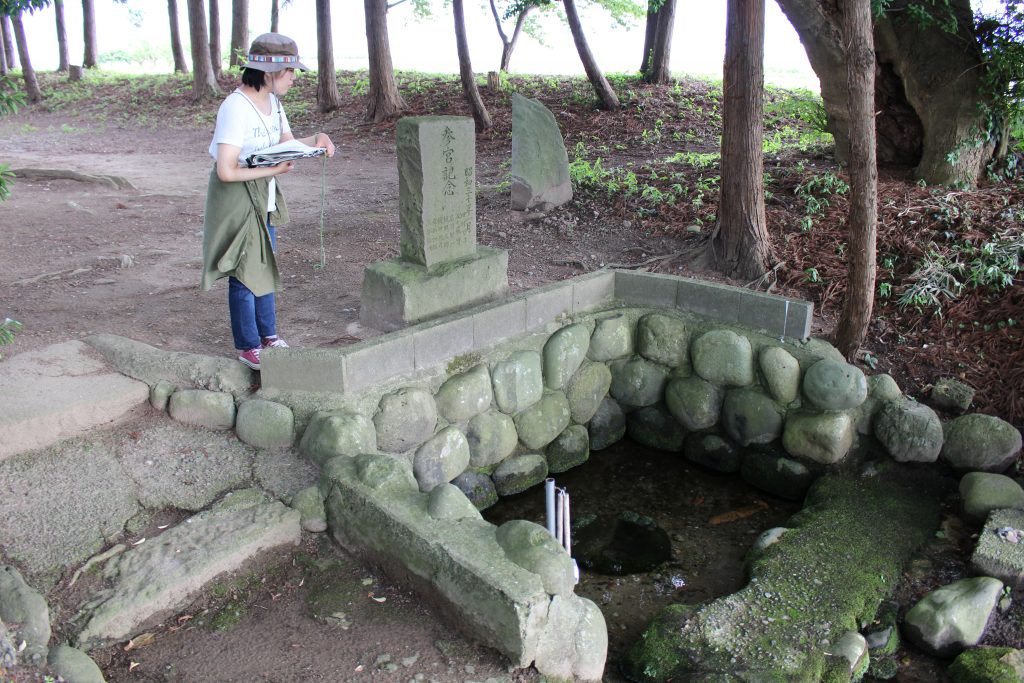
Mr. Urakawa investigates water sources related to Uesugi Kagekatsu.
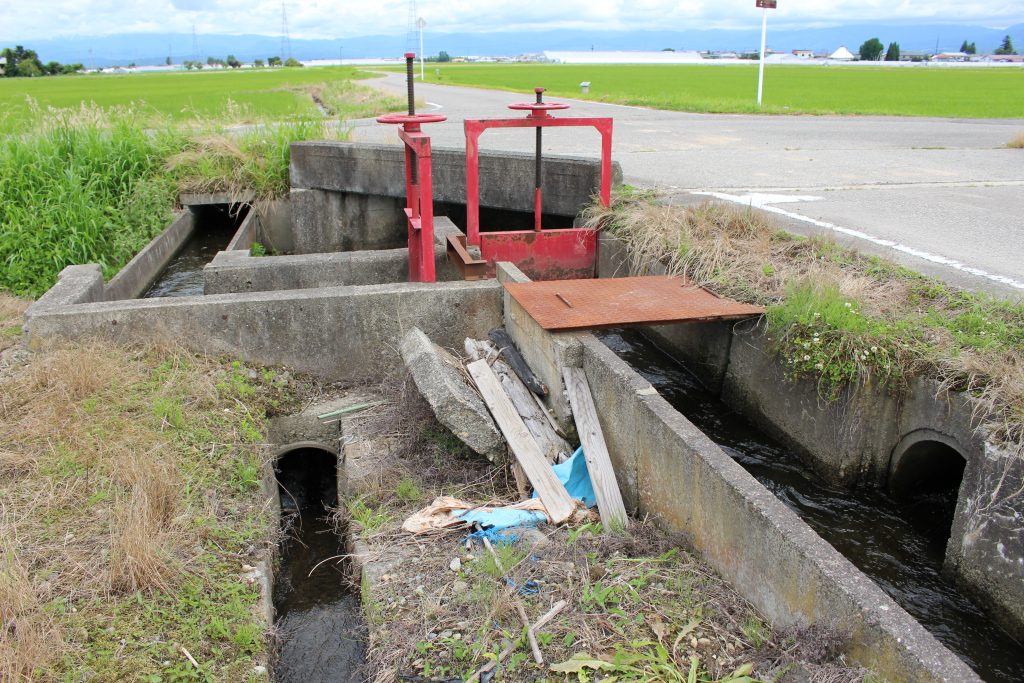
Agricultural water network system with complex three-dimensional intersections.
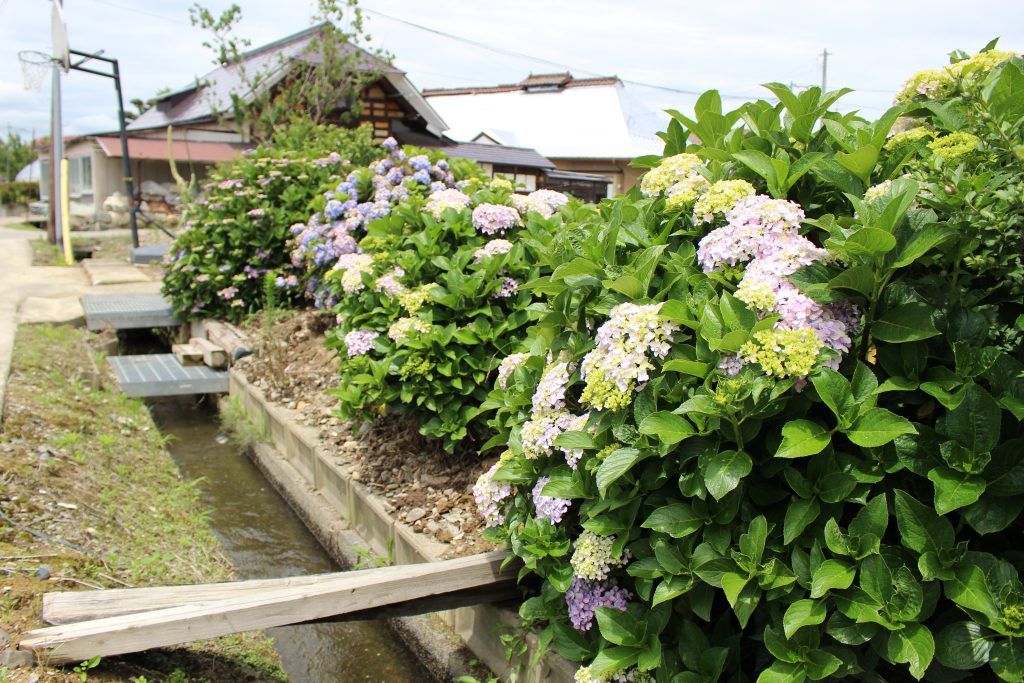
Hydrangeas planted along the waterway.

Mikan Hut Survey July 2019 Part 7

In this survey, we visited areas where mandarin oranges are no longer being cultivated.

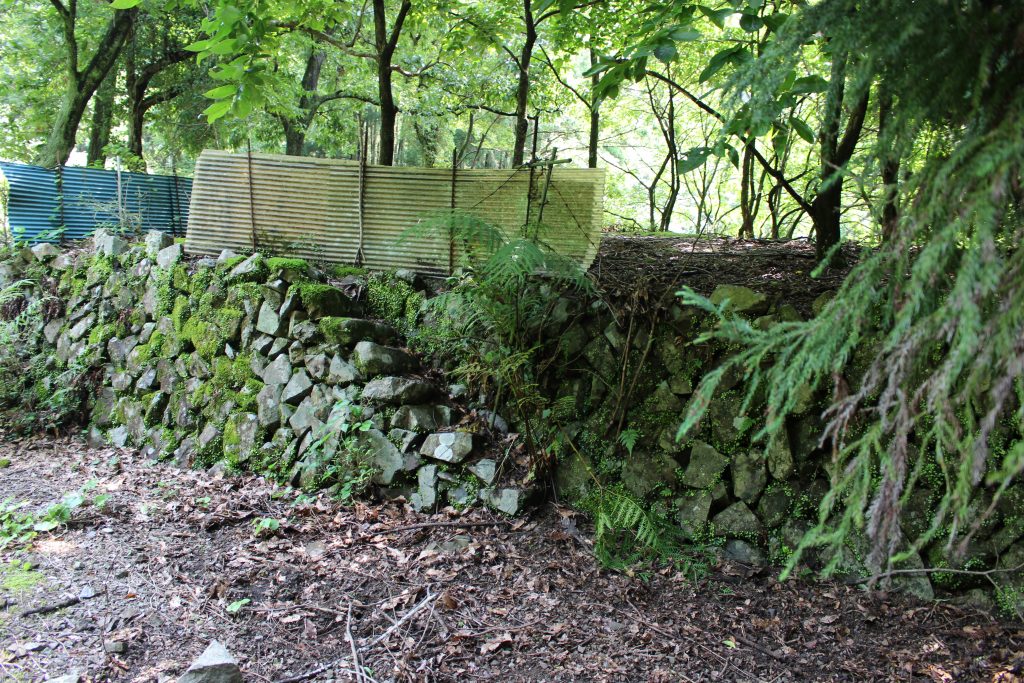
The remains of the stone wall and the mandarin orange huts dotted around remind us of the old days.


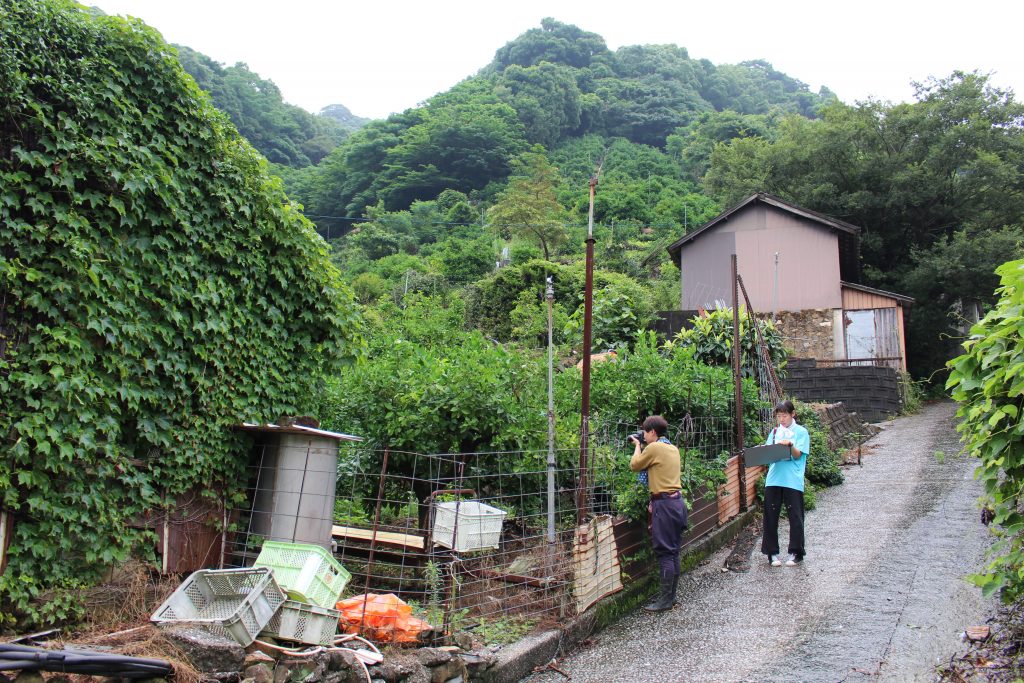
I found a secluded mandarin orange hut.
The stairs made of moss-covered stone walls are quite impressive.


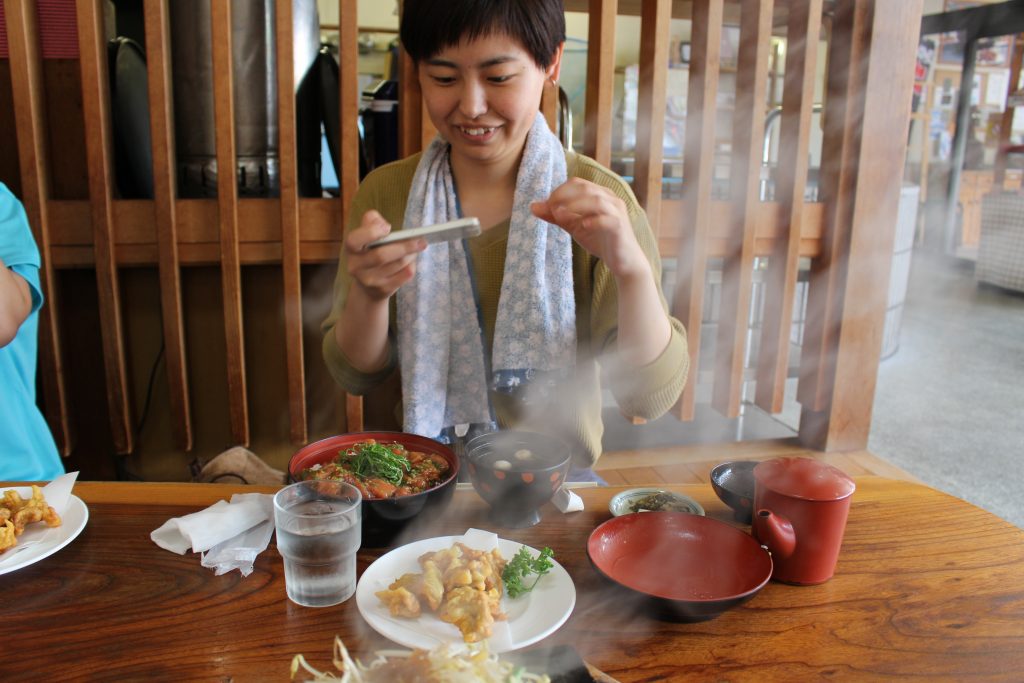
Well, for lunch in Tsukumi, I went to the usual Hamachaya.

There was a Tsukumi Hyugadon campaign going on, and OBS Oita Broadcasting came to cover it.

It seems that Mr. Ito and Mr. Mizuhata were interviewed and the interview was broadcast.

It appears that it can be viewed online (as of July 2019, 7).

If you are interested, please search!


After this.I was interviewed on TV.

Mikan Hut Survey July 2019 Part 7

I went to Tsukumi City, Oita Prefecture to investigate a mandarin orange hut.

This time, together with two students, we began a survey to take a step toward listing the mandarin orange huts.

The advance weather forecast was for rain throughout the survey period.Heavy rain was also expected.

However, although it rained lightly on the first day, the rainy season front moved southward the next day, and there were some sunny spells.


In addition to checking the mandarin orange huts that we had confirmed so far, we were also able to confirm new mandarin orange huts.

We also received valuable materials from Tsukumi City Hall.Thank you for your cooperation.


Students investigating the mandarin orange hut.
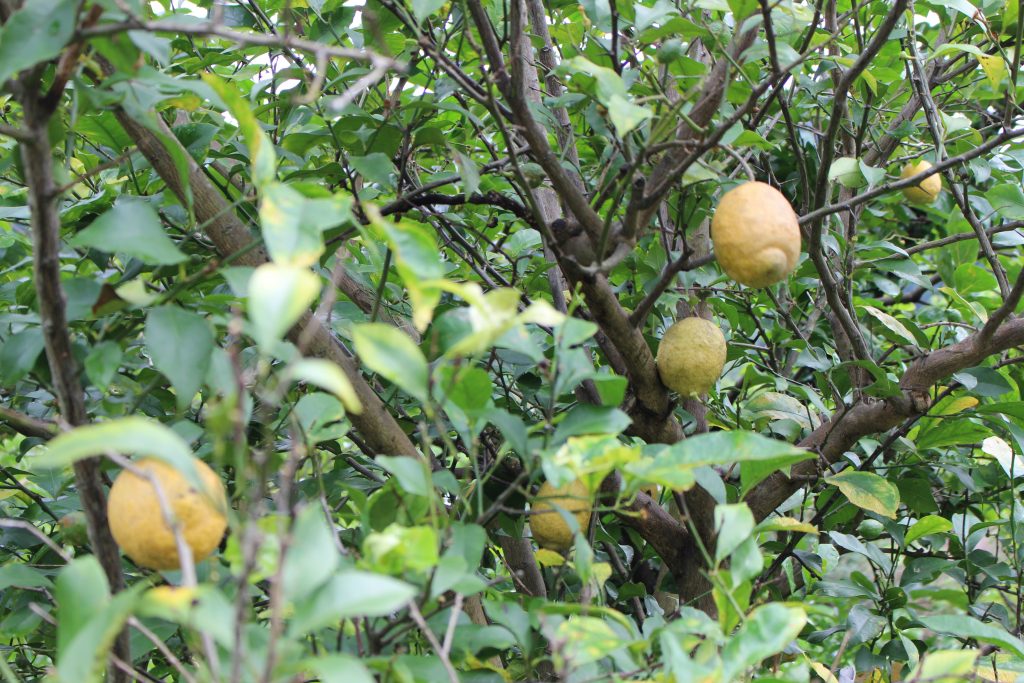
I found a lemon in the tangerine field.