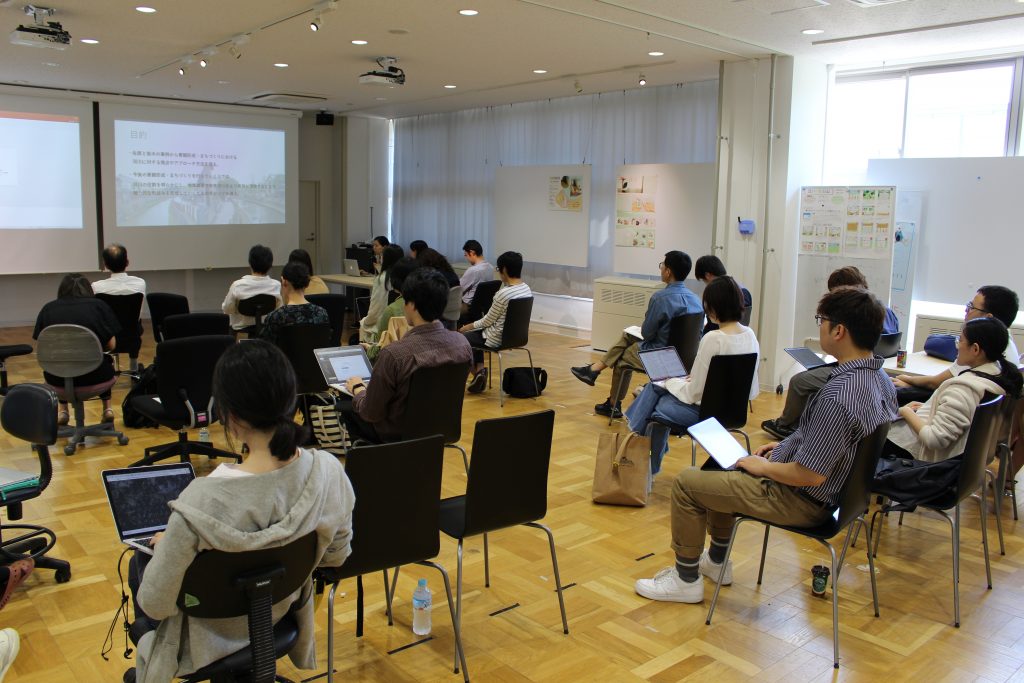
Last weekend, I went to Waseda University to attend the executive meeting of the Japanese Society of Biometeorology.
The venue for the executive committee meeting is the 11th floor of Okuma Memorial Tower.
Before the executive committee meeting, we had a research meeting with Professor Watanabe of Daido University and Professor Ishii of Meijo University, and arranged the schedule for the summer survey.
The view from the 11th floor of Okuma Memorial Auditorium.Beyond Okuma Auditorium, you can see Hotel Chinzanso Tokyo, where the Shogi Master Tournament will be held, and St. Mary's Cathedral, Tokyo.St. Mary's Cathedral, Tokyo.The tree-lined avenue of Waseda Avenue runs through the valley between the buildings.
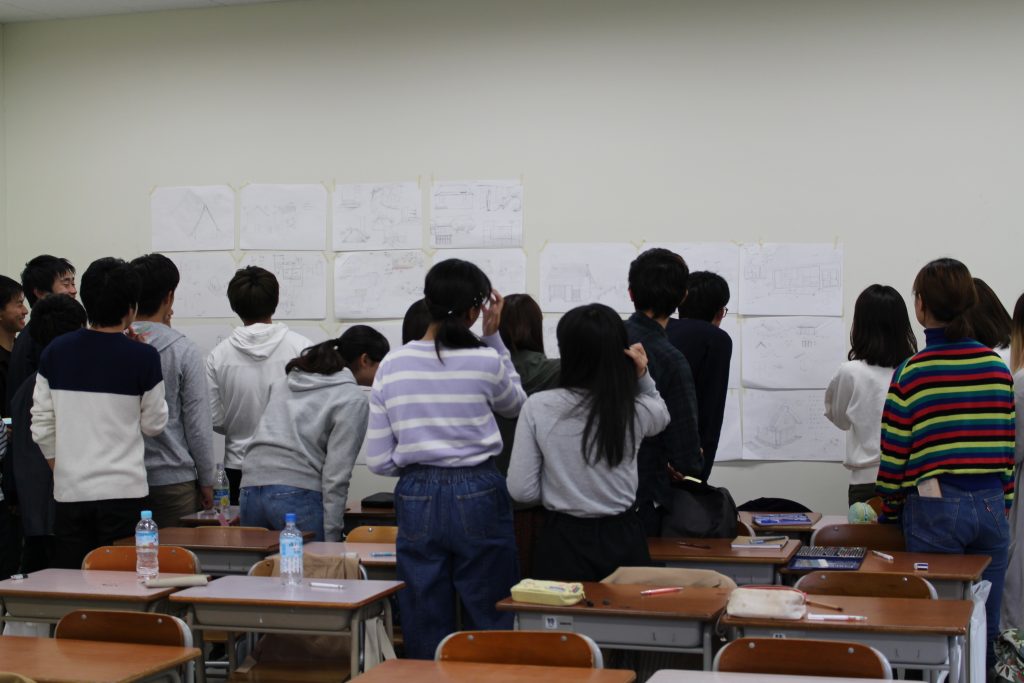
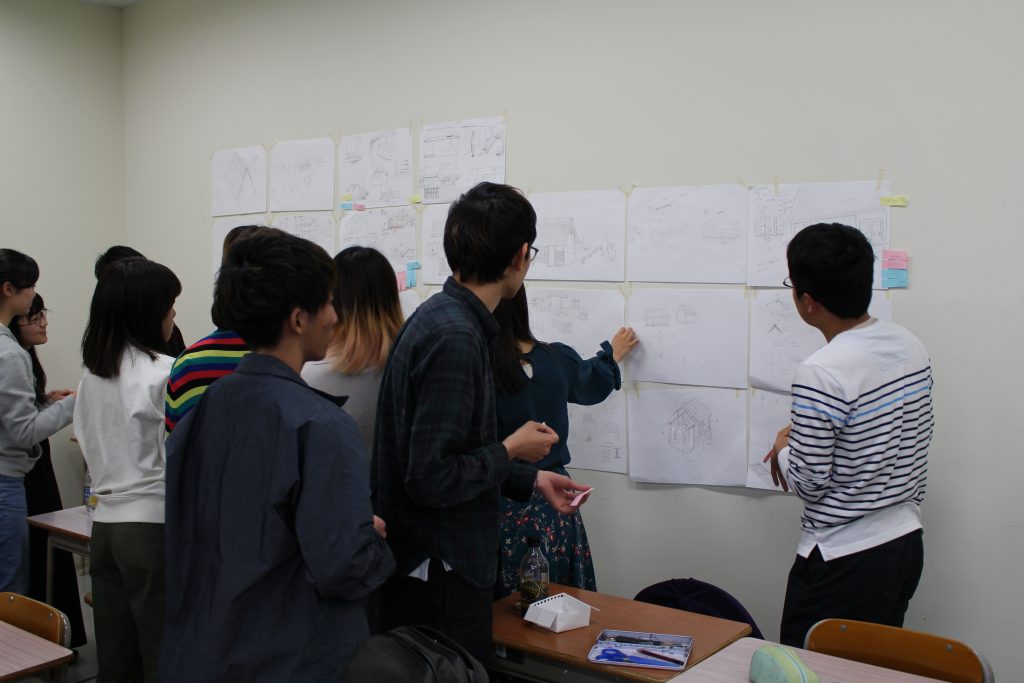
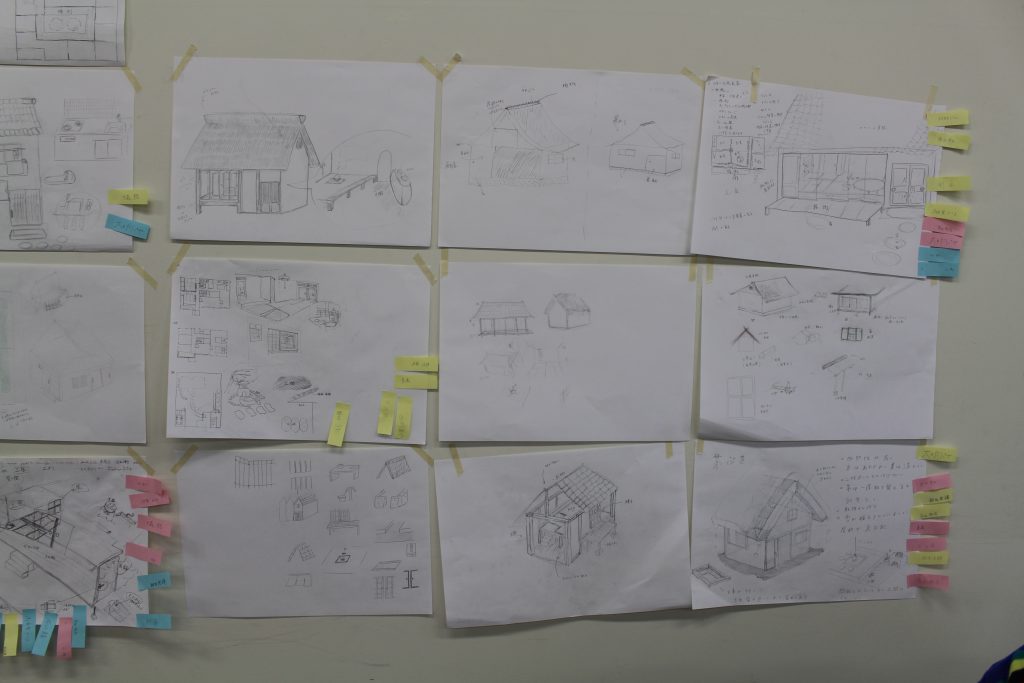
In the class, we had the task of expressing ``Japanese traditional folk houses'' in pictures.
When I thought of traditional Japanese houses, I thought people would mainly imagine thatched-roofed farmhouses or townhouses in places like Kyoto, but...
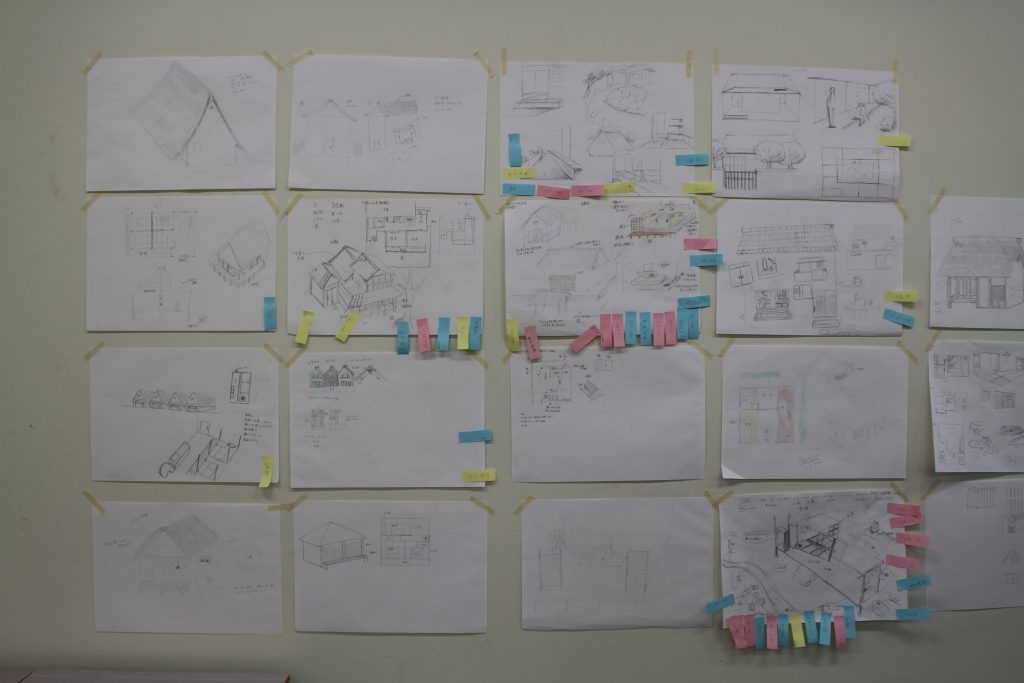
Looking at the pictures all over the walls, I noticed that there were quite a few farmhouses with tiled roofs.
Among them is a two-story tile-roofed house with a central hallway (it received a fair amount of votes in a student vote).
There seemed to be many elements such as tiled or thatched pitched roofs, hearths, tatami mats, and verandas.
Overall, I felt that there was a considerable difference between the ``traditional Japanese house'' that students today imagine and the ``traditional Japanese house'' that I think of.
Is it okay to understand this as a generation gap?
Paste each picture on the wall.Use sticky notes to vote for the one that you think best represents the image of a "traditional Japanese house."“Japanese traditional folk houses” as students think, Part XNUMXStudents' thoughts on "traditional Japanese houses" Part XNUMX
Golden Week is over, and Reiwa classes have finally begun.
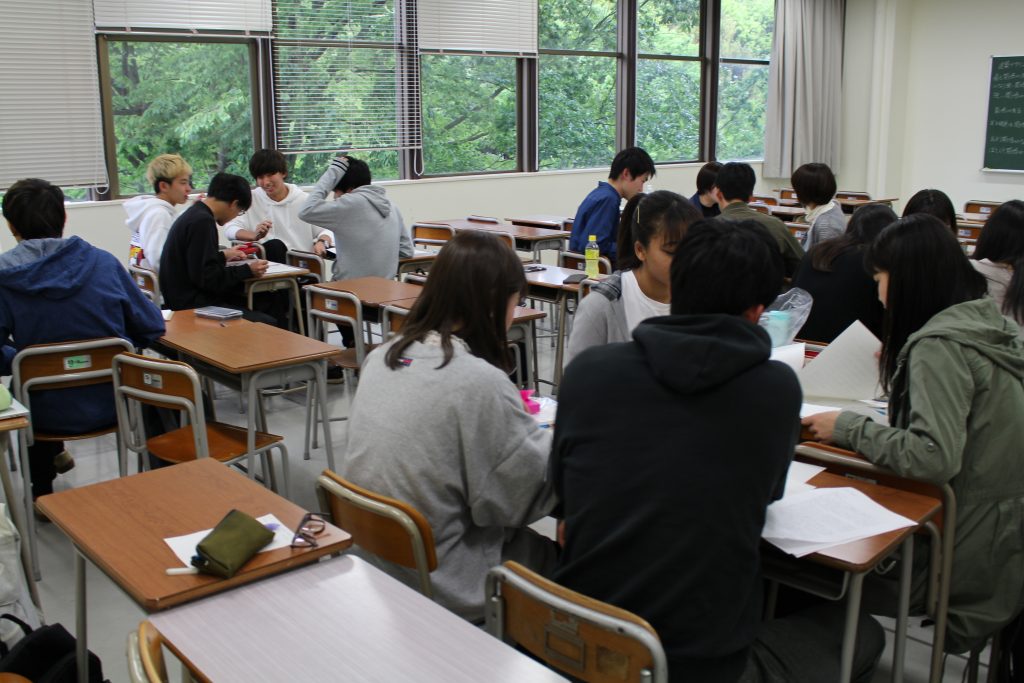
Today, Hashimoto's first class for Reiwa was on architectural equipment planning.
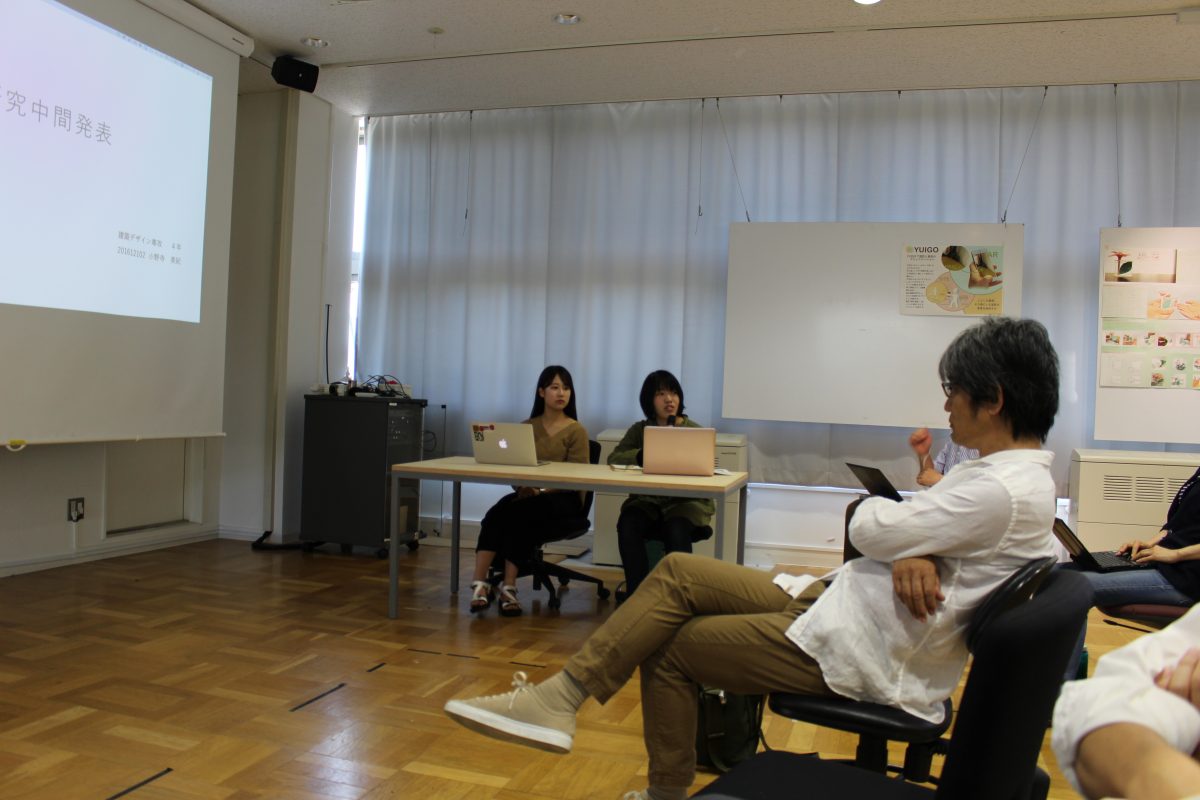
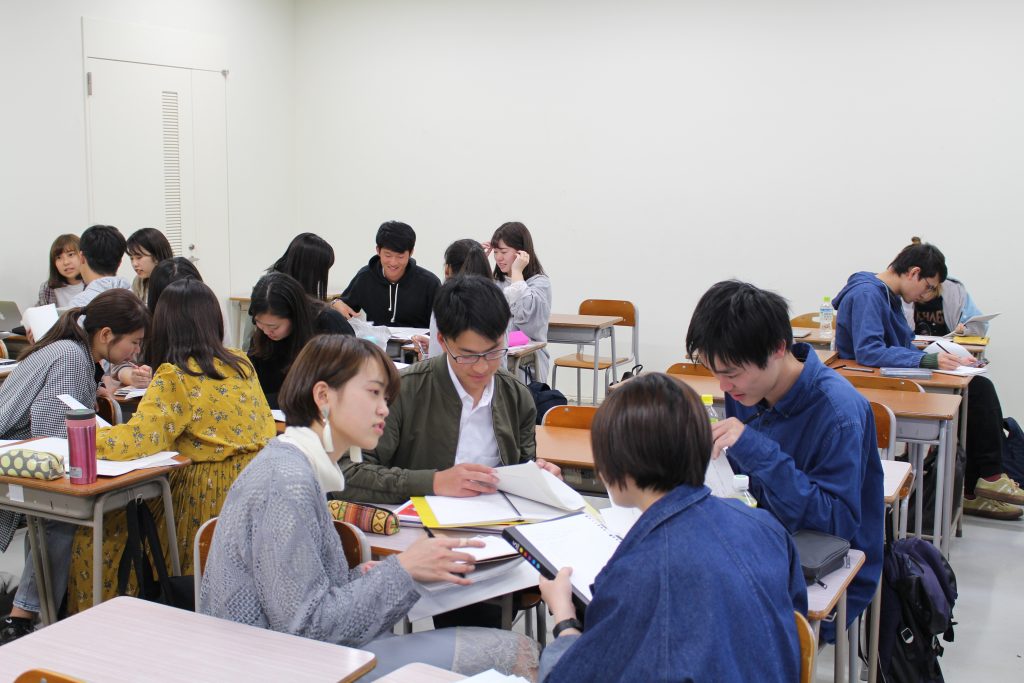
We had a group discussion based on the report, and everyone thought about the relationship between SDGs, architectural design, and building equipment.
I think I was able to realize once again the magnitude and importance of the role that architectural design and building facilities should play in achieving sustainable development.