Orange Hut Survey 2018 Winter Part XNUMX

In addition to the actual measurements of the indoor thermal environment, we also learned something from the field survey.

In Usuki City, where ashstone is produced, we have confirmed cases of ashstone being used for walls and foundations, but we have not found any mandarin orange huts made of ashstone.

Many of the villages along the coast seem to make a living from fishing, but we also found some villages that once focused on cultivating mandarin oranges.

It is said that tangerine orchards were expanded to the hinterlands of fishing villages.

During the research, I found it a mystery that there were some fishing villages that had tangerine fields but no tangerine huts, but I was able to confirm this through interviews and was convinced.
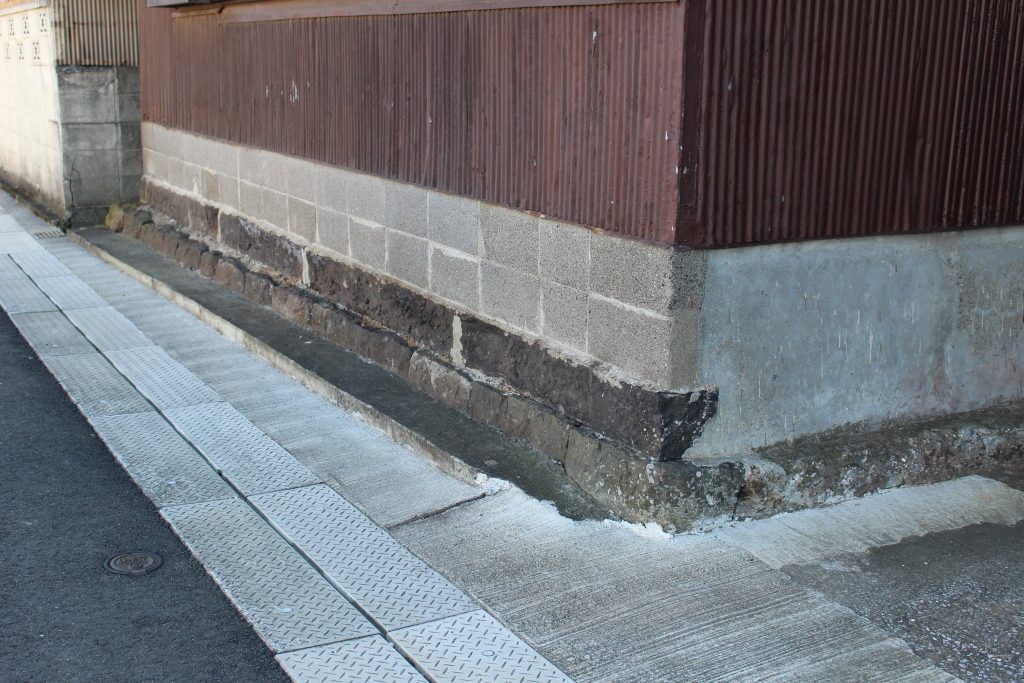
An example of using ashstone for the foundation.
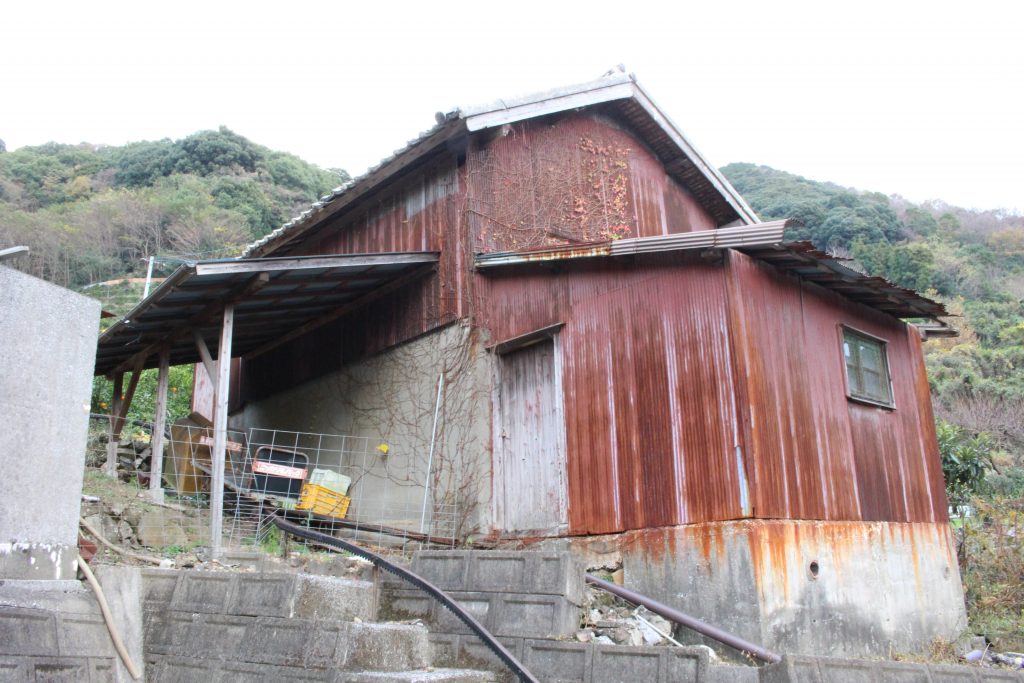
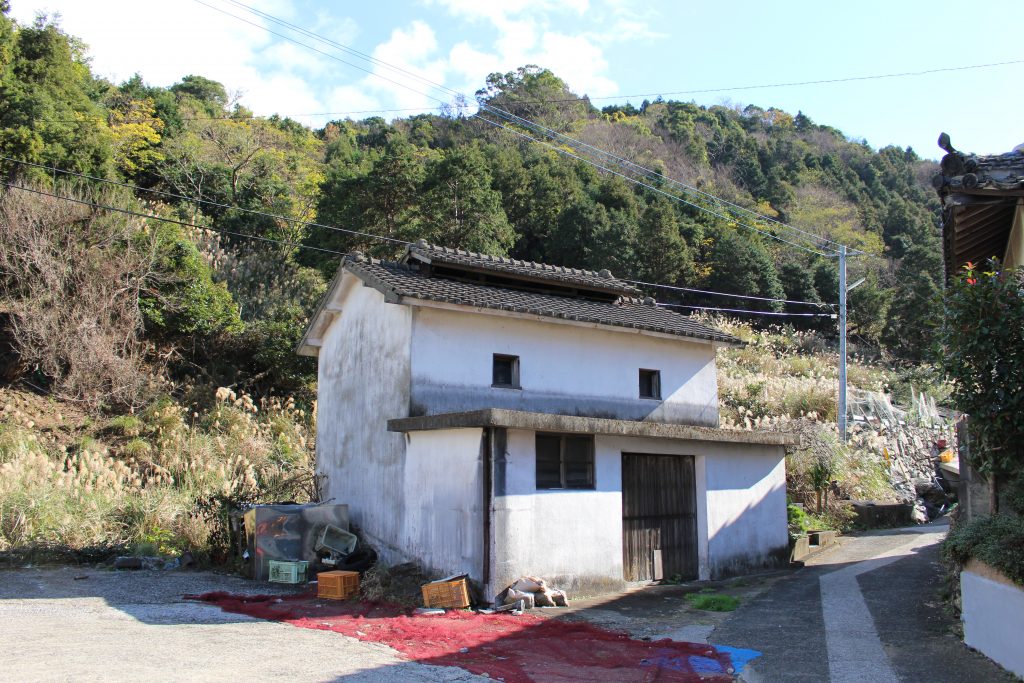
An example of a mandarin orange hut in Usuki City.It is said that the slope behind it was once a mandarin orange field.On the slope, you can see cedars that were planted as windbreaks.

And the dogwood that can be seen in the mandarin orange fields on the slopes looks like a windbreak.In Tsukumi, I was able to see a mandarin orange field with continuous hedges of dogma.
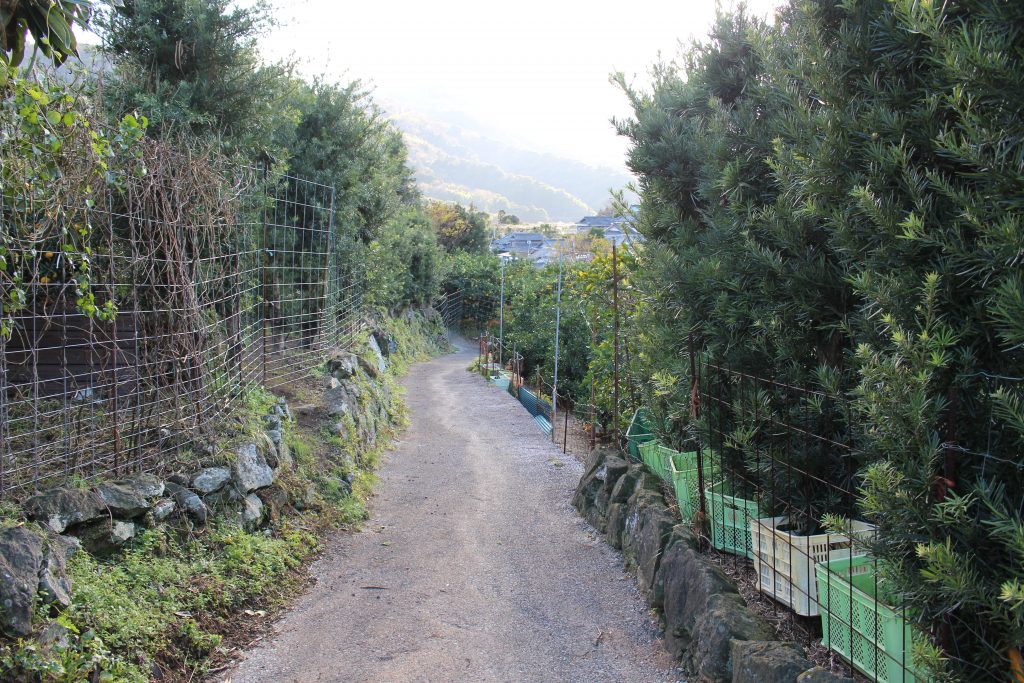
A mandarin orange field protected by a dogwood hedge.

On the last day of the survey, a light truck market was being held in Tsukumi City.

Even though it was raining lightly, it was crowded with people.

I would like to do my best in investigating mandarin orange huts so that I can contribute to town development in some way in the future.
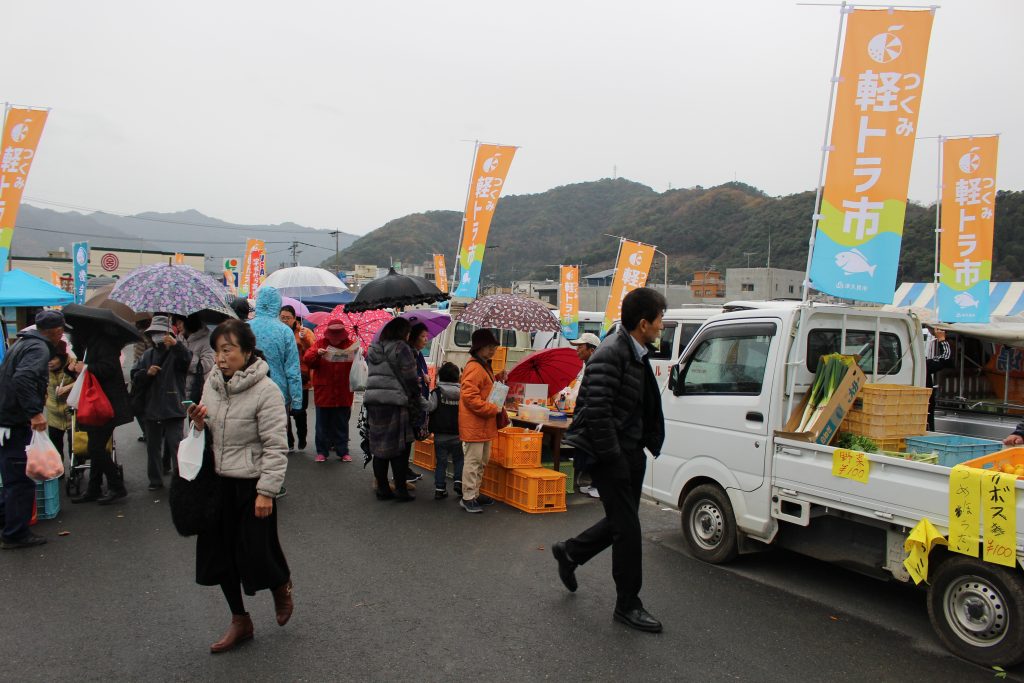
Light truck market.It was crowded with many customers.Of course, oranges were also on sale.

Orange Hut Survey 2018 Winter Part XNUMX

During this survey, we encountered unexpected damage from animals.

We encountered a wild boar during our field survey, and we had heard from local residents that wild boars, deer, monkeys, raccoon dogs, and other animals could be seen there, but we never expected that our measuring instruments would be damaged.

At the time of this investigation, it became clear that some kind of countermeasures were needed.

This made me realize once again the importance of preliminary research.

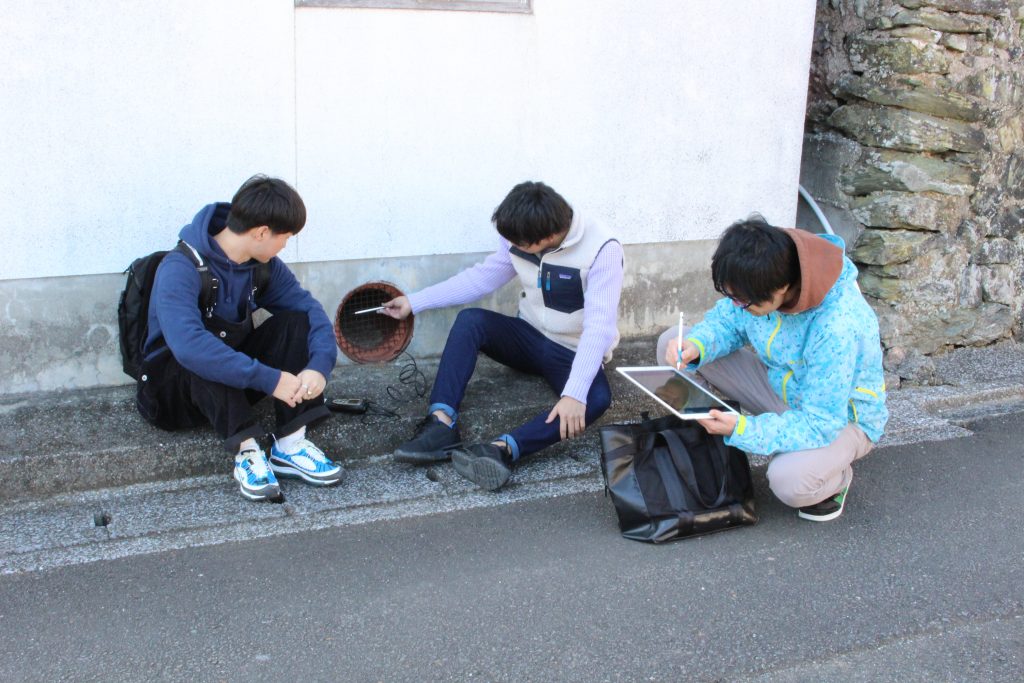
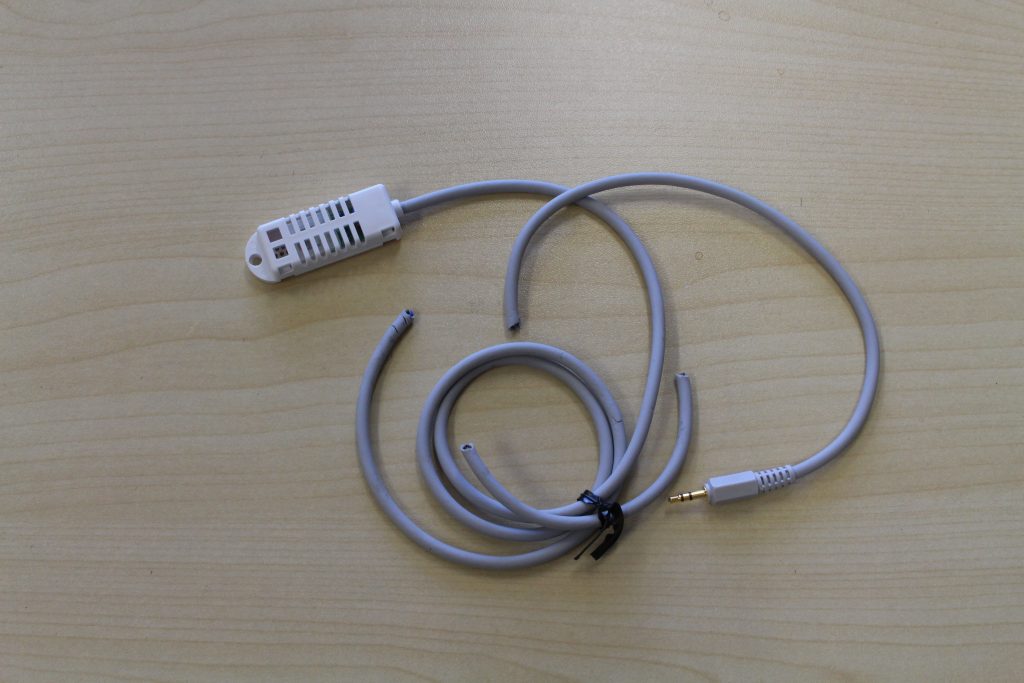
The temperature and humidity sensor installed at the exit of the earth tube had been bitten off.
Could a small animal have entered through the earth tube's intake port (bottom right of the photo)?
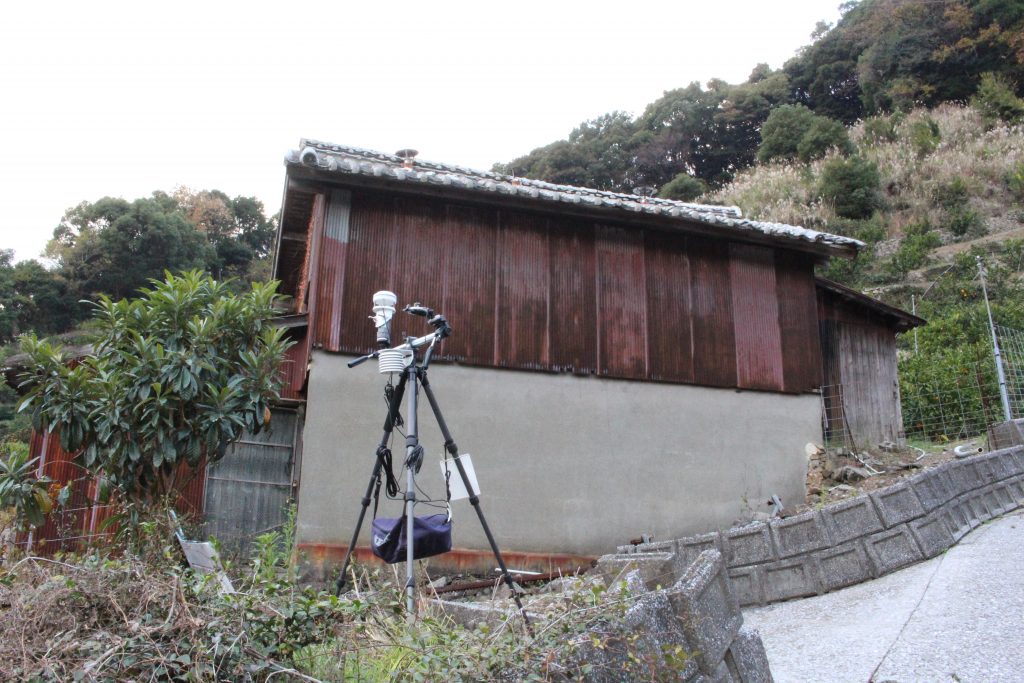
Outdoor weather measuring device installed next to the mandarin orange hut.After that, someone knocked him down and he was knocked over.According to local residents, it appears to be the work of wild boars.I'm glad it didn't break.

Orange Hut Survey 2018 Winter Part XNUMX

Continuing from last month, this month I also went to Tsukumi City, Oita Prefecture, to investigate mandarin orange huts.

The main purpose of this time was a preliminary investigation of the indoor thermal environment.

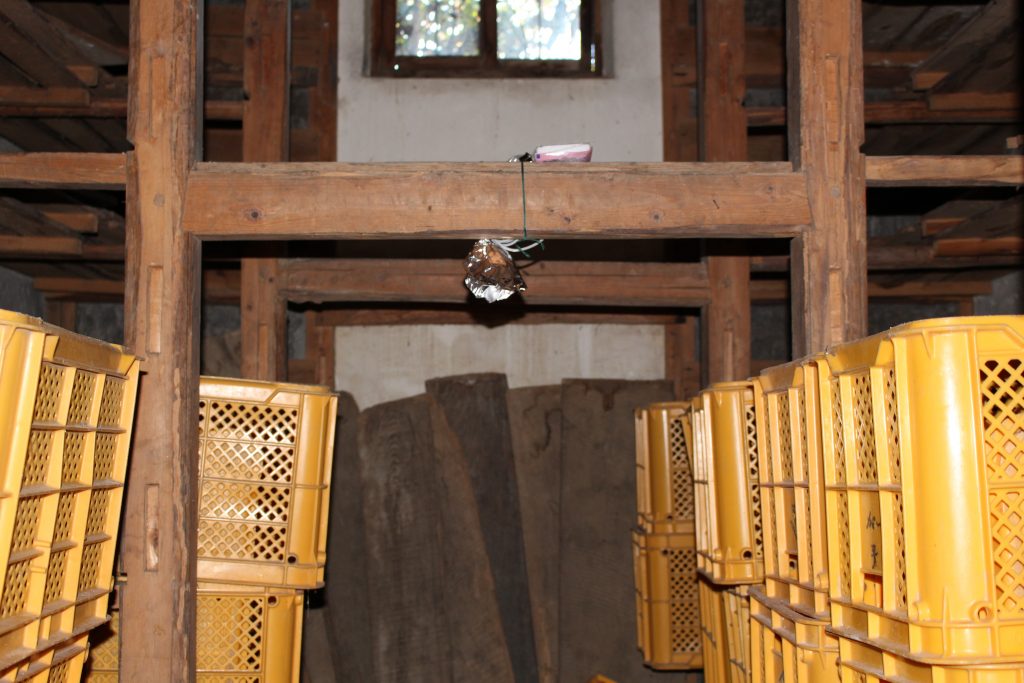
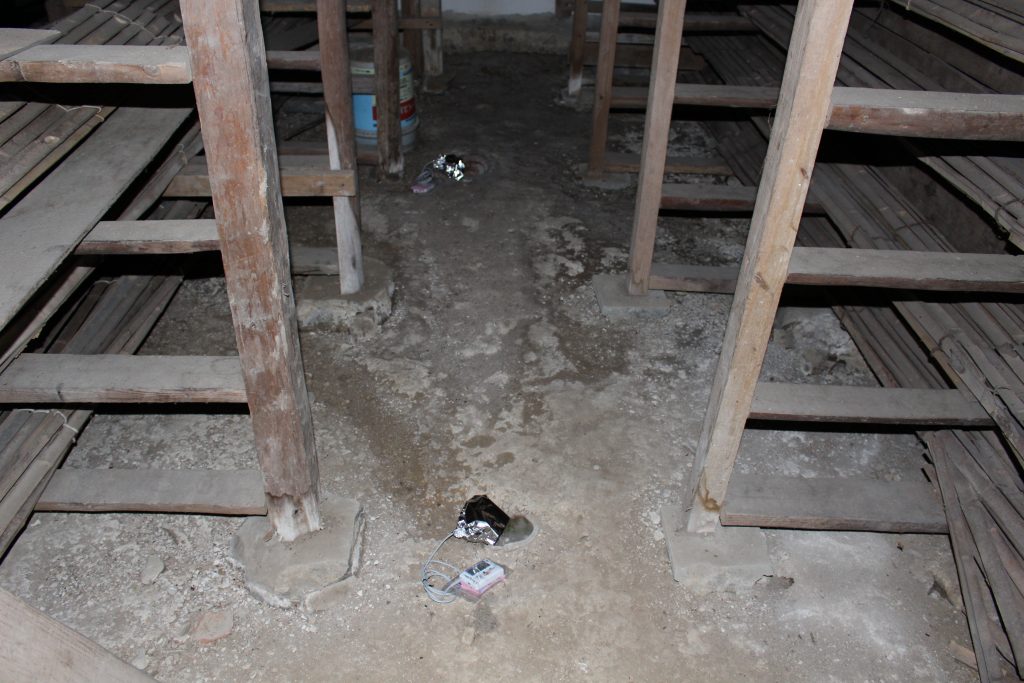
A thermohygrometer is installed inside the orange hut.

We were able to conduct the survey at multiple mandarin orange huts of different types and locations.

A thermometer was also installed at the exit of the earth tube.

Until last time, we introduced these tubes buried underground as "cool tubes," but when you think about it, it's strange to call them cool tubes because mandarin oranges are stored in sheds during the winter.

Temperature and humidity meters are installed at the exits of the two earth tubes.

This survey was a joint survey with the Ishii Laboratory of Meijo University.

Outdoor thermal environment measurement exercise

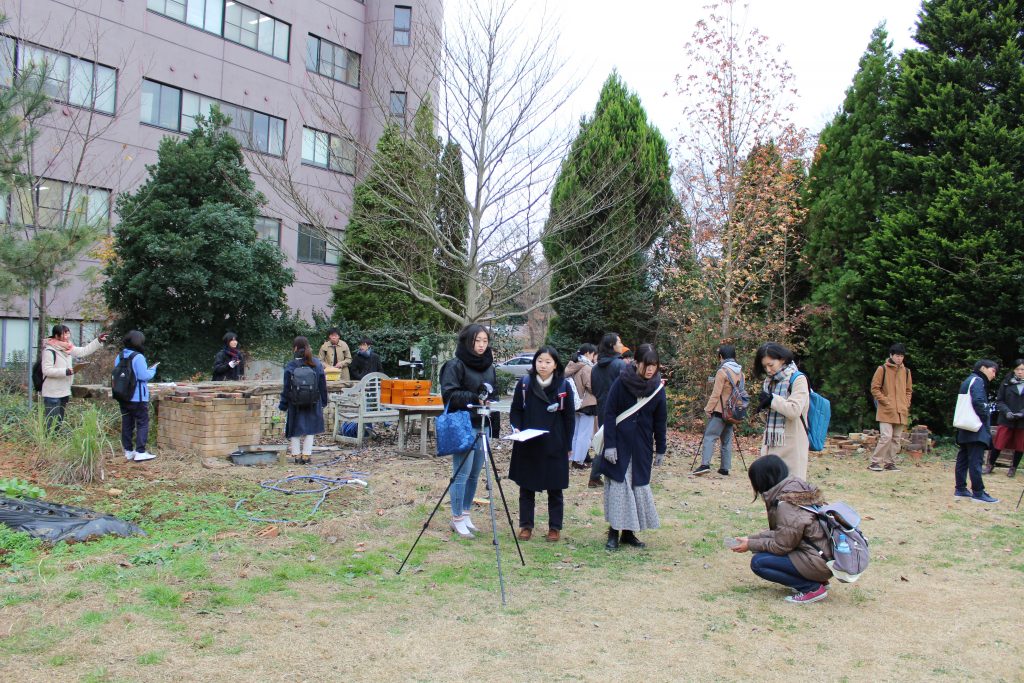
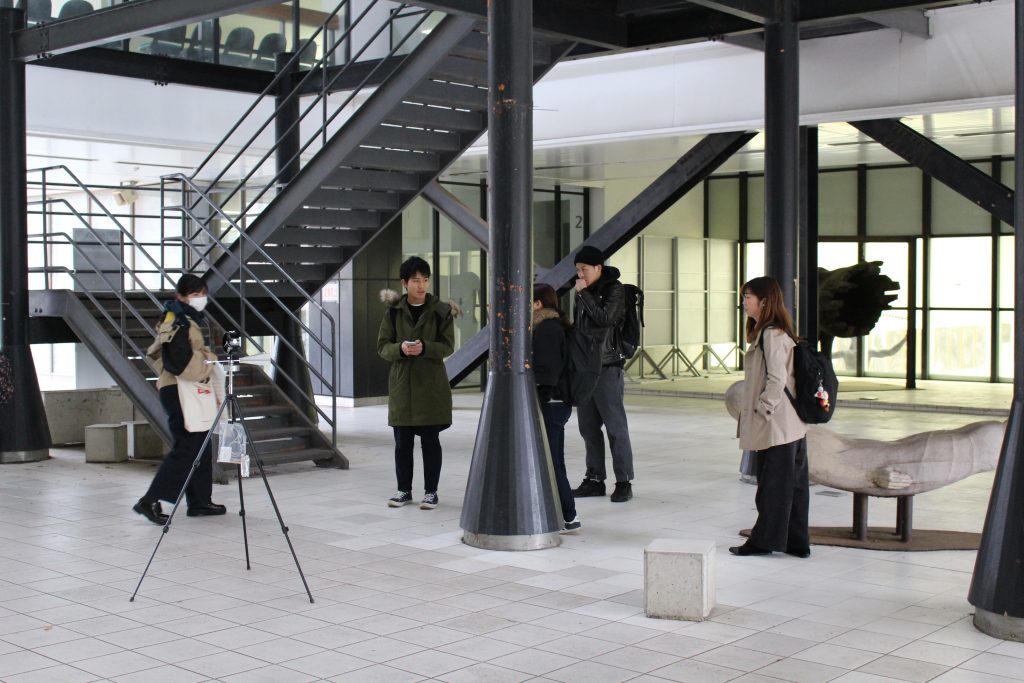
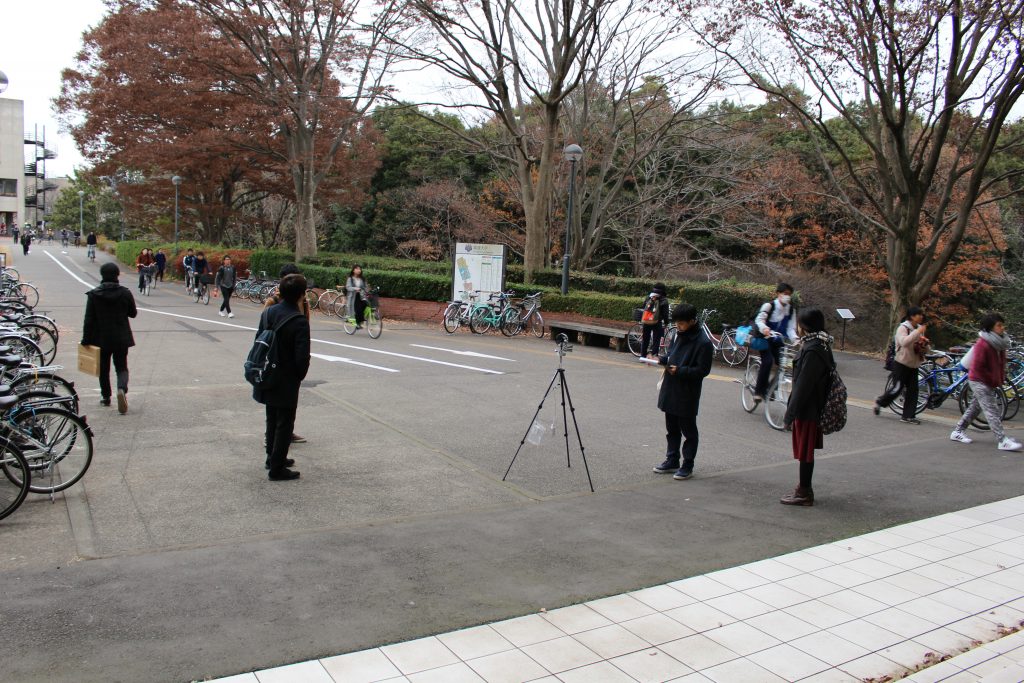
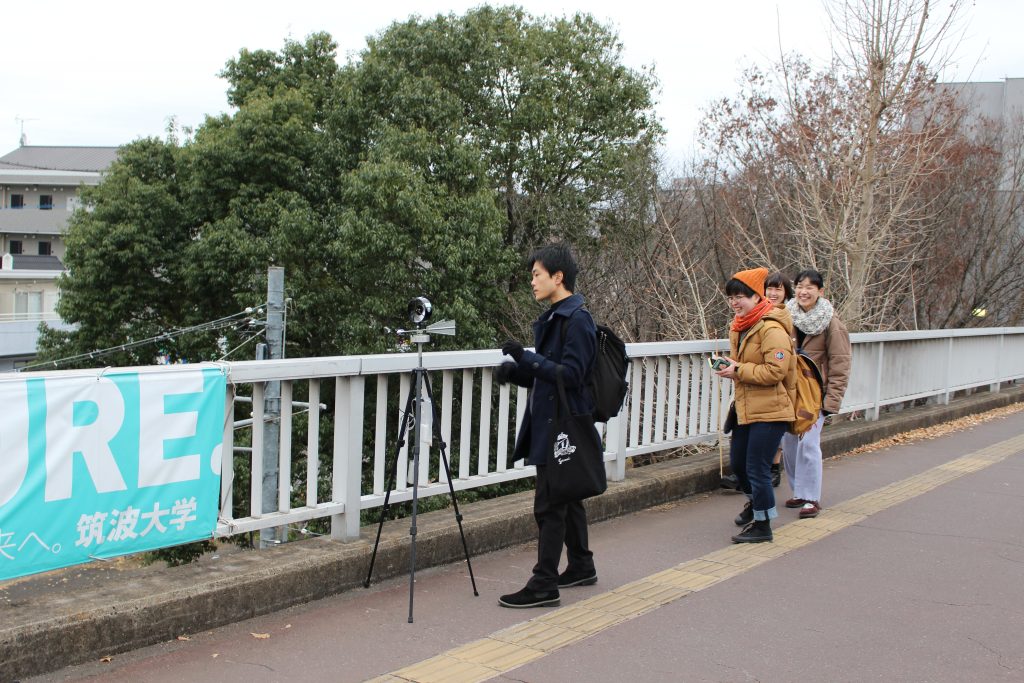
Today's class was an exercise in measuring outdoor thermal environments.

The students were divided into eight groups and conducted a survey based on the observation plan they had created in last week's class.

Initially, we had planned to conduct a survey of the wind environment, but since the wind did not seem to be very strong, we hurriedly added simple measurements of temperature and humidity to the survey.

First, we confirmed the survey method at Muse Garden.

41st Human-Living Environment Symposium (Osaka)

Last weekend, I participated in the 41st Human Lifestyle Symposium (Osaka).

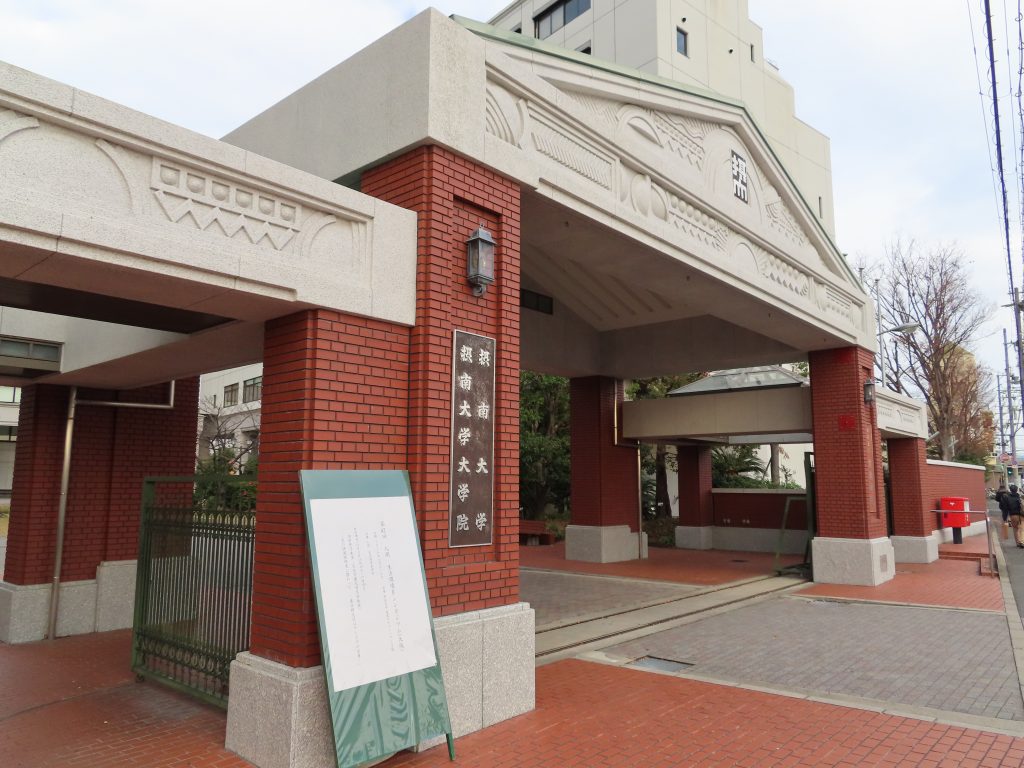
Venue: Setsunan University Neyagawa Campus.

The venue was Setsunan University Neyagawa Campus.

The chairperson, Professor Miyamoto of Setsunan University, is my senior in the laboratory when I was a student.

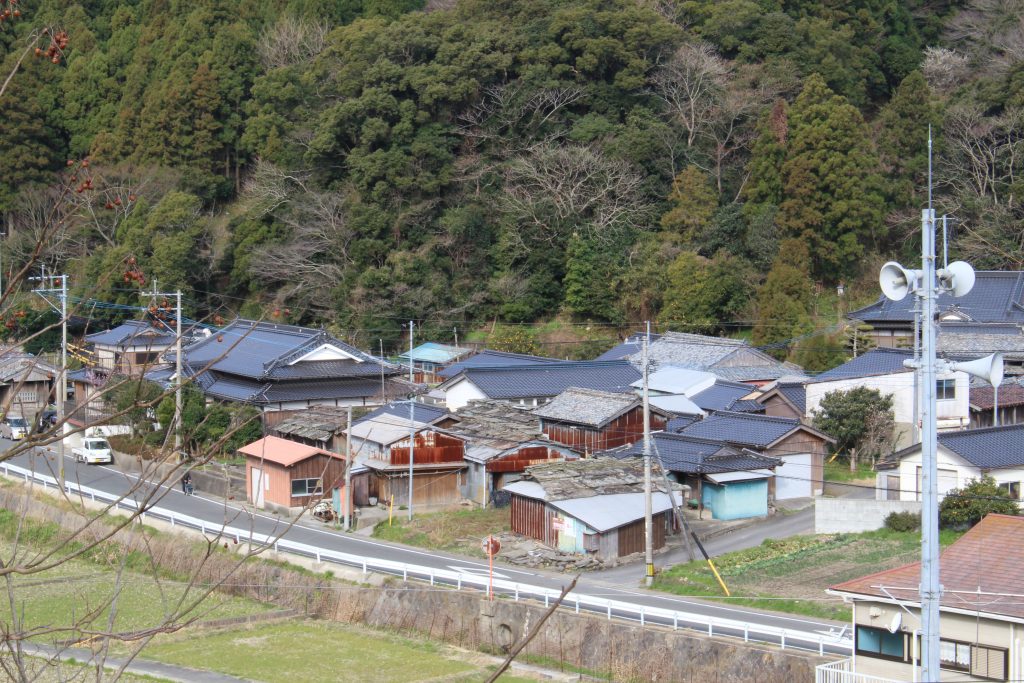
This presentation examined the relationship between the arrangement of coir on stone roofs and the wind environment of the village, based on the results of a small-climate observation survey conducted at Kune Rural Village in Tsushima, Nagasaki Prefecture.

Gunkura (Koyayashiki) in the rural village of Kune
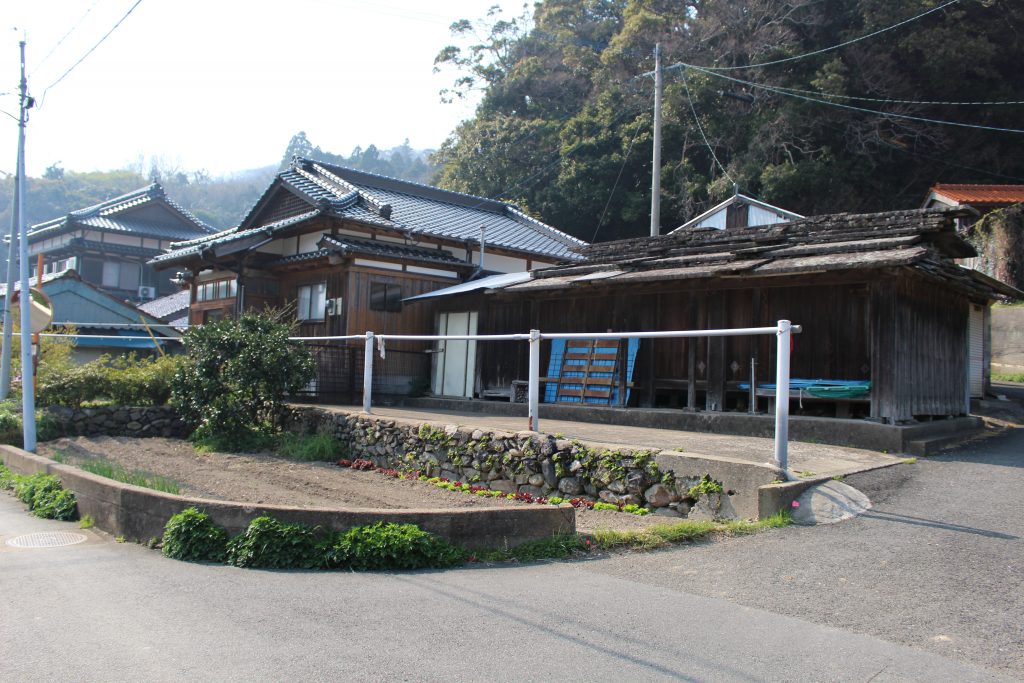
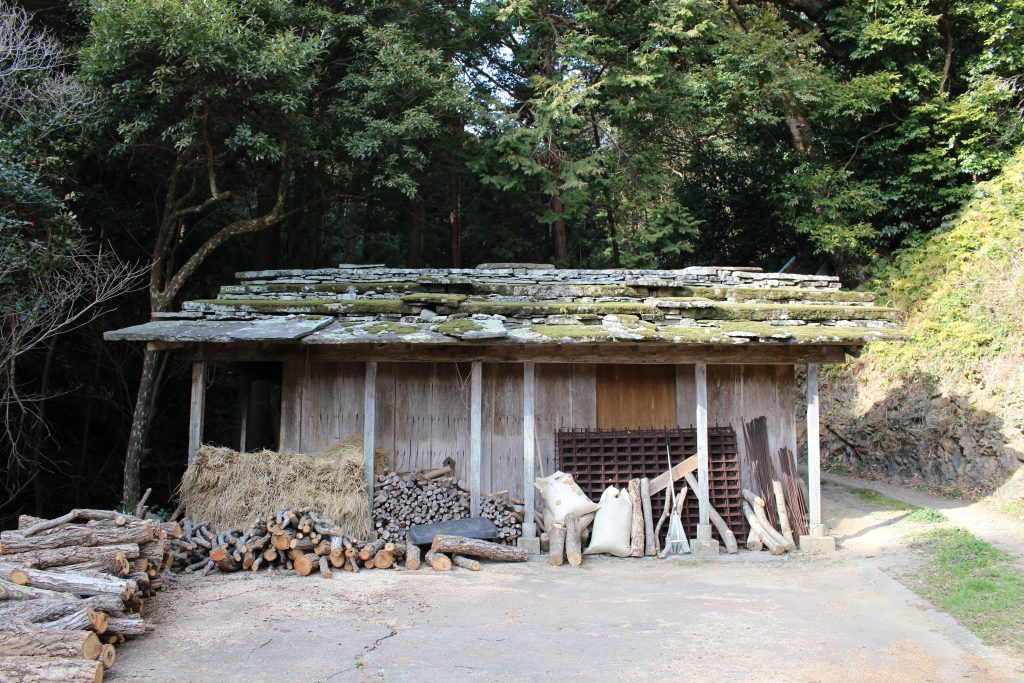
Koya of the stone roof of Koyayashiki.In front of Koya is a communal workshop called Bedoko.
Koya with a stone roof is also hidden along the mountain in the northern part of the village.