Graduate entrance exam

The recruitment guidelines for the entrance examination (February period) for the Department of Art, Graduate School of Comprehensive Human Sciences, University of Tsukuba are now available.

Please check the University of Tsukuba website for details.


This year, entrance exams will be held in February not only for the doctoral program but also for the master's program.

If you are a doctoral program applicant and would like to work in Hashimoto's laboratory, please contact us in advance (this is also specified in the application guidelines).

If you are a master's program applicant and would like to work in Hashimoto's laboratory, please contact us as far in advance as possible.

Additionally, if you are applying to the Hashimoto Laboratory in the master's program, your specialty area (desired area) will be "Environmental Design."
 

The sky is the limit.

Orange Hut Survey 2018 Autumn Part 3

This is the last report on the autumn survey.


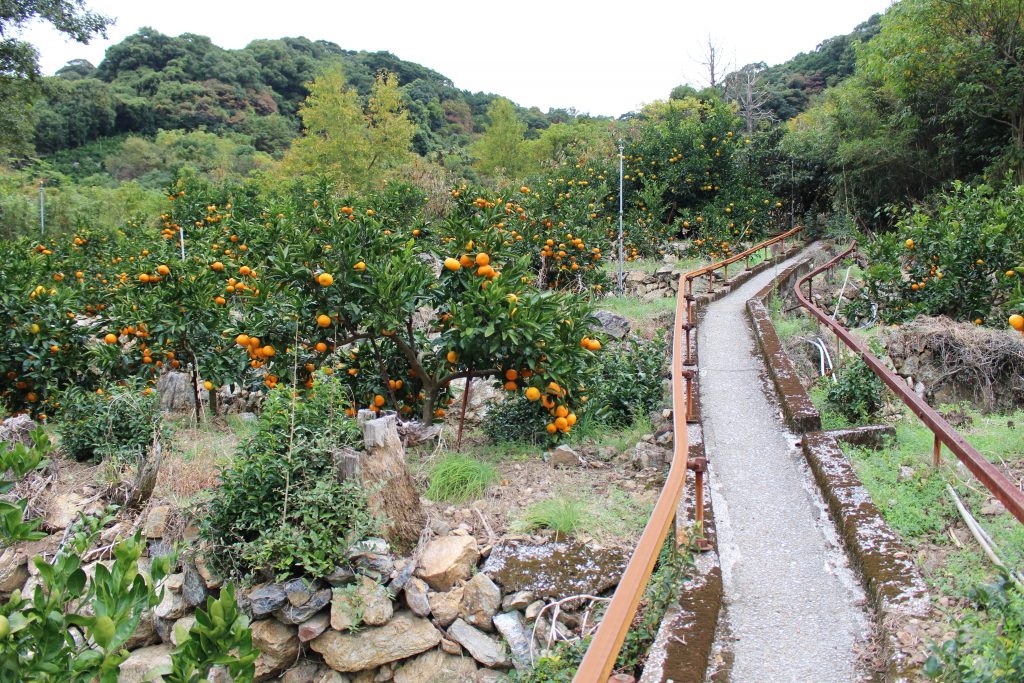
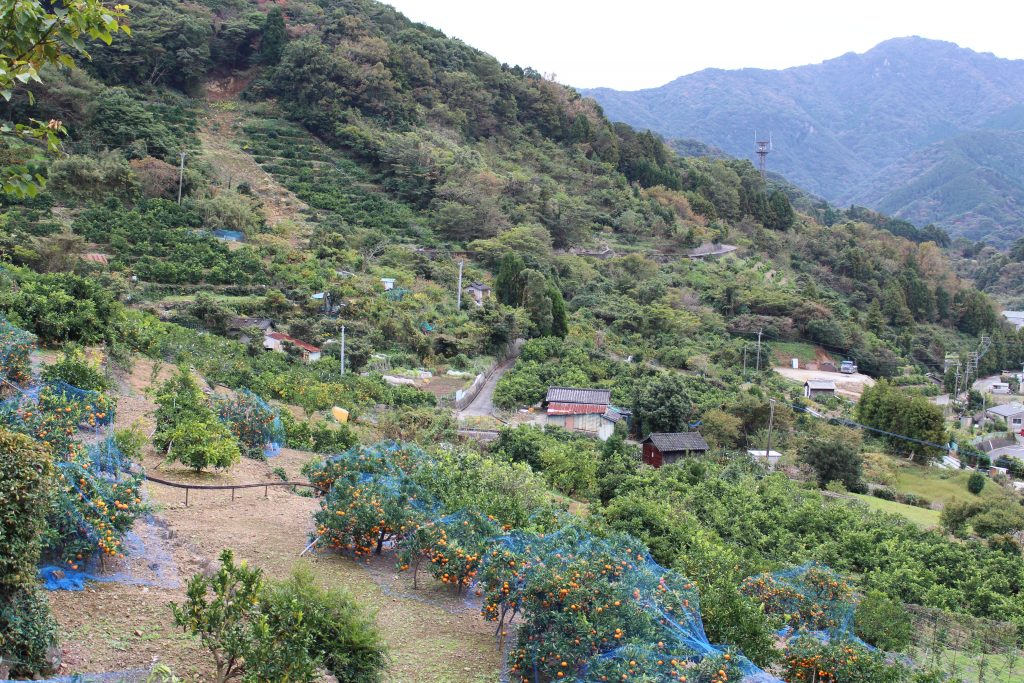
What was newly confirmed in this survey was the large number of types of mandarin oranges.

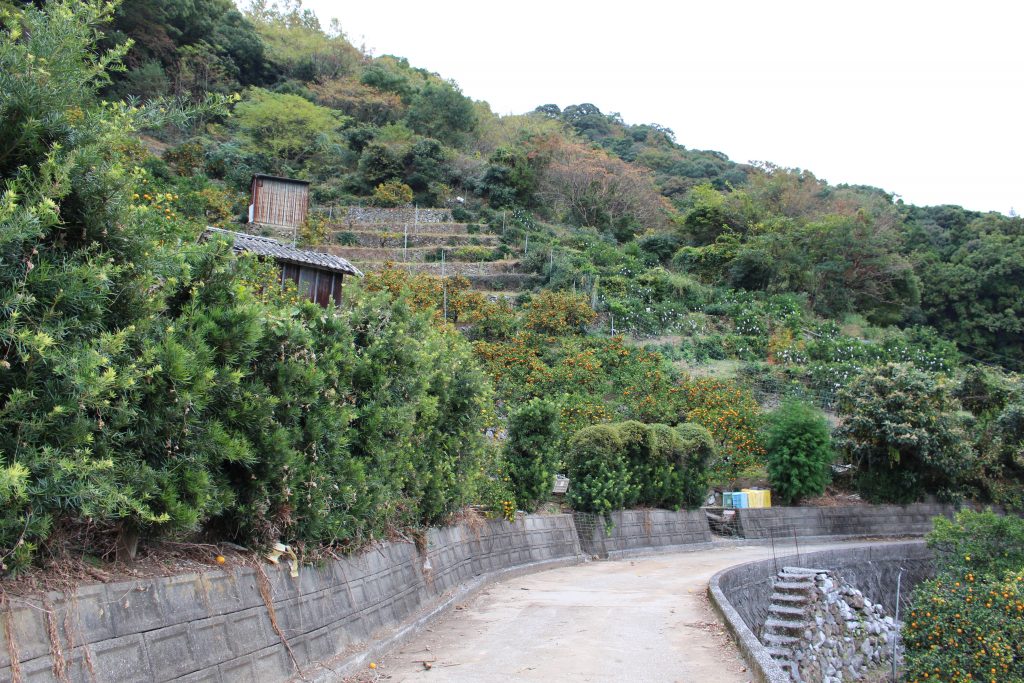
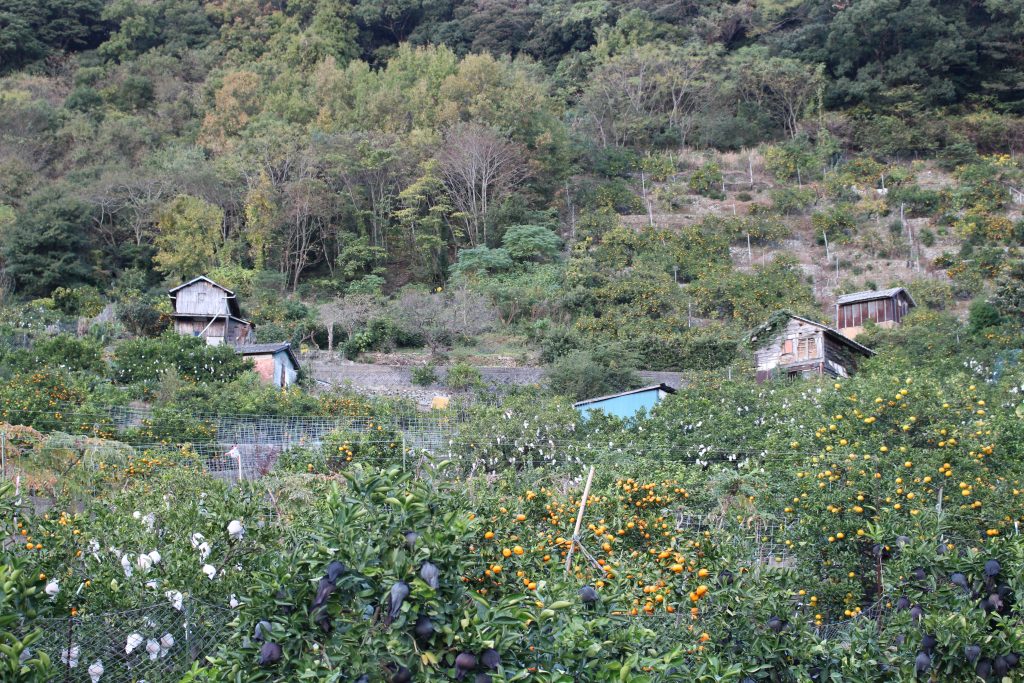
I heard that there are more than 10 types of mandarin oranges in the mandarin orange field on this slope (pictured below).


Depending on the variety, some have white covers, some have black covers, and some don't.
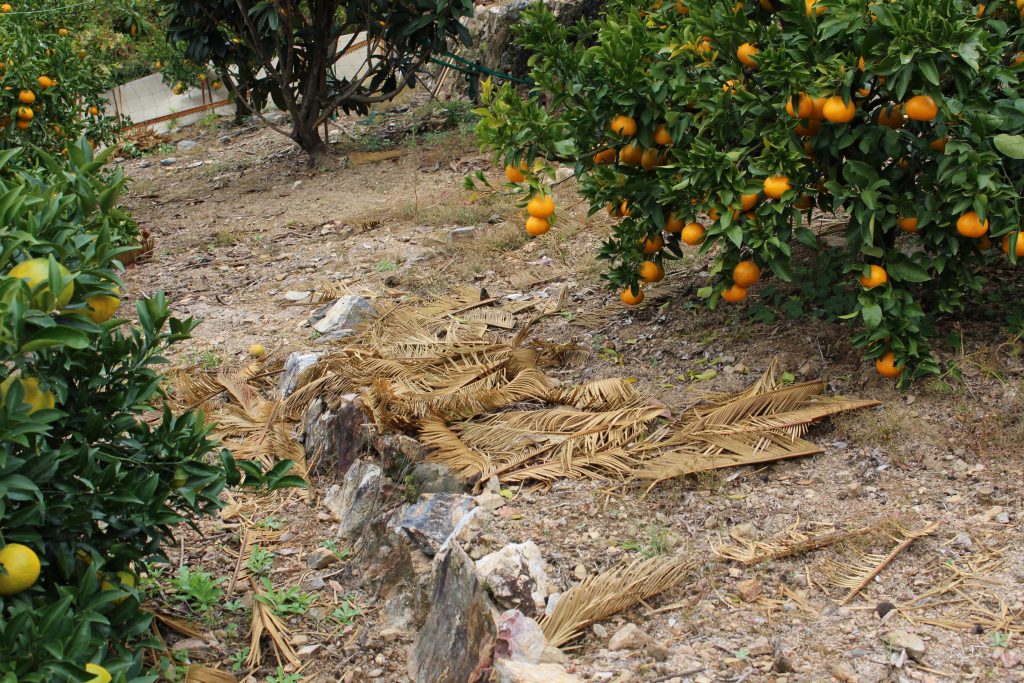
There are things that look like cycad leaves at my feet.Is it fertilizer?I can't find any cycads around...

Agricultural landscape research, which examines the distribution and history of mandarin oranges, was also interesting and made me want to try it.

At this point, it's not just architectural design, but environmental design.

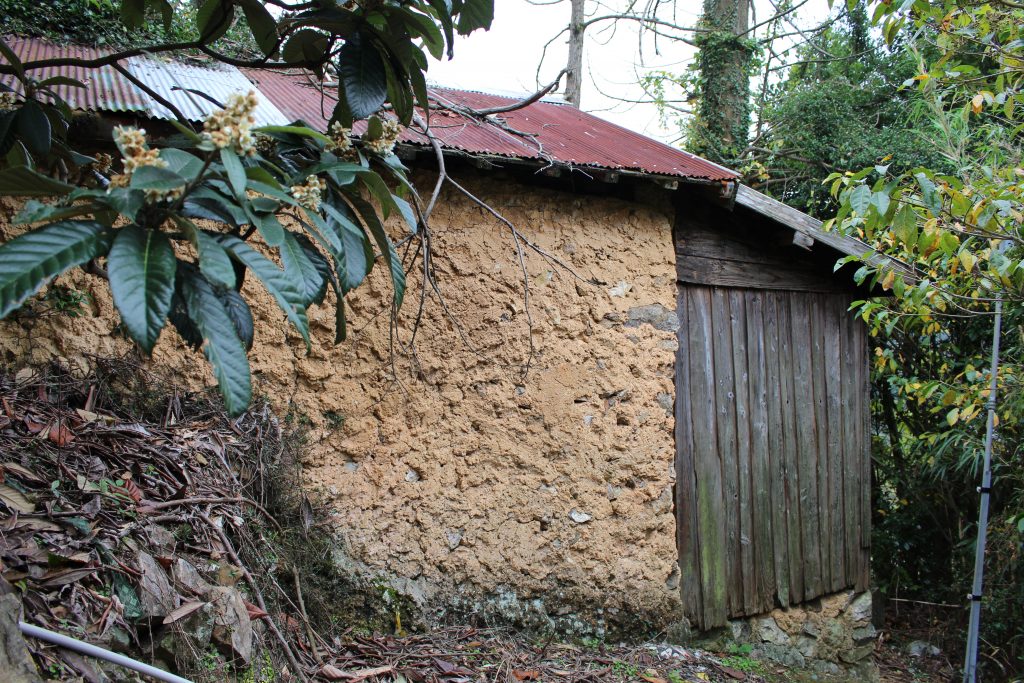
In addition to this, I was also interested in the loquats and figs scattered around the hedges such as dogwood and the tangerine fields.


Dogmaki hedge.Is it for wind protection?A loquat tree is also visible on the right side of the photo.
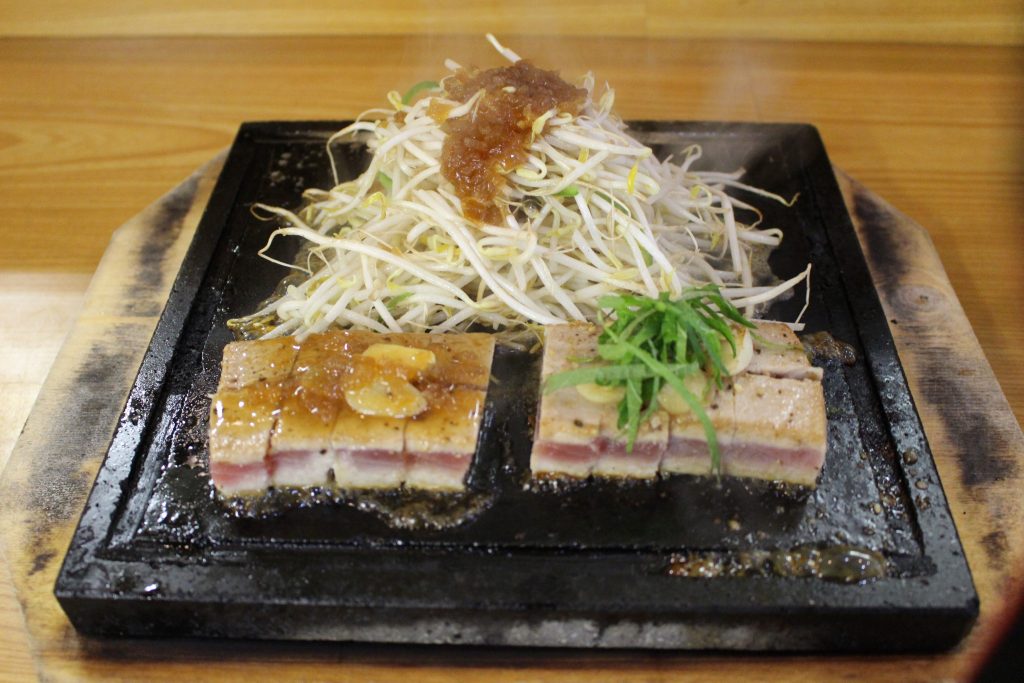
For lunch, I had tuna steak again.

Orange Hut Survey 2018 Autumn Part XNUMX

On the second day of the investigation, I went to Chinu's Ota and Fujinai.

We went to the people working in the tangerine fields to ask for their cooperation in the survey.

As a result of climbing up and down the tangerine fields on the slope, my calves were strained the next day.


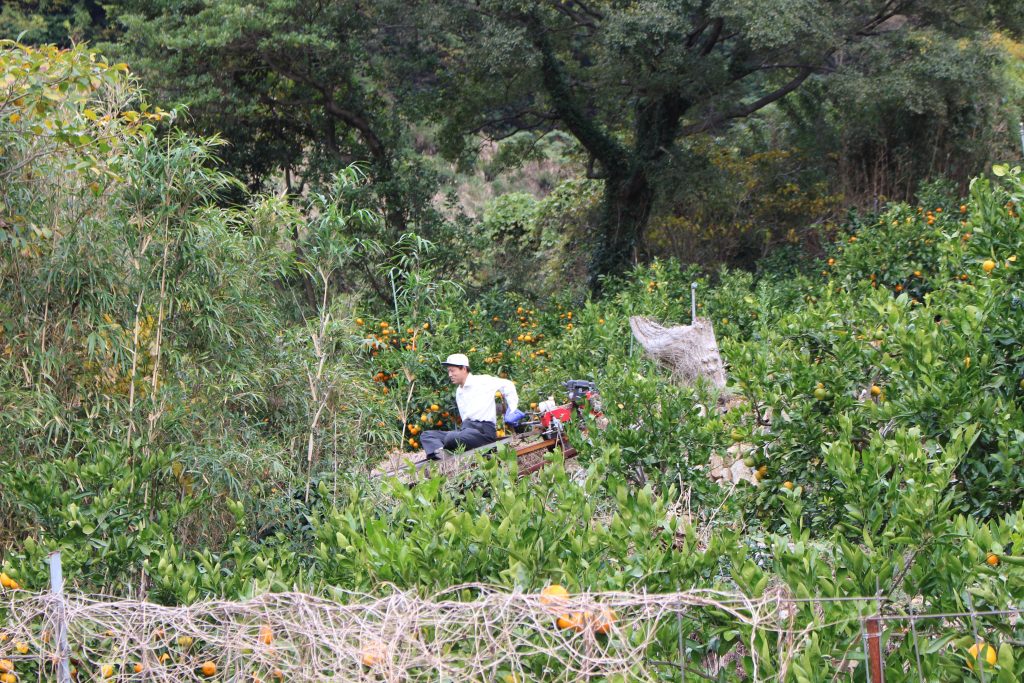
As I was walking along the road through the tangerine fields, I met a tangerine farmer riding a monorack.
I was told, ``There's one building at the back of the tangerine field,'' and I went up the slope. (I entered the tangerine orchard with permission.)
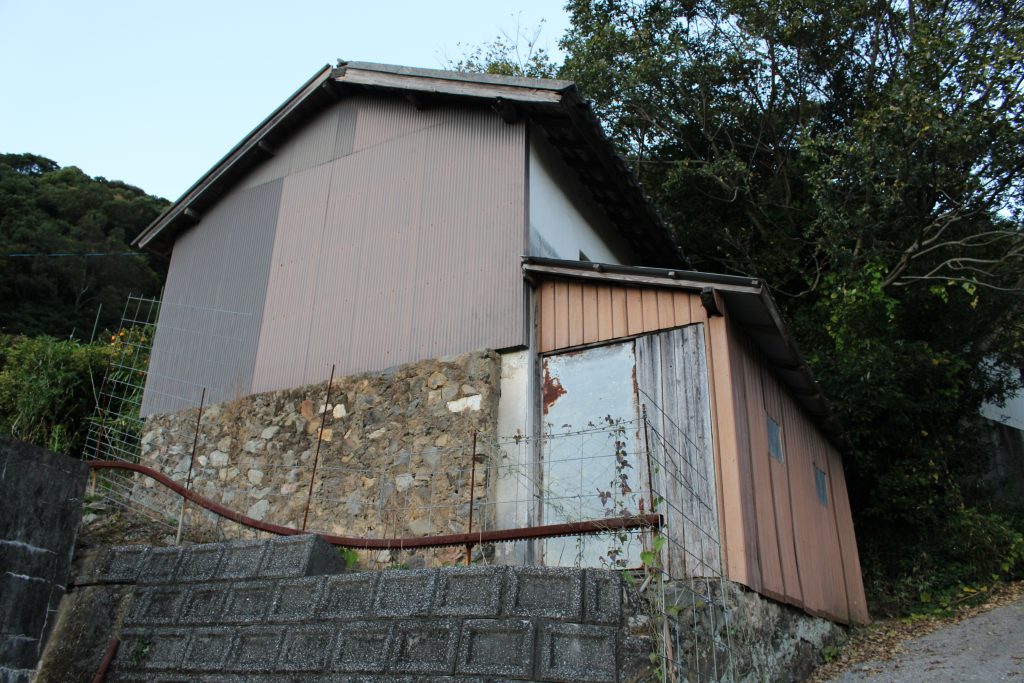
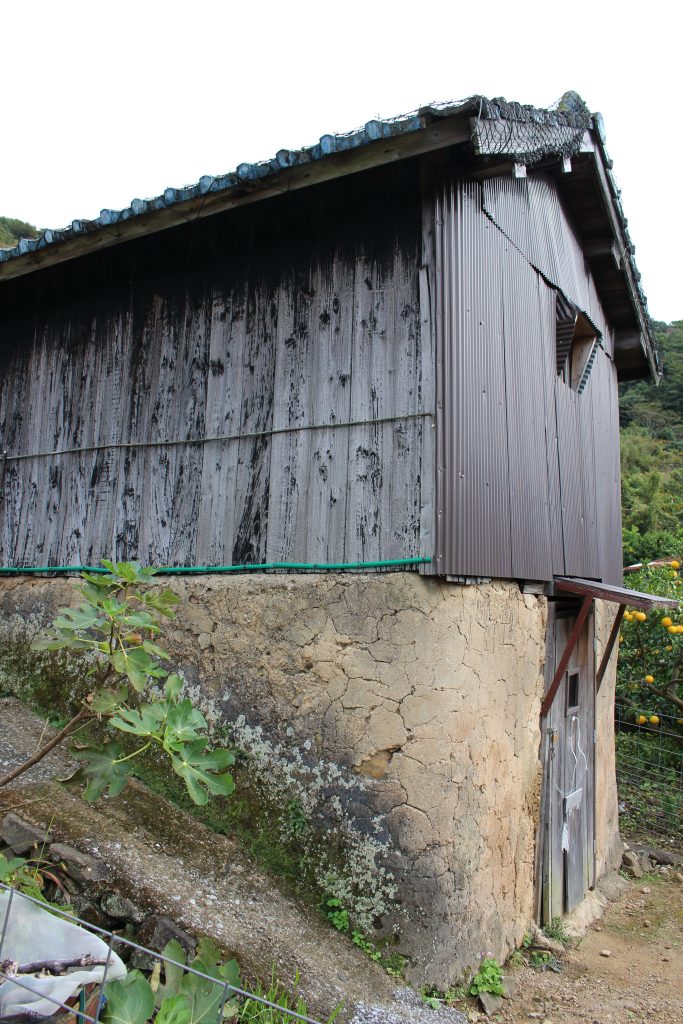
There was indeed a one-story Sanwa mandarin orange hut at the top of the mountain.good.
Sanwa's mandarin orange hut with a shed.
A type of Sanwa reinforced with mortar.There are two intake ports for the cool tube.
The corners of the Sanwa wall are rounded.
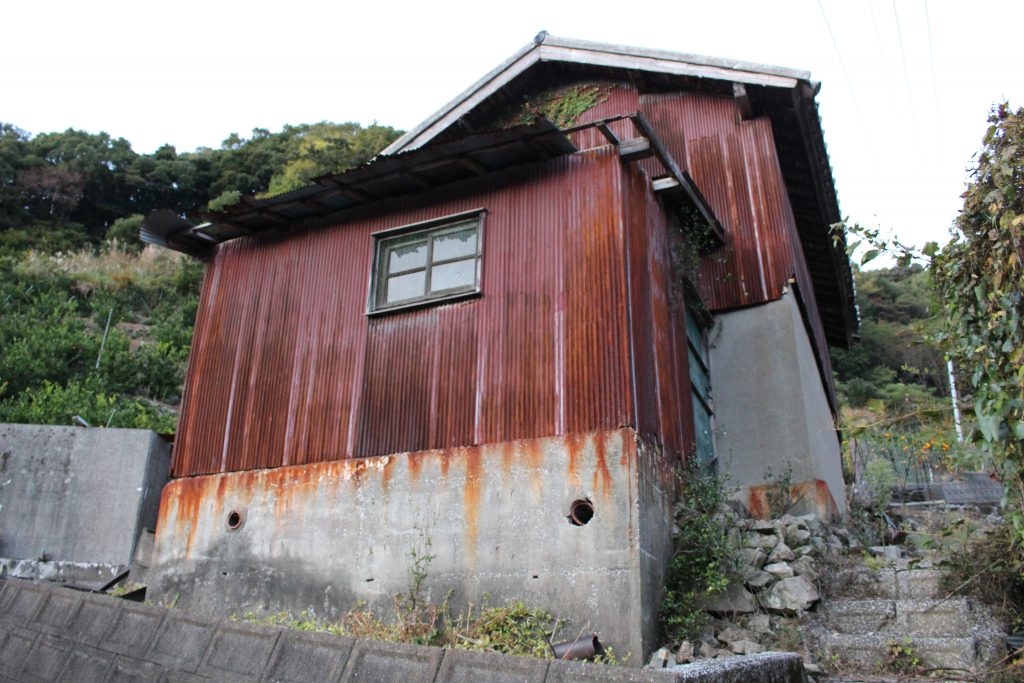
There are mandarin orange huts dotted around the mandarin orange fields on the slope.

Orange Hut Survey 2018 Autumn Part XNUMX

I went to Tsukumi City, Oita Prefecture to investigate mandarin orange huts.

In December, we will conduct a preliminary investigation of the indoor thermal environment as a joint research with the Ishii Laboratory of Meijo University, and the main purpose of this time is to select the huts to be investigated and request cooperation in the investigation.

On the first day, I went to Namachi Urayo, Tsukumi.

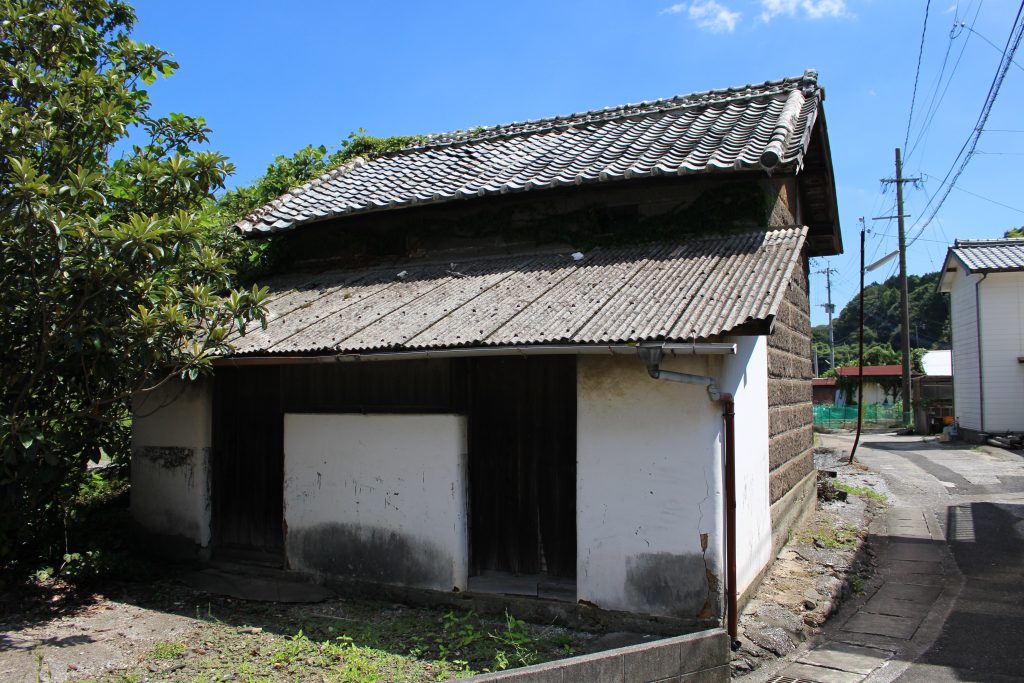
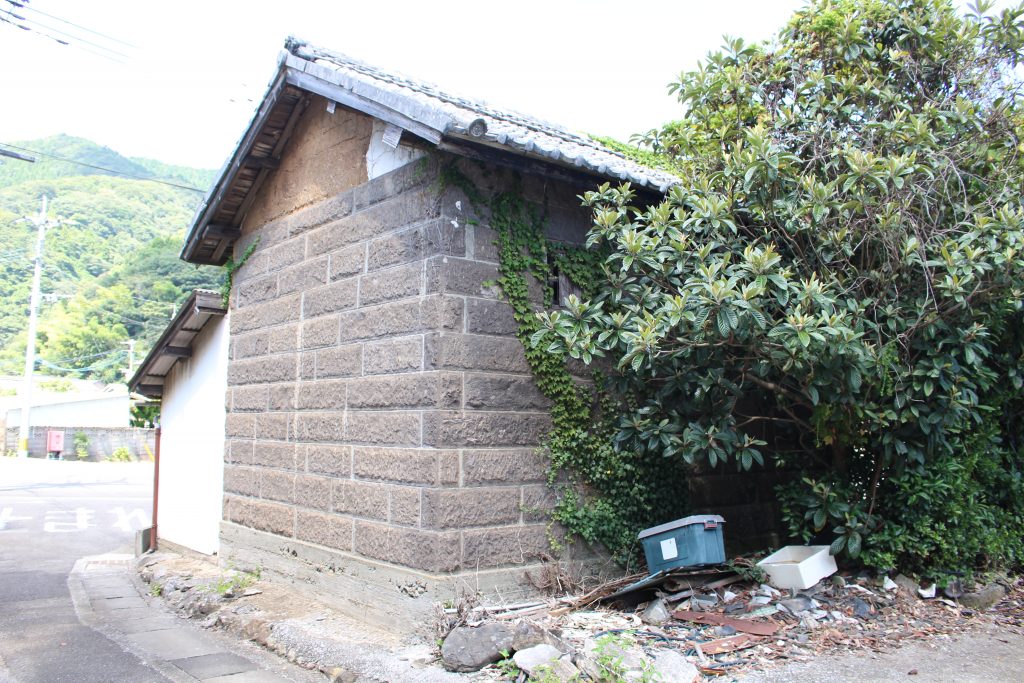
Thanks to the cooperation of Mr. Isogawa from the Agriculture, Forestry and Fisheries Division of Tsukumi City Hall, we were able to conduct the survey at the ashstone mandarin hut.


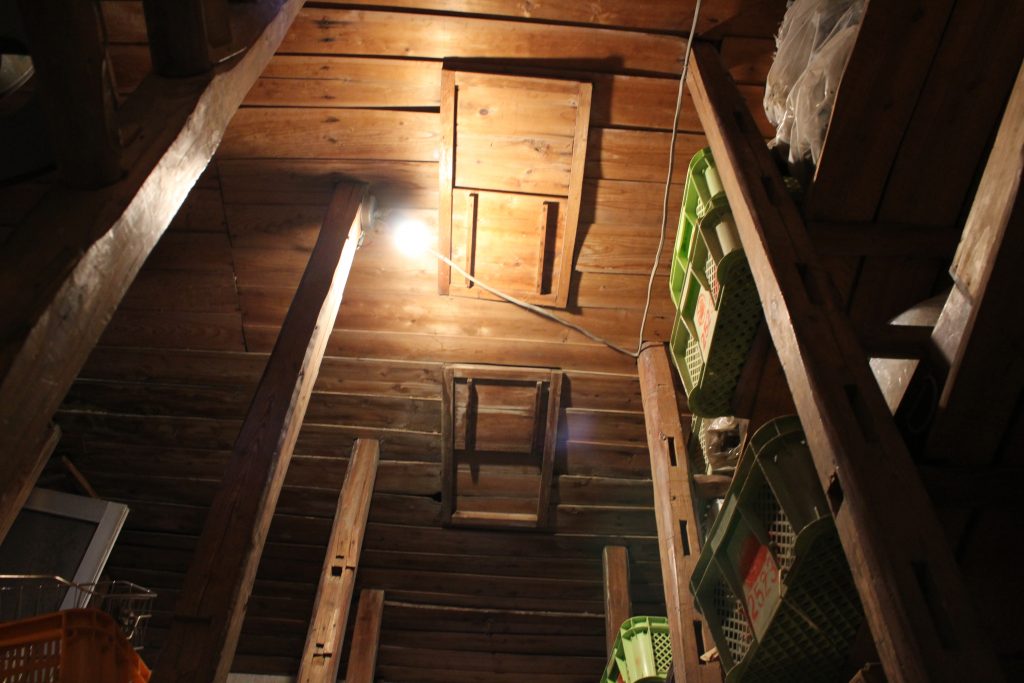
We decided to ask for cooperation from the mandarin orange hut that is still in use.The photo shows the ventilation hole in the roof.
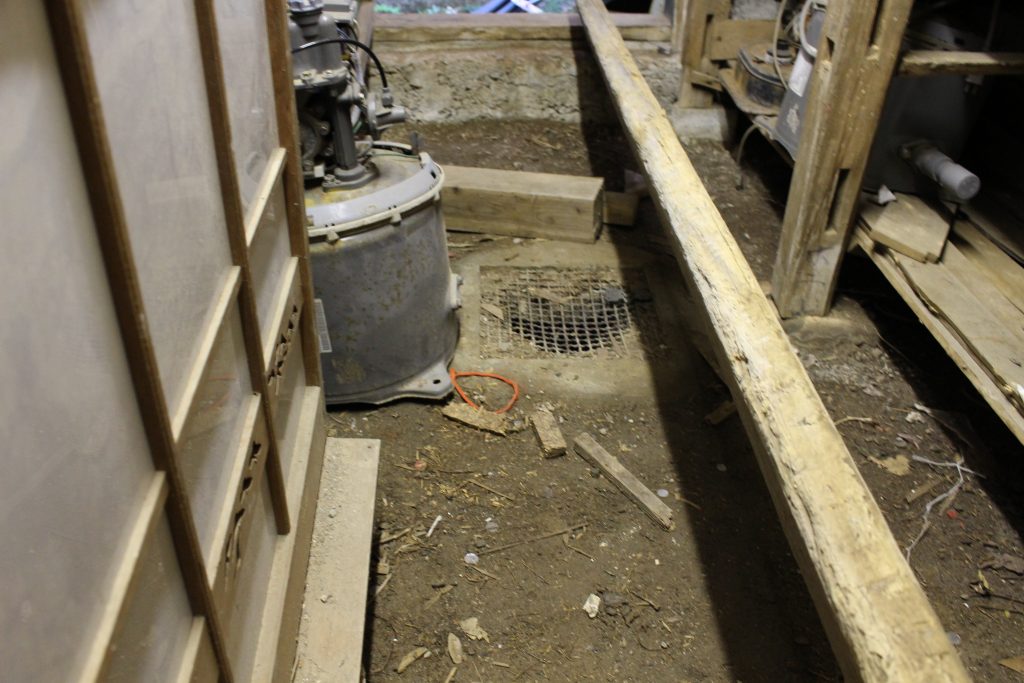
Cool tube to be investigated.
The mandarin orange hut that we decided to cooperate with in the survey (this is a different hut from the first and second photos).
It is built by piling up ashstone.

Iki style private house

Professor Hana Takamatsu of Yanbian University has been participating as a guest in our seminar since October.

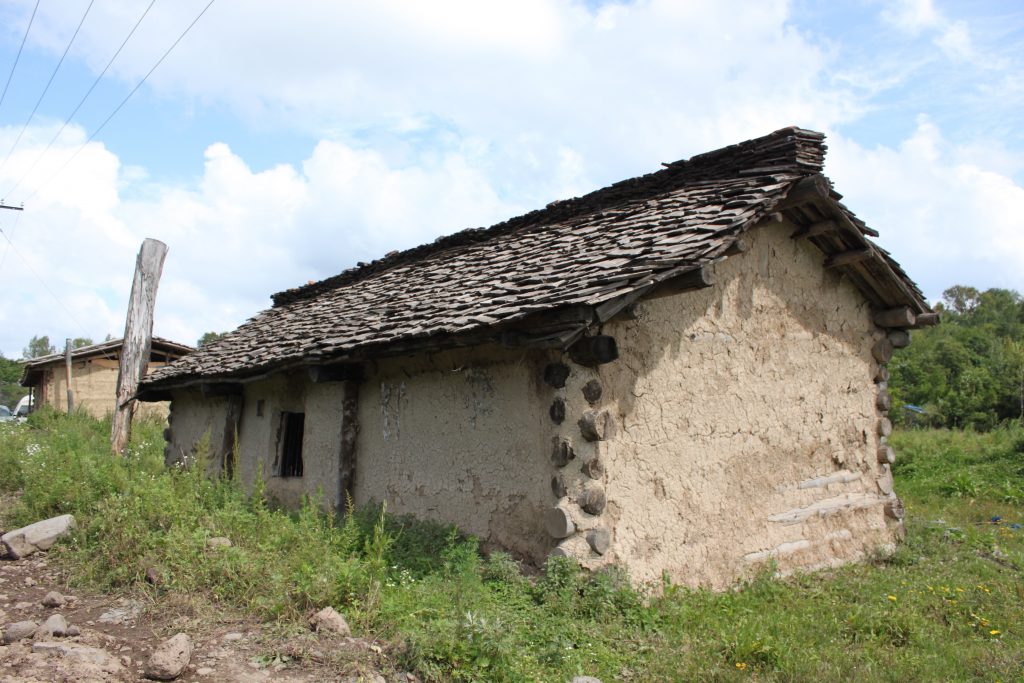
In last week's and this week's seminars, Professor Ko gave a presentation on one of the subjects of his research, the Igan-style private houses in Yanbian, China.

The Hashimoto laboratory also participated in the 2011 survey as a member of a joint team including the Ando laboratory and the Fujikawa laboratory.


Iki style private house.Create a wall by filling and hardening the logs set up on the crossbeams with soil.
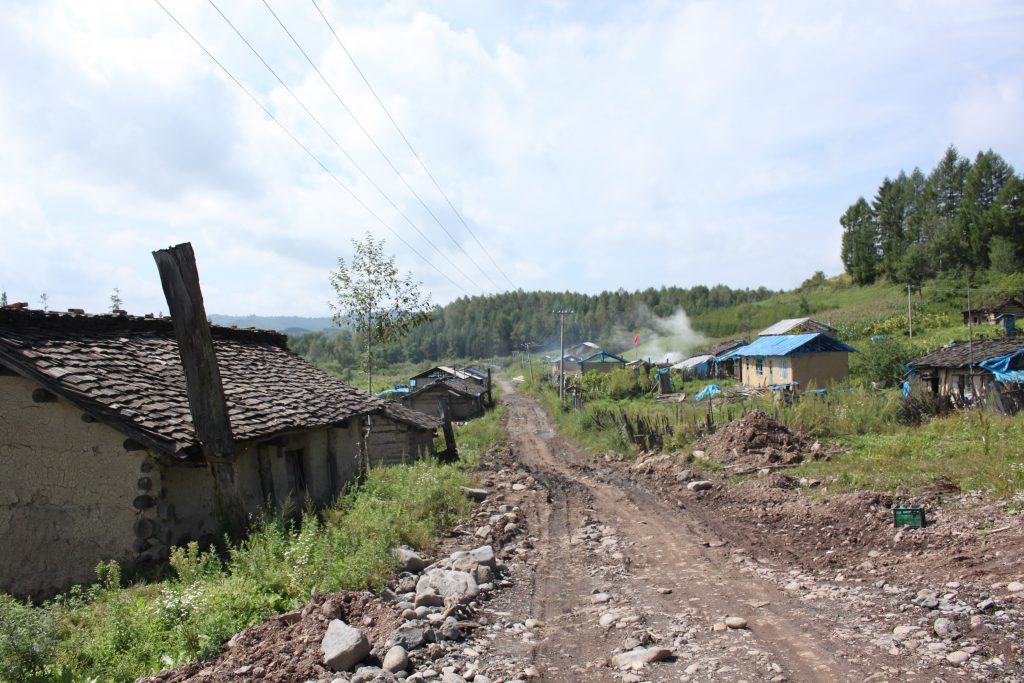
Situation of the village.The chimney made by hollowing out a log is symbolic.Han houses have kang, and Korean houses have ondol.
The roof is thatched.

57th Japanese Society of Biometeorology Conference (Kyoto) Part XNUMX

On the second day of the 57th Japanese Society of Biometeorology Conference (Kyoto), there was a poster presentation session.

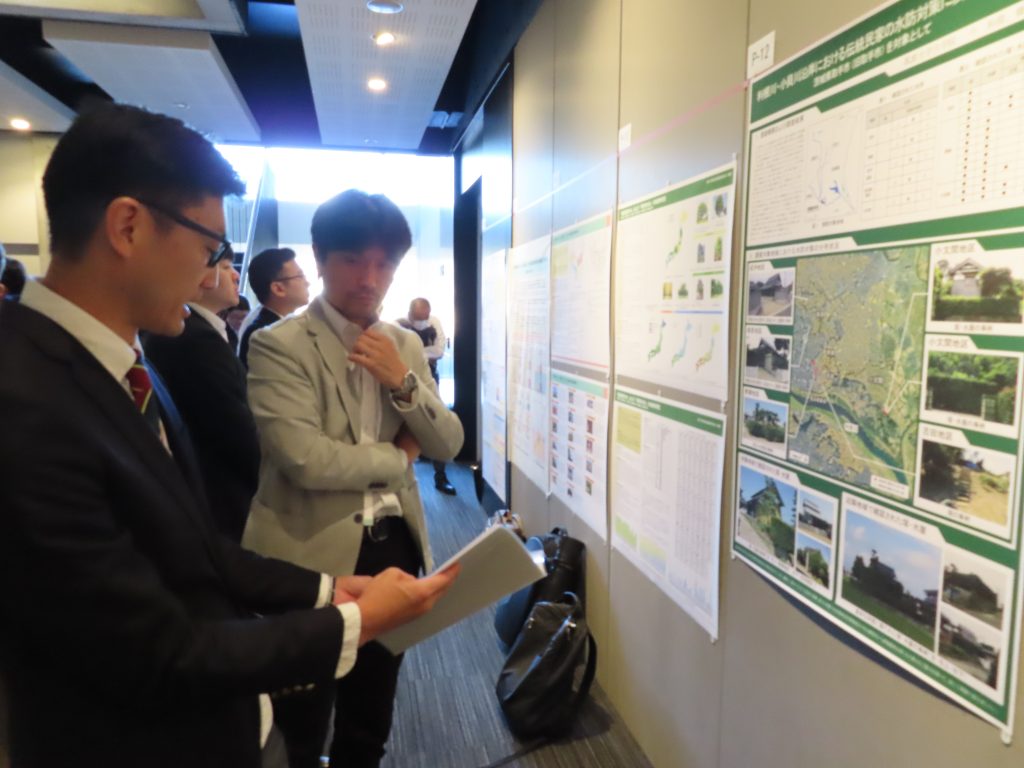
Graduate student Ima-kun presented the results of his research on Toride Mizuya, etc.

In addition, co-researchers Professor Watanabe (Daido University) and Professor Ishii (Meijo University) will present the results of a survey conducted on Kakeroma Island last year, and Professor Sato (Meijo University) will present the results of a survey conducted this year on the Oshika Peninsula. Did.


Ima-kun explains the contents of his presentation.In addition to posters, they also created a collection of materials for the survey.
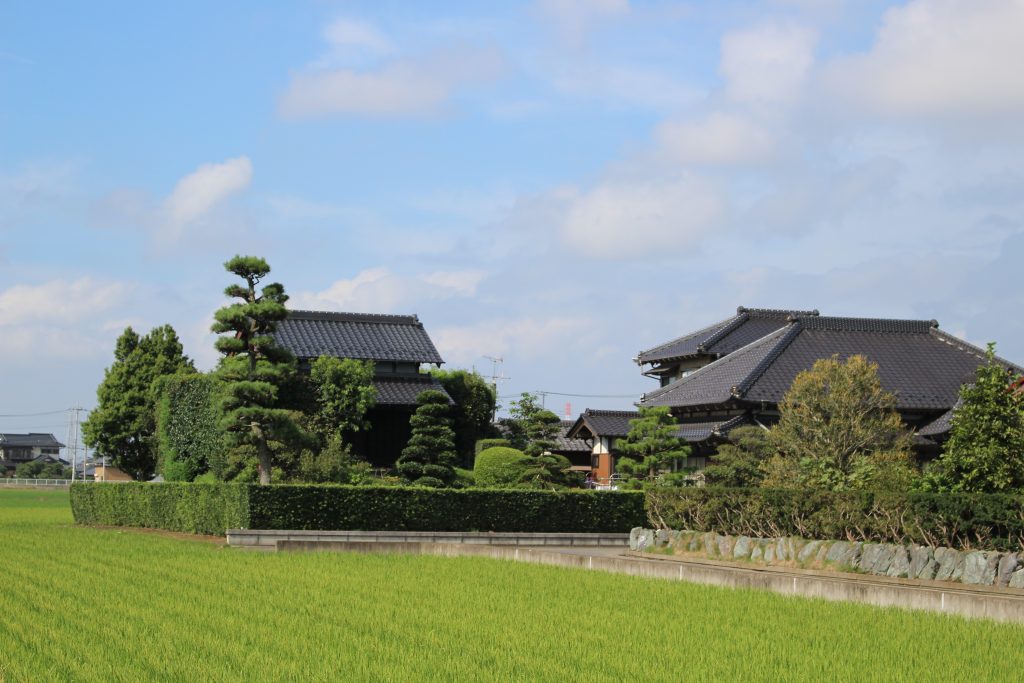
Mizuya in Toride City.Hedges and garden trees are also cool.
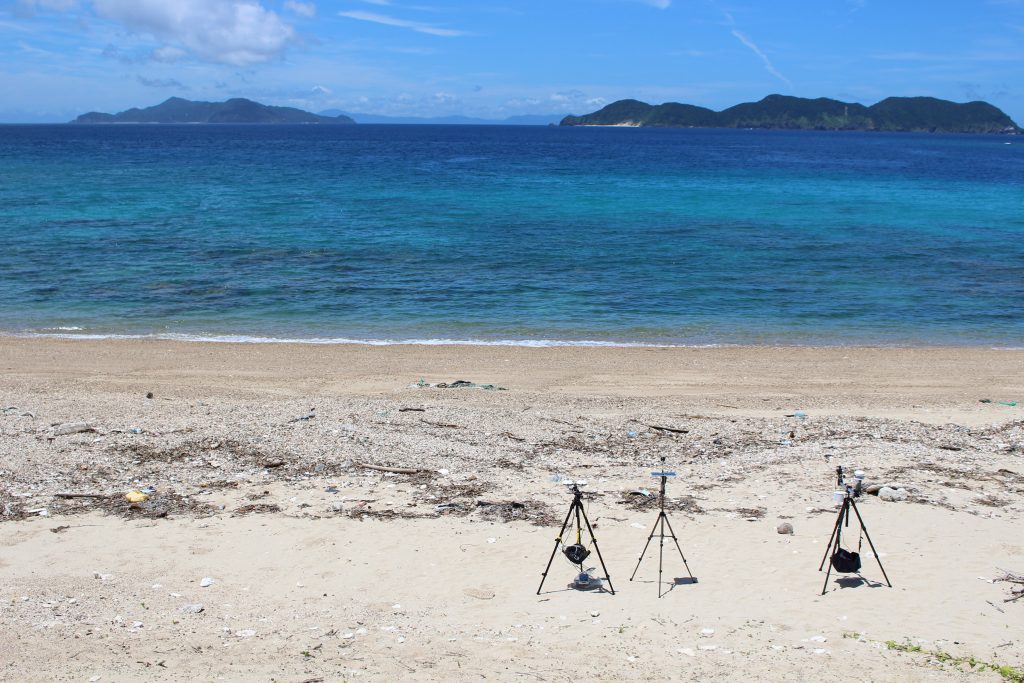
Thermal environment was measured at the beach of Sukomo village on Kakeroma Island.It was hot.But it felt good.
The wind at Kitsunesaki Beach on the Oshika Peninsula was cold.
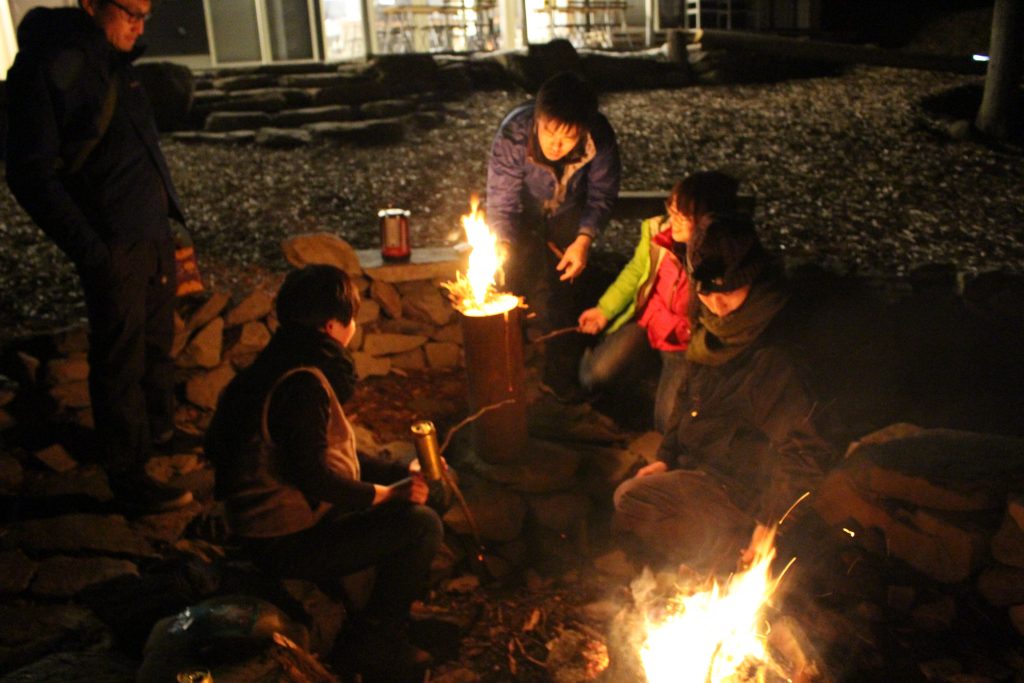
During our research on the Oshika Peninsula, we stayed at Momonoura Village.It was exciting with the Swedish Torch.